Did you know that the average professional nail salon uses a lamp that emits over 10,000 millijoules of energy per minute, while many home kits barely hit 3,000? That gap can mean the difference between a flawless, chip‑free manicure and a soggy polish that lifts after a single coffee date.
In This Article
Choosing the best nail lamp isn’t just about picking the flashiest design on the shelf. It’s about matching power, timer flexibility, and safety features to the type of gel you love—whether it’s a quick‑dry French tip or a thick, sculptural overlay. In my ten‑year career, I’ve seen beginners waste $150 on a lamp that never cured their polish properly, while seasoned techs swear by a $89 LED that cuts curing time in half.
How Nail Lamps Work
UV vs LED: The Core Difference
UV lamps generate a broad spectrum of ultraviolet light (typically 320‑400 nm) that activates all gel formulas on the market. LED lamps, on the other hand, emit a narrower band (usually 365‑405 nm) tailored for newer LED‑only gels. If you own a mix of traditional UV gels and the newer LED formulas, you’ll want a hybrid model that handles both. My go‑to is the UV vs LED nail lamp guide for a quick visual comparison.
Curing Times and Power Output
Power is measured in watts. A 48 W LED can cure a standard gel in 30 seconds, while a 36 W unit may need 45 seconds for the same result. Look for lamps that list both wattage and the total energy output (mJ/cm²). For example, the SUNUV 48W Pro delivers 48 W and 10,000 mJ/cm², shaving 15 seconds off each layer compared to a 24 W competitor.
Safety Considerations
Prolonged UV exposure can affect skin health, so most reputable lamps include an automatic shut‑off after the set timer. I always recommend a lamp with a built‑in sensor that stops the light once the timer hits zero—this prevents accidental over‑exposure. Additionally, look for models with a protective shield or a low‑heat design to keep your fingertips comfortable.
Key Features to Look For
Wattage and Light Output
Higher wattage means faster curing, but it also usually means a larger power supply. If you’re a mobile nail tech, a 36 W portable unit like the LKE 48W (which folds into a compact case) offers a sweet spot between speed and portability. For a home setup, a 48 W or 72 W bench lamp—such as the Gelish 18‑Second Light—delivers salon‑grade performance.
Timer Settings and Custom Modes
Multiple timer presets (10 s, 30 s, 60 s) are a must. Some advanced models, like the MelodySusie 48W Pro, let you program custom cycles—perfect for dip powder (45 s) versus gel polish (30 s). In my experience, the ability to set a 5‑second “quick flash” for top coats eliminates the guessing game entirely.
Size, Portability, and Design
A lamp’s interior dimensions dictate the size of nails you can cure. A 2‑inch deep chamber accommodates full‑hand extensions, while a shallow 1‑inch model is ideal for quick touch‑ups. I favor a dual‑door design (one for hands, one for feet) like the MiroPure 48W, which saves space and lets you switch between clients without moving equipment.
Top Picks for 2024
1. SUNUV 48W LED Nail Lamp – $39.99
Why it stands out: Affordable, 48 W power, 30/60/99‑second timers, and a detachable foot panel. The glass interior reflects light efficiently, delivering an even cure across all nails.
- Pros: Compact, easy to store, works with both UV and LED gels.
- Cons: No Bluetooth connectivity.
- Specs: 48 W, 10,000 mJ/cm², 2‑inch depth, 1‑year warranty.
2. Gelish 18‑Second Light – $89.99
This is the industry benchmark for speed. It cures Gelish’s proprietary gel in 18 seconds and most other LED gels in 30 seconds. The sleek, matte finish looks professional on any salon countertop.
- Pros: Ultra‑fast curing, silent operation, durable metal housing.
- Cons: Only LED, not compatible with older UV‑only gels.
- Specs: 48 W, 10,000 mJ/cm², 2‑inch chamber, 2‑year warranty.
3. LKE 48W Portable LED Lamp – $69.95
Perfect for mobile nail artists. It folds flat, runs on a rechargeable battery (up to 30 cures per charge), and includes a USB‑C port for quick recharging.
- Pros: Portability, battery power, dual timer settings.
- Cons: Slightly heavier (1.2 kg).
- Specs: 48 W, 9,500 mJ/cm², 1.5‑inch depth, 6‑month battery warranty.
4. MelodySusie 48W Pro Hybrid – $119.00
A hybrid UV/LED model with a built‑in sensor that detects the type of gel and automatically adjusts the curing cycle. It also features Bluetooth connectivity for app‑controlled timers—a fun perk for tech‑savvy salons.
- Pros: Hybrid capability, smart app, adjustable intensity.
- Cons: Higher price point.
- Specs: 48 W, 10,500 mJ/cm², 2‑inch chamber, 3‑year warranty.
5. MiroPure 48W Dual‑Door Lamp – $99.00
Combines hand and foot curing in one unit. The dual‑door design reduces cleaning time and the interior uses a polished aluminum reflector for consistent light distribution.
- Pros: Hand & foot versatility, quiet fan, easy to clean.
- Cons: Takes up more countertop space.
- Specs: 48 W, 10,200 mJ/cm², 2‑inch hand chamber, 2‑inch foot chamber, 2‑year warranty.
Budget vs Professional Models
Entry‑Level Lamps (Under $50)
These are great for hobbyists who do occasional at‑home manicures. Look for at least 24 W power and multiple timer settings. The SUNUV 48W is a borderline case—still affordable but offers near‑professional performance.
Mid‑Range Lamps ($50‑100)
This tier balances speed and durability. Most models include safety sensors and interchangeable hand/foot plates. The LKE 48W and MiroPure fall here, providing the reliability you need without breaking the bank.
High‑End Professional Lamps (Over $100)
Professional salons typically invest in hybrid or smart lamps. Features like Bluetooth timer sync, auto‑intensity adjustment, and extended warranties justify the cost. The MelodySusie 48W Pro is a prime example.
Maintenance and Longevity
Cleaning the Interior
After each client, wipe the glass with a lint‑free cloth dampened with isopropyl alcohol (70%). Avoid abrasive cleaners—they can scratch the surface and reduce light efficiency.
Replacing Bulbs or LEDs
Most modern LED lamps have a lifespan of 30,000 hours, roughly equivalent to five years of daily use. If you notice longer curing times, it may be time to replace the LED strip. Brands usually sell replacements for $15‑$25.
Storing Your Lamp
Store in a cool, dry place. High humidity can cause internal condensation, affecting the electronics. I keep my backup lamp in a sealed drawer with a silica packet.
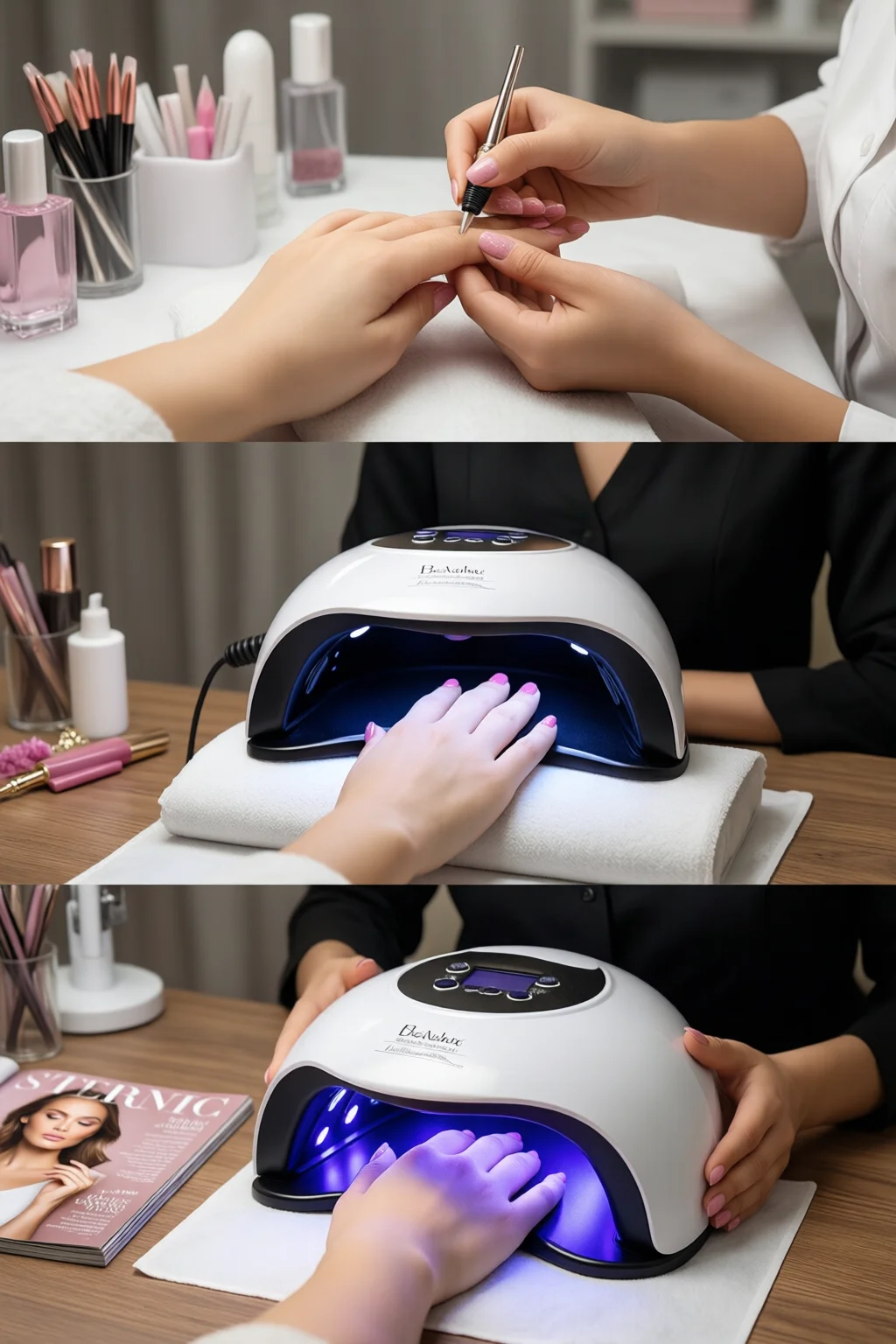
Pro Tips from Our Experience
- Test before you buy: Many retailers offer a 30‑day return policy. Use that window to cure a few of your favorite gels and see if the lamp meets the promised times.
- Match lamp to gel brand: If you’re loyal to a brand like best nail glue or a specific gel line, check the manufacturer’s recommended curing time and ensure the lamp’s wattage can meet it.
- Invest in a timer app: For hybrid lamps with Bluetooth, the companion app lets you set custom cycles for dip powder, gel polish, or acrylic overlays—saving you from manual timer adjustments.
- Use a protective glove: When curing thick layers, a thin nitrile glove can prevent skin irritation without blocking UV/LED light.
- Rotate your lamp: If you run a salon, rotate between two lamps to extend each unit’s life and reduce wear on the LEDs.
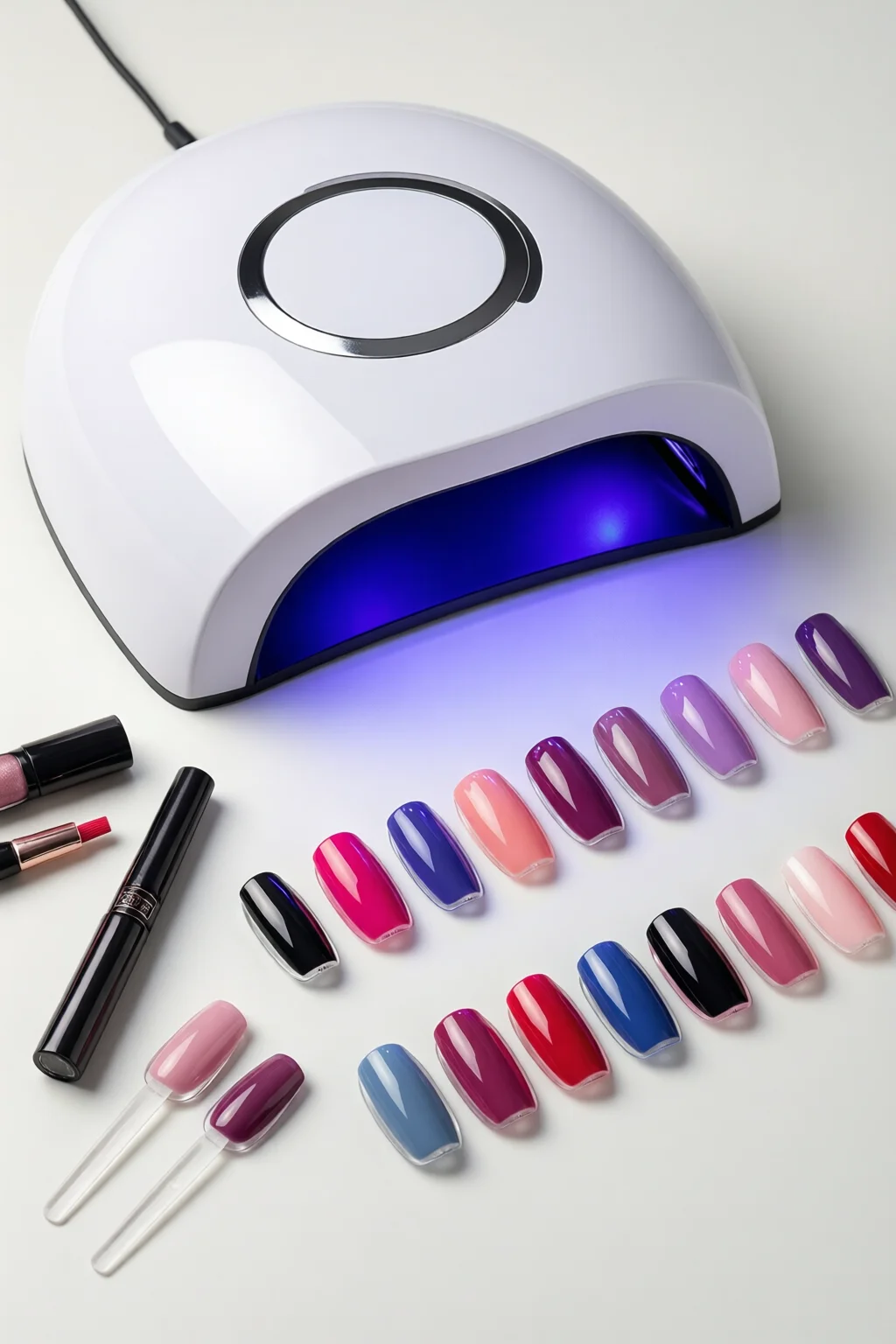
Comparison Table: Quick Reference
| Model | Power (W) | Timer Options | Hybrid (UV/LED) | Price (USD) | Best For |
|---|---|---|---|---|---|
| SUNUV 48W LED | 48 | 10/30/60 s | No | 39.99 | Budget home use |
| Gelish 18‑Second Light | 48 | 18/30/60 s | No | 89.99 | Fast salon work |
| LKE 48W Portable | 48 | 10/30/60 s | No | 69.95 | Mobile technicians |
| MelodySusie 48W Pro | 48 | Custom (5‑120 s) | Yes | 119.00 | Hybrid salons |
| MiroPure Dual‑Door | 48 | 10/30/60 s | No | 99.00 | Hand & foot services |
Frequently Asked Questions
How long should a gel polish be cured?
Standard LED gels cure in 30 seconds at 48 W, while thicker top coats may need 60 seconds. Always follow the gel manufacturer’s guidelines and adjust based on your lamp’s wattage.
Can I use a UV lamp for LED gels?
Most LED gels are specifically formulated for the narrower LED spectrum and may not fully cure under a traditional UV lamp. For consistent results, match the lamp type to the gel formula.
Is it safe to use a nail lamp daily?
Yes, provided the lamp has an automatic shut‑off and you use a broad‑spectrum sunscreen on your hands. Limiting exposure to the recommended curing time reduces any potential skin risk.
What’s the difference between a hand‑only and a dual‑door lamp?
Dual‑door lamps have separate compartments for hands and feet, allowing you to cure both without repositioning the client. Hand‑only models are more compact but require a separate foot lamp if you offer pedicures.
Do I need a lamp with a Bluetooth app?
Bluetooth isn’t essential, but it adds convenience—especially for salons that run multiple stations. You can program custom cycles, receive maintenance alerts, and even sync multiple lamps for simultaneous curing.
Conclusion: Your Actionable Takeaway
Investing in the best nail lamp boils down to three decisions: power, compatibility, and workflow. If you’re a casual home user, the SUNUV 48W offers unbeatable value at under $40. For a fast‑paced salon, the Gelish 18‑Second Light cuts curing time dramatically, while the MelodySusie 48W Pro delivers hybrid flexibility and smart features for the most demanding techs. Remember to match the lamp’s wattage to your gel’s recommended curing time, keep the interior clean, and rotate lamps to extend their lifespan.
Take the next step: pick a lamp from the table that fits your budget and style, test it with your favorite gel, and you’ll notice the difference in polish durability within the first week. Happy curing!