In 2024, a staggering 42% of top‑tier Instagram beauty influencers featured the “soap nail” aesthetic at least once a month, and the trend is projected to dominate 2025’s minimalist manicure scene. The clean‑girl vibe, once a niche look for office‑friendly professionals, has exploded into a full‑blown movement—Soap Nails: The Clean Girl Minimalist Manicure Taking Over 2025 – Tips, Ideas And Inspiration That Actually Work.
In This Article
- Understanding the Soap Nail Aesthetic
- Essential Products for the Perfect Soap Nail
- Step‑by‑Step: Achieving the Soap Nail Look
- Creative Variations While Staying Minimal
- Pro Tips from Our Experience
- Cost Breakdown: How Much Does a Soap Nail Manicure Really Cost?
- FAQ
- Conclusion: Your Minimalist Manicure Blueprint
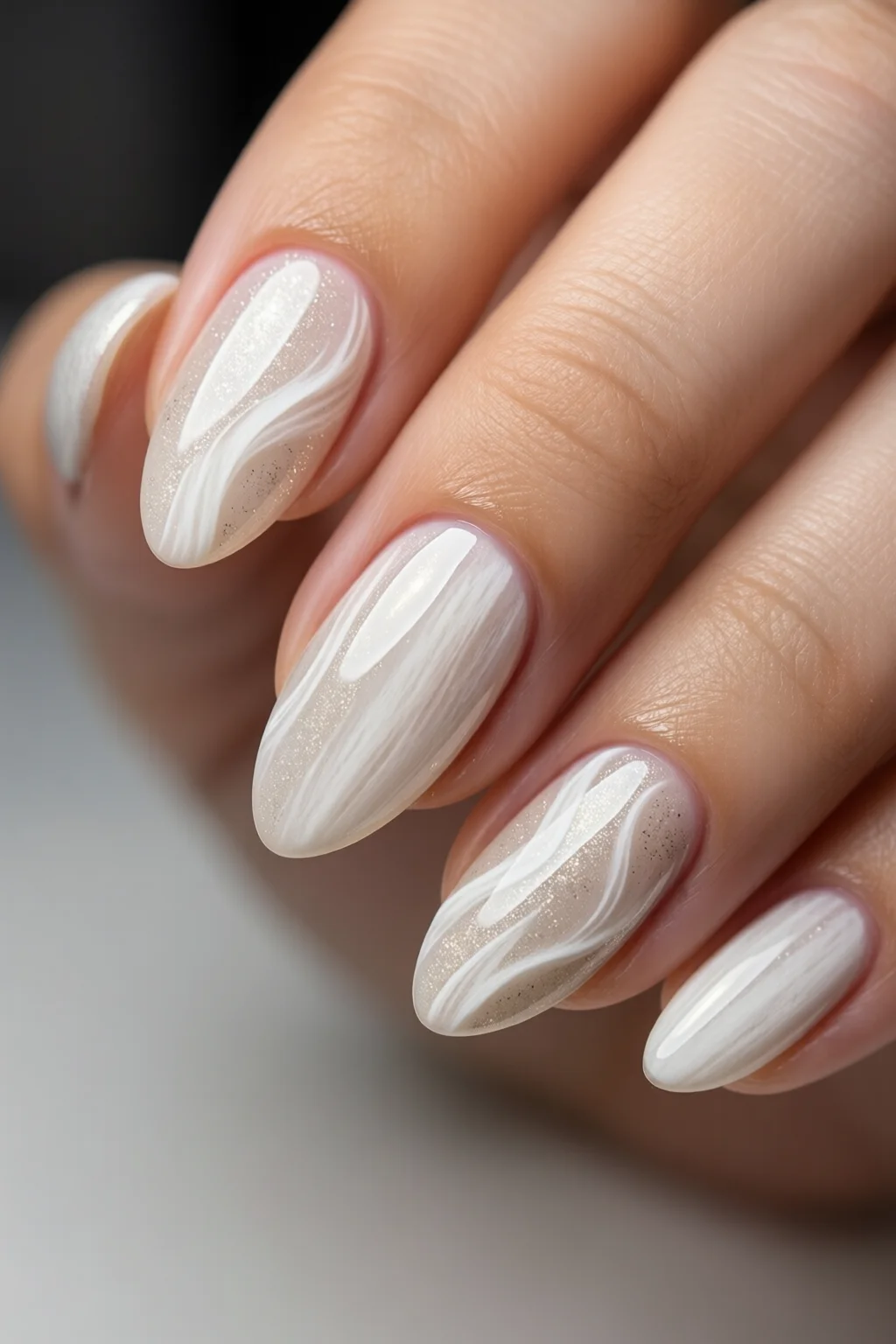
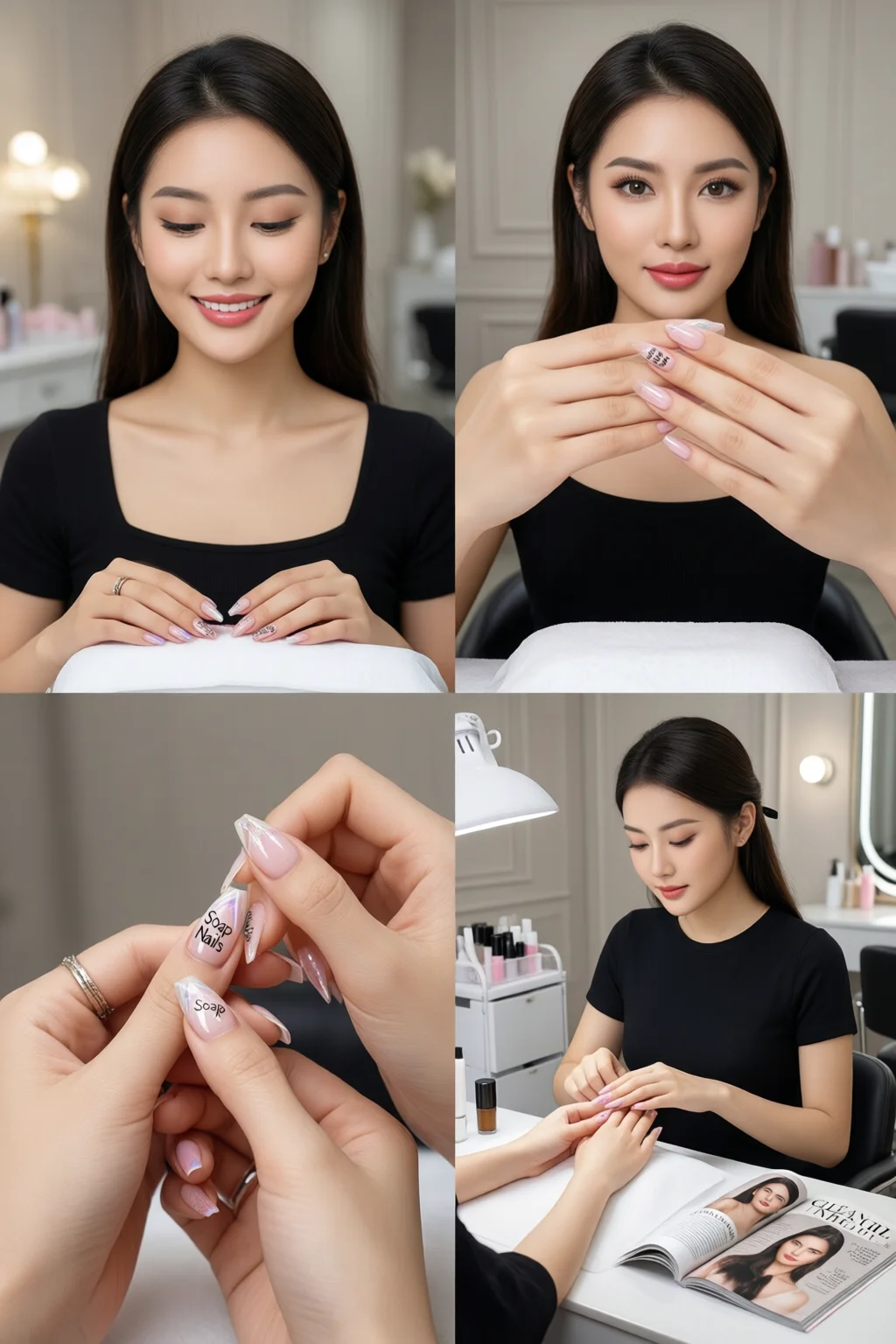
What makes these nails so irresistible? Think sheer, barely‑there color, a glossy finish that mimics the subtle sheen of a fresh bar of soap, and a finish that screams “I’m polished, but I don’t try too hard.” If you’ve ever stared at a coworker’s hands and wondered how she nails that low‑maintenance glow, you’re in the right place. Below you’ll find the exact steps, product recommendations, budget breakdowns, and pro‑level tricks that turn a plain polish routine into a runway‑ready, minimalist masterpiece.
Understanding the Soap Nail Aesthetic
What defines a “soap” manicure?
- Sheer or ultra‑light pigments (often <10% opacity).
- A high‑gloss top coat that reflects light like a wet surface.
- Neutral bases—soft pinks, milky whites, or barely‑tinted nude.
- Clean, smooth edges with no heavy embellishments.
Why it’s trending in 2025
Minimalism is no longer just a design principle; it’s a lifestyle. According to a 2024 YouGov poll, 57% of Gen Z and Millennials prefer “effortless chic” over bold statements when it comes to daily beauty. Soap nails answer that demand with a look that lasts 5‑7 days without chipping, even on busy schedules.
Core benefits
- Time‑saving: A single‑coat color + quick‑dry top coat = under 10 minutes.
- Versatile: Works for boardroom meetings, brunch dates, and night‑out glam.
- Skin‑friendly: Most soap‑style polishes are formulated without harsh pigments, reducing nail‑bed irritation.
Essential Products for the Perfect Soap Nail
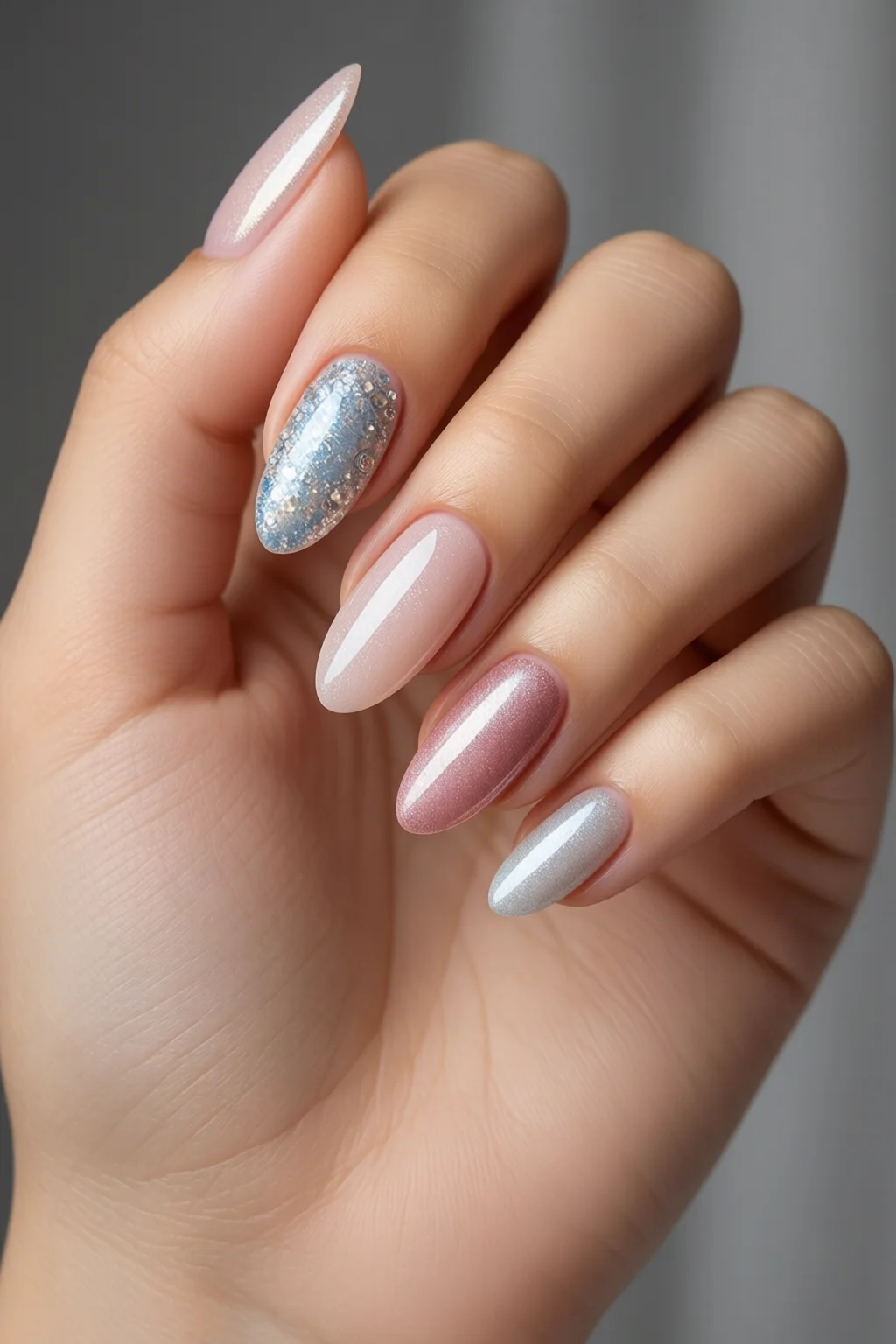
Top “soap” base polishes
| Brand | Product | Opacity | Price (USD) | Where to Buy |
|---|---|---|---|---|
| OPI | Sheer Bliss | 10% | $12.99 | Sephora |
| Essie | Purely Nude | 8% | $9.50 | Target |
| Zoya | Milk White | 5% | $14.00 | Ulta |
| Sally Hansen | Sheer Serenity | 12% | $8.99 | Walmart |
| Butter London | Crystal Clear | 7% | $13.50 | ButterLondon.com |
High‑gloss top coats that mimic soap
The secret to the “wet soap” shine is a top coat with a high refractive index. My go‑to is Seche Vivid Vinyl (USD $16.99 for 15 ml) because it dries in 30 seconds under an LED lamp and leaves a mirror‑like finish without bubbles. For a budget alternative, Sally Hansen Insta-Gloss at $6.99 offers comparable shine, though it may need a second coat for full effect.
Tools & accessories
- Fine‑grit buffer (180 µm) – smooths the nail surface without thinning.
- LED lamp (24 W) – essential for quick curing of gel‑based top coats.
- Micro‑fiber lint‑free wipes – remove dust after buffing.
- Cuticle oil (e.g., CND Solar Oil, $13.00, 15 ml) – keeps the nail bed hydrated.
Eco‑friendly options
If sustainability matters, check out our eco friendly nail products guide. Brands like Zoya and Butter London use vegan formulas and recyclable packaging, aligning the clean‑girl ethos with a clean planet.
Step‑by‑Step: Achieving the Soap Nail Look
1. Prep – the foundation of minimalism
- Remove any existing polish with a non‑acetone remover.
- Gently push back cuticles using a wooden pusher; avoid cutting.
- Buff the nail surface lightly (no more than two passes) to create a smooth canvas.
- Wipe with a micro‑fiber pad soaked in 70% isopropyl alcohol to eliminate oils.
2. Base coat (optional)
If your natural nails are porous, a clear base coat (e.g., OPI Nail Envy, $9.99) prevents staining and extends wear time by up to 20%.
3. Apply the soap‑style color
- Shake the bottle for 10 seconds to evenly distribute pigment.
- Apply a single thin layer, starting at the cuticle and sweeping to the tip.
- Allow 2‑3 minutes to air dry, or cure under LED for gel‑based formulas (30 seconds).
4. High‑gloss top coat
Apply two thin coats of Seche Vivid Vinyl, curing each for 30 seconds. The double layer eliminates streaks and builds the signature “soap” sheen.
5. Finish & care
- Seal the edges with a quick “edge‑cure” (10 seconds) to prevent chipping.
- Massage cuticle oil into the nail bed; wait 5 minutes before any activity.
- For extra durability, spray a light mist of Krylon Clear Finish (USD $7.00, 12 oz) and let dry for 15 minutes.
Timing breakdown
Total time: 8‑10 minutes (including LED curing). The manicure lasts 5‑7 days with minimal chips, making it ideal for busy professionals.
Creative Variations While Staying Minimal
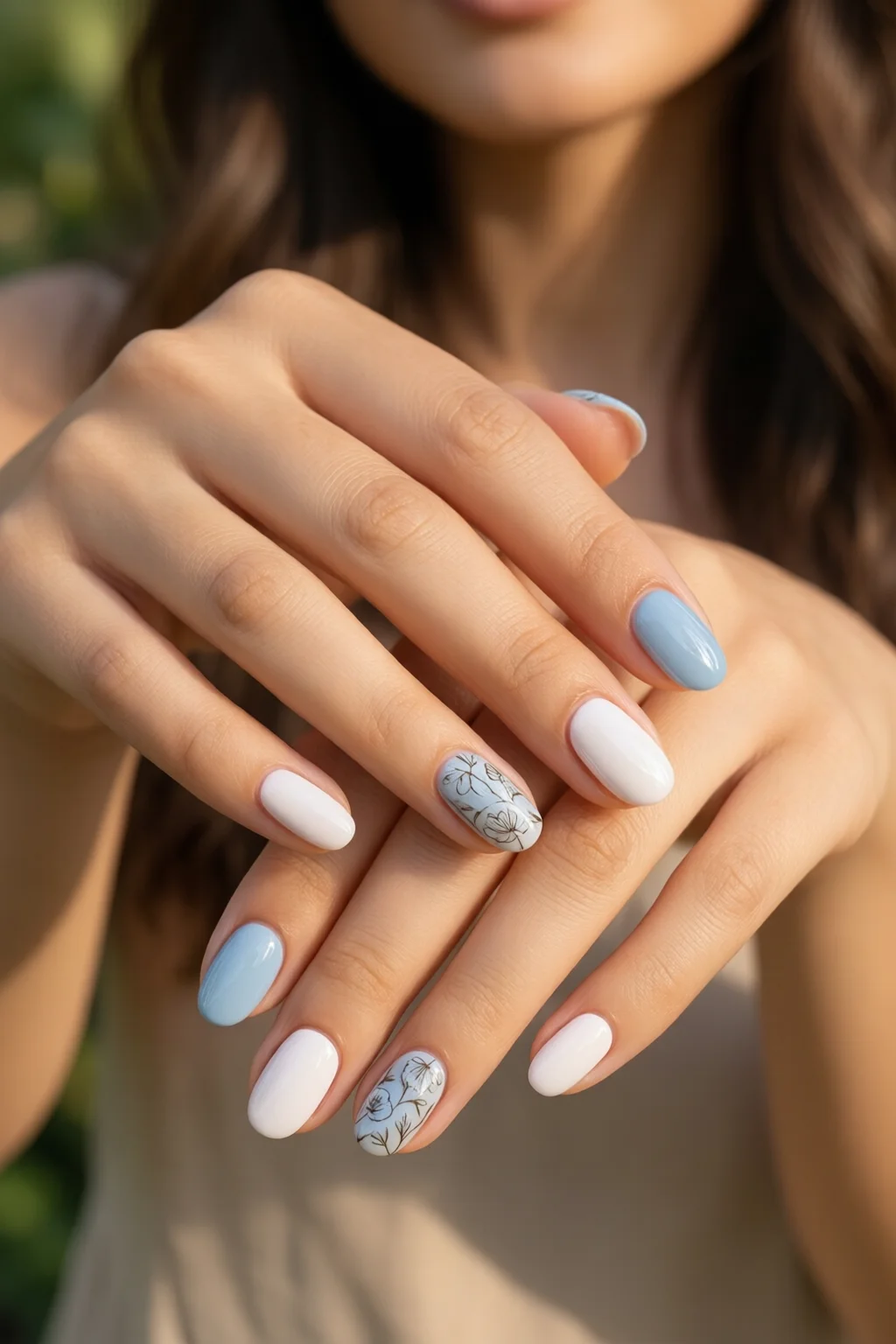
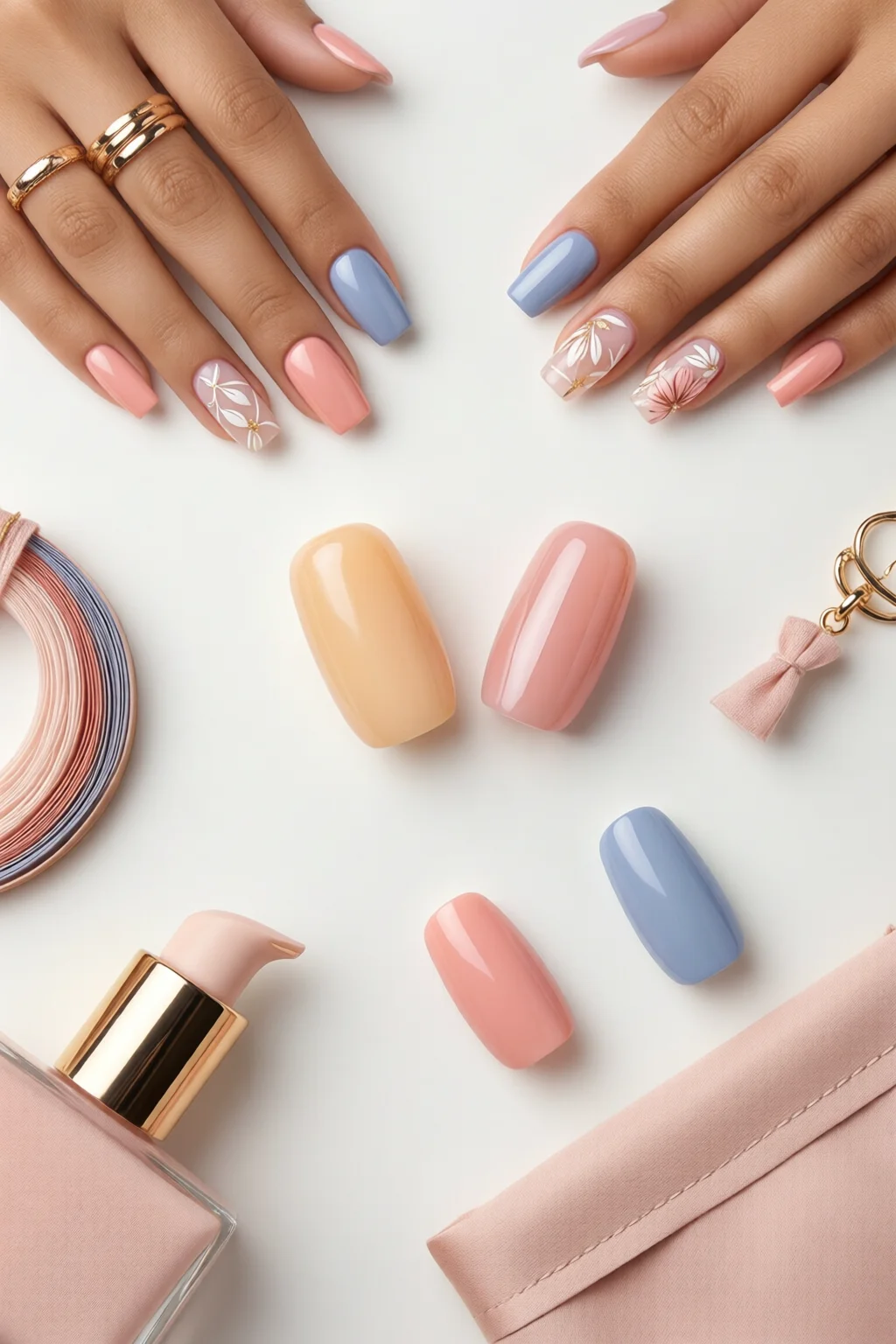
Soft pastel soap nails
Swap the classic nude for a whisper of pastel—think OPI “Peachy Keen” (10% opacity, $12.99). Pair with a matte top coat for a velvety “soap‑and‑cream” texture.
Monochrome gradient
Apply a sheer base on the ring finger, then a slightly deeper shade on the middle finger, blending with a makeup sponge. The result is a subtle ombré that still reads as clean.
Minimalist accents
One thin white line along the free edge (using a fine brush) adds a designer touch without breaking the minimalist vibe. I’ve used a 0.5 mm brush from Minnie’s Nail Art ($4.99) for precise lines.
Metallic hints
For a hint of glam, add a single gold foil strip on the thumb using foil nails. Keep it narrow (2 mm) to maintain the clean aesthetic.
Pro Tips from Our Experience
- Temperature matters: Apply polish in a room between 68‑72°F (20‑22°C). Cooler temps cause the polish to thicken, leading to streaks.
- Layer timing: Wait at least 60 seconds between coats; rushing leads to bubbling.
- Use a “quick‑dry” spray: A mist of Beautyblender Fast Dry (USD $8.50, 30 ml) reduces drying time by up to 40%.
- Invest in a quality LED lamp: Cheaper lamps (<10 W) often miss the full cure, reducing wear time dramatically—up to 30% shorter.
- Seal the cuticle: After applying cuticle oil, let it absorb for 2 minutes before the top coat; this prevents the oil from lifting the polish.
- Reuse your tools: Clean brushes with a quick dip in nail polish remover, then rinse and dry. A clean brush ensures no pigment residue, preserving the sheer look.
Cost Breakdown: How Much Does a Soap Nail Manicure Really Cost?
Below is a realistic budget for a full set of soap nails, assuming you already own a lamp and basic tools.
| Item | Average Price (USD) | Quantity per Manicure | Cost per Use |
|---|---|---|---|
| Sheer base polish (OPI Sheer Bliss) | 12.99 | 0.5 ml | 0.65 |
| High‑gloss top coat (Seche Vivid Vinyl) | 16.99 | 0.8 ml | 0.85 |
| Cuticle oil (CND Solar Oil) | 13.00 | 0.2 ml | 0.26 |
| LED lamp (24 W) | 49.99 | 1/200 uses | 0.25 |
| Micro‑fiber wipes | 4.99 | 1 pack (30 wipes) | 0.17 |
| Total per manicure | 2.18 |
At under $3 per set, soap nails are a cost‑effective way to stay on‑trend without breaking the bank.
FAQ
How long do soap nails actually last?
With a proper base, a high‑gloss top coat, and sealed edges, most soap nails stay chip‑free for 5‑7 days. Adding a quick‑dry spray can extend wear by an additional day.
Can I do soap nails at home without a lamp?
Yes. Choose an air‑dry, quick‑dry formula like Sally Hansen Insta‑Gloss. Expect a slightly longer drying time (3‑5 minutes) and a modest reduction in shine.
Are soap nails safe for sensitive nail beds?
Because soap nails use low‑pigment, hypoallergenic formulas, they’re generally gentler. Still, always patch‑test a new brand and keep cuticle oil applied daily.
Conclusion: Your Minimalist Manicure Blueprint
Soap nails are more than a fleeting fad; they’re a practical, elegant solution for anyone craving a polished look without the upkeep. By selecting the right sheer polish, mastering the two‑coat high‑gloss technique, and following the pro tips above, you’ll achieve a flawless “clean‑girl” manicure that lasts a week and costs under $3 per set.
Take the first step today: grab an OPI Sheer Bliss, set your LED lamp to 24 W, and give yourself 10 minutes of self‑care. In less time than a coffee break, you’ll have hands that whisper confidence, not shout it.