
Ever wondered how to turn a simple manicure into a whimsical meadow that feels straight out of a storybook?
In This Article
What You Will Need (Before You Start)
- Base coat – Seche Vite Gel Primer (≈ $14, 15 ml) or Sally Hansen Hard as Nails (≈ $8, 30 ml).
- Pastel nail polishes – OPI “Alpine Snow” ($12, 15 ml), Essie “Ballet Slippers” ($10, 15 ml), Zoya “Pastel Pink” ($13, 15 ml). Choose at least two shades for layering.
- Fine‑line brush (size 0 or 00) – a basic Kupa brush costs about $6.
- Dotting tool or a 1 mm nail art pen – any of the China Glaze “Nail Art Dotting Tools” set ($7).
- Striping tape or thin nail stickers – a pack of 12 strips is roughly $4.
- Top coat – OPI “Top Coat” ($12, 15 ml) or a quick‑dry gel top from Model Studio ($15, 15 ml).
- Cuticle oil – Burt’s Bees “Coconut & Vitamin E” (≈ $6, 15 ml) to keep the nail bed hydrated.
- Optional: UV/LED lamp (if using gel base/top) – a 48 W lamp runs about $30.
- Paper towels, cotton pads, and a gentle nail polish remover (Zoya “Brush‑On Remover”, $9).
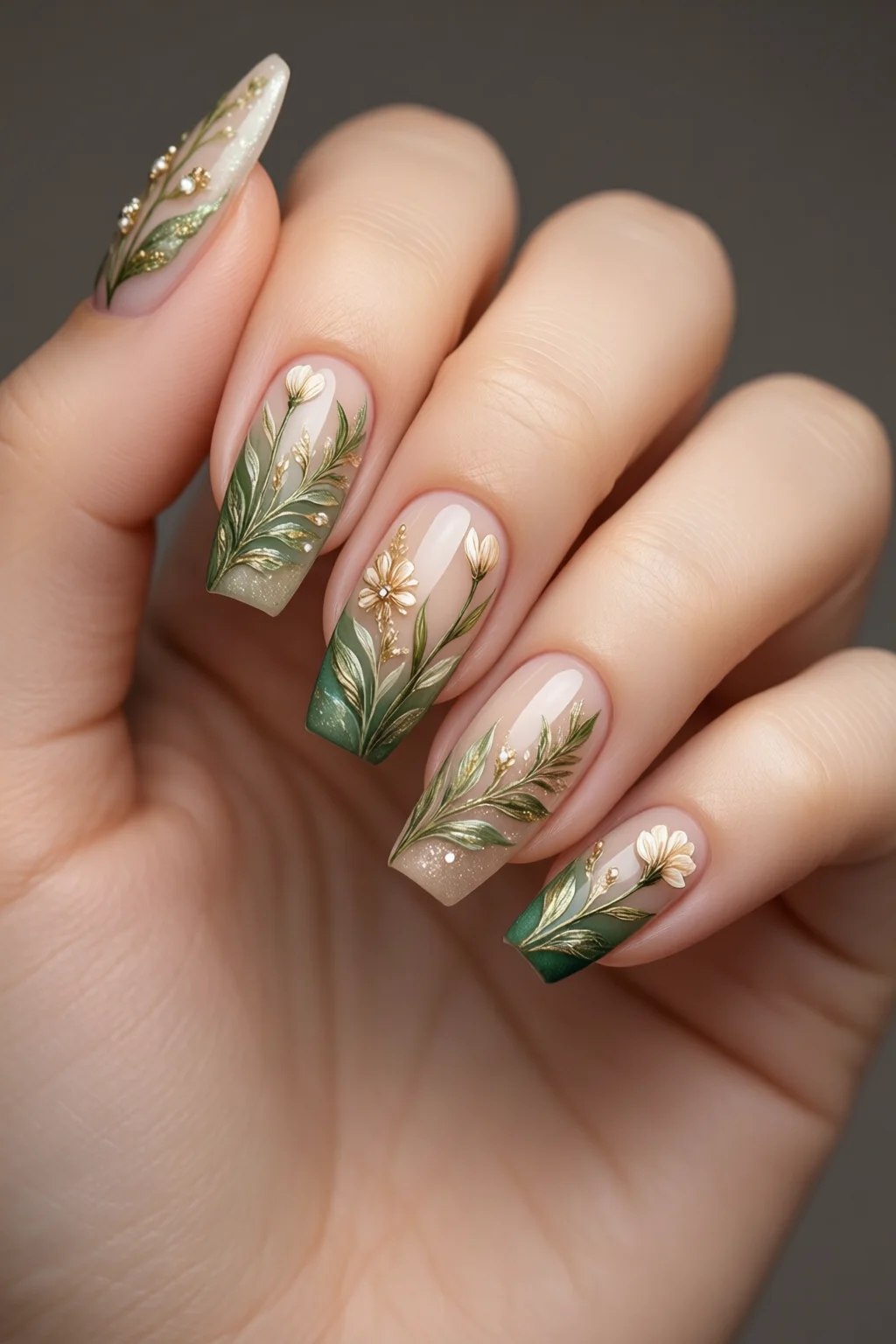
Step 1: Clean, Shape, and Prep Your Nails
Start with a clean canvas. Remove any old polish using the brush‑on remover; it leaves less residue than acetone and protects the nail plate. Push back cuticles with an orange‑stick, then trim to your desired length (usually 1.5–2 mm beyond the fingertip for a classic cottage vibe). File each nail in one direction using a 180‑grit file to avoid micro‑splits. A smooth surface is essential because cottagecore nails rely on delicate details that show up best on an even base.
In my experience, a quick soak in warm, soapy water for 60 seconds softens the skin and reduces the chance of lifting later. Pat dry, then apply a thin layer of cuticle oil. Let it absorb for 2 minutes before moving on.
Step 2: Base Coat & Choose a Soft Palette
Apply a thin, even coat of your chosen base. If you’re using a gel base, cure under the lamp for 30 seconds; otherwise, let the regular base air‑dry for 2–3 minutes. The base protects the natural nail and creates a smooth surface for pastel pigments.
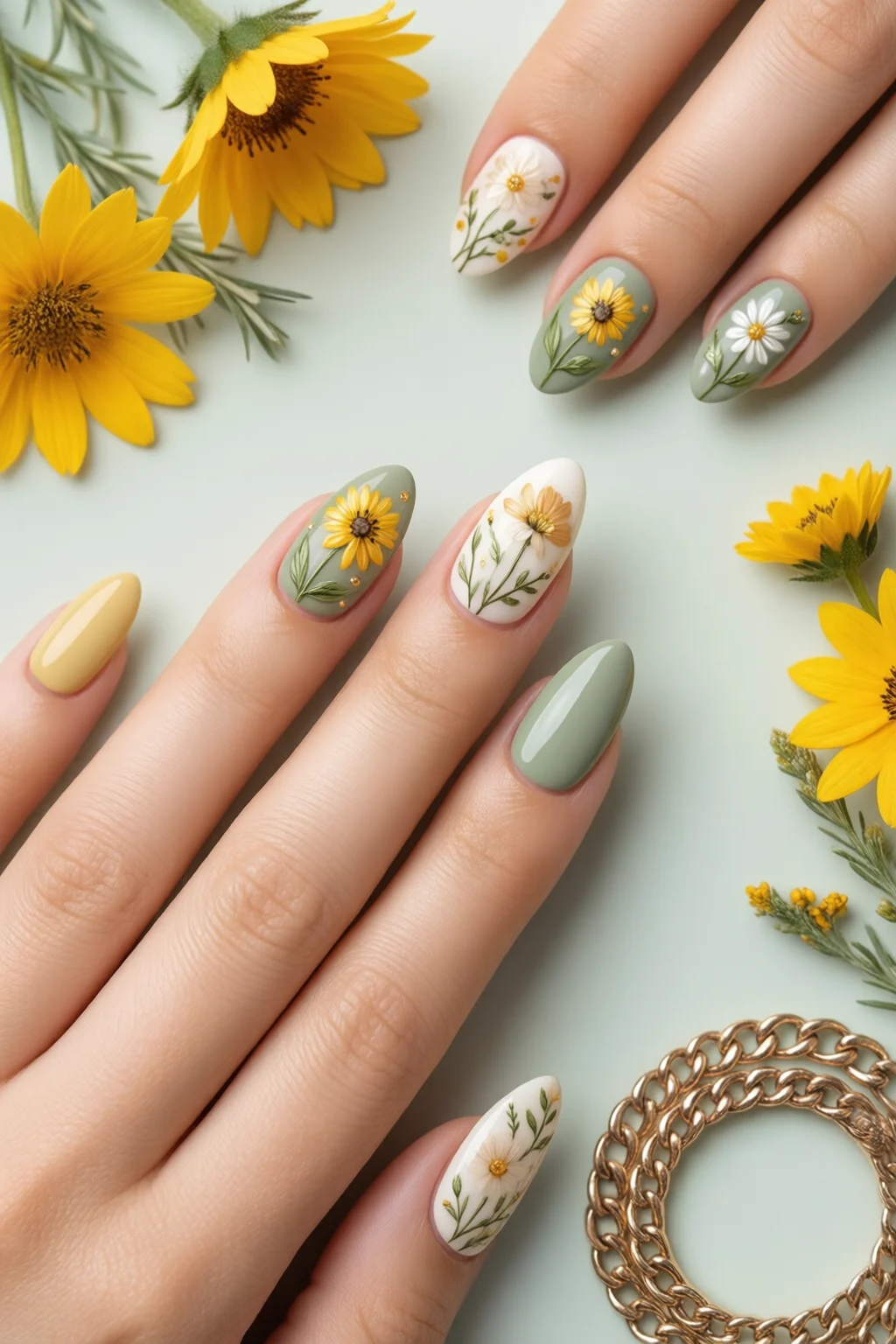
When selecting colors for cottagecore nails, think of sunrise fields, wildflowers, and weathered wood. A classic combo is a muted sage green (Essie “Mellow Meadow” – $10) as the background with a creamy peach (OPI “Alpine Snow”) for tips. For a monochrome look, use a single pastel (e.g., Zoya “Pastel Pink”) and add white accents.
Apply the first pastel shade in two thin layers, allowing 2 minutes of drying time between coats. Thin layers prevent bubbling and reduce the need for excessive sanding later.
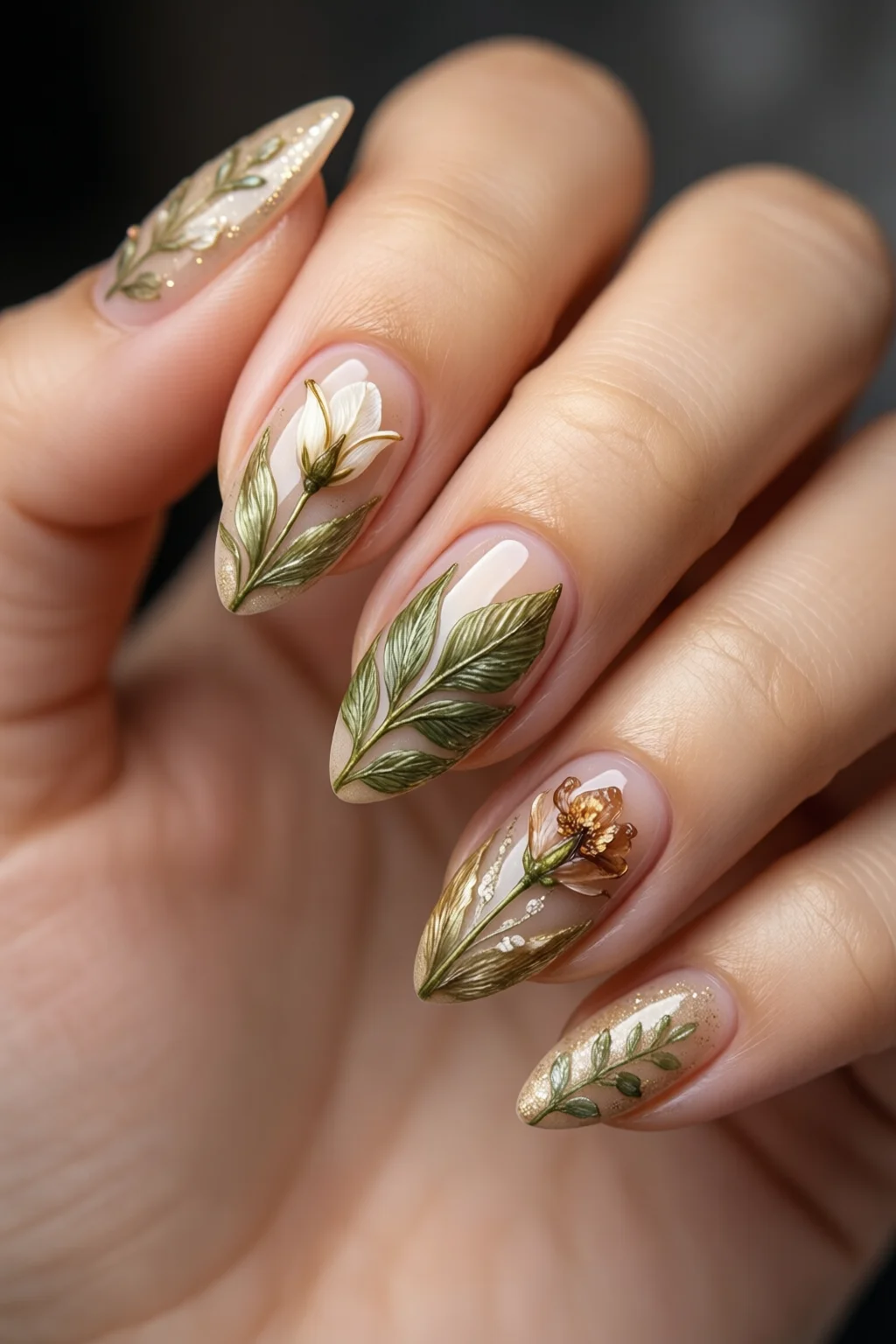
Step 3: Create the Cottagecore Motif
Now the fun part: adding the nature‑inspired details that define cottagecore nails. You’ll work with three basic elements—floral silhouettes, tiny vines, and subtle speckles.
3.1. Background Wash (Optional)
If you want a watercolor effect, dab a very light wash of a complementary pastel using a damp sponge. For example, a whisper of sky‑blue (Zoya “Pastel Blue”) over a sage base adds depth. Let it dry fully (about 5 minutes) before proceeding.
3.2. Floral Silhouettes
Dip the fine‑line brush in a contrasting pastel—white (OPI “Top Coat” used as a white polish) works beautifully on sage. Sketch tiny five‑petal daisies or single‑stem poppies near the cuticle or at the nail tip. Keep the strokes under 2 mm; the miniature scale is what gives the design its cottage charm.
One mistake I see often is using too much pressure, which creates thick blobs that look more like cartoon flowers than delicate blooms. Light, feathery strokes are key.
3.3. Vines & Leaves
Using the dotting tool, create tiny green dots (Zoya “Pastel Green”) along a curved line to mimic a vine. Connect the dots with a thin brush stroke in a slightly darker shade (Essie “Mossy Meadow”). Add a single leaf shape at the end of each vine using the same fine‑line brush.
3.4. Speckle Texture
For a weathered, vintage feel, lightly tap a toothbrush loaded with a small amount of white polish over the nail. The speckles should be sparse—about 10–15 speckles per nail—to evoke the look of frosted petals.
Allow each layer to set for at least 2 minutes. If you’re using a gel top, a quick 30‑second cure after each detail prevents smudging.
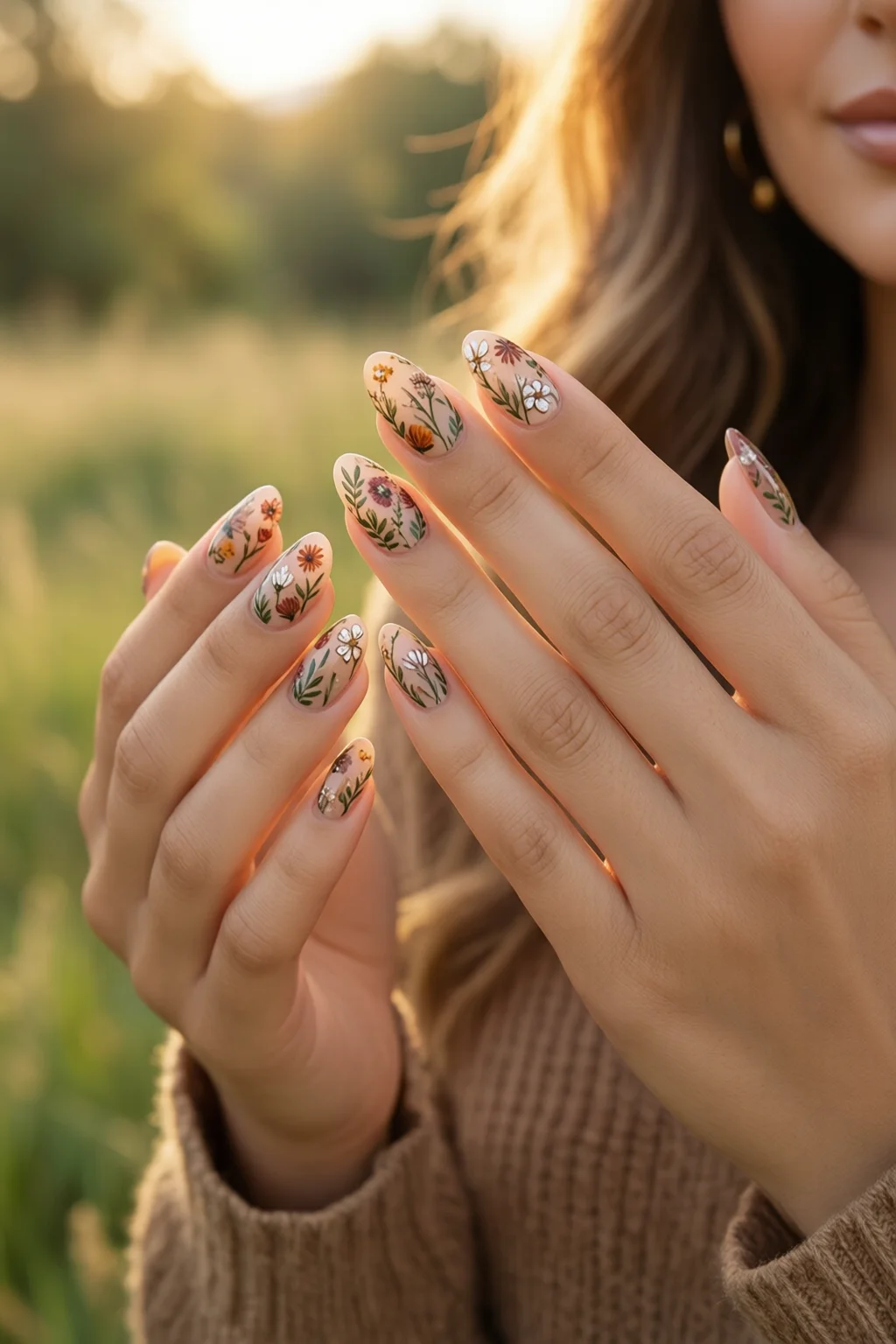
Step 4: Seal, Shine, and Finish
Once all artistic elements are dry, apply a generous top coat. For a glossy cottagecore finish, OPI “Top Coat” provides a high‑sheen that lasts up to 10 days without chipping. If you prefer a matte look, try the “Matte It!” top coat from Essie ($12, 15 ml) and follow with a quick 30‑second cure under the lamp.
Cap the manicure with a final swipe of cuticle oil to keep the surrounding skin supple. Your cottagecore nails are now ready for a stroll through a garden, a tea party, or a cozy day at home.
Common Mistakes to Avoid
- Overloading the brush. Too much polish on the fine‑line brush creates thick lines that lose the delicate aesthetic. Load the tip lightly and wipe excess on a tissue.
- Skipping the base coat. Without a proper base, pastel colors can stain the natural nail, especially with pigmented shades like OPI “Alpine Snow”.
- Rushing drying times. Each thin layer needs at least 2 minutes to set; otherwise, the design may lift or blur.
- Using the wrong top coat. A glitter top coat will overwhelm the subtle palette. Stick to clear glossy or matte finishes.
- Ignoring nail health. Frequent sanding or harsh removers weaken the plate. Use a gentle brush‑on remover and limit filing to one direction.
Troubleshooting & Pro Tips for Best Results
Issue: Design smudges during the final top coat.
Solution: Cure each artistic layer with a LED lamp (30 seconds) before applying the top coat. This locks the pigment in place.
Issue: Pastel colors appear dull on light skin tones.
Solution: Add a thin metallic sheen using a pearlized top coat (e.g., Seche Vite Pearl) over the pastel for a subtle glow.
Tip: For a coordinated look with other cottagecore trends, pair your nails with soft, earth‑tone outfits and a loose braid hairstyle. The aesthetic extends beyond the fingertips.
Tip: If you love seasonal touches, swap the floral motifs for tiny acorns in autumn or tiny pumpkins for a Halloween twist—just keep the palette muted. Check out our fall nail trends for inspiration.
Tip: When traveling, pack a mini version of each product in a 15 ml travel set. The compact size reduces breakage and saves space in a carry‑on.
Summary
Creating cottagecore nails is less about complex patterns and more about capturing the serene, nature‑infused vibe of a pastoral dream. With a soft pastel base, tiny hand‑painted flowers, delicate vines, and a protective top coat, you can achieve a look that feels both timeless and fresh. Remember to prep properly, work in thin layers, and protect your artwork with a quality top coat. In just 45–60 minutes you’ll have a manicure that invites compliments and transports you to a quiet meadow—no matter where you sit.
What colors work best for cottagecore nails?
Soft pastels like sage green, muted peach, dusty rose, sky blue, and creamy ivory create the gentle, nature‑inspired palette typical of cottagecore nails.
Can I use regular polish instead of gel for this design?
Yes. A high‑quality regular polish (e.g., OPI, Essie, Zoya) works fine as long as you apply thin layers and allow adequate drying time between each step.
How long will cottagecore nails last?
With a proper top coat and minimal exposure to harsh chemicals, the design can last 7–10 days. Using a gel top coat extends durability to 14 days.
Do I need special tools for the tiny floral details?
A fine‑line brush (size 0/00), a dotting tool, and striping tape are sufficient. These tools are inexpensive and reusable for multiple designs.
Where can I learn more about related nail trends?
Explore articles on korean nail art, fall nail trends, and Halloween nail art for broader inspiration.