
Ever wondered why your cuticles look dry, ragged, or even bleed despite using a moisturizer every night? The truth is, a proper cuticle care routine isn’t just about slapping on a cheap cream and calling it a day—it’s a series of precise steps, tools, and products that work together to keep the skin around your nails healthy, flexible, and ready for any polish you throw at it.
In This Article
- Understanding Your Cuticles
- Essential Tools for a Cuticle Care Routine
- Step‑by‑Step Daily Cuticle Care Routine
- Common Mistakes and How to Avoid Them
- Product Comparison: Top 4 Cuticle Care Sets
- Pro Tips from Our Experience
- Frequently Asked Questions
- Conclusion: Your New Cuticle Care Routine in One Sentence
In my ten‑plus years as a nail technician, I’ve seen clients transform their nail health simply by tweaking one tiny habit: how they treat their cuticles. Below is the most thorough, battle‑tested cuticle care routine you’ll find online, complete with product recommendations, price points, and the science behind every move.
Understanding Your Cuticles
What Cuticles Do
The cuticle is a thin rim of skin that protects the nail matrix—the area where new nail cells are produced—from bacteria and debris. Think of it as a natural seal. When this seal is intact, you’re less likely to develop infections, ridges, or weak nails. A healthy cuticle also provides a smooth canvas for polish, preventing premature chipping.
Signs of Unhealthy Cuticles
Look for any of these red flags:
- Dry, flaky skin that peels away in tiny strips.
- Cracks or splits that bleed.
- Excessive redness or swelling—possible infection.
- Uneven, jagged edges that catch on clothing.
If you notice more than one, it’s time to overhaul your cuticle care routine.

Essential Tools for a Cuticle Care Routine
Cuticle Cutters vs. Nippers
Professional salons favor a small, stainless‑steel cutter (about 1 cm long) for precise trimming of overgrown cuticles. Nippers—those tiny, scissor‑like tools—are better for removing hangnails. In my studio, I keep a KISS Professional Cuticle Cutter on hand; it retails for $9.99 and never rusts.
Cuticle Pushers and Buffers
A wooden cuticle pusher (≈6 inches long) gently separates the cuticle from the nail plate without tearing. Pair it with a fine‑grit buffer (180‑220 grit) to smooth the nail surface after pushing. I use the SoftWood Pro Pusher at $4.50 and the NailPro Buffer 180 for $7.20.
Moisturizers and Oils
Look for cuticle oils that contain jojoba, vitamin E, and almond oil—these ingredients mimic the skin’s natural sebum. My go‑to is OPI Pro Spa Nail & Cuticle Oil, a 10 ml bottle at $12.99 that absorbs in under 30 seconds. For a budget option, the Essie Cuticle Oil (15 ml, $8.95) works well, though it’s a bit thicker.
Step‑by‑Step Daily Cuticle Care Routine
Morning Prep: Clean, Hydrate, Protect
1. Wash hands with lukewarm water and a gentle, sulfate‑free soap—avoid harsh antibacterial washes that strip natural oils.
2. Pat dry with a lint‑free towel; excess moisture can weaken the cuticle.
3. Apply a thin layer of cuticle oil (≈0.5 ml) and massage for 30 seconds. The massage stimulates blood flow, delivering nutrients to the nail matrix.
4. Finish with a lightweight hand cream—L’Occitane Shea Butter Hand Cream (30 ml, $14.00) is perfect because it contains shea and honey, sealing in the oil without a greasy feel.
Evening Maintenance: Repair and Nourish
1. Remove any polish with an acetone‑free remover (e.g., Zoya Remove+, $9.50 per 120 ml). Acetone dries out cuticles quickly.
2. Soak fingertips in a warm (not hot) bowl of water mixed with 1 tsp of olive oil for 2 minutes. This softens the cuticle for easier manipulation.
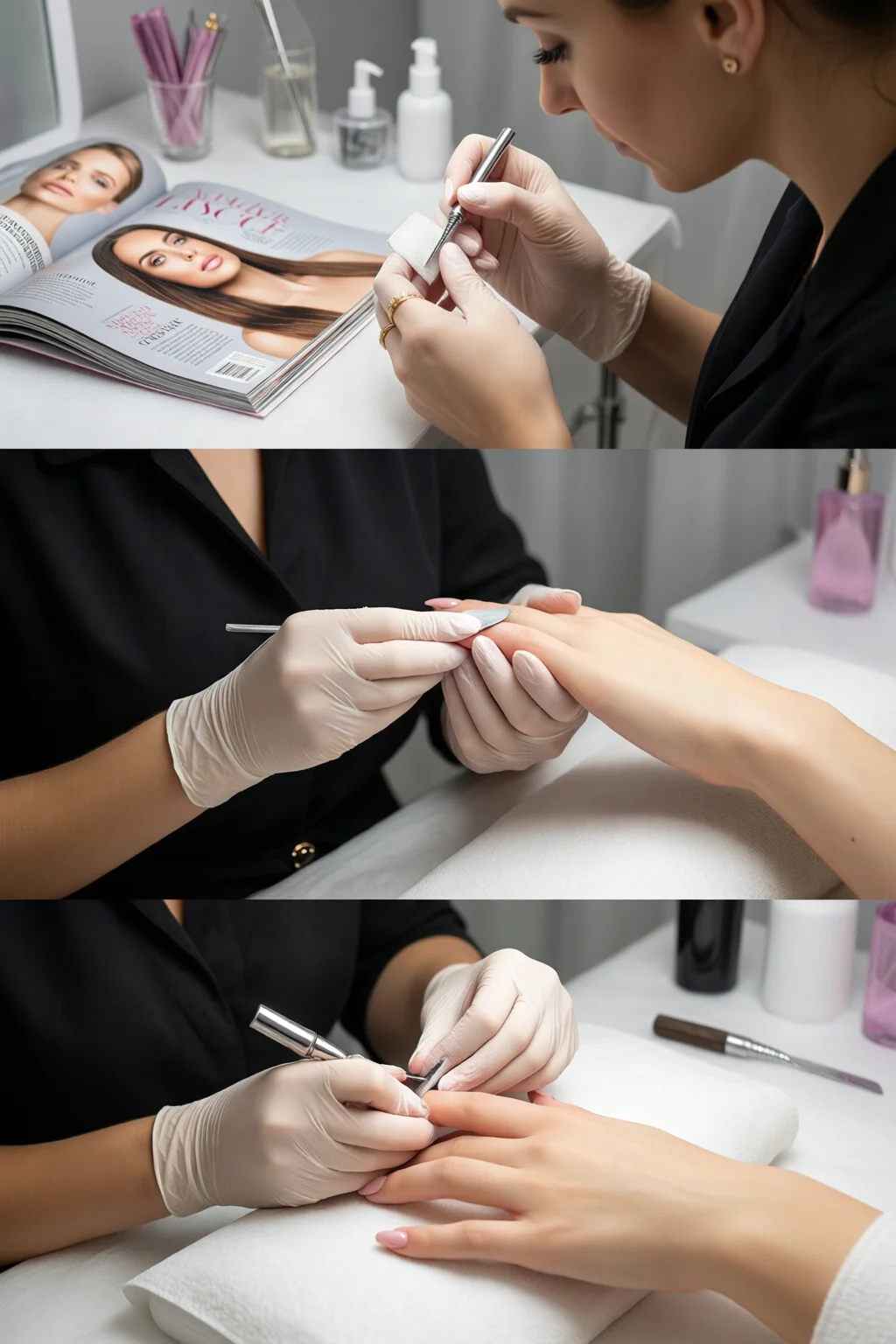
3. Gently push back the cuticle using your wooden pusher. No force—just a light glide.
4. Apply a richer night‑time oil blend: 1 ml of Sally Hansen Cuticle Nourishing Oil (12 ml, $7.99) mixed with a dab of Vitamin E capsule (crush one capsule). This creates a barrier that works while you sleep.
Weekly Deep Treatment: Exfoliate and Strengthen
Once a week, give your cuticles a spa‑like session:
- Exfoliation: Mix 1 tsp of sugar with 1 tsp of coconut oil. Gently massage around the cuticle for 1 minute, then rinse.
- Soaking: Fill a bowl with warm water, add 2 tbsp of Epsom salt and a few drops of lavender essential oil. Soak for 5 minutes to reduce inflammation.
- Mask: Pat a thin layer of Shea Butter & Aloe Vera Cuticle Mask (DIY: 1 tsp shea butter + ½ tsp aloe gel) and leave on for 10 minutes before rinsing.
These steps slough away dead skin, smooth the nail plate, and lock in moisture for up to 72 hours.
Common Mistakes and How to Avoid Them
Over‑cutting
One mistake I see often is snipping the cuticle too close to the nail bed. This creates an opening for bacteria. The rule of thumb: never cut more than 1 mm beyond the visible white edge. If you must trim, do it after a soak when the skin is soft.
Using Harsh Chemicals
Acetone, bleach, and even some nail polish removers can strip the cuticle’s natural oils. Switch to acetone‑free removers and limit exposure to cleaning agents—wear gloves when doing dishes or gardening.
Ignoring Nutrition
Cuticles reflect internal health. Low biotin, iron, or zinc levels can cause brittle, cracked skin. Incorporate a daily multivitamin with at least 2,500 µg of biotin and 18 mg of zinc. In my own diet, I add a tablespoon of ground flaxseed to smoothies for omega‑3 fatty acids that keep skin supple.
Neglecting Hand Hygiene
Frequent hand washing without re‑moisturizing leads to a “dry‑and‑crack” cycle. Keep a travel‑size bottle of cuticle oil (e.g., Maybelline Cuticle Oil 5 ml, $4.99) in your bag and reapply after every wash.
Product Comparison: Top 4 Cuticle Care Sets
| Set | Included Items | Key Ingredients | Price (USD) | Best For |
|---|---|---|---|---|
| OPI Pro Spa Deluxe | Cuticle Oil (10 ml), Cuticle Cream (15 ml), Wooden Pusher | Jojoba, Vitamin E, Shea Butter | $24.99 | Salon‑level hydration |
| Sally Hansen Cuticle Kit | Cuticle Oil, Cuticle Remover, Mini Buffer | Almond Oil, Vitamin E | $16.50 | Budget‑friendly beginners |
| Essie Nail & Cuticle Set | Cuticle Oil (15 ml), Hand Cream (30 ml), Nail File | Olive Oil, Vitamin C | $19.75 | All‑in‑one travel kit |
| DIY Kitchen Mix | Olive Oil, Honey, Sugar Scrub | Natural Antioxidants | $3.20 (ingredients) | Eco‑conscious DIY lovers |
My personal favorite? The OPI Pro Spa Deluxe set. It’s a bit pricier, but the combination of jojoba and shea butter keeps my cuticles soft for up to a week, saving me time and extra product.
Pro Tips from Our Experience
Layering Oils for Maximum Absorption
Apply a lightweight oil first (e.g., OPI Pro Spa) and follow with a thicker cream (L’Occitane). The oil penetrates the skin, while the cream locks in the moisture—think of it as a two‑step moisturizer for your cuticles.
Temperature Matters
Warm (not hot) water opens pores, making push‑backs smoother. I keep my water at 38 °C (100 °F) using a kitchen thermometer. Anything hotter can cause the cuticle to over‑expand and crack.
Integrate Cuticle Care with Nail Health
When you’re already working on best long lasting nail polish, remember that a strong base coat protects the nail plate, reducing the need for aggressive cuticle work. I always start with OPI Nail & UV Safe Base Coat ($11.95, 10 ml).
Seasonal Adjustments
In winter, increase oil application to twice daily; in summer, a single application after sun exposure is enough. The skin loses up to 30 % more moisture in cold, dry climates.
Mind the Cuticle Remover
Only use a cuticle remover (e.g., IBD Cuticle Remover, $9.75) when you have thick, overgrown cuticles. Apply a thin layer, wait 2 minutes, then gently wipe away with a cotton pad. Overuse can thin the protective barrier.
Frequently Asked Questions
How often should I push back my cuticles?
Push back only after a warm soak and never more than twice a week. Over‑pushing can damage the cuticle seal.
Can I use the same cuticle oil on my face?
Yes, if the oil is fragrance‑free and contains non‑comedogenic ingredients like jojoba. Test on a small patch first.
What’s the best way to prevent hangnails?
Keep your hands moisturized, avoid biting, and use a gentle nail file rather than a metal file. For habit‑breakers, see how to stop biting nails.
Are there specific foods that improve cuticle health?
Biotin‑rich foods (eggs, almonds), iron (spinach, lentils), and omega‑3s (salmon, flaxseed) support skin elasticity and reduce cracking.
Conclusion: Your New Cuticle Care Routine in One Sentence
Clean, hydrate, and protect your cuticles daily with a brief oil massage, push back gently after a warm soak, and give them a weekly exfoliation‑and‑mask session—plus the right tools and a dash of nutrition—and you’ll see stronger, smoother nails in just two weeks.
3 thoughts on “How to Cuticle Care Routine (Expert Tips)”