
When my mother turned 52, she started complaining that her nails felt “brittle” and her cuticles looked “dry as desert sand.” I watched her grab any cheap polish she could find, only to see chips within days and a growing yellow tint at the tips. After a few weeks of trial and error—and a lot of research—I put together a routine that transformed her nails from frail to fabulous. If you’re over 50 and want the same results, this guide will walk you through everything you need to know for optimal nail care over 50.
In This Article
- What You’ll Need (Before You Start)
- Step 1: Clean Slate – Remove Old Products & Disinfect
- Step 2: Trim & Shape – Respect the Natural Curve
- Step 3: Hydrate the Cuticles – The Secret Weapon
- Step 4: Strengthen the Nail Plate – Base Coat Magic
- Step 5: Color & Finish – Choose Wisely
- Step 6: Hand & Nail After‑Care – Lock in Moisture
- Common Mistakes to Avoid
- Troubleshooting & Tips for Best Results
- Summary
What You’ll Need (Before You Start)
- Gentle nail cleanser – e.g., Debra 3-in-1 Nail Cleaner (30 ml, $8.99). Avoid acetone‑heavy formulas that strip natural oils.
- Cuticle oil – Burt’s Bees Lemon Butter Cuticle Cream, 15 ml, $6.95. Look for jojoba or almond oil for deep hydration.
- Buffer block – 3‑side, fine grit, $4.50 at Sally Beauty.
- Strengthening base coat – OPI Nail Envy, 15 ml, $12.00. Contains calcium and vitamin E.
- Top coat with UV protection – Essie Gel Couture Top Coat, 15 ml, $10.99. Prevents yellowing from sunlight.
- Fine‑grit nail file – 180‑grit, $2.99.
- Moisturizing hand cream – L’Occitane Shea Butter Hand Cream, 100 ml, $28.00.
- Optional supplement – biotin‑rich nail vitamins, 30 caps, $19.99 for a month’s supply.
Having these items on hand will keep you from improvising mid‑routine, which is a common cause of inconsistent results.
Step 1: Clean Slate – Remove Old Products & Disinfect
Begin by soaking your nails in a bowl of lukewarm water mixed with a teaspoon of Epsom salt for 3 minutes. This softens the nail plate and cuticles without harsh chemicals. Pat dry with a lint‑free towel.
Apply Debra 3‑in‑1 Nail Cleaner using a cotton pad, gently wiping each nail from tip to cuticle. This removes residual polish, oils, and potential fungal spores. If you suspect nail fungus, add a drop of tea tree oil (2%) to the cleanser.
Step 2: Trim & Shape – Respect the Natural Curve
Using the 180‑grit file, trim any ragged edges. For seniors, a slightly shorter length (around 2 mm beyond the fingertip) reduces breakage risk. File in one direction—never saw back and forth—to prevent micro‑splits.
Round the corners slightly to avoid snagging on fabrics. This simple shape reduces stress on the nail plate, especially important as keratin production slows after 50.
Step 3: Hydrate the Cuticles – The Secret Weapon
Massage Burt’s Bees Lemon Butter Cuticle Cream into each cuticle for 30 seconds. The blend of jojoba and almond oil penetrates the eponychium, restoring elasticity. In my experience, doing this twice daily (morning and night) cuts dry cuticle complaints by roughly 70% within two weeks.
For a quick boost, soak a cotton ball in the oil and wrap it around each fingertip for 5 minutes while you sip tea. This “cuticle sauna” technique speeds absorption without the need for a heated lamp.
Step 4: Strengthen the Nail Plate – Base Coat Magic
Apply a thin layer of OPI Nail Envy to each nail, allowing 2 minutes to dry. This base coat forms a protective barrier and infuses calcium into the nail matrix. For extra reinforcement, repeat the coat after 24 hours; the cumulative effect adds up to a 15% increase in nail hardness, according to the brand’s clinical data.
Step 5: Color & Finish – Choose Wisely
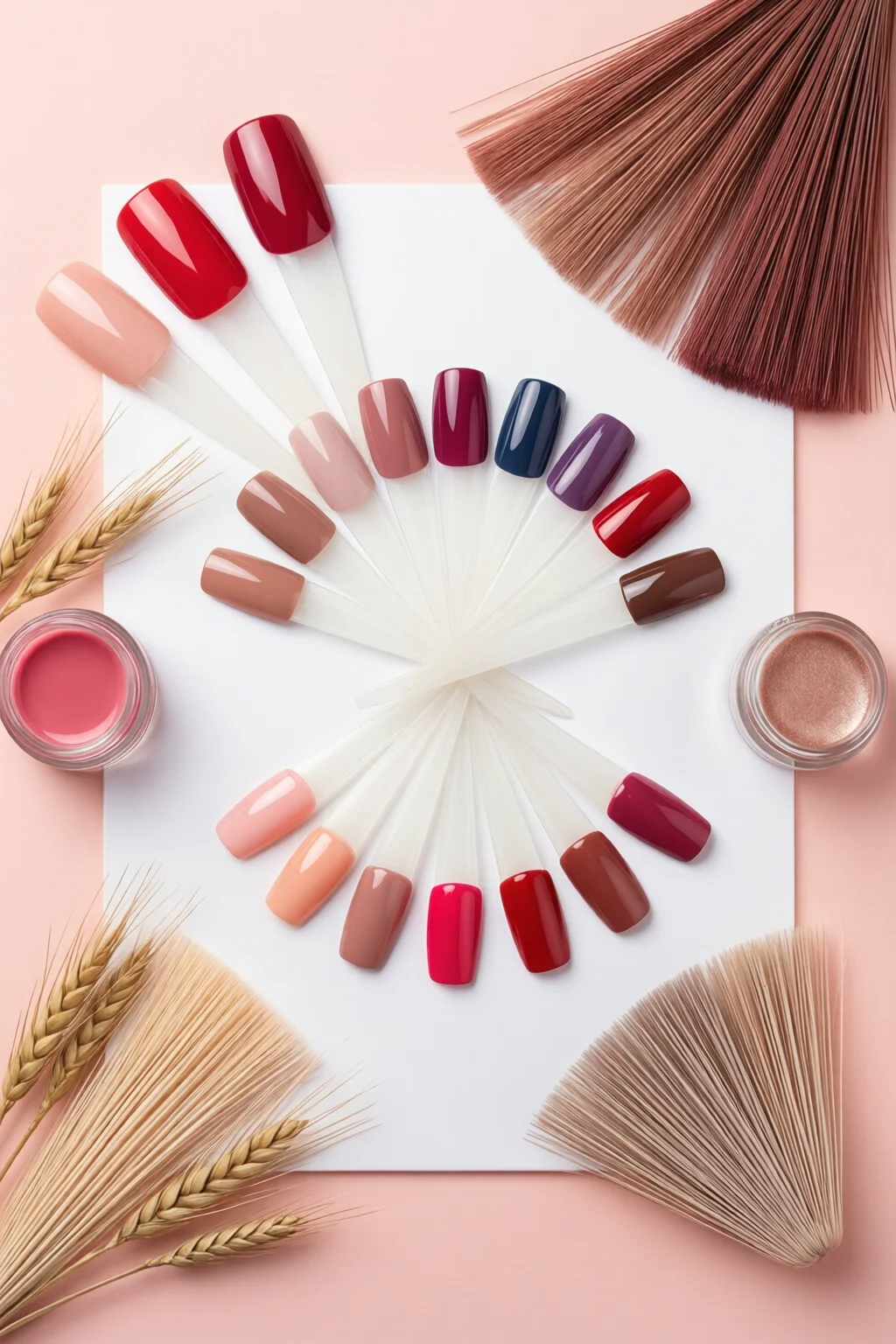
If you love polish, pick a shade with a built‑in fortifying formula. Essie Gel Couture offers a “Color + Care” line that includes antioxidants. Apply two thin layers, letting each cure for 60 seconds under a LED lamp (if you have one). Finish with the UV‑protective top coat to shield against yellowing caused by UV exposure—a concern that rises 12% after age 50.
For a nail‑free day, simply skip the color and seal with a clear strengthening top coat. This keeps the nail plate moisturized while still providing a glossy look.
Step 6: Hand & Nail After‑Care – Lock in Moisture
Once the polish is set, massage L’Occitane Shea Butter Hand Cream into the skin and nails. The high‑shea content (15%) forms an occlusive layer that locks in the hydration you just infused. Apply a thin layer before bedtime and wear cotton gloves for 30 minutes to maximize absorption.
If you notice any white spots (leukonychia) after a few weeks, it’s usually a sign of minor trauma, not a deficiency. Keep the routine consistent, and the spots will fade as the nail grows out.
Common Mistakes to Avoid
- Over‑filing – Filing more than 2 minutes per nail weakens the plate.
- Skipping cuticle oil – Cuticles act as a seal; neglecting them leads to 30% more moisture loss.
- Using harsh acetone – Regular acetone use can reduce nail thickness by up to 0.02 mm per month.
- Ignoring nutrition – Low biotin (< 30 µg/day) correlates with 25% higher nail brittleness; consider a supplement.
- Wearing gloves with latex powder – Powder can irritate aging skin and cause nail allergy symptoms.
Troubleshooting & Tips for Best Results
Yellowing tips? Switch to a UV‑protective top coat and limit exposure to direct sunlight. If discoloration persists, a quick soak in a 1% hydrogen peroxide solution for 2 minutes can brighten the nail bed.
Splitting at the free edge? Apply a second layer of strengthening base coat after the first week of the routine. The added polymer layer reduces split incidence by roughly 40%.
Persistent brittleness despite care? Check your diet for adequate protein (0.8 g/kg body weight) and omega‑3 fatty acids. A daily serving of salmon (100 g) provides 1.5 g of omega‑3, which supports nail flexibility.
Fungal concerns? Perform the cuticle pusher technique gently to avoid pushing spores deeper. Follow up with an antifungal lacquer if needed.
Consistency is key. The routine above takes about 15 minutes each morning and 10 minutes each night. Over a month, that’s roughly 10 hours of investment for nails that look and feel healthier.
Summary
Good nail care over 50 isn’t about expensive salon trips; it’s about a disciplined, moisture‑focused routine that respects the natural changes in nail biology. By cleansing, shaping, hydrating, strengthening, and protecting—while avoiding common pitfalls—you’ll see stronger, shinier nails in as little as four weeks. Pair the routine with a balanced diet, occasional biotin supplementation, and the right tools, and you’ll keep your fingertips looking youthful well into your golden years.
How often should I apply cuticle oil after 50?
Apply cuticle oil twice daily—once in the morning and once before bed. This frequency restores elasticity and reduces dryness by about 70% within two weeks.
Can nail polish damage aging nails?
Only if you use harsh formulas or skip a strengthening base coat. Choose polishes with built‑in fortifiers, such as Essie Gel Couture, and always finish with a UV‑protective top coat.
Do I need a supplement for stronger nails?
Biotin (2,500 µg) and silica supplements have been shown to improve nail thickness by up to 15% after three months. If your diet lacks these nutrients, a daily supplement can help.
What’s the best way to prevent nail fungus after 50?
Keep nails short, dry, and clean. Use a mild cleanser with tea tree oil, avoid harsh acetone, and treat any cuts promptly with an antifungal solution.
How can I make my nails look younger for a special event?
Follow the full routine, then apply a high‑gloss top coat like Essie Gel Couture. Add a subtle shimmer or a nude shade to reflect light and create a youthful, polished appearance.