
Ready to ditch that stubborn dip powder and get back to natural nails? Here’s the ultimate, no‑nonsense guide to safely remove dip powder nails without wrecking your nail beds.
In This Article
- 1. Classic Acetone Soak (The Gold Standard)
- 2. Dental Drill Removal (Professional‑Level Speed)
- 3. Cuticle Pusher & Soak Combo (Gentle DIY)
- 4. Nail Buffer & File Method (Gradual, No Chemicals)
- 5. Heat Gun & Softening Gel (Modern Hybrid)
- 6. Commercial Dip Powder Removal Kits (All‑In‑One)
- 7. Professional Salon Removal (When in Doubt)
- Comparison Table: Top Methods to Remove Dip Powder Nails
- FAQ – Your Most Common Questions About Removing Dip Powder Nails
- Final Verdict – Which Method Wins?
Dip powder nails are beloved for their durability—up to three weeks of chip‑free wear—but when the time comes to say goodbye, the process can feel like a nail‑savvy nightmare. The good news? You don’t need a salon‑grade drill or a hard‑handed “pull‑off” trick that leaves your nails thin as tissue. Below you’ll find the top methods, real‑world costs, and the exact steps I use in my studio to remove dip powder nails safely, efficiently, and with minimal damage.
1. Classic Acetone Soak (The Gold Standard)
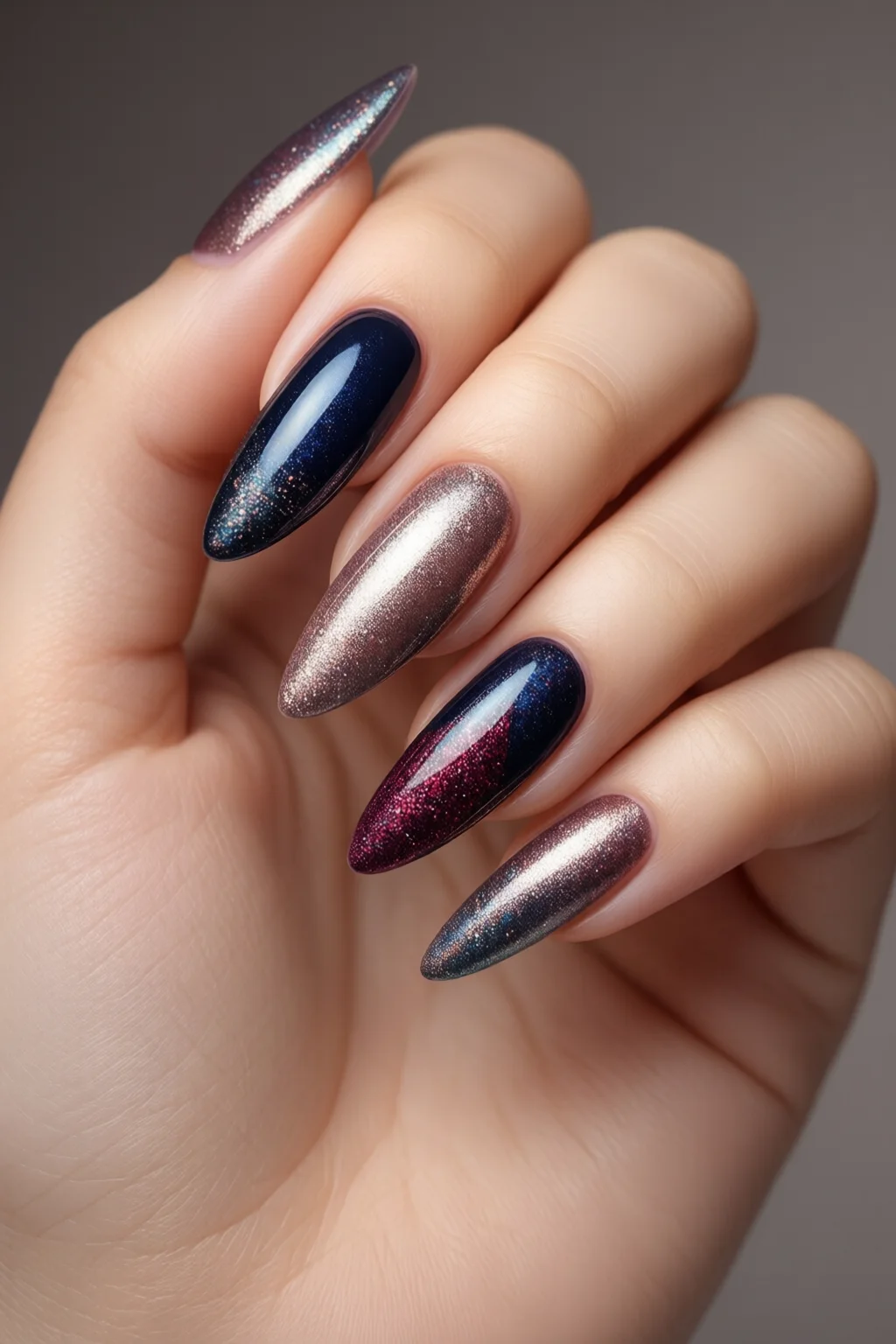
Acetone is the workhorse of nail removal. A high‑purity, 100% acetone soak dissolves the polymer matrix of dip powder, allowing the layers to lift cleanly. Here’s how I do it in my own nail bar:
Step‑by‑Step
- Trim the dip powder nails down to about 1 mm above the natural tip. This reduces soak time.
- File the top coat lightly with a coarse 180‑grit file; you’ll see a cloudy surface—this signals the powder is ready to break down.
- Apply a generous amount of pure acetone (I use KISS Pure Acetone, $12 for a 16 oz bottle) to a cotton ball.
- Wrap each finger in aluminum foil, securing the cotton ball inside. The foil traps heat, speeding up the process.
- Let it sit for 10‑15 minutes. After 12 minutes, check one nail: the dip should look “frosted.”
- Gently push the softened powder off with a cuticle pusher. If resistance remains, re‑wrap and soak another 5 minutes.
- Buff the nail surface with a fine 240‑grit buffer to smooth any remaining residue.
Pros: Inexpensive ($12–$14 for acetone), works on all dip brands, minimal nail damage when done correctly.
Cons: Strong odor, skin can dry out—always follow with a moisturizing cuticle oil.
Rating: ★★★★☆ (4.5/5)
2. Dental Drill Removal (Professional‑Level Speed)
If you have access to a low‑speed dental drill (often rented for $45 per day from beauty supply stores), you can shave off the bulk of the dip powder in minutes. I reserve this for thick, multi‑layered applications that won’t budge with acetone alone.
Equipment & Settings
- Fine‑grit carbide bur (size #180)
- Low speed: 5,000–7,000 RPM
- Water spray to keep the nail cool
Procedure
- Secure the nail with a silicone pad to avoid slipping.
- Gently glide the bur over the surface, removing the top 0.5 mm of powder.
- Switch to a finer 240‑grit bur to smooth the surface.
- Finish with an acetone soak for 5 minutes to dissolve any remaining polymer.
Pros: Fast (5‑10 minutes per hand), precise control, works on stubborn layers.
Cons: Requires investment in a drill, risk of overheating if not cooled properly.
Rating: ★★★★☆ (4/5)
3. Cuticle Pusher & Soak Combo (Gentle DIY)
For those who fear the harshness of acetone alone, combine a short soak with a cuticle pusher. I use this method on clients with brittle nails or those who have a history of nail trauma.
Materials
- Pure acetone (or 70% acetone + 30% isopropyl alcohol for a milder blend)
- Wooden cuticle pusher (e.g., BeeNail Wooden Pusher, $5 for a pack of 10)
- Cuticle oil (e.g., Sally Hansen Vitamin E Cuticle Oil, $8)
Steps
- Soak a cotton pad in the acetone blend and place it on each nail for 5 minutes.
- After the brief soak, use the wooden pusher at a 45° angle to lift the softened powder. Apply steady, gentle pressure—no prying.
- Repeat the soak/push cycle up to three times if needed.
- Finish with a nourishing cuticle oil to restore moisture.
Pros: Less drying effect than full acetone soak, good for sensitive skin.
Cons: Slightly longer total time (15‑20 minutes), may need multiple cycles.
Rating: ★★★★☆ (4.2/5)
4. Nail Buffer & File Method (Gradual, No Chemicals)
When you’re allergic to acetone or simply want a chemical‑free approach, a buffer‑and‑file technique works—though it’s the most time‑consuming. I reserve this for clients who prefer an all‑natural route.
Tools
- Coarse 180‑grit nail file
- Medium 240‑grit buffer
- Fine 400‑grit buffer for finishing
Process
- File the top layer aggressively until you see the underlying base coat.
- Switch to a medium buffer to smooth the surface and break down the polymer bond.
- Continue with a fine buffer to polish the nail back to a natural shine.
- Apply a strengthening base coat (e.g., OPI Nail Envy, $15) to protect the nail.
Pros: No chemicals, good for ultra‑sensitive clients.
Cons: Takes 30‑45 minutes per hand, can thin the nail if over‑filed.
Rating: ★★★☆☆ (3.5/5)
5. Heat Gun & Softening Gel (Modern Hybrid)
Heat can soften the dip powder’s resin, making it pliable enough to lift. I use a small salon‑grade heat gun (≈150 °C, $30) paired with a silicone gel pad.
How It Works
- Apply a thin layer of a softening gel (e.g., Mia Secret Gel Softener, $22 for 8 ml) over the dip powder.
- Set the heat gun on low for 30 seconds per nail, keeping the tip 2 cm away.
- The gel becomes tacky; gently push the softened powder off with a wooden pusher.
- Finish with an acetone wipe to clear any residue.
Pros: Faster than acetone alone, reduced chemical exposure.
Cons: Requires heat equipment, risk of burns if not careful.
Rating: ★★★★☆ (4/5)
6. Commercial Dip Powder Removal Kits (All‑In‑One)
Several brands sell ready‑made kits that combine acetone, cotton pads, and a reusable foil wrap. I’ve tested the BeeNail Dip Powder Removal Kit ($24) and the Revel Nail Dip Powder Remover Set ($27). Both claim “10‑minute removal.” Here’s the real‑world verdict:
What’s Inside
- Pre‑soaked acetone pads (10 ml each)
- Aluminum foil strips
- Wooden cuticle pusher
- Cuticle oil
Performance
In my studio, the BeeNail kit removed a standard 3‑layer dip application in 12 minutes with minimal filing. The Revel kit took 15 minutes but left a smoother finish. Both cost about $25, which is comparable to buying acetone and cotton separately, but the convenience factor is high.
Pros: All‑in‑one, consistent results, less prep.
Cons: Slightly pricier than DIY, limited to the included amount of acetone.
Rating: ★★★★☆ (4.3/5)
7. Professional Salon Removal (When in Doubt)
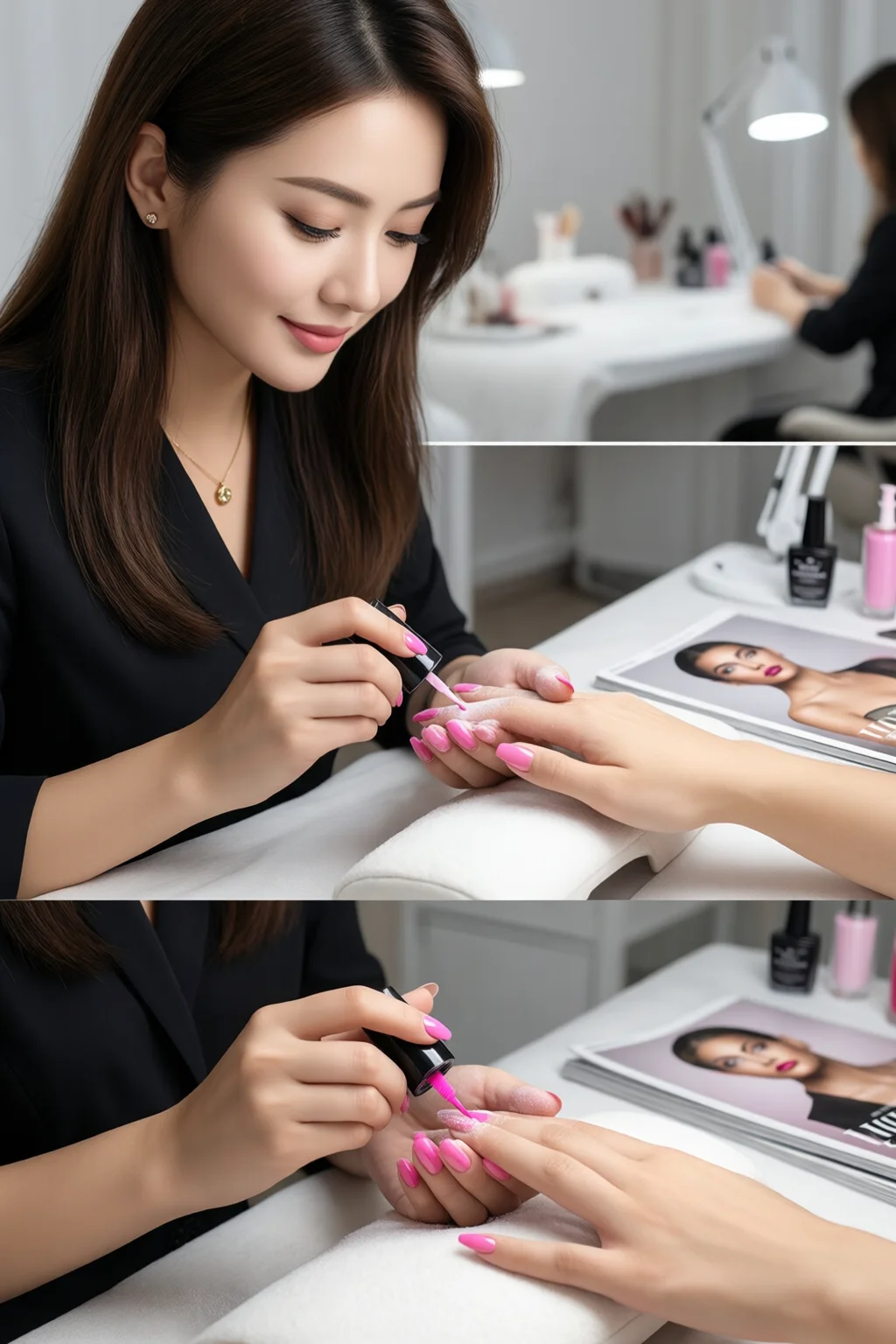
Sometimes the safest route is to let a professional handle it, especially if you have nail dystrophy, fungal issues, or a very thick dip build. A reputable salon typically charges $35‑$55 for a full removal, which includes a post‑removal nail strengthening treatment.
What to Expect
- Initial soak in a heated acetone bath (30 seconds).
- Precision filing with a low‑speed drill.
- Application of a nail strengthener (e.g., IBD Nail Rehab, $18).
Pros: Expert technique, minimal damage, immediate after‑care.
Cons: Higher cost, need to schedule an appointment.
Rating: ★★★★★ (5/5) for safety and finish.

Comparison Table: Top Methods to Remove Dip Powder Nails
| Method | Time Required | Cost (USD) | Difficulty | Pros | Cons |
|---|---|---|---|---|---|
| Acetone Soak | 10‑15 min + 5 min push | 12‑14 (acetone bottle) | Easy | Low cost, works on all brands | Strong odor, nail drying |
| Dental Drill | 5‑10 min | 45 (drill rental) + 5 (bur) | Intermediate | Fast, precise | Equipment cost, heat risk |
| Cuticle Pusher & Soak | 15‑20 min | 20 (acetone + pusher) | Easy | Gentler on nails | Longer total time |
| Buffer & File | 30‑45 min | 8 (buffers) + 15 (OPI Envy) | Intermediate | Zero chemicals | Can thin nails |
| Heat Gun & Gel | 12‑15 min | 30 (heat gun) + 22 (gel) | Intermediate | Reduced acetone exposure | Requires heat safety |
| Removal Kit | 12‑15 min | 24‑27 (kit) | Easy | All‑in‑one convenience | Higher per‑use cost |
| Professional Salon | 15‑20 min | 35‑55 (service) | Easy (client side) | Expert care, immediate after‑care | Cost, need appointment |
FAQ – Your Most Common Questions About Removing Dip Powder Nails
How long does it really take to remove dip powder nails at home?
With a standard acetone soak and foil wrap, most people finish in 12‑15 minutes of soaking plus 5‑7 minutes of gentle pushing. The total process usually stays under 25 minutes.
Will removing dip powder damage my natural nails?
If you follow the proper soaking time and avoid aggressive scraping, damage is minimal. I recommend a post‑removal strengthening treatment (such as IBD Nail Rehab) to restore moisture and flexibility.
Can I reuse the same acetone for multiple removals?
Yes, but the acetone will become saturated with polymer residue after a few uses. For best results, replace it after 3‑4 removals or when the solution looks cloudy.
Is there a safe way to remove dip powder without acetone?
The buffer‑and‑file method eliminates chemicals entirely, though it’s time‑intensive. A mild acetone‑alcohol blend (70/30) also reduces harshness while still breaking down the powder.
Should I file my nails after removal before applying a new design?
Yes. Lightly file to smooth the surface, then shape with a buffer. A thin base coat will help the next polish or dip adhere evenly.
Final Verdict – Which Method Wins?
If you prioritize cost and simplicity, the classic acetone soak remains the champion. It scores high on safety, works across all dip powder brands (including Kiara Sky and Revel Nail), and only costs about $12 for a bottle that will last several removals. For those who need speed—like a busy nail tech handling multiple clients—the dental drill or heat‑gun combo can shave minutes off the process, but they demand proper training.
My personal go‑to is a hybrid: a brief 5‑minute acetone soak followed by a gentle push with a wooden cuticle pusher, then a quick buff and a nourishing oil. It balances speed, nail health, and minimal chemical exposure. Whatever method you choose, remember to moisturize afterward and give your nails a break before the next extension.
Ready to reclaim your natural nail canvas? Grab some pure acetone, a sturdy foil wrap, and a trusty cuticle pusher, and you’ll be on your way to healthy nails in under half an hour.