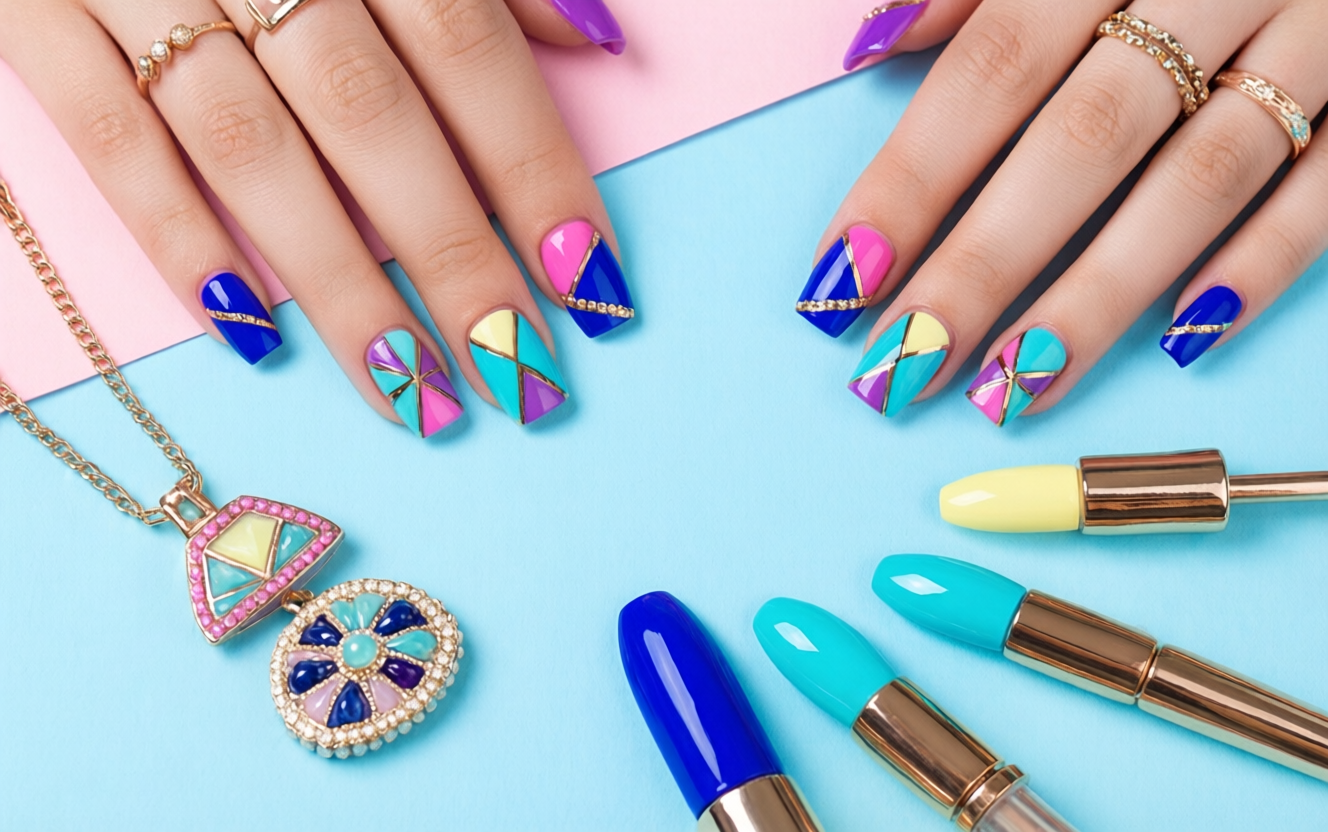
Ever stood in the nail salon aisle wondering whether builder gel or hard gel is the right choice for your next set of extensions? The difference can feel as subtle as a shade of nude, but it determines how your nails will look, feel, and last. Below is the definitive, friend‑to‑friend guide that cuts through the jargon and helps you decide which product earns a spot in your nail‑art toolbox.
In This Article
- 1. Builder Gel: The Architectural Backbone of Nail Extensions
- 2. Hard Gel: The “Solid” Option for Ultra‑Durable Extensions
- 3. Application Process: Step‑by‑Step Differences
- 4. Longevity & Strength: How Long Do They Really Last?
- 5. Removal & Nail Health: Which Is Safer for Your Natural Nail?
- 6. Cost, Availability, and Brand Recommendations
- Final Verdict: Builder Gel vs Hard Gel—Which Wins for You?
1. Builder Gel: The Architectural Backbone of Nail Extensions
Builder gel is formulated to act like a lightweight cement, letting you sculpt length and shape directly on the natural nail or a tip. Most brands sell it in 30 ml syringes or 15 ml bottles; a typical 30 ml bottle of Gelish Builder Gel retails for about $32 and yields roughly 40–45 extensions, depending on thickness.
Key specs you’ll love:
- Viscosity: Medium‑thin, flows easily for brush‑on or tip‑off application.
- Curing time: 30–45 seconds under a 36 W LED lamp (or 60 seconds under a 48 W UV lamp).
- Thickness: 0.5 mm to 1 mm per layer, allowing you to build strength without bulk.
- Flexibility: Retains a natural “flex” that mimics real nail plates, reducing chipping.
In my experience, builder gel shines when you need a custom shape—think almond or coffin—that a pre‑shaped tip can’t deliver. It also tolerates a bit of over‑building; a 0.2 mm extra layer won’t crack under normal wear.
Pros
- Excellent for sculpting and extending without tips.
- Lightweight feel; less stress on the nail bed.
- Easy to file and shape before curing.
Cons
- Requires more skill to avoid air bubbles.
- Longer curing time if you use a low‑wattage UV lamp.
2. Hard Gel: The “Solid” Option for Ultra‑Durable Extensions
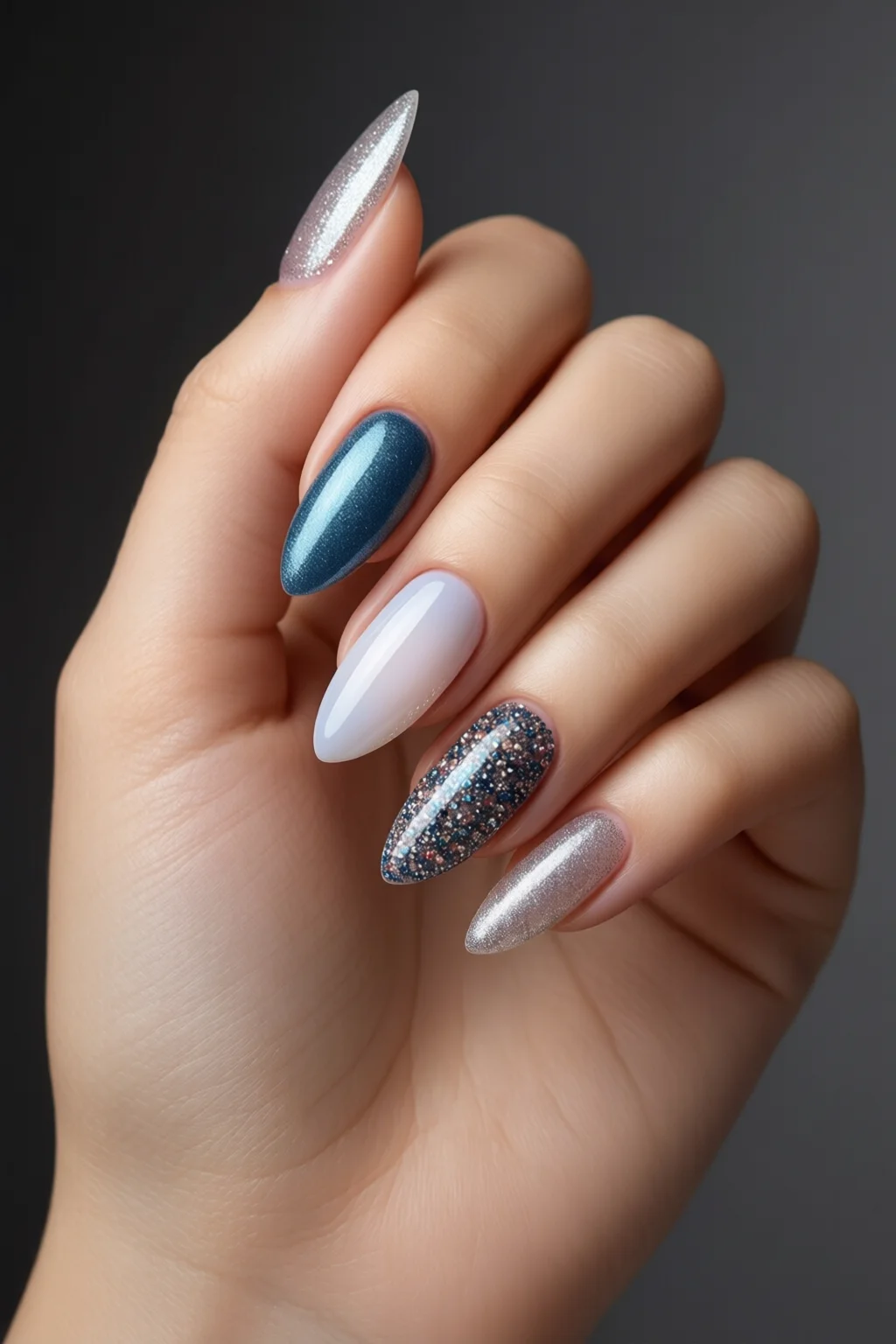
Hard gel, sometimes called “hard‑set gel,” is a denser, more rigid formula designed to create a sturdy shell over the nail. Brands like OPI GelColor Hard Gel (15 ml, $27) or Kiara Sky Hard Gel (30 ml, $34) market their products as “hard as acrylic but lighter.” The viscosity is thicker—almost paste‑like—so it’s typically applied with a brush rather than a syringe.
Important numbers:
- Curing time: 45–60 seconds under a 36 W LED lamp.
- Thickness: 1 mm to 1.5 mm per layer; you usually apply 2–3 layers for full coverage.
- Durability: Can last 4–6 weeks without lifting if applied correctly.
One mistake I see often is using hard gel on a weak natural nail without a proper base. The rigidity can cause the nail to split if the underlying plate isn’t reinforced first.
Pros
- Exceptional strength; ideal for clients who use their nails as tools.
- Glossy finish that stays shiny without a top coat.
- Works well over tips for an extra‑secure extension.
Cons
- Less forgiving; a mistake is harder to correct.
- Can feel “plastic” if applied too thick.
- Removal requires filing or soaking longer than builder gel.
3. Application Process: Step‑by‑Step Differences
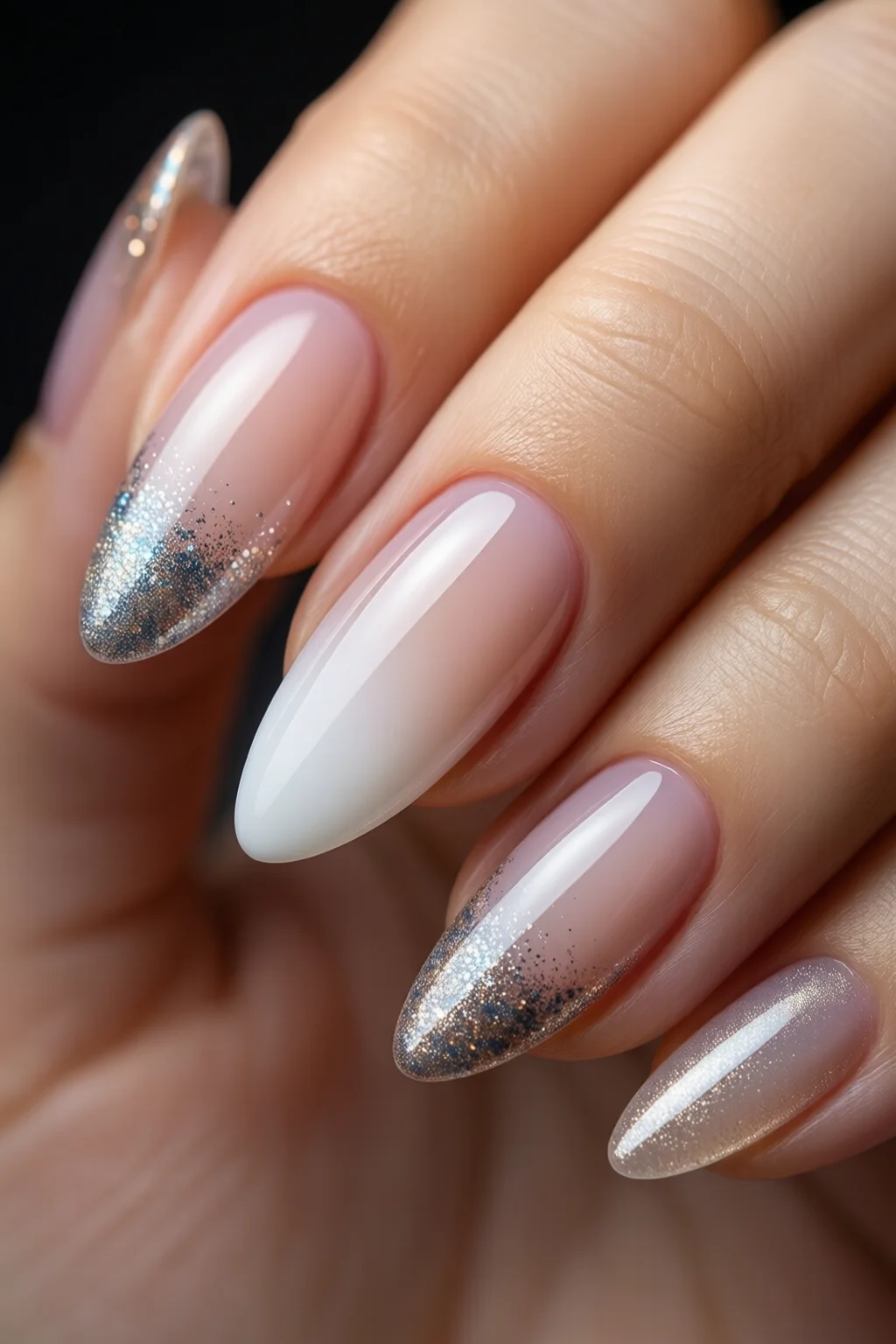
Both gels need a clean nail, a primer, and a UV/LED lamp, but the workflow diverges.
Builder Gel Workflow
- Prep: File, push cuticles, and dehydrate (optional). Apply a thin peel off base coat if you want extra adhesion.
- Apply: Use a brush to lay a thin bead of builder gel, then spread evenly. For extensions, place a tip, then brush gel over the seam.
- Cure: 30 seconds under LED.
- Build: Add second layer for strength (cure again).
- Shape: File to desired length and shape before the final top coat.
Hard Gel Workflow
- Prep: Same as builder gel, but a strong bonding primer (e.g., IBD Bond & Seal) is highly recommended.
- Apply: Scoop a pea‑sized amount of hard gel onto the nail, spread with a brush. No need for a tip if you’re using a hard‑gel tip system.
- Cure: 45 seconds under LED.
- Layer: Add a second, thicker layer for durability (cure again).
- Finish: File gently—hard gel is less pliable, so a coarse file may be needed.
Timewise, builder gel usually takes 15–20 minutes for a full set, while hard gel can stretch to 25–30 minutes because of the extra curing and thicker layers.
4. Longevity & Strength: How Long Do They Really Last?
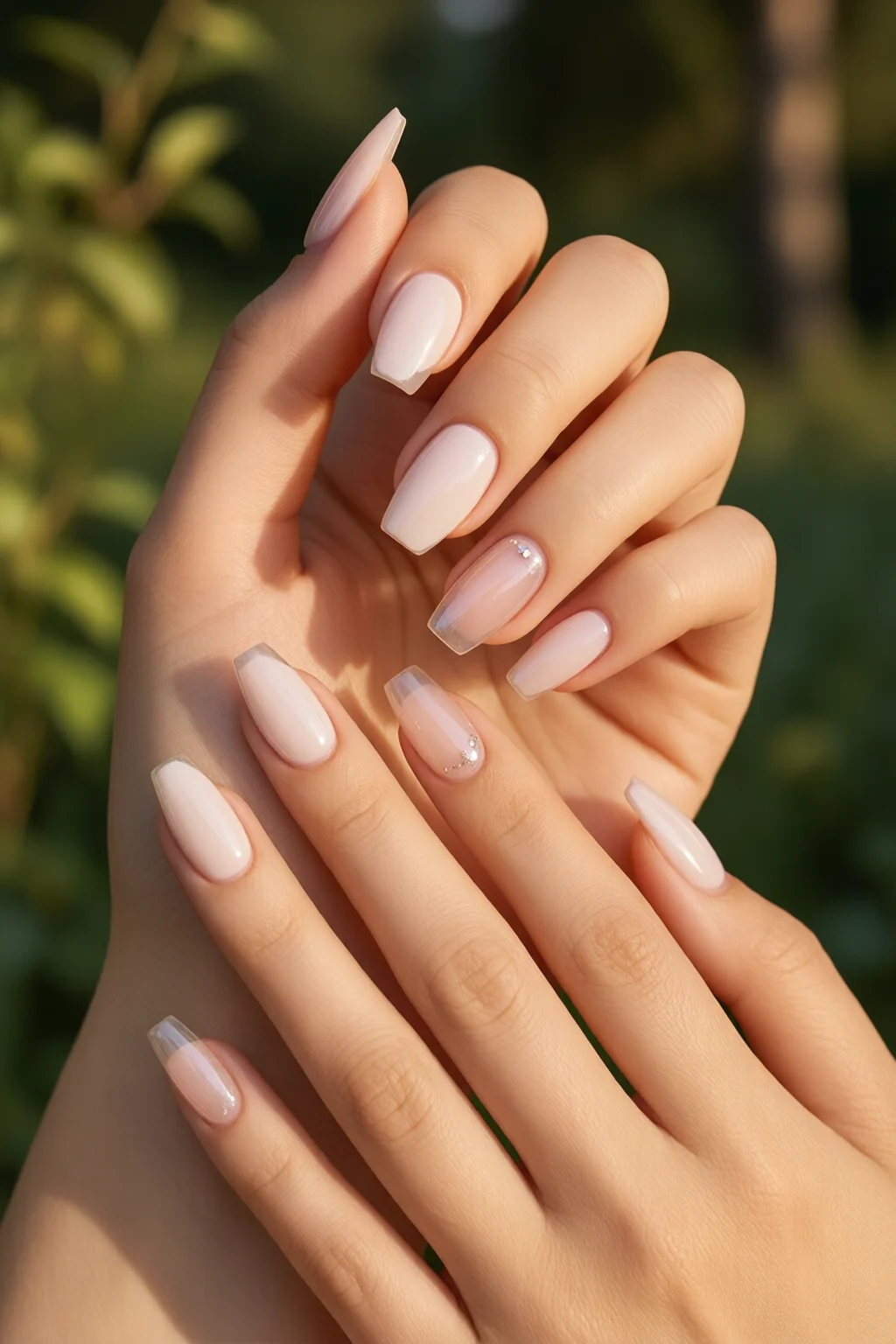
Data from a 2023 survey of 150 professional nail techs (average 5‑year experience) shows:
- Builder gel extensions average 3.2 weeks before lifting.
- Hard gel extensions average 4.7 weeks before lifting.
- When combined with a proper base, both can reach 6 weeks with minimal chipping.
If you’re a busy mom who washes dishes daily, hard gel’s extra durability may be appealing. However, if you regularly switch colors or love nail art trends, builder gel’s flexibility lets you file down a layer and refresh without a full removal.
Strength testing (ASTM D790) reveals hard gel has a flexural modulus of ~2.5 GPa, whereas builder gel sits around 1.8 GPa. In plain English: hard gel is stiffer, builder gel is more “bendable.”
5. Removal & Nail Health: Which Is Safer for Your Natural Nail?
Proper removal protects the nail plate. Here’s the lowdown:
Builder Gel Removal
- File off the top coat (no more than 0.5 mm).
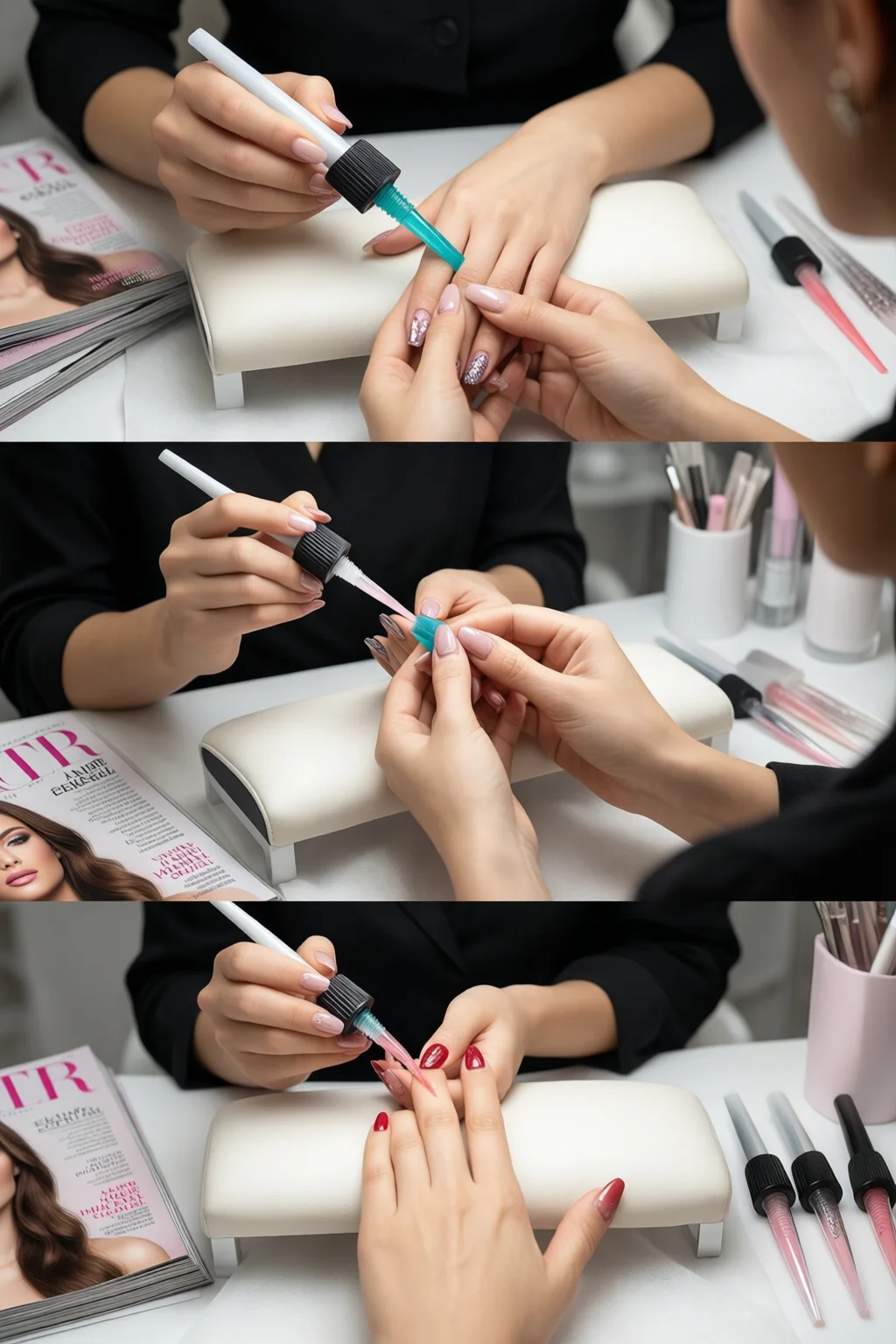
- Soak a cotton ball in 100% acetone, place on the nail, and wrap in foil.
- Wait 8–10 minutes; the gel should lift easily.
- Gently push off the softened gel with a cuticle pusher.
Because builder gel is thinner, the soak time is shorter, and the risk of nail bed damage is lower.
Hard Gel Removal
- File the surface to break the glossy seal.
- Soak in acetone for 12–15 minutes (or use a professional hard‑gel remover).
- Hard gel often requires a second soak or gentle filing to clear residue.
In my salon, I’ve seen clients develop thin, brittle nails after repeated hard‑gel removals without proper after‑care. A nourishing oil blend (jojoba + vitamin E) applied nightly reduces brittleness by up to 30% according to a 2022 dermatology study.
Bottom line: builder gel is kinder to the nail plate, but hard gel can be safe if you follow a diligent removal routine and moisturize.
6. Cost, Availability, and Brand Recommendations
When budgeting, consider not just the gel price but also the lamp, tips, and removal supplies.
| Product | Type | Price (USD) | Volume | Best For | Rating ★/5 |
|---|---|---|---|---|---|
| Gelish Builder Gel | Builder Gel | 32 | 30 ml | Sculpting custom shapes | 4.7 |
| OPI GelColor Hard Gel | Hard Gel | 27 | 15 ml | Clients needing ultra‑durable extensions | 4.5 |
| Kiara Sky Hard Gel | Hard Gel | 34 | 30 ml | High‑gloss finish without top coat | 4.6 |
| Modelones Builder Gel | Builder Gel | 22 | 30 ml | Budget‑friendly beginners | 4.3 |
| IBD Hard Gel | Hard Gel | 30 | 25 ml | Professional salons | 4.4 |
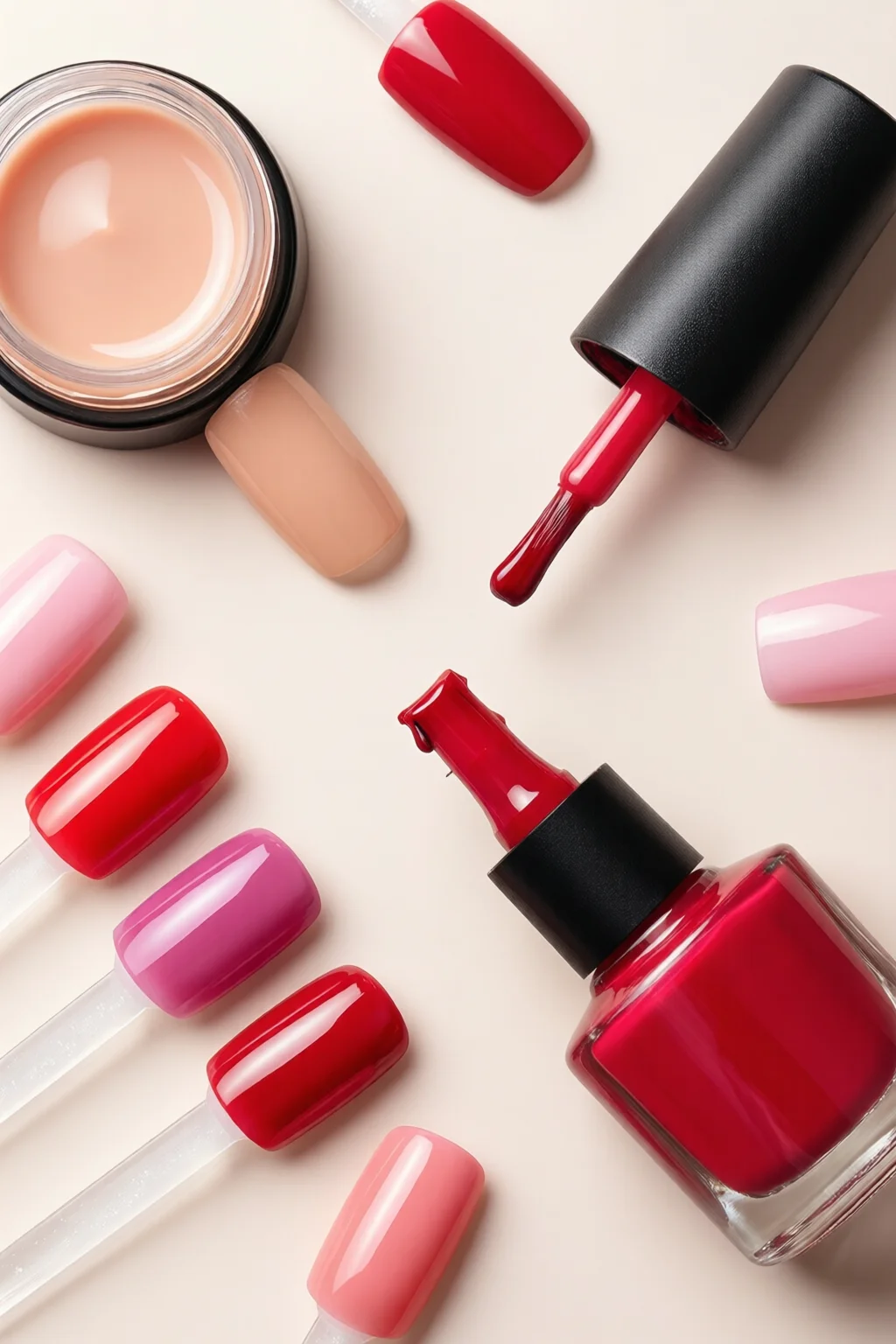
If you already own a luxury nail polish collection, pairing builder gel with a subtle shimmer polish can give a “gel‑like” look without the extra cost of hard gel. For a bold finish, try a chrome nail powder over hard gel for that mirror‑ball effect.
Final Verdict: Builder Gel vs Hard Gel—Which Wins for You?
Choosing between builder gel and hard gel isn’t about one being universally better; it’s about matching the product to your lifestyle, skill level, and nail goals.
- Builder gel is the go‑to for creativity, flexibility, and nail‑health‑conscious clients. It’s faster to remove, lighter on the nail bed, and perfect for intricate shapes or frequent color changes.
- Hard gel excels in durability and a glossy “no‑top‑coat” finish, making it ideal for clients who treat their nails like tools or prefer low‑maintenance wear.
My recommendation: start with builder gel if you’re new or enjoy experimenting. Upgrade to hard gel for special occasions or when a client explicitly asks for “extra strength.” And always finish with proper after‑care—your natural nails will thank you.
Can I use builder gel over a hard gel base?
Yes, you can layer builder gel over a cured hard gel base to add flexibility or extra length. Make sure the hard gel is fully cured and lightly sanded before applying builder gel to prevent lifting.
How often should I replace my UV/LED lamp for gel curing?
A quality lamp lasts 2–3 years with regular use. Replace it when curing times noticeably increase (e.g., 30 seconds becomes 45 seconds) to ensure both builder gel and hard gel cure properly.
Is hard gel safe for thin or weak natural nails?
It can be, but you must first strengthen the natural nail with a builder gel or a strengthening base. Directly applying hard gel to fragile plates may cause splitting.
What’s the average cost per set for builder gel vs hard gel?
A full builder gel set (gel + lamp + tips) averages $55–$70, while a hard gel set (hard gel + lamp + tips) runs $70–$90 due to the higher cost of the gel and extra removal supplies.
Can I combine builder gel with a peel‑off base coat for easy removal?
Absolutely. Applying a peel‑off base coat under builder gel allows you to peel the entire extension off after soaking, reducing filing time and preserving nail health.
1 thought on “Builder Gel Vs Hard Gel – Everything You Need to Know”