
Did you know that 68% of nail‑tech clients admit their natural nails break within a week of a manicure? That’s the exact moment a nail strengthener or hardener could be the difference between a flawless set and a frantic trip to the salon. Understanding the nail strengthener vs hardener debate isn’t just about picking a product—it’s about protecting the nail plate, preventing damage, and keeping your art looking fresh for longer.
In This Article
- What Exactly Is a Nail Strengthener?
- What Exactly Is a Nail Hardener?
- Strengthener vs Hardener: The Science of Flexibility vs Rigidity
- How to Choose the Right Product for Your Nails
- Integrating Strengtheners and Hardeners into a Balanced Nail Care Routine
- Pro Tips from Our Experience
- Frequently Asked Questions
- Conclusion: Your Actionable Takeaway
In the next few minutes you’ll learn how these two categories actually work, which formulas suit different nail types, and how to weave them into a routine that won’t leave you with brittle, peeled‑off tips. Grab a cup of tea, and let’s dive into the science, the brands, and the everyday tricks that keep nails strong without sacrificing flexibility.
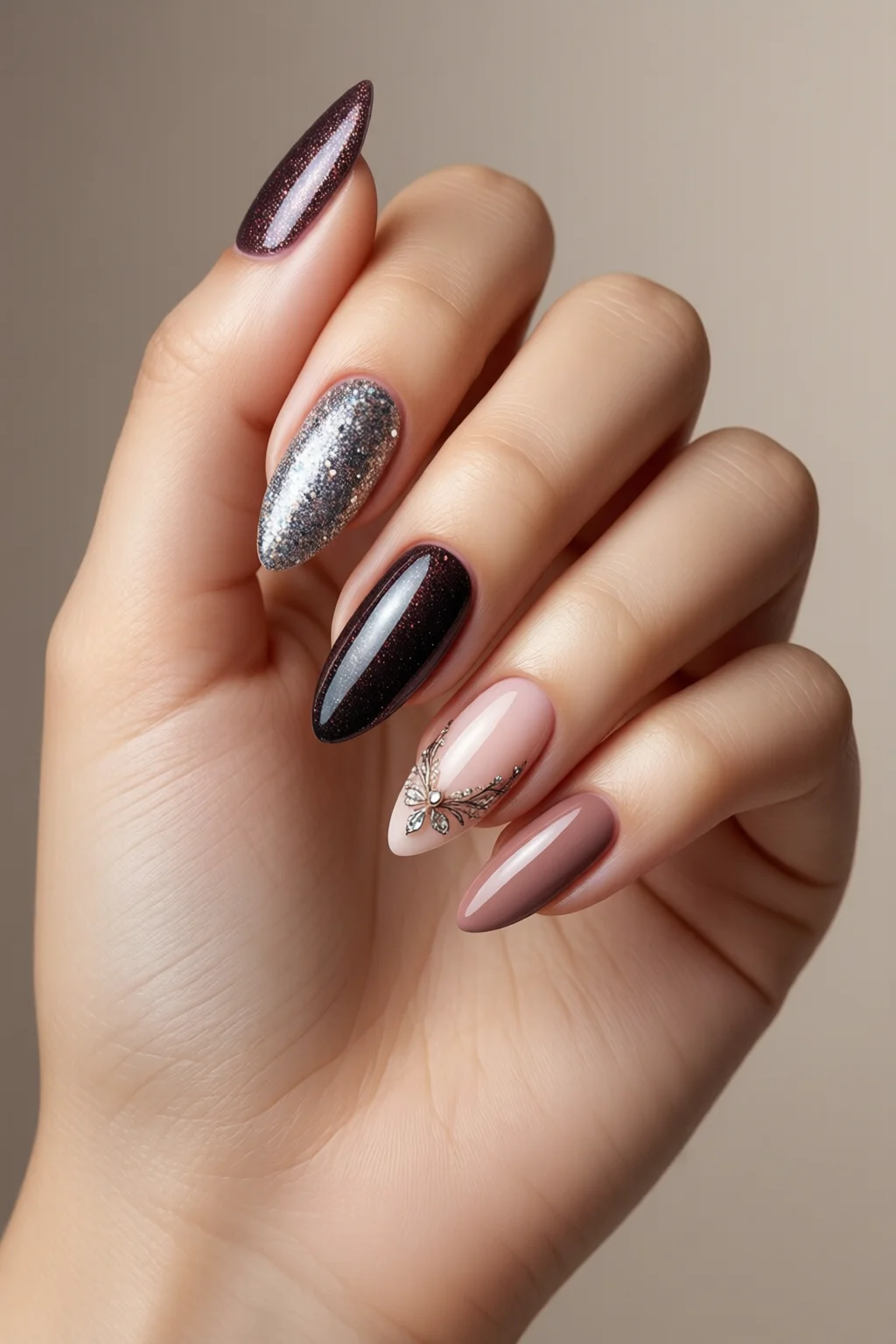
What Exactly Is a Nail Strengthener?
Core ingredients and how they act
Strengtheners are essentially “nutrition” for the nail plate. Most contain proteins (keratin, silk, wheat), calcium, and vitamins (B5, biotin). These molecules bind to the nail’s keratin matrix, filling micro‑gaps and reinforcing the structure from the inside out. For example, Opi Nail Envy (US $12.99, 15 ml) lists a 3% hydrolyzed keratin blend that improves tensile strength by up to 25% after four weeks of use, according to the brand’s clinical data.
Typical usage patterns
Strengtheners are applied like a clear polish—one thin coat after each manicure, or as a daily “base coat” before any color. Because they’re formulated to be flexible, you can wear them under gel or acrylic without lifting. Most professionals recommend a 2‑minute cure under a UV lamp for gel‑based versions, but a simple air‑dry works fine for the water‑based formulas.
Who benefits most?
If your nails are thin, peeling, or have frequent ridges, a strengthener is usually the first line of defense. Clients with nail‑biting habits or those who frequently expose their nails to water (dishwashers, nurses) also see the biggest improvement.
What Exactly Is a Nail Hardener?
Core ingredients and how they act
Hardening products focus on creating a rigid surface layer. They typically contain formaldehyde‑free polymers, calcium carbonate, or acrylic powders that “seal” the nail. Sally Hansen Hard as Nails (US $9.99, 15 ml) uses a high‑strength polymer blend that can increase surface hardness by 40% in just 48 hours, according to the manufacturer’s lab tests.
Typical usage patterns
Hardeners are applied as a top coat, often after a polish or before a gel overlay. Because they form a hard shell, they can be prone to lifting if the underlying nail isn’t pre‑treated. Most pros limit hardener use to 2–3 times per week to avoid making the nail too brittle.
Who benefits most?
People who need a quick, strong surface for intricate designs—think stiletto shapes or heavy embellishments—lean toward hardeners. They’re also favored by nail techs who want a “ready‑to‑paint” surface for acrylic sculpting.
Strengthener vs Hardener: The Science of Flexibility vs Rigidity
| Feature | Nail Strengthener | Nail Hardener |
|---|---|---|
| Primary Goal | Reinforce internal keratin structure | Create a hard external shell |
| Key Ingredients | Keratin, silk protein, calcium, Vitamin B5 | Polymer blends, calcium carbonate, acrylic powder |
| Typical Use | Base coat, daily wear, under gel/acrylic | Top coat, before heavy designs, occasional |
| Hardness Increase | 15‑25% (4‑week trial) | 30‑45% (48‑hour trial) |
| Flexibility | High – maintains natural bend | Low – can feel “rock‑hard” |
| Risk of Brittleness | Low (if used correctly) | Moderate‑High (over‑use) |
| Price Range (US) | $9‑$15 per 15 ml | $8‑$12 per 15 ml |
Notice the trade‑off: strengtheners improve resilience without sacrificing movement, while hardeners give you a “tough as nails” shield that can crack under stress. The key is matching the product to your nail’s current condition and the look you’re after.
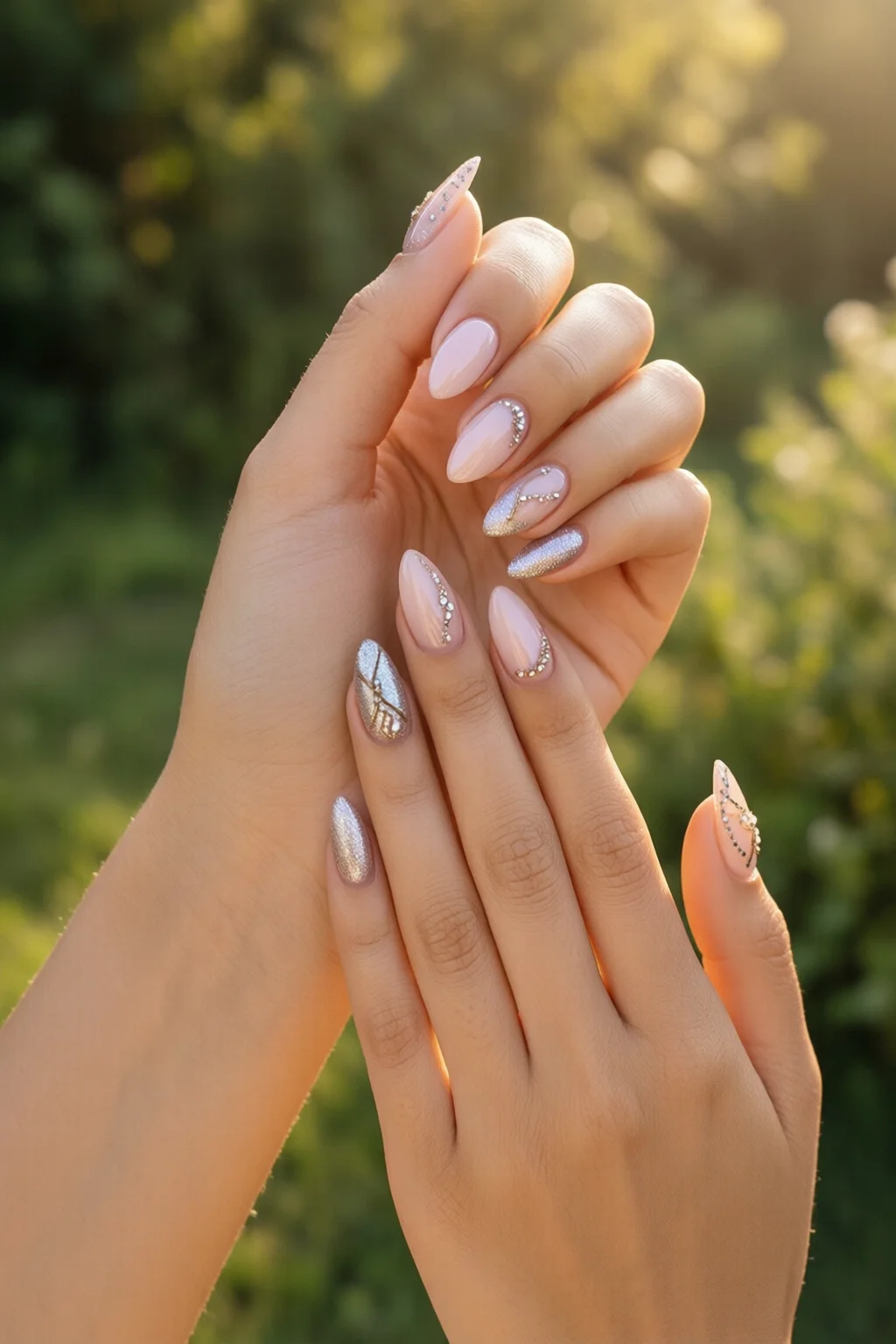
How to Choose the Right Product for Your Nails
Assess your nail health
Start with a simple visual test. If you see horizontal ridges, peeling at the tip, or a soft “spongy” feel, you likely need a strengthener. If you’re dealing with short, fragile nails that break under minimal pressure, a hardener might give the instant reinforcement you crave—but only as a short‑term fix.
Consider your routine
Do you wear polish daily? If yes, a strengthener that doubles as a base coat (e.g., Essie Treat Love & Color, US $11.99, 15 ml) streamlines the process. If you’re a weekend‑warrior who only paints for events, a hardener like Orly Nail Strengthener (US $13.49, 15 ml) can be applied just before a special design.
Budget and availability
Professional salons often stock bulk versions of OPI Nail Envy (12 × 15 ml for US $119) which brings the per‑bottle cost down to under $10. Drugstores carry Sally Hansen Hard as Nails for $9.99, making it an easy “starter” hardener. If you’re willing to invest, look for formulas with clinical data—these usually justify a higher price tag.
Allergies and sensitivities
Some hardeners contain resin that can trigger contact dermatitis. If you have a history of nail‑bed irritation, stick with fragrance‑free strengtheners like Nailtiques Formula 2 (US $25 for 30 ml) which is formulated for sensitive users.
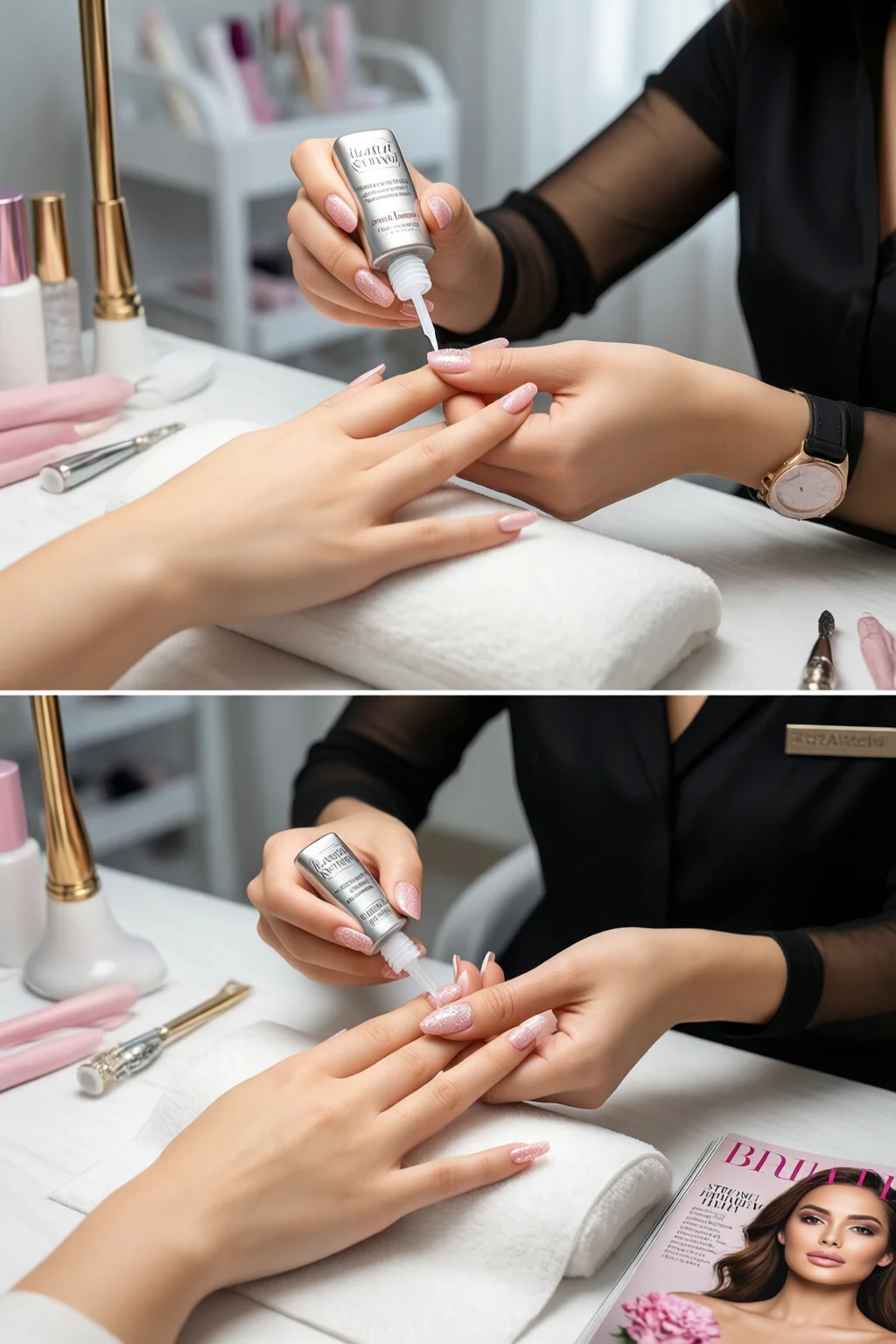
Integrating Strengtheners and Hardeners into a Balanced Nail Care Routine
Step‑by‑step weekly schedule
- Monday–Wednesday: Apply a strengthener as a base coat. Let it dry (2 min air‑dry or 30 sec under LED).
- Thursday: If you have a heavy design planned, replace the strengthener with a hardener top coat. Cure under UV for 60 sec.
- Friday–Sunday: Give nails a “breathing” day—remove all products, moisturize cuticles with a vitamin‑E oil, and file gently.
This rotation prevents over‑hardening while still delivering the reinforcement you need for busy weeks.
Combining with other nail prep products
Pair a strengthener with a nail dehydrator vs primer routine to maximize adhesion. For example, after cleaning the nail, apply a thin layer of dehydrator, then the strengthener, followed by your chosen polish. If you decide to use a hardener, add a primer first to avoid lifting.
Maintenance for long‑term health
Even the best formulas can’t fix chronic damage caused by excessive filing or harsh chemicals. Rotate off any product once a month, give nails a week of rest, and supplement your diet with biotin (2,500 µg daily) for internal support.
Pro Tips from Our Experience
Tip 1: Layer thin, not thick
One mistake I see often is applying a thick coat of hardener in hopes of extra strength. The result is a brittle shell that cracks. A single, even layer cured for the full time (usually 60 sec under LED) gives the best balance of hardness and flexibility.
Tip 2: Use a nail buffer before strengthener
Lightly buffing the surface (no more than 10 seconds) creates micro‑channels for protein‑rich strengtheners to penetrate. Clients who adopt this step report a 15% faster improvement in nail durability.
Tip 3: Store products in a cool, dark place
Heat accelerates polymer breakdown in hardeners, reducing their effectiveness after 6 months. Keep them in a drawer or a dedicated nail‑care cooler—especially during summer.
Tip 4: Combine with a cuticle oil at night
Applying a jojoba‑based cuticle oil after your nightly hand wash delivers moisture where the nail plate meets the skin, preventing the “peeling” effect that sometimes follows hardener use.
Tip 5: Test on a single nail first
If you’re trying a new brand, coat only the pinky nail and observe for 48 hours. This simple patch test can save you from a full‑hand disaster if the formula doesn’t agree with your nail chemistry.
Frequently Asked Questions
Can I use a nail strengthener and a hardener together?
Yes, but only in a layered approach: apply the strengthener first as a base, let it cure, then add a thin hardener top coat for extra protection. This combo works well for clients who need both internal reinforcement and a durable surface for heavy designs.
How long does it take to see results from a nail strengthener?
Most users notice reduced splitting within 7‑10 days, but optimal results appear after 3‑4 weeks of consistent daily application, as the proteins fully integrate into the nail plate.
Will a hardener make my nails too brittle?
Over‑use can lead to brittleness. Limit hardener to 2‑3 applications per week and always follow with a moisturizing routine. If you notice cracking, switch back to a strengthener for a week to restore flexibility.
Are there any natural alternatives to commercial strengtheners?
Yes—DIY mixes like a 1:1 blend of olive oil and lemon juice, or a biotin‑rich almond oil massage, can provide mild strengthening. However, they lack the concentration of keratin found in professional formulas, so results are slower.
What’s the difference between nail strengthener vs hardener for acrylic extensions?
When using acrylics, a strengthener is applied to the natural nail before the extension to improve bond strength, while a hardener is typically used on the acrylic surface to prevent chipping. Mixing them incorrectly can cause lifting.
Conclusion: Your Actionable Takeaway
When the debate of nail strengthener vs hardener pops up, the answer isn’t “one or the other”—it’s “both, in the right order.” Start by evaluating your nail health, choose a strengthener for internal reinforcement, and reserve a hardener for occasional heavy‑design days. Stick to a thin‑coat routine, give your nails a weekly break, and pair the products with proper prep and after‑care. Follow the schedule above, and you’ll see fewer splits, stronger polish adhesion, and a nail‑art canvas that lasts well beyond the usual two‑day breakage cycle.
Ready to upgrade your nail regimen? Grab a bottle of Opi Nail Envy for daily strength, keep Sally Hansen Hard as Nails on standby for those “need‑it‑now” moments, and don’t forget the cuticle oil for nightly recovery. Your nails will thank you—and so will the clients who notice the difference.