Ever wondered why the classic French manicure looks effortless on the runway but feels impossible to recreate in your own living room?
In This Article
- Understanding the Anatomy of a French Manicure
- Essential Tools and Products
- Step‑by‑Step Process for a Flawless French Manicure at Home
- Common Mistakes and How to Fix Them
- Pro Tips from Our Experience
- Choosing the Right French Manicure Style for You
- Cost Breakdown: Salon vs. DIY French Manicure
- Conclusion: Your Next French Manicure at Home
In my ten‑year journey as a nail artist, I’ve seen countless beginners struggle with shaky white tips and uneven polish. The good news? With the right tools, a solid prep routine, and a few insider tricks, you can master a salon‑quality French manicure at home without spending a fortune.
Below is a step‑by‑step guide that covers everything from nail health basics to product comparisons, plus pro tips that will save you time and money. Grab your favorite polish, and let’s get those nails looking crisp, clean, and undeniably chic.
Understanding the Anatomy of a French Manicure
What Makes a French Manicure Classic?
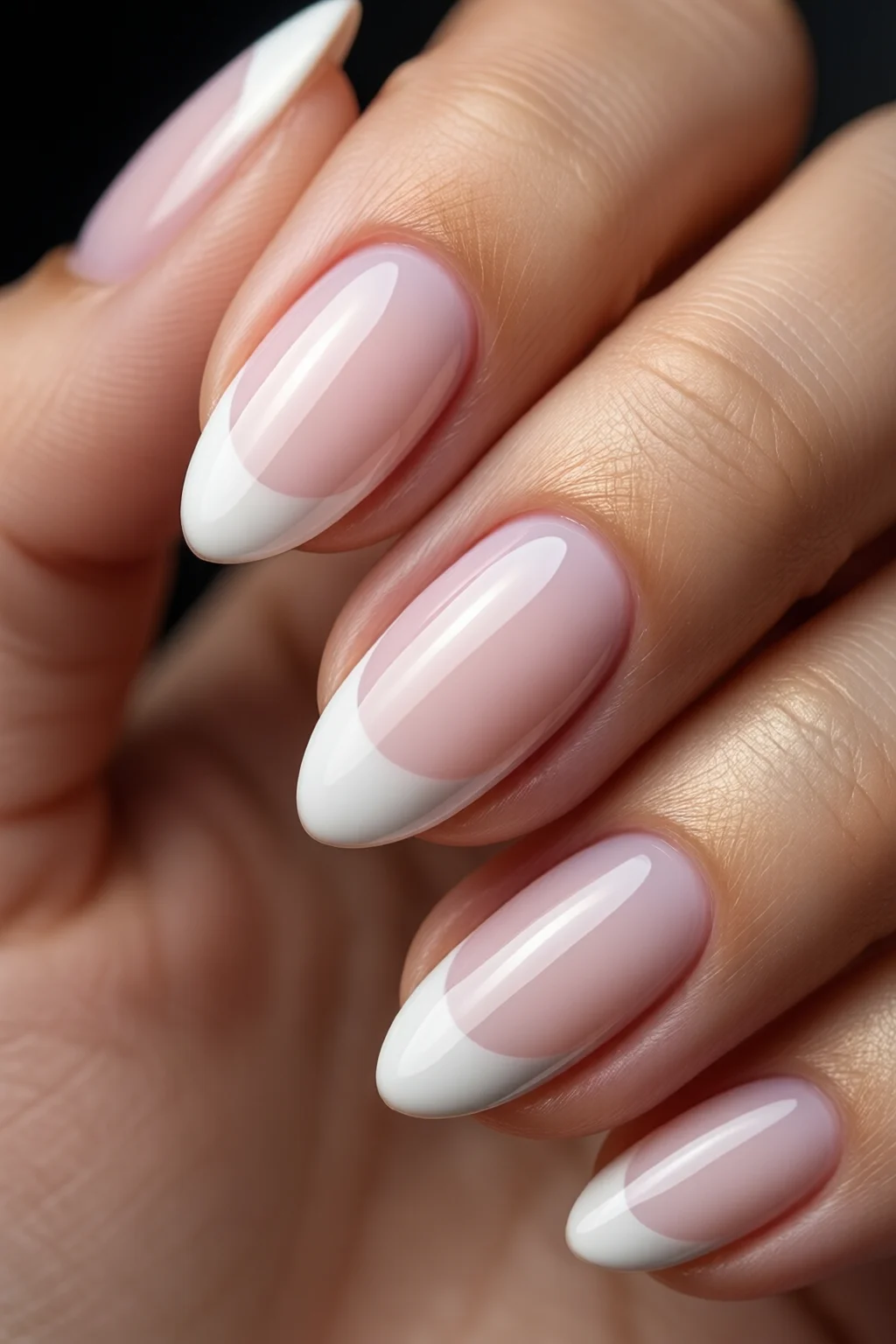
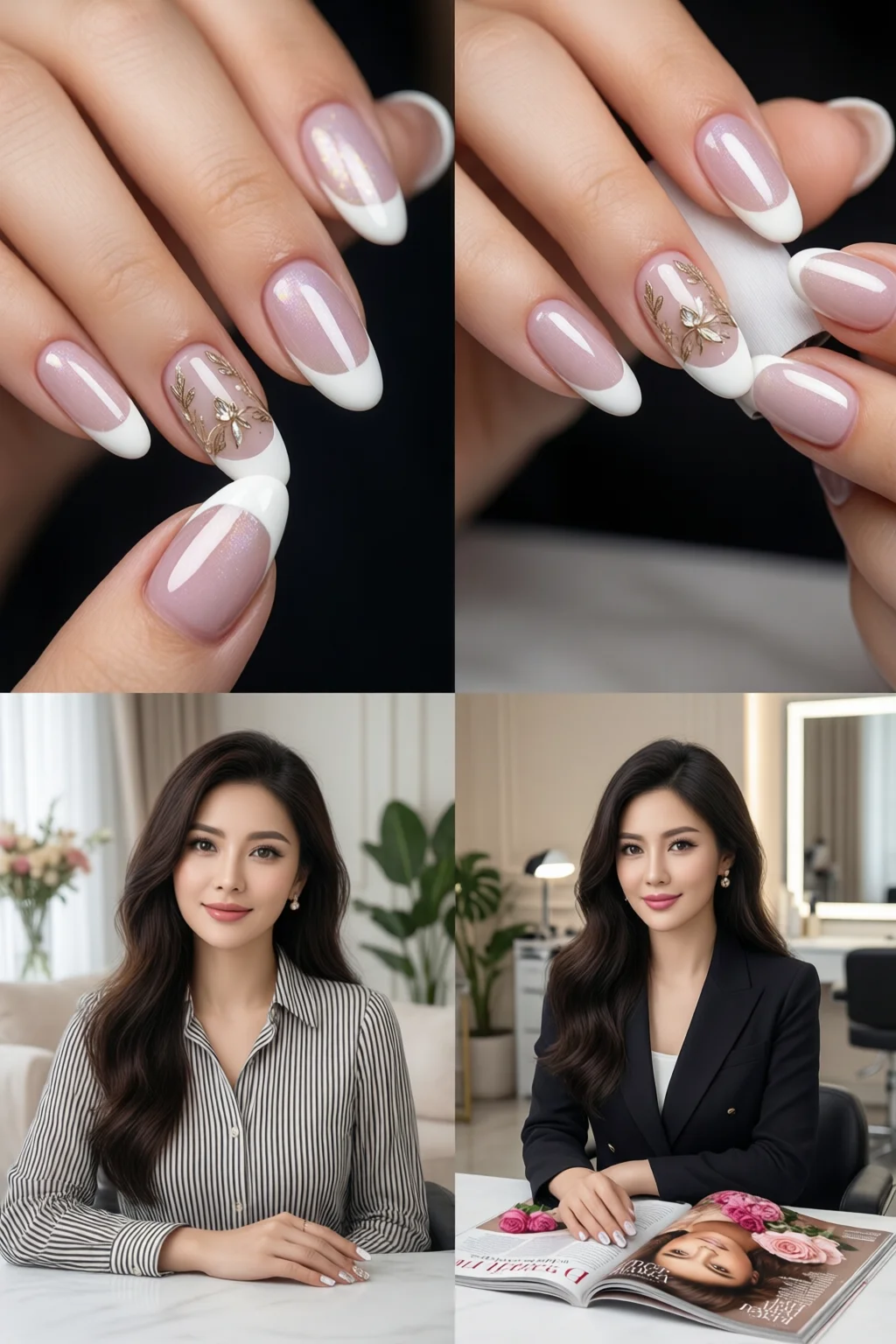
The signature look consists of three layers: a natural‑looking base (often sheer pink or nude), a stark white tip, and a clear top coat for shine. The contrast between the tip and the base should be sharp, but the width of the tip can be customized—from a subtle 1 mm edge to a bold 3 mm “American” style.
Key Terminology
- Base coat: protects nails from staining and improves polish adhesion.
- Tip guide: a thin strip of tape or a French tip stencil that creates the white edge.
- Top coat: seals the design, adds gloss, and extends wear time.
Why Do Some French Manicures Fail?
One mistake I see often is skipping cuticle care. Over‑grown or ragged cuticles create uneven surfaces, causing the white tip to feather. Another common issue is using a low‑quality white polish that chips within hours.
Essential Tools and Products
Base and Top Coats
| Product | Price (USD) | Dry Time | Highlights |
|---|---|---|---|
| OPI Professional Base Coat | $12.99 (30 ml) | 2 min | Strengthens, prevents staining |
| Sally Hansen Hard As Nails Top Coat | $8.49 (15 ml) | 1 min | High‑gloss, chip‑resistant |
| Essie Gel‑Proof Top Coat | $13.50 (15 ml) | 3 min | Gives a gel‑like finish without UV lamp |
White Polish Options
For a flawless tip, I recommend Zoya Pure White ($15.99, 15 ml) because its opacity stays consistent across nail colors. If you’re on a budget, Maybelline Color Sensational White ($4.99, 9 ml) works well but may require two coats.
Tip Guides and Tape
Reusable silicone French tip guides from mirror nail powder cost $9.99 for a set of four sizes. Alternatively, standard 1‑inch painter’s tape ($3.99 per roll) is a cheap substitute; just press it firmly to avoid seepage.
Additional Must‑Haves
- Fine‑grit nail buffer (180‑grit) – $2.79
- Cuticle oil (e.g., CND SolarOil) – $11.95, 15 ml
- Micro‑fiber polishing cloth – $5.49
- LED‑compatible gel polish (optional) – $19.99 per bottle
Step‑by‑Step Process for a Flawless French Manicure at Home
1. Prep and Shape
- Remove any old polish with acetone‑free remover.
- File nails to your preferred shape—oval or almond works best for a balanced tip.
- Buff the surface lightly (no more than 10 seconds) to eliminate ridges.
- Push back cuticles with a wooden pusher, then apply cuticle oil and let it absorb for 5 minutes.
2. Base Coat Application
Apply a thin layer of OPI Professional Base Coat. Wait 2 minutes; the coat should feel tacky, not sticky. This step is crucial for preventing the white polish from bleeding into the pink base.
3. Create the White Tip
- Place the silicone guide or 1‑inch tape 1–2 mm from the nail tip. Press firmly to seal edges.
- Using a small, high‑precision brush (e.g., cat eye nails at home brush), apply Zoya Pure White in thin strokes. Two coats are usually enough; let each dry 1 minute.
- Carefully peel off the guide while the polish is still slightly tacky to avoid lifting.
4. Paint the Base Color
Choose a sheer pink or nude that matches your skin tone. I favor Essie “Ballet Slippers” ($9.99, 15 ml) for its natural finish. Apply two coats, allowing 1 minute between layers.
5. Seal with Top Coat
Finish with Essie Gel‑Proof Top Coat for up to 10‑day durability. Cure under an LED lamp for 30 seconds if using a gel formula, or air‑dry for 2 minutes with a regular top coat.
6. Clean Up and Hydrate
Dip a cotton swab in nail polish remover and gently clean any stray paint around the cuticle line. Follow with a second round of cuticle oil and massage for 2 minutes to restore moisture.
Common Mistakes and How to Fix Them
Bleeding White Into the Base
If you notice white seeping under the tip, lightly dab the area with a Q‑tip soaked in acetone. Then reapply a thin layer of base coat and let it dry completely before re‑painting the tip.
Uneven Tip Width
Use a fine‑pointed brush to feather the edges. For a perfectly straight line, invest in a metal French tip stencil ($7.99) which snaps onto the nail for precise placement.
Chip‑Prone Finish
One mistake I see often is skipping the top coat. Even a quick 30‑second seal with a quick‑dry top coat dramatically reduces chipping. For extra protection, apply a second layer after the first has cured.
Pro Tips from Our Experience
- Temperature matters: Work in a room between 68–72 °F; colder temps cause polish to thicken and dry unevenly.
- Use a fan: A small tabletop fan speeds up drying time by 30 % without blowing dust onto nails.
- Customize tip shape: For a modern twist, try a “reverse French” where the white is on the nail bed and the tip is pink.
- Long‑lasting wear: Apply a thin layer of clear nail hardener (e.g., Orly Nail Defense) after the top coat for an additional 5‑day extension.
- Budget hack: Purchase white polish in bulk from a reputable wholesale site ($6.99 for 5 bottles) and store in a cool, dark place to maintain pigment stability.
Choosing the Right French Manicure Style for You
Traditional vs. Modern
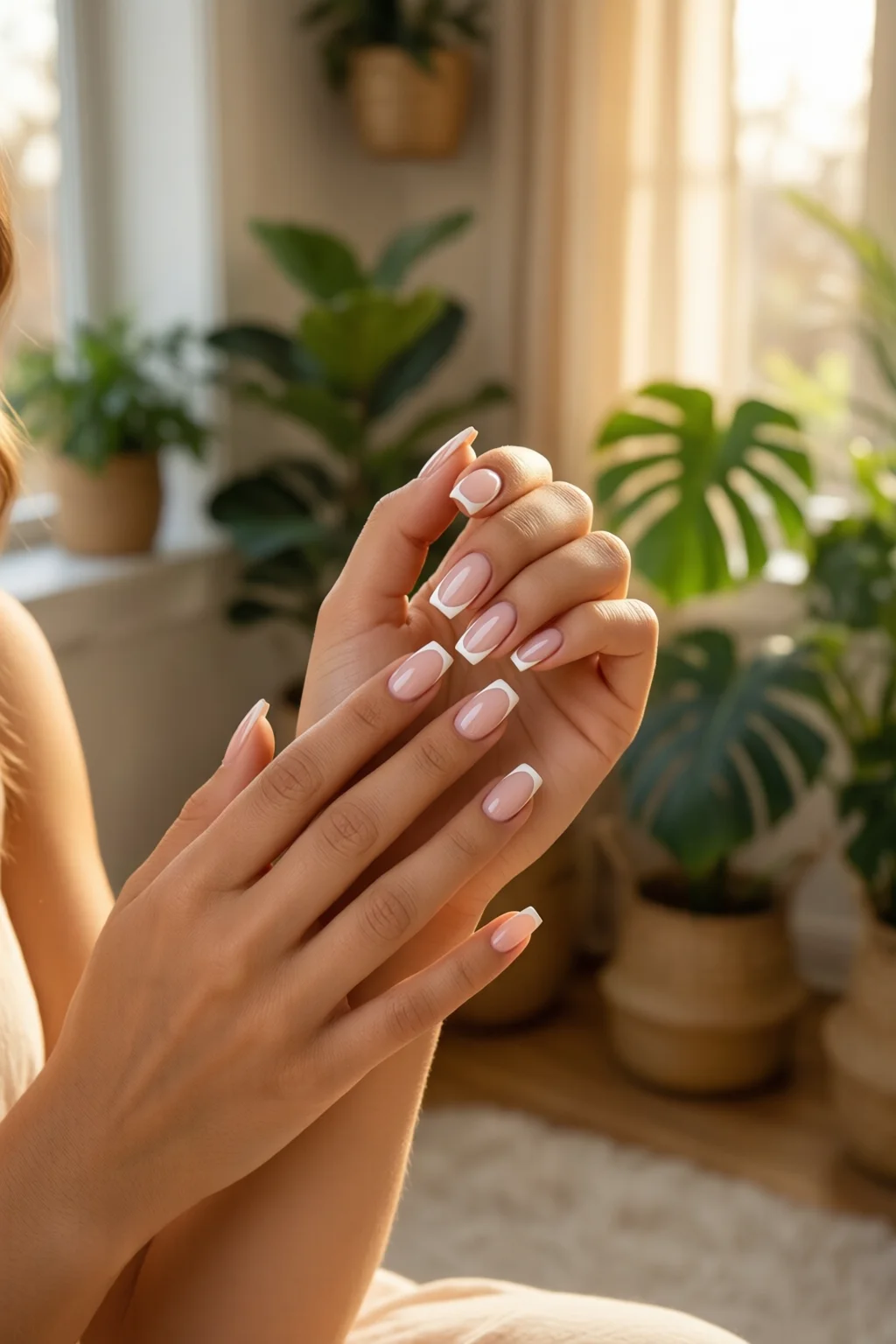
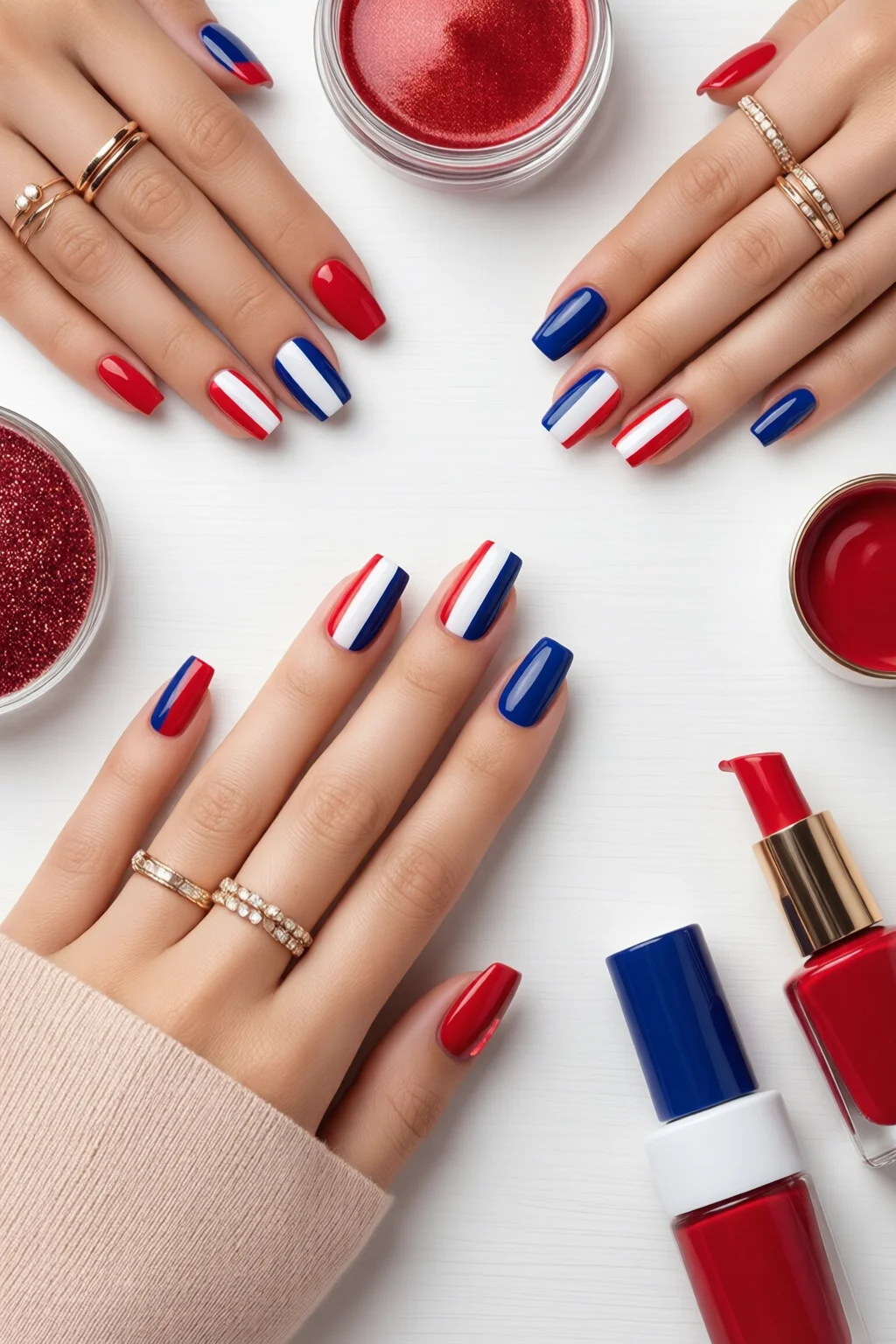
Traditional French features a stark white tip (about 2 mm). Modern variations include pastel tips, colored edges, or gradient “ombre” fades. Your choice should reflect your daily wardrobe and nail growth rate.
Short Nails
For nails under 7 mm, a thin 1 mm tip keeps the look proportional. Use a fine brush and a steady hand; practice on a dummy finger first.
Long Nails
Longer nails can handle a wider tip (up to 4 mm) and even double‑layered white for a high‑contrast effect. Consider a matte top coat for a sophisticated finish.
Cost Breakdown: Salon vs. DIY French Manicure
A salon French manicure typically costs $30–$55, plus a tip for the technician. Doing it at home with the recommended products runs about $45 for a full set of tools (one‑time purchase) and $12–$20 for consumables per session. Over a year, DIY can save you up to $300.
Conclusion: Your Next French Manicure at Home
Mastering a French manicure at home isn’t about expensive equipment; it’s about preparation, the right products, and a few practiced techniques. Follow the step‑by‑step guide, avoid common pitfalls, and incorporate the pro tips above, and you’ll enjoy salon‑level results whenever you please.
Take action now: gather your tools, set a timer for each drying step, and give yourself the gift of flawless, timeless nails.
How long does a French manicure at home typically last?
With a quality base coat, top coat, and proper nail care, a DIY French manicure can stay chip‑free for 7–10 days. Adding a nail hardener can extend wear to 14 days.
Can I use gel polish for a French manicure at home?
Yes. Apply a gel base, a gel white tip, and a sheer pink gel as the base color. Cure each layer under an LED lamp (30 seconds). Finish with a gel top coat for up to three weeks of wear.
What’s the best way to fix a smudged white tip?
Dip a fine brush in acetone, gently swipe the smudged area, then repaint a thin white line. Seal immediately with a quick‑dry top coat.
Do I need a special brush for the white tip?
A small, precision brush (0.5 mm tip) offers the most control. Many nail kits include one, or you can purchase a dedicated French tip brush for $4.99.
How can I make my French manicure look less “over‑done” for everyday wear?
Opt for a narrower white tip (1 mm) and a sheer, natural base like Essie “Ballet Slippers.” A matte top coat also softens the look while still protecting the design.
6 thoughts on “How to French Manicure At Home (Expert Tips)”