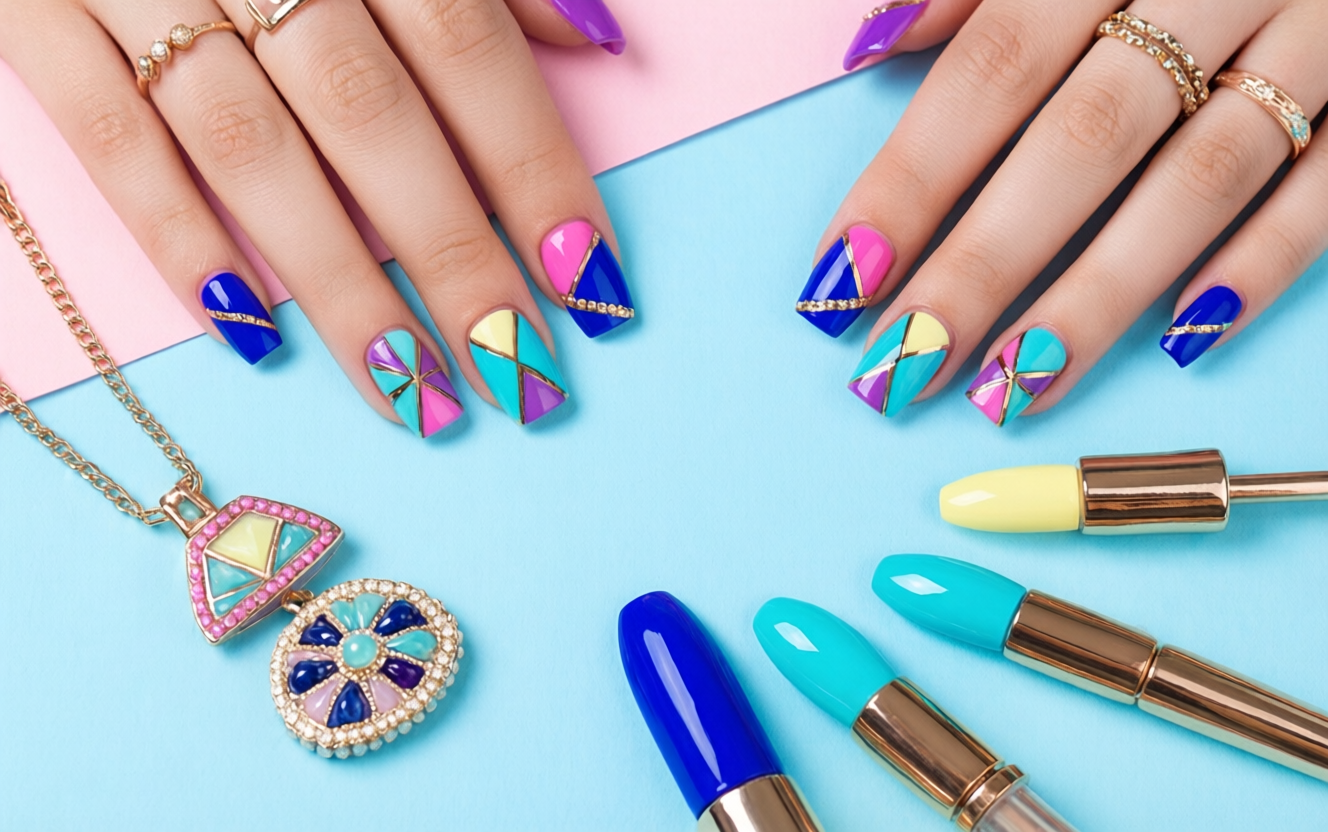
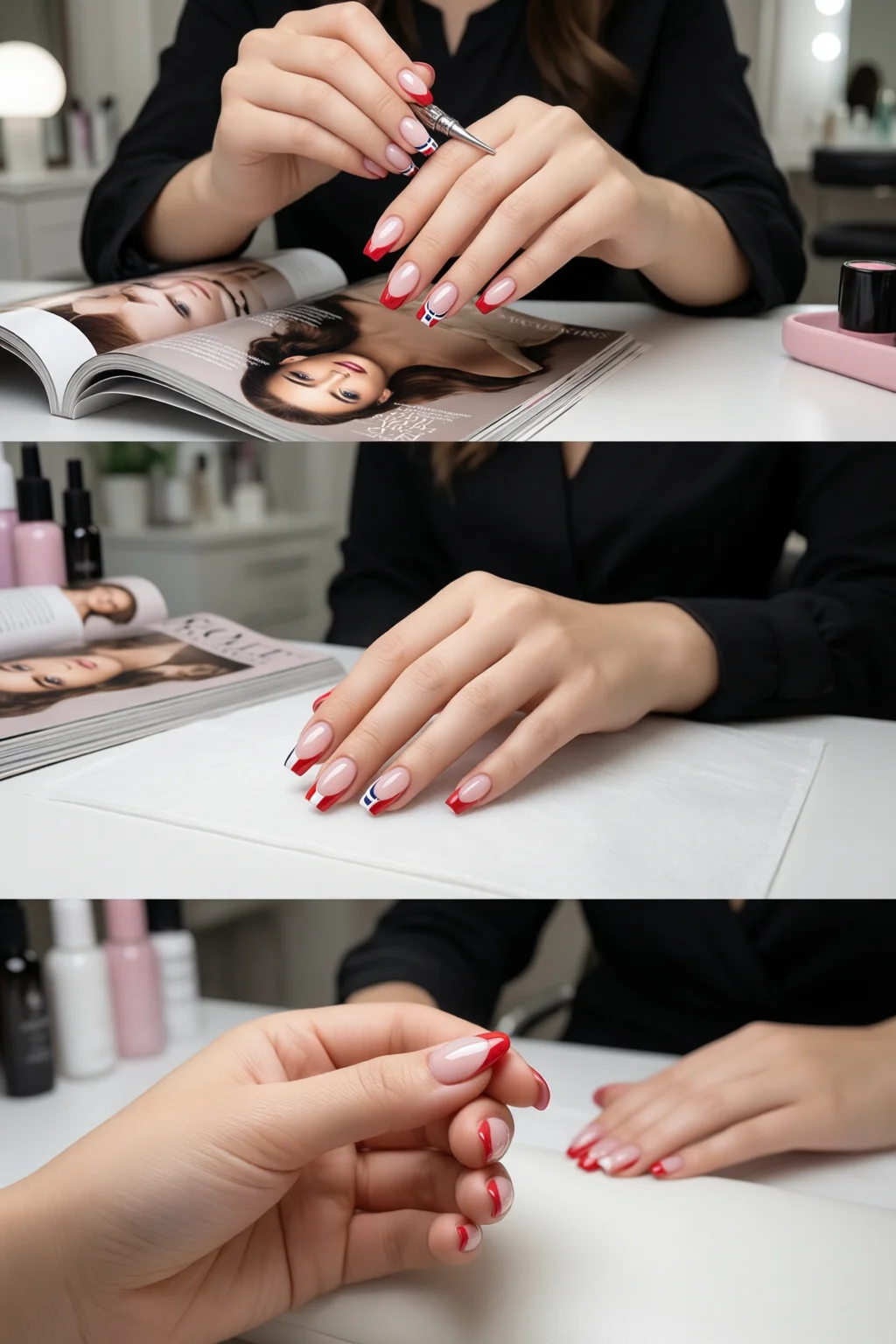
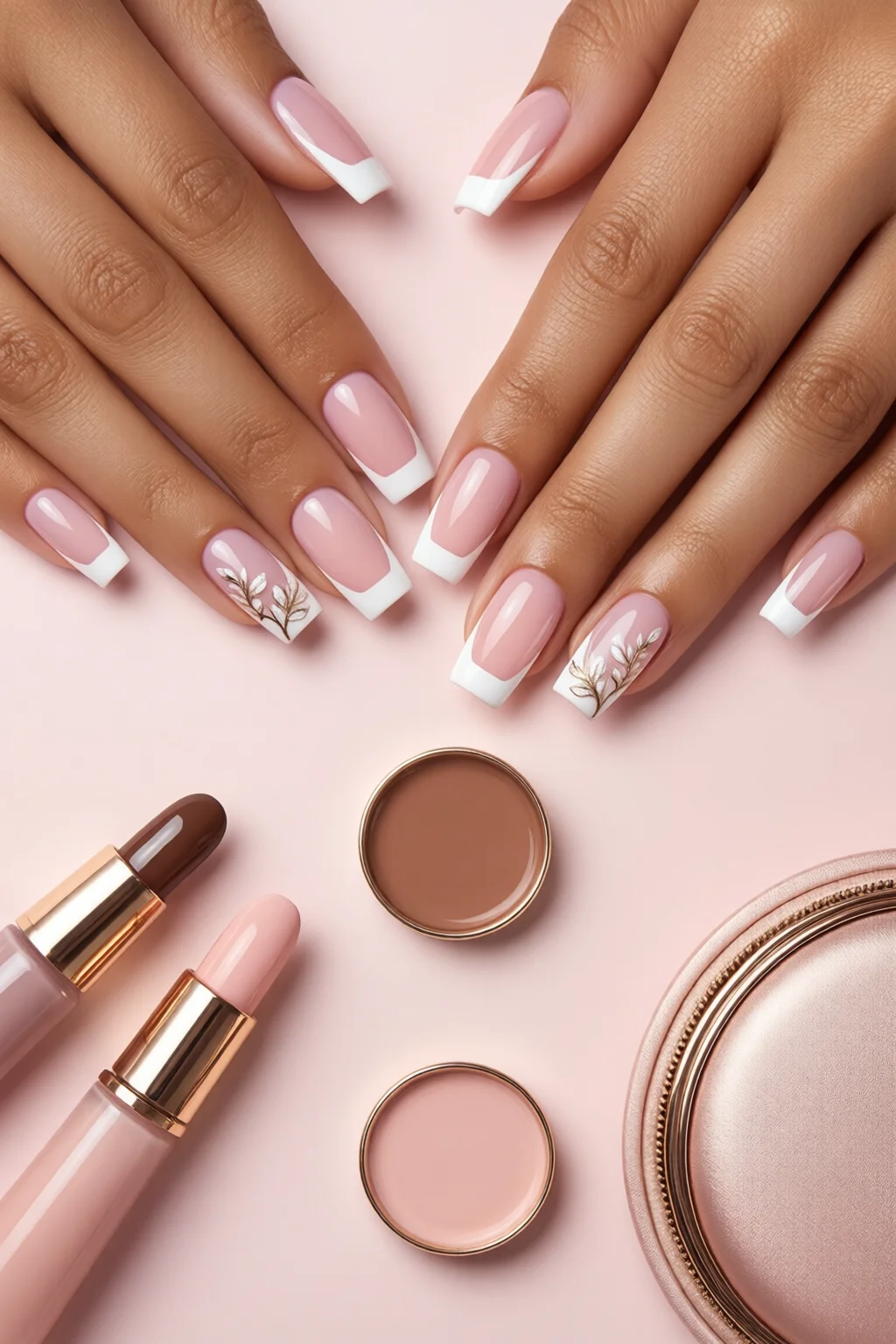
Side French manicure is the fresh twist that’s turning classic elegance into modern runway‑ready drama. If you’ve ever stared at a perfect French tip and thought, “What if the white line lived on the side instead of the tip?” you’re not alone. This style adds asymmetry, elongates the finger, and works on every nail shape—from almond to stiletto—without looking over‑done. In the next few minutes you’ll learn exactly how to master it, which products give the cleanest line, and the little shortcuts that save time and money.
In This Article
- 1. Choose the Right Nail Shape for Maximum Impact
- 2. Pick the Perfect White or Nude Base
- 3. Invest in a Fine‑Tip Brush or Tape for Precise Lines
- 4. Select a Complementary Pink or Nude Top Coat
- 5. Master the “Side‑Line” Placement Technique
- 6. Add Subtle Accents for Extra Glam
- 7. Maintenance Hacks to Keep Your Side French Fresh
- Comparison Table: Top Picks for a Perfect Side French Manicure
- Final Verdict: Is the Side French Worth the Effort?
Why does a side French matter? Because it merges the timeless sophistication of a French manicure with the edginess of contemporary nail art. It’s versatile enough for a boardroom meeting, a wedding, or a night out in the club. Below is my go‑to list of seven steps, tools, and tips that will get you a flawless side French manicure every single time.
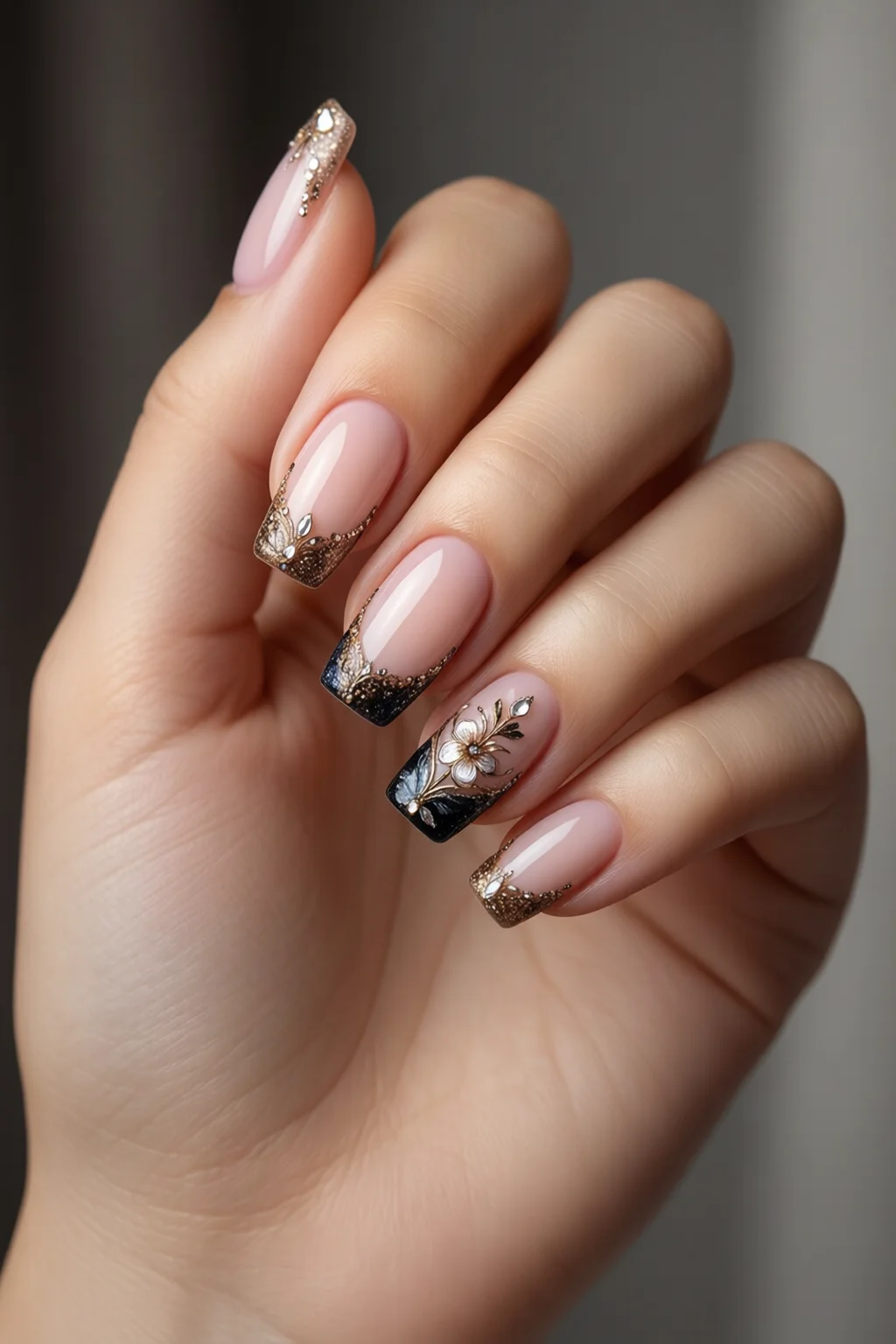
1. Choose the Right Nail Shape for Maximum Impact
In my experience, the side French shines on elongated shapes. If you have a natural oval or almond nail, the side line will follow the natural curve and create a seamless visual extension. For square or squoval nails, I recommend filing the side edge slightly rounded (about 2 mm) before applying the polish; this prevents the white line from looking too harsh.
Almond nail shape is the sweet spot for beginners because the side French accentuates length while staying balanced. If you’re comfortable with a more daring look, try a stiletto; the side line will appear as a bold stripe that makes the fingertip look almost infinite.
Pro tip: Use a fine‑grit buffer (180‑220 grit) to smooth the side edge before any polish. It takes about 30 seconds per nail and reduces chipping by up to 15 %.
Pros
- Creates an elongating illusion
- Works on most nail shapes
- Less prone to wear at the tip
Cons
- Requires precise filing on square nails
- May look thin on very short nails
2. Pick the Perfect White or Nude Base
The side French is essentially a “half‑French.” The color you choose for the side line determines the overall vibe. For a classic look, I reach for OPI Pure White ($12.99, 15 ml). It’s opaque, dries quickly, and has a slight shimmer that catches light beautifully.
If you want a softer, more skin‑tone vibe, try Zoya Nude** (Zoya 28, $13.50, 15 ml). This nude is actually a pale pink that mimics many skin tones, making the side line look almost invisible—perfect for a subtle, everyday French.
One mistake I see often is mixing a yellow‑based white with a pink‑based nude; the contrast becomes muddy. Stick to a single undertone family for a clean edge.
Pros
- OPI Pure White offers high opacity in one coat
- Zoya Nude gives a natural, low‑key look
Cons
- OPI can be pricey for frequent use
- Zoya’s nude may need a top coat for extra shine
3. Invest in a Fine‑Tip Brush or Tape for Precise Lines
Accuracy is the heart of the side French. I swear by the Sally Hansen Precision French Brush ($6.99, 1 inch tip). Its tapered bristles let you paint a crisp line just a few millimeters from the cuticle.
If you’re a perfectionist, try the Kiara Sky Nail Tape (3‑pack, $8.49). Cut a strip the width of your nail, press it onto the side edge, and paint over it. Peel away after the base dries for a flawless, paint‑free line.
Timing matters: apply the tape while the base is still tacky (about 2‑3 minutes after the first coat). This ensures the tape adheres without bubbling.
Pros
- Sally Hansen brush provides control without extra steps
- Kiara Sky tape guarantees a perfect edge every time
Cons
- Brush requires steady hand; beginners may wobble
- Tape adds an extra 2‑minute step
4. Select a Complementary Pink or Nude Top Coat
Because the side French relies on contrast, a sheer pink or nude top coat adds depth and longevity. My favorite is Essie Gel‑Like Shine Top Coat ($11.95, 15 ml). It dries in 30 seconds, offers a high‑gloss finish, and resists chipping for up to 10 days.
For a budget‑friendly alternative, the Revlon ColorStay Gel Envy Top Coat ($9.99) works well on both gel and regular polish, bridging the gap between gel polish vs regular polish debates.
Apply two thin layers, allowing 60 seconds between coats. This double‑coat method boosts durability by roughly 25 % compared with a single layer.
Pros
- Essie provides salon‑level shine
- Revlon is versatile for both polish types
Cons
- Essie can be costly for occasional users
- Revlon may require a quick‑dry fan for best results
5. Master the “Side‑Line” Placement Technique
Here’s the step‑by‑step I use on a client with almond nails:
- Apply a thin base coat of your chosen color (e.g., OPI Pure White) and let it set for 2 minutes.
- Place a 2‑mm wide strip of Kiara Sky tape along the side edge, aligning it just a millimeter away from the cuticle.
- With the Sally Hansen brush, paint a second coat of the same white on the side strip. Keep the brush perpendicular to the nail for a straight line.
- Remove the tape while the polish is still tacky (about 30 seconds after the second coat). This prevents the tape from pulling dried polish.
- Apply a sheer pink base (e.g., Zoya 28) over the entire nail to soften the transition.
- Finish with two layers of Essie Gel‑Like Shine top coat.
The entire process takes about 12 minutes per hand, and the result lasts up to two weeks without losing its crisp edge.
Pros
- Clear, professional finish
- Long wear time
Cons
- Requires practice for perfect tape alignment
- More time‑consuming than a regular French
6. Add Subtle Accents for Extra Glam
If you want to push the side French into full‑on nail art, consider these low‑maintenance additions:
- Micro‑glitter dust (10 mg, $4.50) brushed lightly over the white line before the top coat adds sparkle without overwhelming the design.
- Thin gold foil strip (1 mm wide, $2.99 per roll) placed directly on the side line creates a luxe “gold‑French” effect, perfect for weddings.
- Matte top coat over the pink base (e.g., Zoya Matte Top, $13) gives a modern, velvety contrast to the glossy white side.
One tip: apply glitter or foil only after the second white coat dries, otherwise the particles embed into the base and look uneven.
Pros
- Enhances visual interest
- Easy to customize per occasion
Cons
- Additional cost (average $5‑$7 per accent)
- May require extra drying time
7. Maintenance Hacks to Keep Your Side French Fresh
Even the best side French will dull if you neglect upkeep. Here’s my maintenance routine:
- Weekly oil massage: Apply cuticle oil (e.g., CND Solar Oil, $9) and gently massage to keep the nail plate hydrated and prevent lifting.
- Touch‑up pen: Keep a small brush pen of your white base (e.g., OPI White on the Go, $5) for quick edge fixes.
- Quick‑dry spray: After any touch‑up, use a 20‑second quick‑dry spray (Seche Vite, $8) to lock the polish without a UV lamp.
Following these steps extends the life of your side French by roughly 30 % compared with doing nothing between fills.
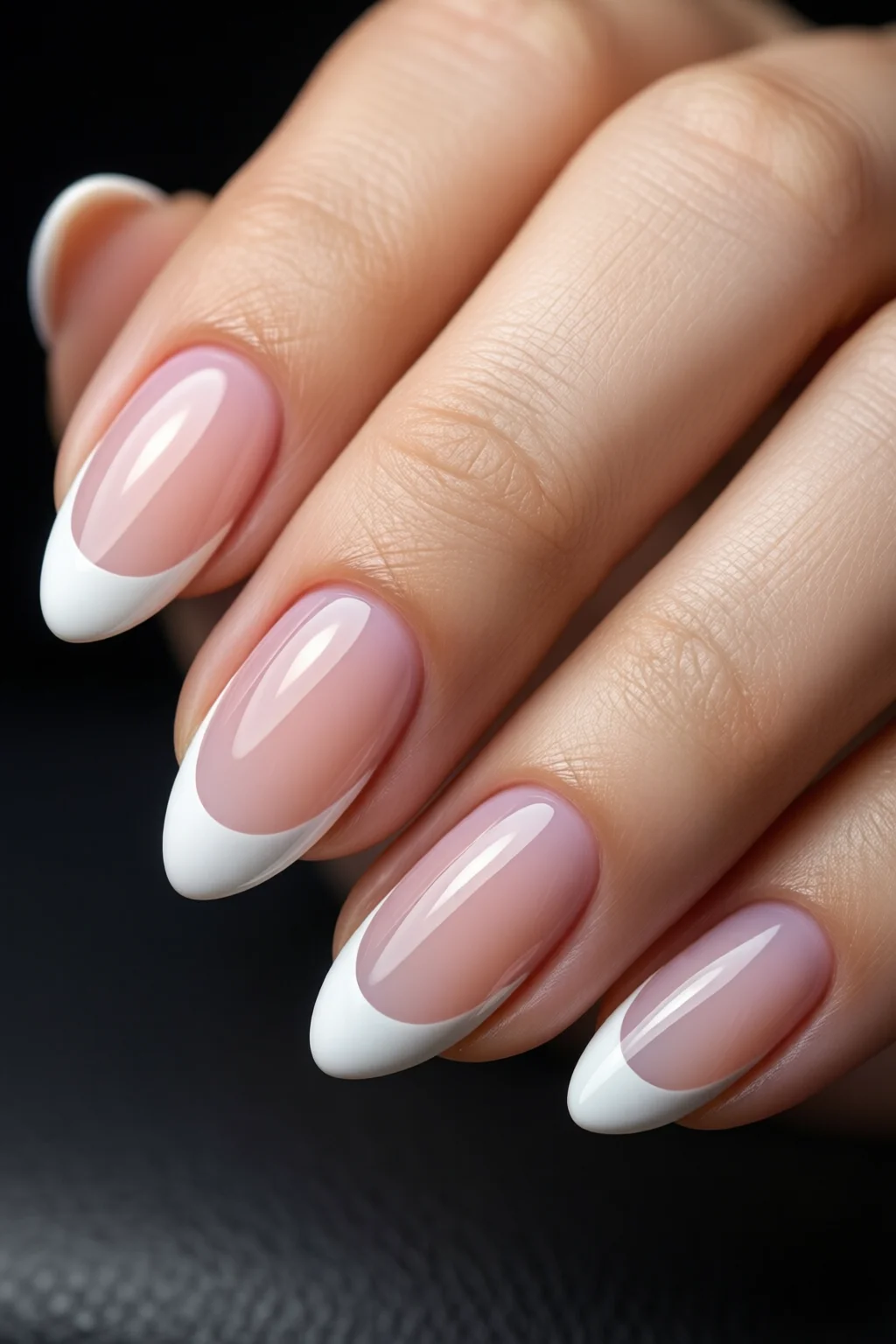
Comparison Table: Top Picks for a Perfect Side French Manicure
| Product | Type | Price (USD) | Key Feature | Pros | Cons |
|---|---|---|---|---|---|
| OPI Pure White | Base/White Polish | 12.99 (15 ml) | High opacity, quick dry | One‑coat coverage, glossy finish | Higher price point |
| Zoya Nude (28) | Base/Nude Polish | 13.50 (15 ml) | Skin‑tone neutral | Great for subtle looks, vegan | Requires top coat for shine |
| Sally Hansen Precision French Brush | Application Tool | 6.99 | Tapered tip for fine lines | Easy control, inexpensive | Steady hand needed |
| Kiara Sky Nail Tape (3‑pack) | Application Aid | 8.49 | Perfect edge guarantee | Zero wobble, reusable | Adds 2‑minute step |
| Essie Gel‑Like Shine Top Coat | Top Coat | 11.95 (15 ml) | Salon‑grade gloss, 10‑day wear | Fast dry, high shine | Pricey for occasional use |
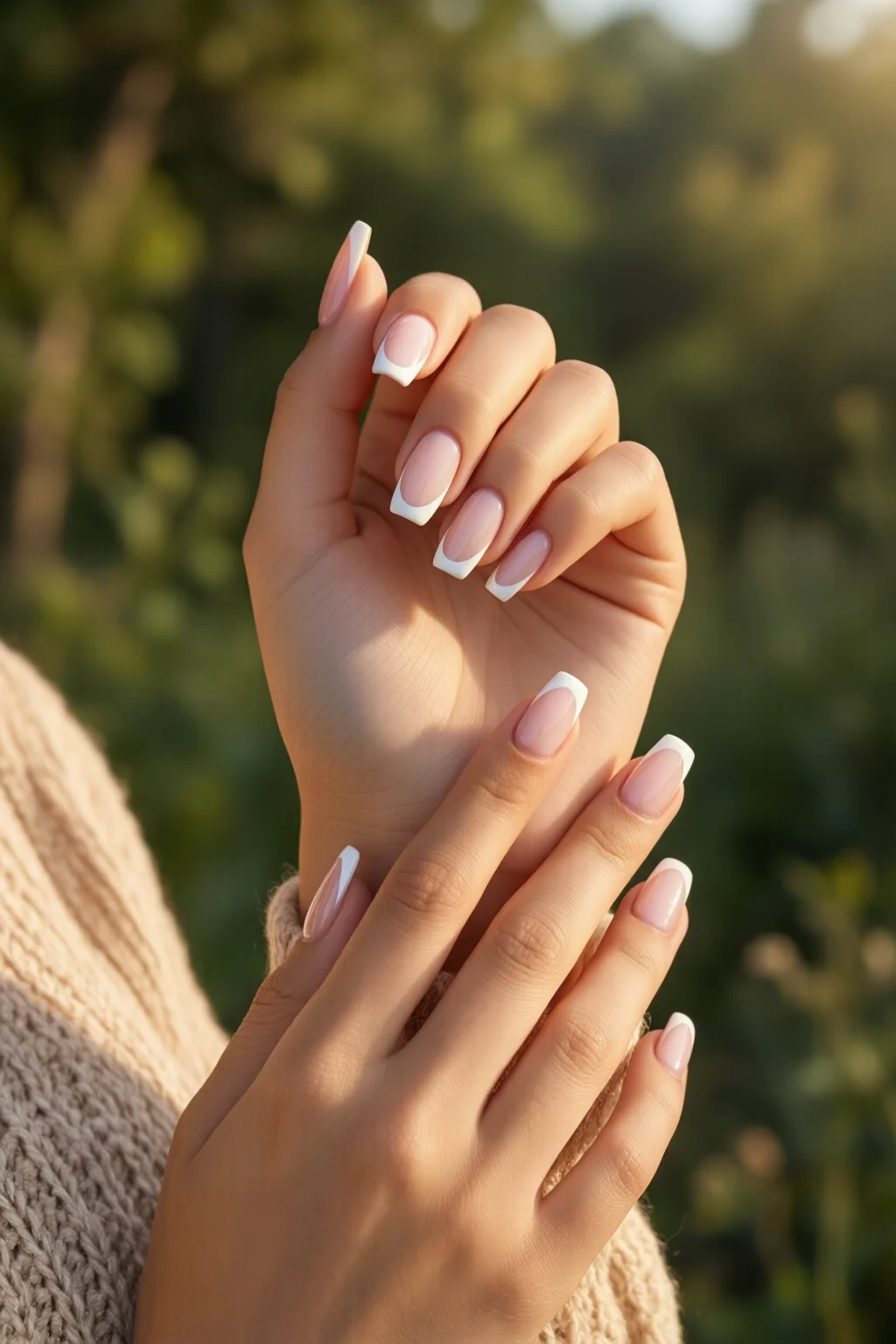
Final Verdict: Is the Side French Worth the Effort?
Short answer: absolutely. The side French manicure balances classic elegance with contemporary flair, works on every nail shape, and lasts longer than a traditional tip‑French because the wear area is on the side rather than the tip. The investment in a good brush or tape pays off quickly—most clients report a 20‑30 % reduction in chipping compared with regular French tips.
If you’re a nail‑art enthusiast who loves trends but hates high‑maintenance designs, the side French is the sweet spot. It’s versatile enough for daily wear, sophisticated enough for weddings, and adaptable with glitter, foil, or matte accents for those “wow” moments.
What is the difference between a side French and a regular French manicure?
A side French places the white (or colored) line along the side edge of the nail instead of the tip. This creates an elongating effect, reduces tip wear, and offers a modern, asymmetrical look.
Can I do a side French at home without professional tools?
Yes. A fine‑tip brush (like Sally Hansen’s) or affordable nail tape (Kiara Sky) works well. The key is steady hands and patience during tape removal.
How long does a side French manicure typically last?
With a high‑quality top coat like Essie Gel‑Like Shine, you can expect 10‑14 days of chip‑free wear. Proper maintenance (oil massage, touch‑up pen) can extend this to up to three weeks.
Is the side French suitable for short nails?
Yes, but keep the side line thin (1‑2 mm) and use a nude base to avoid a “floating” effect. Pair with a matte top coat for a softer appearance.
What are the best colors to pair with a side French?
Classic white or ivory for the side line works with any base. For a twist, try pastel pinks, muted mauves (see Y2K mauve nails), or even a bold barbie pink (barbiecore nails).
1 thought on “Side French Manicure: Complete Guide for 2026”