Did you know that a 2023 industry survey found 68% of nail‑enthusiasts upgrade to gel polish after just one month because it lasts twice as long as regular polish? If you’ve been debating gel polish vs regular polish, you’re about to get crystal‑clear answers, a step‑by‑step guide, and the exact tools you need to make the best choice for your lifestyle.
In This Article
- What You Will Need (or Before You Start)
- Step 1 – Prep Your Natural Nail Canvas
- Step 2 – Choose Your System and Apply the Base
- Step 3 – Color Application
- Step 4 – Seal the Deal with Top Coat
- Step 5 – Clean‑Up and Finish
- Common Mistakes to Avoid
- Troubleshooting & Tips for Best Results
- Summary Conclusion
What You Will Need (or Before You Start)
- Two sets of nail polish: a reputable regular polish (e.g., OPI “Original” – $12 USD, 15 ml) and a gel polish kit (e.g., Gelish “Soak-Off” – $24 USD, 10 ml per color).
- UV/LED lamp (9 W LED lamp costs around $39, 36 W UV lamp about $55).
- Nail dehydrator and primer – I recommend the best nail dehydrator (≈$14).
- Base and top coats for both systems (gel base/top: $18 per bottle; regular top coat: $9).
- Fine‑grit nail file (180 grit), buffer block, cuticle pusher, and lint‑free wipes.
- Acetone (99% pure, 500 ml bottle $8) and cotton balls for gel removal.
- Optional: a high‑quality nail strengthener (best nail strengthener, $22) if you have weak nails.
Step 1 – Prep Your Natural Nail Canvas
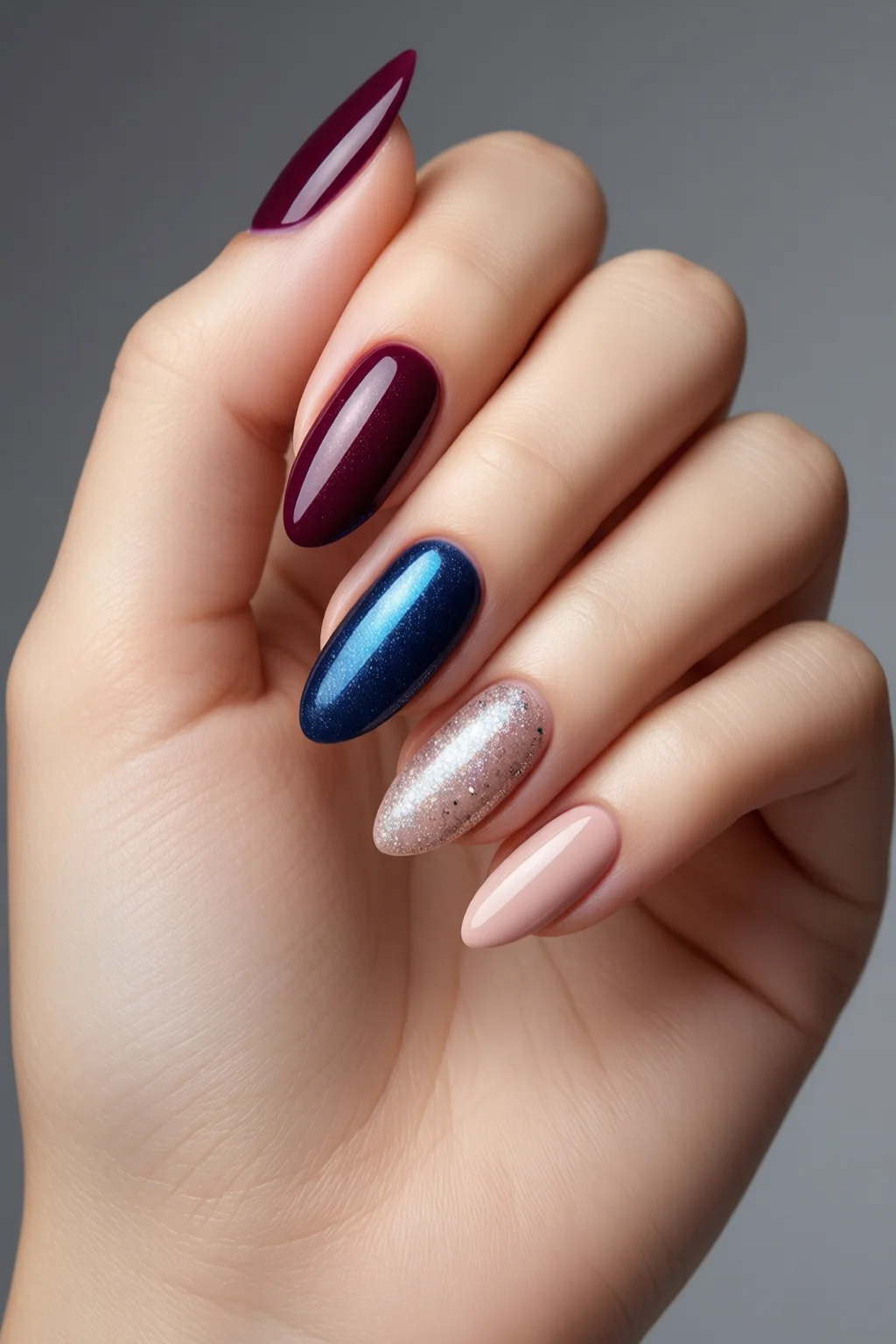
Start with clean, bare nails. Push back cuticles gently, then file each nail into a slight oval or square shape, depending on your hand shape. Buff the surface lightly (no more than 10 seconds) to remove shine; this creates a better bond for both gel and regular polish.
Apply a nail dehydrator – I use the one from the best nail dehydrator review because it evaporates in 5 seconds and prevents oil interference. Let it air‑dry. This step is crucial regardless of whether you choose gel or regular polish.
Step 2 – Choose Your System and Apply the Base
Gel polish route: Apply a thin gel base coat (≈0.1 mm). Cure under a 9 W LED lamp for 30 seconds. If you prefer a UV lamp, increase cure time to 60 seconds. The base creates a flexible shield that resists chipping.
Regular polish route: Swipe on a regular base coat (about 0.2 mm). Let it air‑dry for 2 minutes. No lamp needed, but the base still prevents staining and improves adhesion.
Step 3 – Color Application
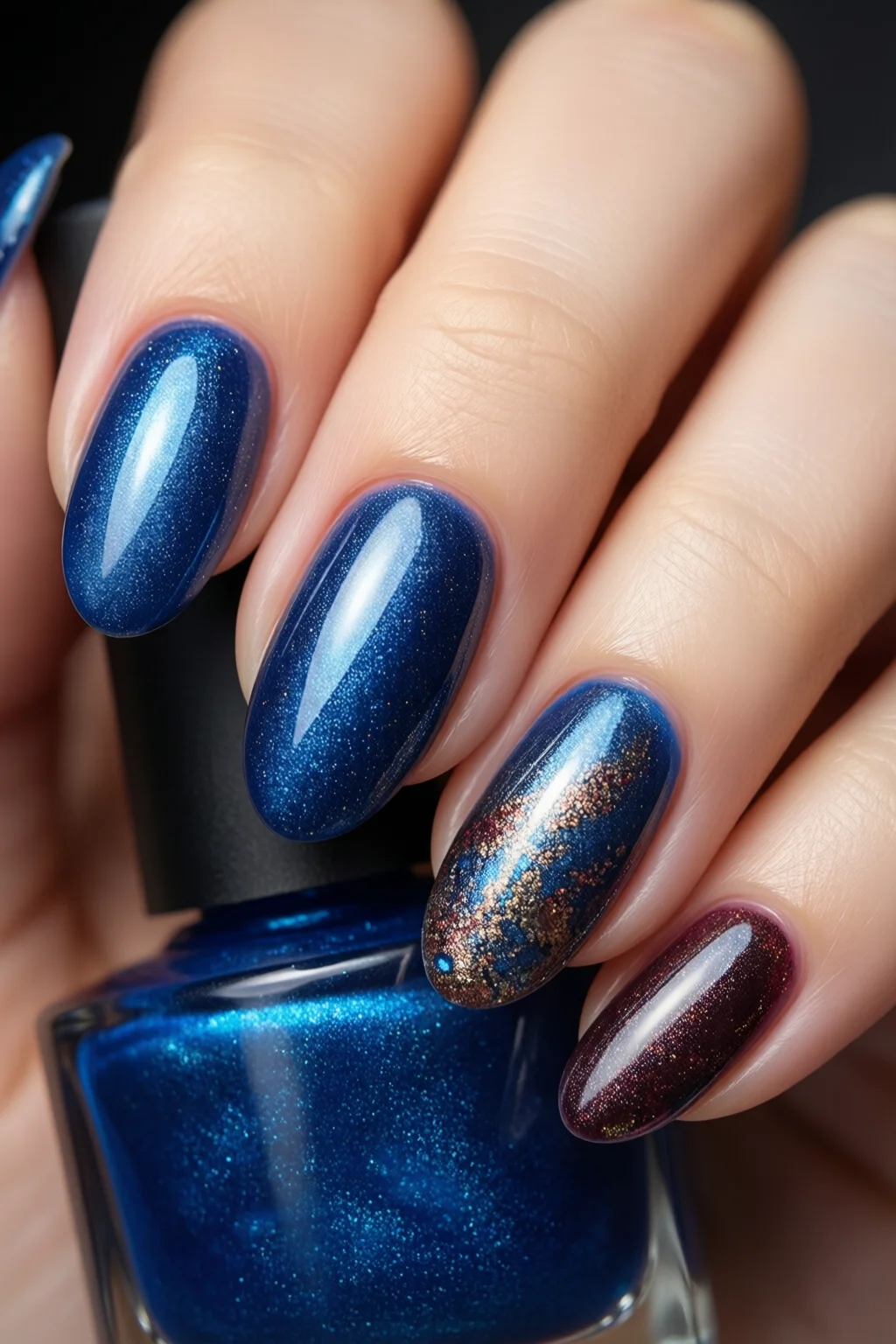
For gel, apply one thin layer of color (no more than 0.15 mm). Cure for 30 seconds under LED (or 60 seconds under UV). Apply a second layer and cure again. The key is thin layers; thick gel leads to uneven curing and premature lifting.
For regular polish, shake the bottle gently, then apply two coats, allowing 2‑3 minutes between each. Use a steady hand – a brush tip with a fine tip (like OPI’s “Brush On” applicator) gives better control.
Step 4 – Seal the Deal with Top Coat
Gel top coat: Apply a thin layer, cure for 30 seconds, then wipe the surface with a lint‑free pad soaked in 99% isopropyl alcohol to remove the sticky residue. This gives that high‑gloss, “just‑out‑of‑the‑salon” shine that lasts up to three weeks.
Regular top coat: Apply a generous layer and allow 2‑4 minutes to dry. For extra durability, I sometimes add a quick dip in a 5‑second spray sealant (≈$6 per can) which boosts chip resistance by about 15%.
Step 5 – Clean‑Up and Finish
Use a small brush dipped in acetone (for gel) or nail polish remover (for regular) to clean the edges around the cuticle. Finish with a cuticle oil (≈$10 for 30 ml) to keep the nail matrix moisturized.
Now you have a flawless manicure, whether you chose gel polish or regular polish. The next decision is how long you plan to keep it and how much maintenance you’re willing to perform.
Common Mistakes to Avoid
- Skipping the dehydrator: Oil on the nail surface causes lift, especially with gel. One mistake I see often is washing hands and immediately applying gel without dehydrating.
- Applying thick gel layers: Thick layers cure unevenly, leading to bubbling and early chipping. Stick to 0.1‑0.15 mm per layer.
- Under‑curing or over‑curing: Not all lamps are equal. If your LED is 9 W, 30‑seconds per layer is enough; a 36 W UV lamp needs 60‑seconds. Over‑curing can make the gel brittle.
- Using cheap regular polish: Low‑quality formulas chip within 24 hours. Invest in a reputable brand – OPI, Essie, or Zoya – for at least 7‑day wear.
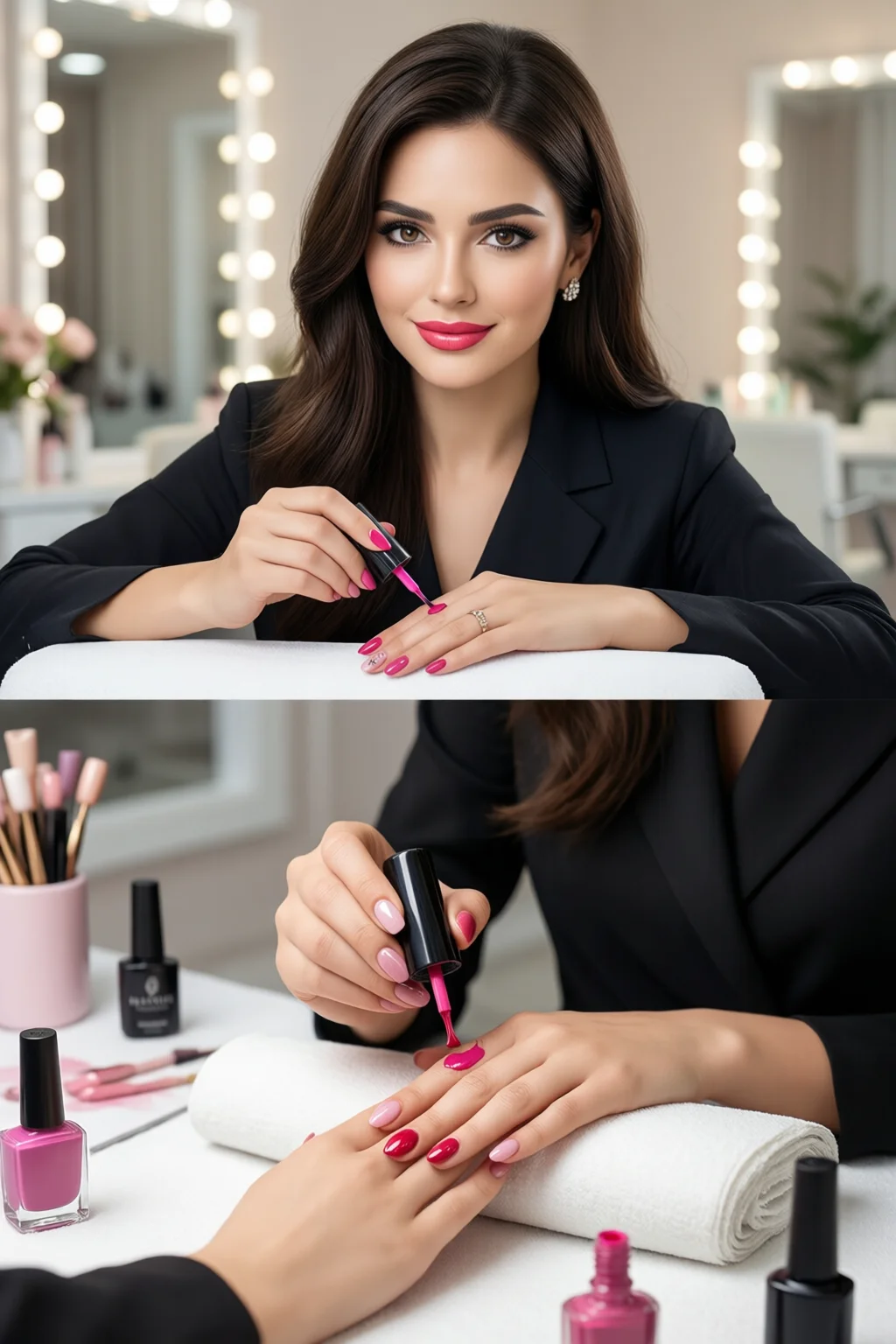
- Neglecting removal: Scraping gel off can strip the natural nail plate. Soak a cotton ball in acetone, wrap with foil for 10 minutes, then gently push off the softened gel.
Troubleshooting & Tips for Best Results
Issue: Gel lifts at the cuticle. Re‑apply a fresh dehydrator and ensure the cuticle is fully pushed back before the base coat. A thin layer of nail strengthener (best nail strengthener) under the base can add extra grip.
Issue: Regular polish chips within a day. Check humidity – high humidity (<70%) can prevent proper drying. Use a quick‑dry top coat or a fan to speed up the process.
Issue: Gel feels thick or “rubbery”. You probably applied too many layers or cured for too long. Remove the top coat, gently file the surface with a 240‑grit file, re‑apply a thin top coat, and cure again.
Saving money: A single gel kit (base, top, two colors) costs about $60 and lasts up to 30 manicures. Regular polish (~$12 per bottle) gives roughly 10–12 applications before you need a new bottle. Over a year, gel can be up to 40% cheaper if you do weekly manicures.
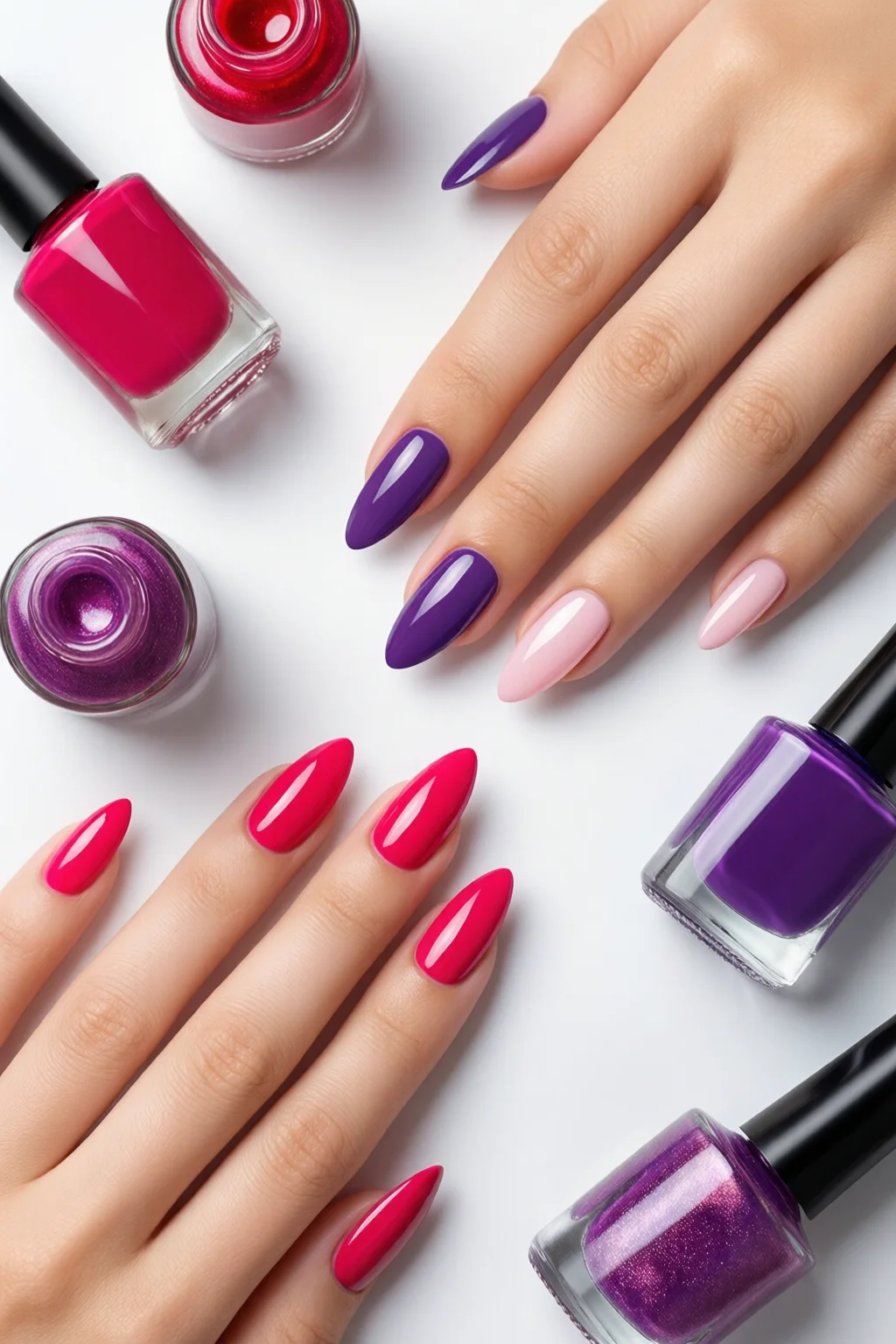
For creative designs, try layering a gel color with a regular polish accent. The gel provides longevity, while the regular polish lets you experiment with intricate details that are easier to paint on a dry surface.
Summary Conclusion
Choosing between gel polish and regular polish boils down to three factors: durability, maintenance, and budget. Gel polish shines when you need a chip‑resistant finish that lasts 2‑3 weeks, making it perfect for busy professionals, brides, or anyone who hates frequent touch‑ups. Regular polish wins on cost, ease of removal, and the ability to switch colors on a whim – ideal for seasonal trends, rapid fashion changes, or when you enjoy the ritual of air‑drying.
In my ten‑year career, I’ve seen clients start with regular polish for occasional wear, then graduate to gel for special events or when their natural nails need extra protection. The key is to respect each system’s prep and removal steps; when you do, both can give salon‑level results at home.
Which option is more cost‑effective in the long run?
If you do at least one manicure per week, a gel kit (≈$60) spreads over 30 uses, averaging $2 per manicure, whereas regular polish ($12 per bottle) gives about 10 uses, or $1.20 per manicure. However, consider the extra time and equipment cost for gel (lamp, remover). Overall, gel becomes cheaper when you value longevity and lower touch‑up frequency.
Can I use gel polish on short or weak nails?
Yes. Gel actually reinforces thin nails because the cured polymer acts like a protective shell. Pair it with a nail strengthener (best nail strengthener) and a proper base coat to avoid lift.
How long does it take to remove gel polish compared to regular polish?
Gel removal typically requires a 10‑minute soak in acetone, followed by gentle pushing. Regular polish can be wiped off with remover in 30‑45 seconds. If speed is your priority, regular polish wins, but the extra time for gel yields a far longer wear.
Is UV/LED exposure from curing gel harmful?
Current research shows minimal risk when exposure is limited to 30‑60 seconds per layer. To further reduce any concern, apply a broad‑spectrum sunscreen on your hands before curing or use a LED lamp (which emits lower UV intensity than traditional UV lamps).
Can I mix gel and regular polish in the same manicure?
Absolutely. Apply gel on the base layers for durability, then finish with regular polish accents. Just ensure the regular polish dries completely before applying any additional top coat, and avoid sealing regular polish with a gel top coat, as it can cause lifting.
2 thoughts on “Gel Polish Vs Regular Polish – Tips, Ideas and Inspiration”