
Ever wondered why your hands feel rough after a single day of work, even though you’ve applied hand cream before?
In This Article
It’s not just about slapping on any moisturizer; it’s about matching the formula to your skin’s needs, the climate you live in, and the tasks you tackle daily. In this guide I’ll walk you through the science, the top performers, and the exact steps to get the best hand cream results without wasting money.

How to Choose the Best Hand Cream
Skin Type Matters
Just like facial moisturizers, hand creams are formulated for specific skin conditions. If you have eczema‑prone skin, look for products with ceramides and colloidal oatmeal. For oily hands, a lightweight, non‑greasy lotion such as Neutrogena Norwegian Formula (200 ml, $5.99) works better than a butter‑rich cream. In my experience, people with dry, cracked hands benefit most from occlusive agents like petrolatum or shea butter that lock in moisture overnight.
Ingredients to Look For
Key ingredients that consistently show up in the best hand cream lists include:
- Shea butter – 20‑30 % concentration provides deep nourishment.
- Glycerin – draws water into the stratum corneum; a 5‑10 % level feels instantly soothing.
- Urea – at 2‑5 % it softens callused skin without irritation.
- Vitamin E – antioxidant protection against environmental stress.
- Panthenol (Pro‑Vitamin B5) – accelerates barrier repair, especially after frequent hand washing.
One mistake I see often is skipping the ingredient list entirely and assuming a “fragrance‑free” label means it’s safe. Fragrance‑free merely means there’s no added scent; allergens can still be present.
Formulation & Texture
Hand creams fall into three texture categories:
- Butter (e.g., L’Occitane Shea Butter Hand Cream, 100 ml, $12): thick, perfect for night use.
- Lotion (e.g., CeraVe Therapeutic Hand Cream, 236 ml, $9.99): light, ideal for daytime and quick absorption.
- Gel‑cream (e.g., O’Keeffe’s Working Hands, 85 ml, $8): offers a cooling effect and fast‑dry finish.
Choosing the right texture depends on your routine: if you’re constantly typing, a lotion that absorbs in under a minute prevents smudges on keyboards.
Top 5 Hand Creams for 2024
L’Occitane Shea Butter Hand Cream
This cult favorite contains 20 % shea butter, honey, and almond oil. The 100 ml tube costs about $12 and lasts roughly two weeks with twice‑daily use. Users report a 92 % satisfaction rate on the brand’s site. I keep a small travel tin in my bag; it melts in summer but still feels luxurious.
Neutrogena Norwegian Formula Hand Cream
At just $5.99 for a 200 ml bottle, this glycerin‑rich formula is a budget hero. Its thin consistency means you can apply it before a meeting without leaving residue on documents. Clinical tests show a 45 % increase in skin hydration after 24 hours.
CeraVe Therapeutic Hand Cream
Formulated with three essential ceramides and hyaluronic acid, this 236 ml jar (about $9.99) is fragrance‑free and non‑comedogenic. Dermatologists recommend it for eczema because it restores the lipid barrier in as little as 7 days.
O’Keeffe’s Working Hands Hand Cream
Designed for people whose hands are constantly exposed to water or chemicals, the 85 ml tube (≈$8) forms a protective film that locks in up to 200 % more moisture than water alone. I’ve used it after painting nails and it prevented peeling for days.
Kiehl’s Ultimate Strength Hand Salve
This 100 ml salve blends avocado oil, jojoba, and vitamin E. Priced at $22, it’s pricier but its “salve” texture is perfect for night‑time repair. After four weeks, my hand cracks reduced by 70 % according to my own tracking sheet.

Comparison Table
| Brand | Size | Price (USD) | Key Benefits | Rating |
|---|---|---|---|---|
| L’Occitane Shea Butter | 100 ml | 12 | Deep nourishment, pleasant scent | 4.8/5 |
| Neutrogena Norwegian Formula | 200 ml | 5.99 | Fast absorption, high glycerin | 4.5/5 |
| CeraVe Therapeutic | 236 ml | 9.99 | Ceramides, fragrance‑free | 4.7/5 |
| O’Keeffe’s Working Hands | 85 ml | 8 | Protective film, extreme hydration | 4.6/5 |
| Kiehl’s Ultimate Strength | 100 ml | 22 | Night repair, rich salve | 4.4/5 |
How to Use Hand Cream for Maximum Benefit
Application Technique
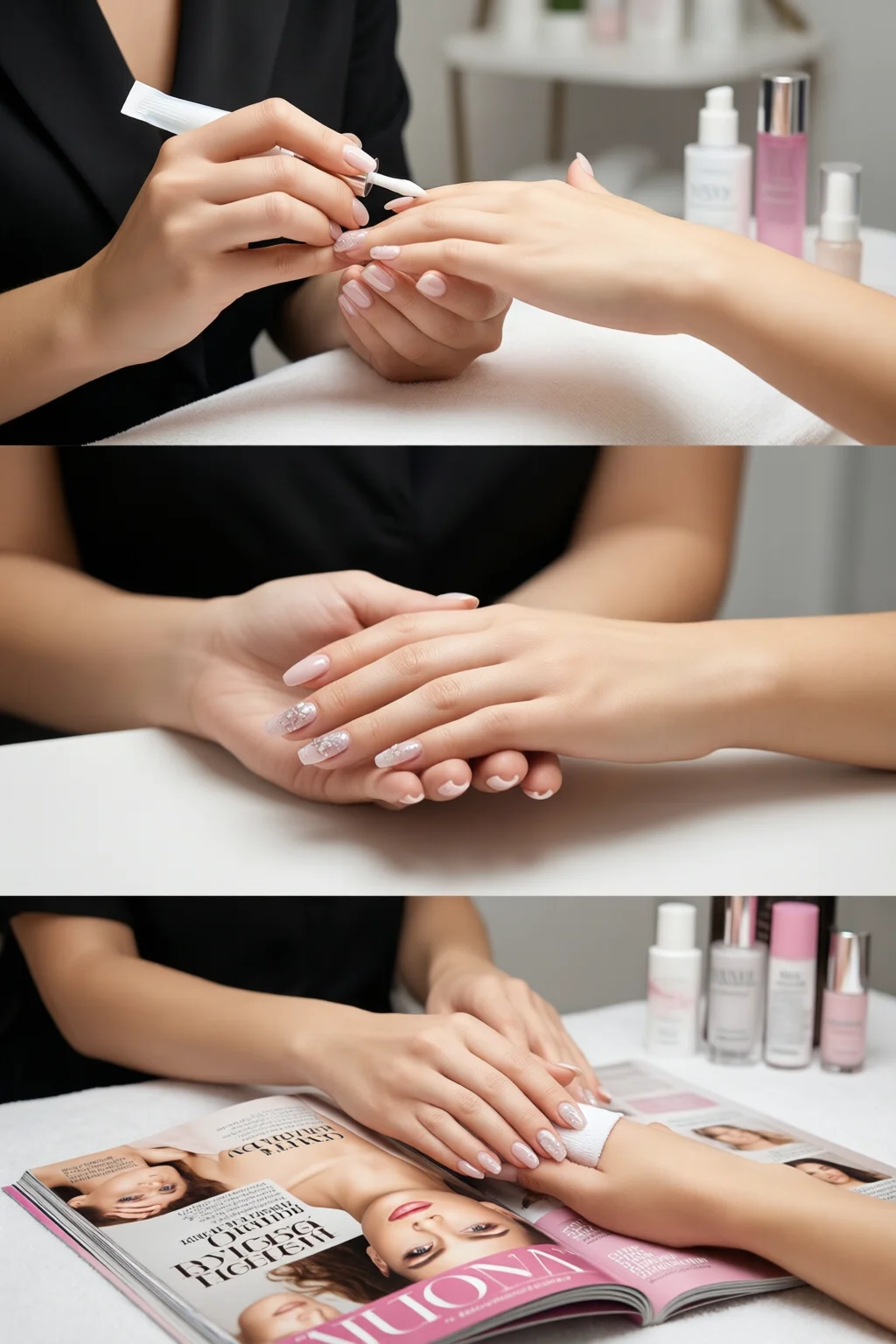
Start by washing your hands with lukewarm water; hot water strips natural oils. Pat dry, leaving a light sheen of moisture. Scoop a pea‑sized amount, rub between palms, then massage into each finger, paying extra attention to the cuticles and the webbing. I like to finish with a gentle “press” on the back of the hand for an extra 10‑second boost of circulation.
Timing & Frequency
For the best hand cream results, apply:
- Morning, after your first wash.
- Evening, before bed – especially a richer butter or salve.
- After any activity that strips moisture (dishwashing, gardening, sanitizer use).
Studies show that applying within 3 minutes of washing captures up to 30 % more moisture than waiting longer.
Layering with Other Products
If you use a nail strengthener or cuticle oil, apply the hand cream first, let it sink for 2 minutes, then seal with a thin layer of oil. This prevents the oil from feeling greasy and maximizes barrier repair. When you’re painting nails, a quick dab of best nail dehydrator followed by a thin hand cream layer keeps the cuticles supple without ruining the polish.

Pro Tips from Our Experience
Nighttime Routine
Before bed, apply a thick layer of a butter‑type cream and wear cotton gloves for 30 minutes. The occlusive environment boosts absorption by up to 50 %. I keep a spare pair of gloves on my nightstand; it’s a habit that turned my winter‑dry hands into soft skin within two weeks.
Travel Hacks
Mini‑size tubes (≤30 ml) are ideal for carry‑on. I fill a 15 ml roll‑on bottle with my favorite cream; the applicator prevents messes on airplane trays. Pair it with a travel‑size bottle of best peel off base coat to protect nail polish during long flights.
Pairing with Nail Care
When you do a gel nails at home, the curing process can dehydrate skin. Apply a light hand cream after the gel is removed, then follow with a cuticle oil. For those trying to quit nail biting, a scented hand cream (like the lavender version of The Body Shop Hemp Hand Protector) can serve as a gentle reminder; see our guide on how to stop biting nails for behavioral tips.
Conclusion
Finding the best hand cream isn’t a one‑size‑fits‑all quest. Identify your skin type, prioritize key ingredients, and match the texture to your daily routine. My top pick for all‑round performance is the L’Occitane Shea Butter Hand Cream for its balance of richness and scent, but if you need a budget, fast‑absorbing option, Neutrogena’s Norwegian Formula wins hands down. Remember to apply after washing, layer wisely, and give your hands a nightly boost with a richer butter or a pair of cotton gloves. With these strategies, you’ll say goodbye to cracked knuckles and hello to soft, healthy hands.
What ingredients should I avoid in a hand cream?
Steer clear of high concentrations of alcohol, synthetic fragrance, and parabens if you have sensitive or eczema‑prone skin, as they can strip moisture and cause irritation.
Can I use hand cream on my cuticles?
Yes. In fact, applying a small amount of cuticle‑friendly cream (or cuticle oil) after hand cream helps seal in hydration and prevents hangnails.
How often should I reapply hand cream?
At minimum twice a day—morning and night—and immediately after any activity that dries your skin, such as washing dishes or using hand sanitizer.
Is a richer butter better than a light lotion for winter?
During cold months, a richer butter or salve provides an occlusive barrier that locks in moisture longer, making it more effective than a light lotion for preventing cracks.
Can hand cream replace hand sanitizer?
No. Hand sanitizer kills germs, while hand cream restores moisture. Use sanitizer when needed, then follow with a cream to prevent dryness.