Negative space nails have solidified their position as one of the most artistically striking and visually sophisticated nail art trends of 2025. This technique uses the natural nail itself as a design element, leaving intentional sections of the nail unpainted or barely coated to create patterns that play with the contrast between polished and bare surfaces. The result is a manicure that feels like wearable modern art – clean, geometric, and endlessly creative. With sustained search interest on Google Trends, negative space nail art continues to attract both minimalists seeking understated elegance and maximalists who appreciate its bold graphic impact.
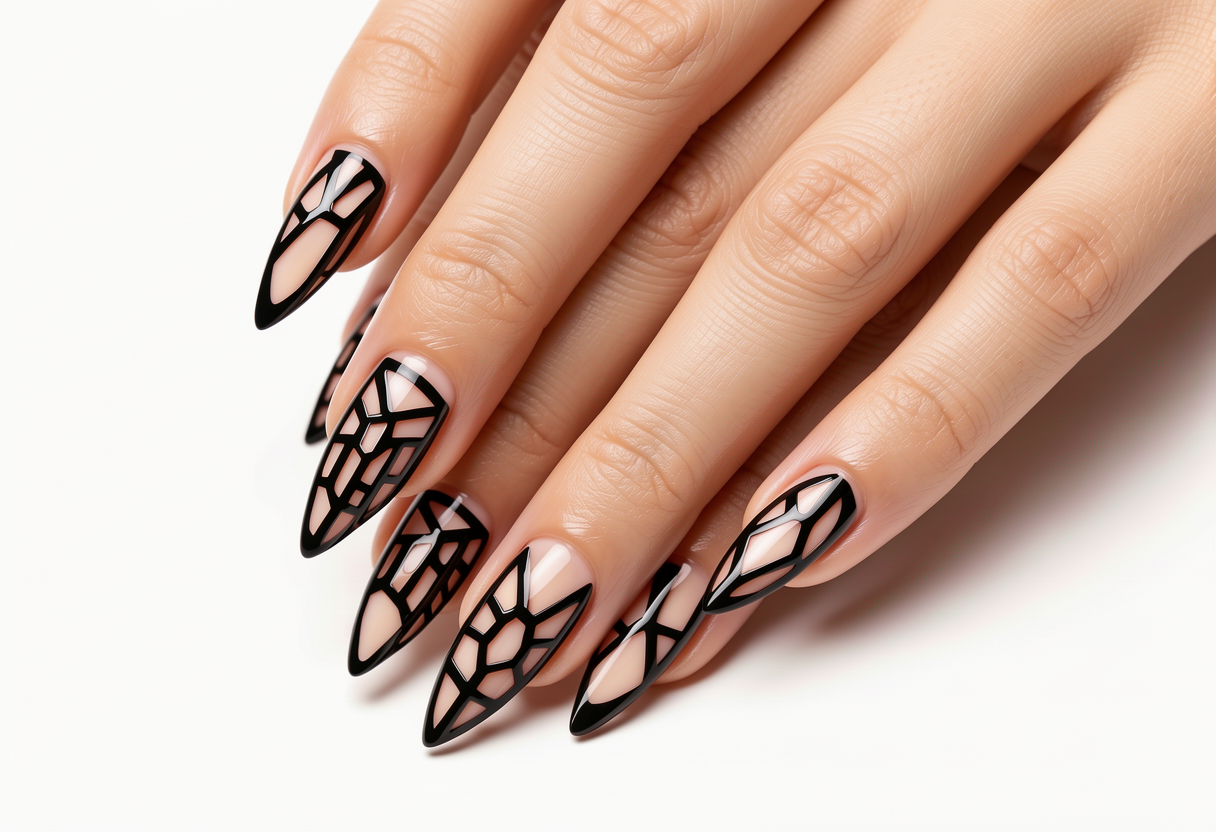
Understanding Negative Space in Nail Art
In visual art, negative space refers to the area around and between the subject of a composition. In nail art, this concept is applied by intentionally leaving portions of the natural nail visible and unpainted, treating the bare nail as an integral part of the design rather than ignoring it. The exposed natural nail creates organic contrast against the painted areas, producing patterns that appear to float, intersect, or emerge from the nail surface itself. This approach fundamentally changes how we think about manicures – instead of covering the entire nail with color, negative space art embraces restraint and strategic absence.
What makes negative space nails particularly appealing in 2025 is their inherent versatility and intellectual sophistication. They can be executed in any color, on any nail length, and in styles ranging from ultra-minimalist single lines to complex geometric tapestries. The technique feels more “designed” than traditional manicures – each nail becomes a small canvas where positive and negative elements interact to create visual tension and balance. This appeals to people who appreciate design, architecture, and contemporary art, making negative space nails a favorite among creative professionals and design-conscious individuals.
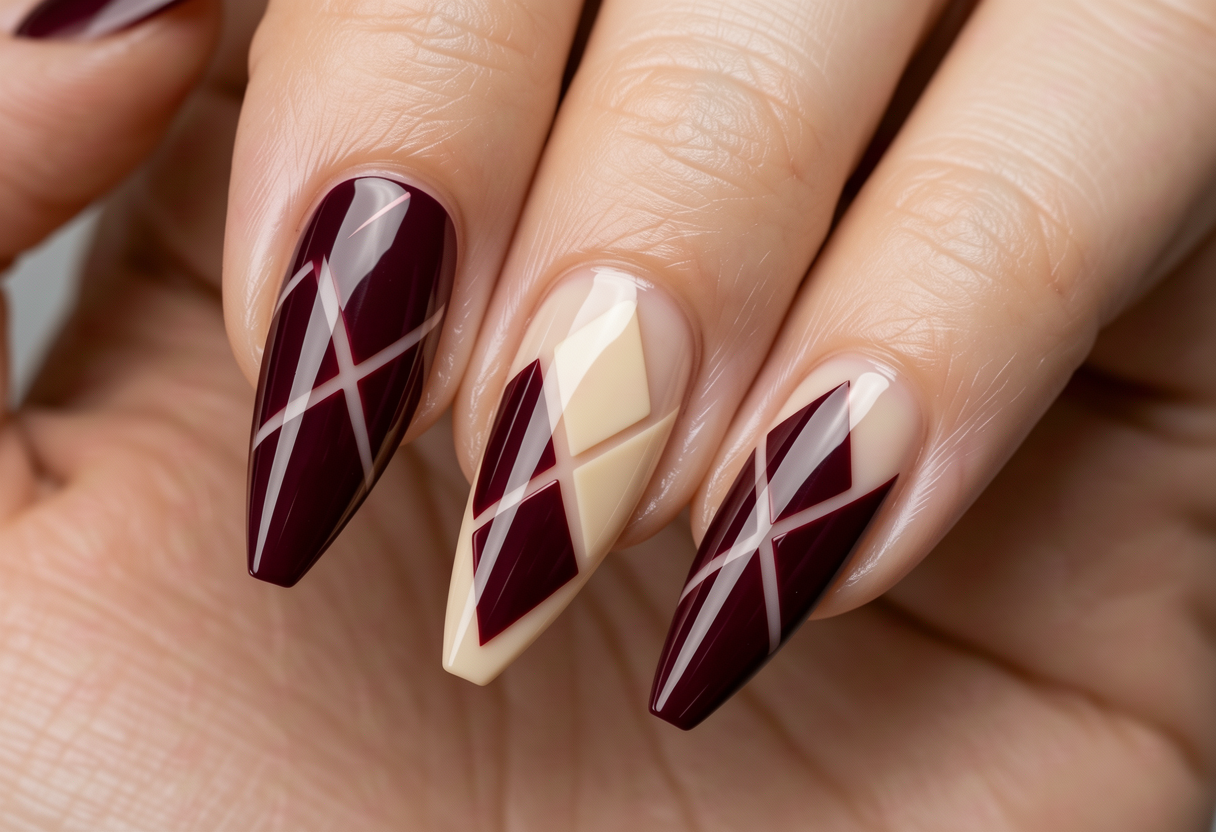
Popular Negative Space Nail Designs for 2025
The geometric negative space design remains the most popular and visually impactful variation. Sharp triangles, parallelograms, and diagonal lines in bold colors like black, deep red, or forest green create a structured, architectural look against the bare nail. Half-and-half designs – where exactly one half of the nail is painted and the other left bare – make a striking graphic statement with minimal complexity. Striped negative space uses thin parallel lines of polish separated by equal strips of bare nail, creating a hypnotic, optical-illusion effect that draws the eye.
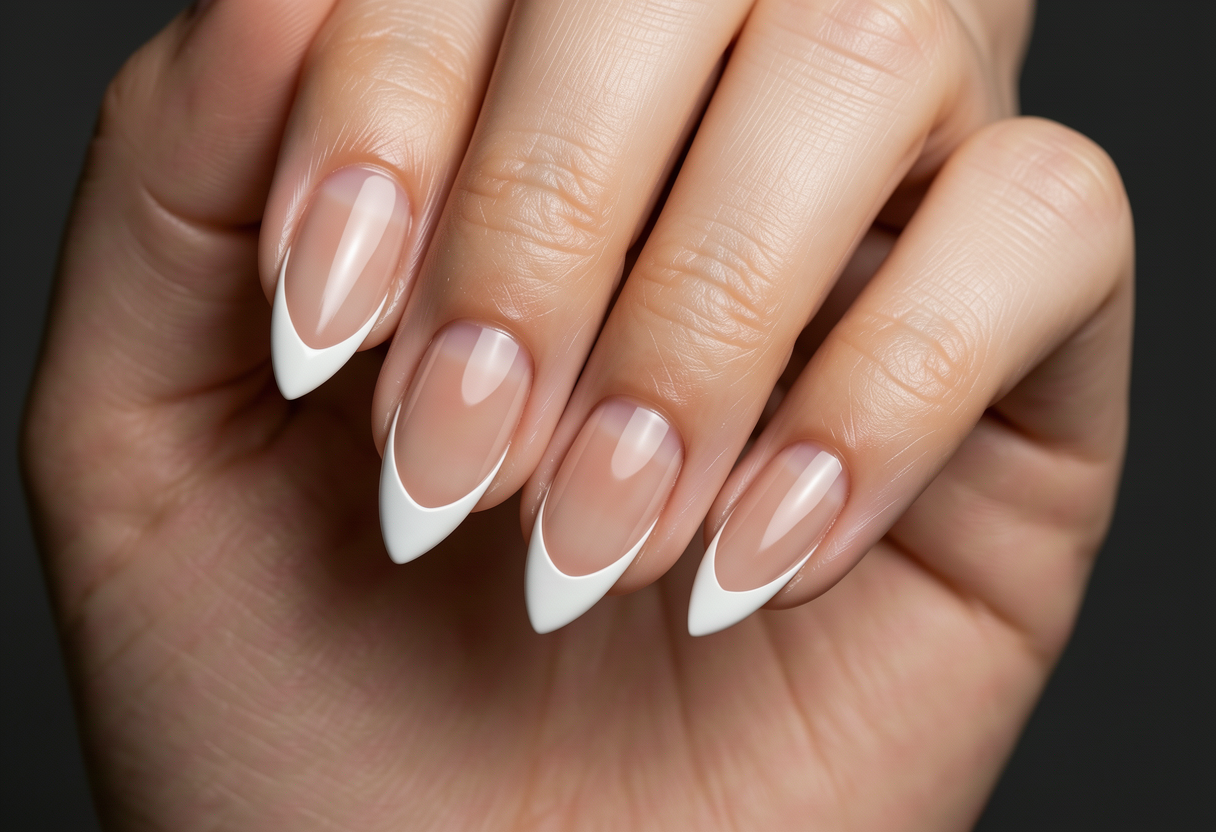
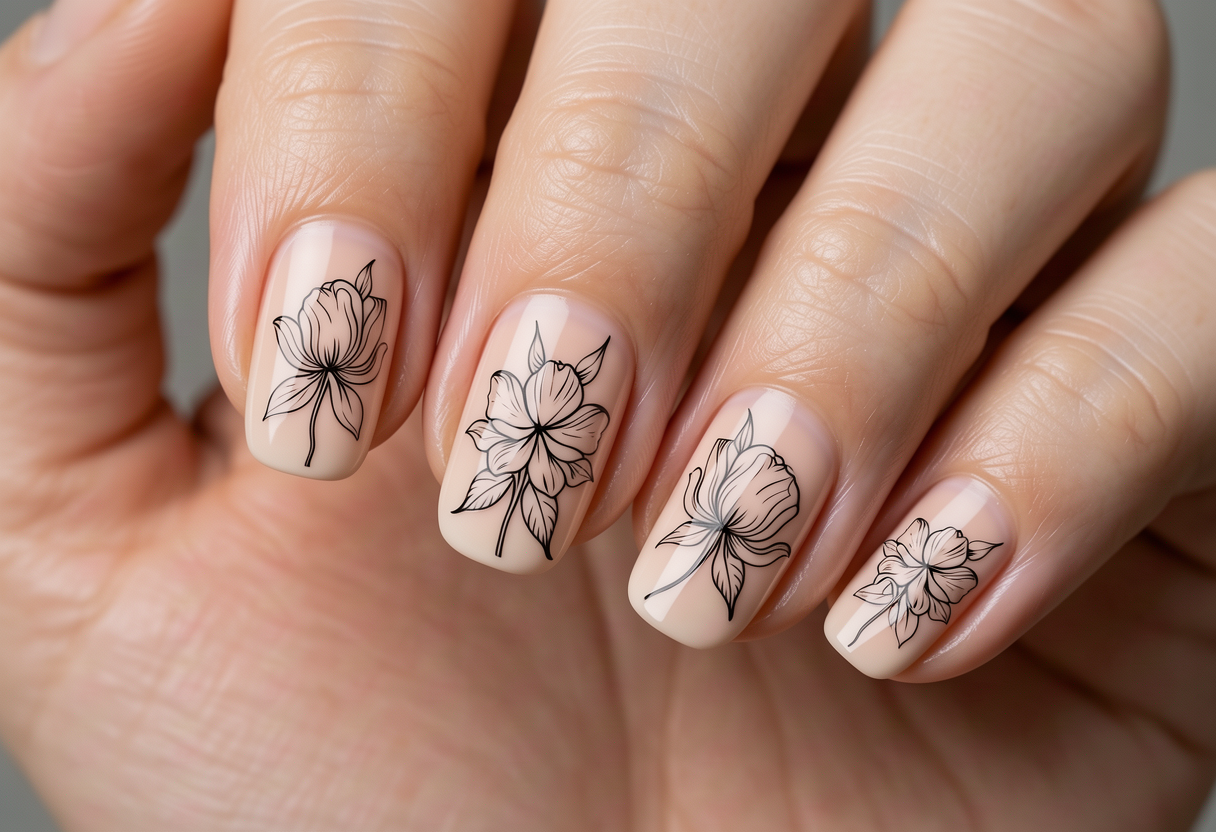
The negative space French manicure is a stunning modern update on the classic look. Instead of painting the entire nail bed pink or nude and the tip white, only the tip is painted while the rest of the nail remains completely bare and transparent. This creates a floating, ethereal French tip effect that looks incredibly modern and chic. Outline florals are another beloved design – delicate flower shapes are drawn in thin lines on the bare nail without filling them in, creating a botanical illustration effect that is both feminine and contemporary. For a bolder look, abstract negative space art uses organic, freeform curved shapes to create patterns that feel artistic and intentional.
How to Create Negative Space Nail Art at Home
Creating negative space nail art at home requires a few key tools and techniques. The most important tool is nail art tape or striping tape – thin, flexible adhesive tape that you apply to the nail in your desired pattern before painting. The tape masks off the areas that will remain bare. After applying your polish over the tape and allowing it to reach a tacky-but-not-fully-dry state, carefully peel the tape away to reveal clean, crisp lines of exposed natural nail. For gel polish users, apply the gel and cure with the tape still on, then remove the tape after curing for the sharpest possible edges.
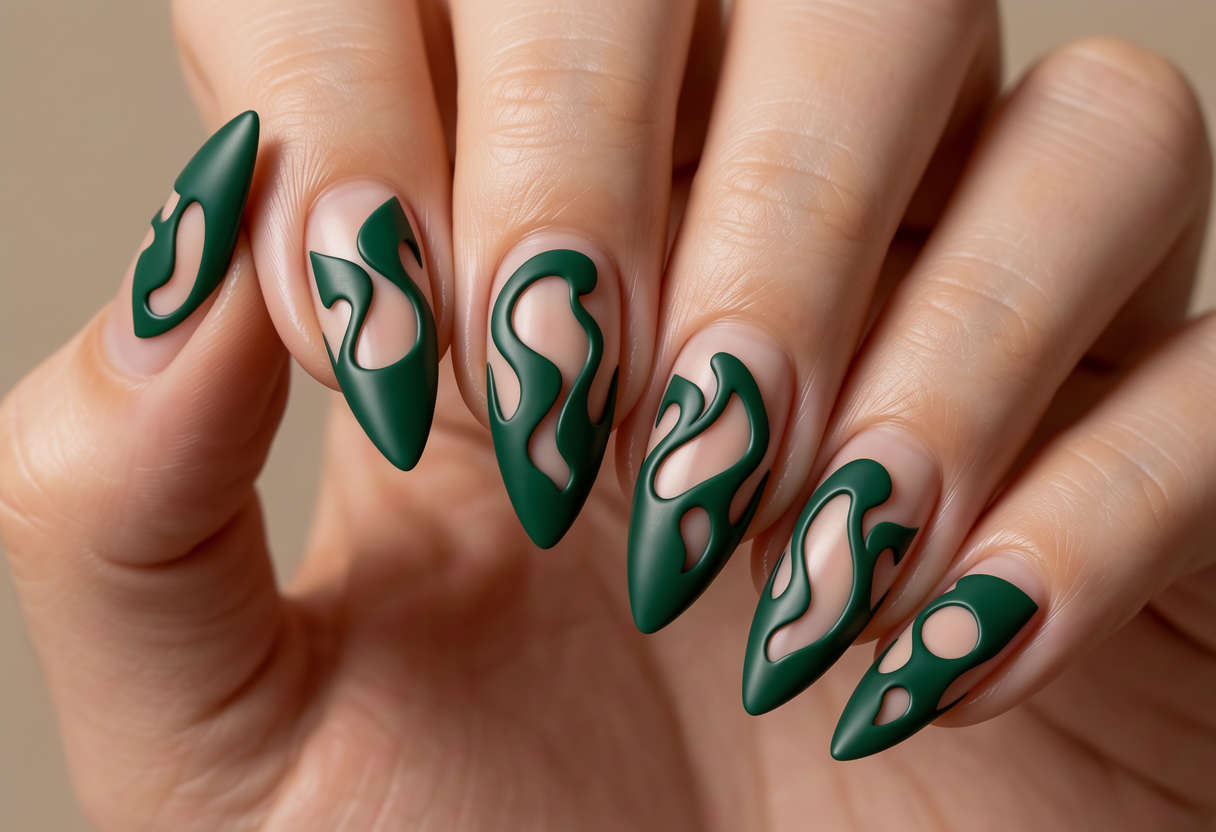
For freehand negative space designs like outlines and florals, a thin nail art brush is your best friend. Dip a liner brush into your chosen polish and draw your design directly onto a clear-coated or bare nail. The key to clean freehand work is using polish with a thick, gel-like consistency that does not run or bleed. Practice your designs on a nail tip or piece of paper first to build muscle memory. Alternatively, nail stamping plates with negative space patterns can transfer intricate designs onto your nails in seconds, making complex geometric patterns accessible even to beginners.
Best Colors and Combinations for Negative Space Nails
Color selection in negative space nail art is uniquely important because the color must look intentional and striking when contrasted against bare nail. Black is the quintessential negative space color because it creates maximum contrast and makes the design elements boldly graphic and unmistakable. Deep burgundy and wine red offer a softer but equally sophisticated alternative that feels slightly more romantic. Forest green and emerald are trending choices for 2025, bringing an earthy, organic quality to geometric designs. White creates a subtler, more ethereal negative space effect that is perfect for summer and bridal looks.
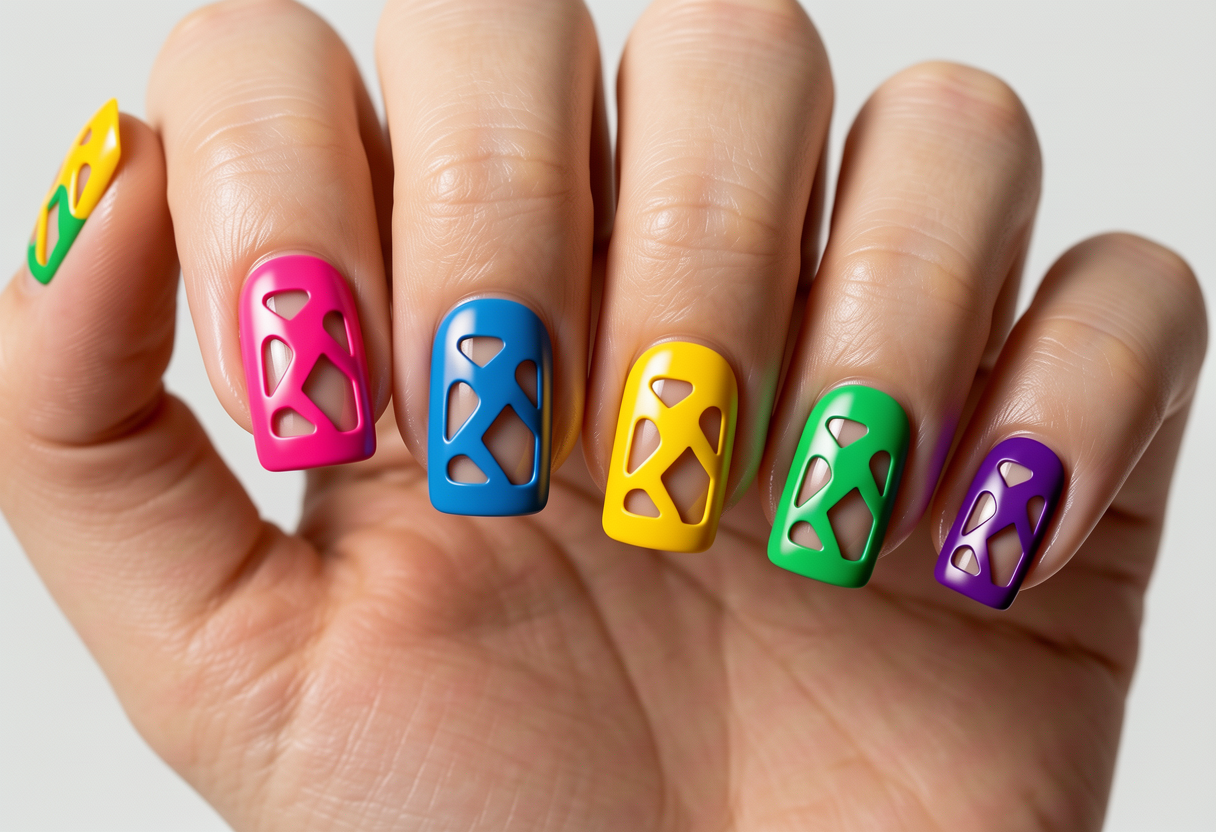
For a more playful approach, multi-color negative space uses different colors on each nail or within the same design, with bare nail sections separating and highlighting each hue. This works beautifully with primary color trios (red, blue, yellow), pastel combinations (lavender, mint, peach), or analogous color schemes (navy, cobalt, sky blue). The bare nail acts as a natural separator that prevents the colors from clashing and creates a curated, gallery-like presentation. Metallic polishes – gold, silver, chrome – also work exceptionally well in negative space designs, as the reflective finish contrasts dramatically with the matte texture of bare nail.
Tips for Making Negative Space Nails Look Polished
The biggest challenge with negative space nails is ensuring the bare sections look intentional and well-groomed rather than simply unfinished. Always start with impeccable nail preparation: smooth, filed nails with tidy cuticles and a uniform shape across all fingers. Apply a clear base coat or ridge-filling treatment to the entire nail before creating your design – this ensures the bare sections have a healthy, glossy appearance rather than looking dry or uneven. After completing your painted design, apply a final clear top coat over the entire nail including the negative space sections. This unifying top coat creates a cohesive, glossy finish that ties the painted and bare elements together seamlessly.
Frequently Asked Questions About Negative Space Nails
Do negative space nails last as long as regular manicures? Yes. When executed with gel polish and properly sealed with a gel top coat over the entire nail surface, negative space nails last the standard two to three weeks. The bare sections are protected by the clear base and top coat layers, so they do not chip or peel differently from the painted areas. With regular polish, expect five to seven days of wear. The design actually ages more gracefully than solid-color manicures because minor tip wear is less noticeable on bare nail sections.
What nail shape works best for negative space designs? Negative space art adapts beautifully to any nail shape, but certain shapes enhance specific designs. Almond and oval shapes complement organic, curved negative space patterns beautifully. Square and squoval shapes are ideal for geometric, angular designs where the straight free edge echoes the linear patterns. Coffin nails provide ample surface area for complex, multi-element compositions. Even very short nails can showcase negative space art – simply scale down the design elements proportionally.
Can I create negative space nails on natural nails without extensions? Absolutely. Negative space nail art actually looks particularly authentic and beautiful on natural nails because the exposed sections genuinely show your natural nail plate. The technique requires no specific nail length or shape – it works on short, natural nails just as effectively as on extensions. In fact, many nail artists prefer negative space designs on natural nails because the organic texture and subtle color variations of a real nail plate add depth and authenticity that artificial extensions cannot replicate.