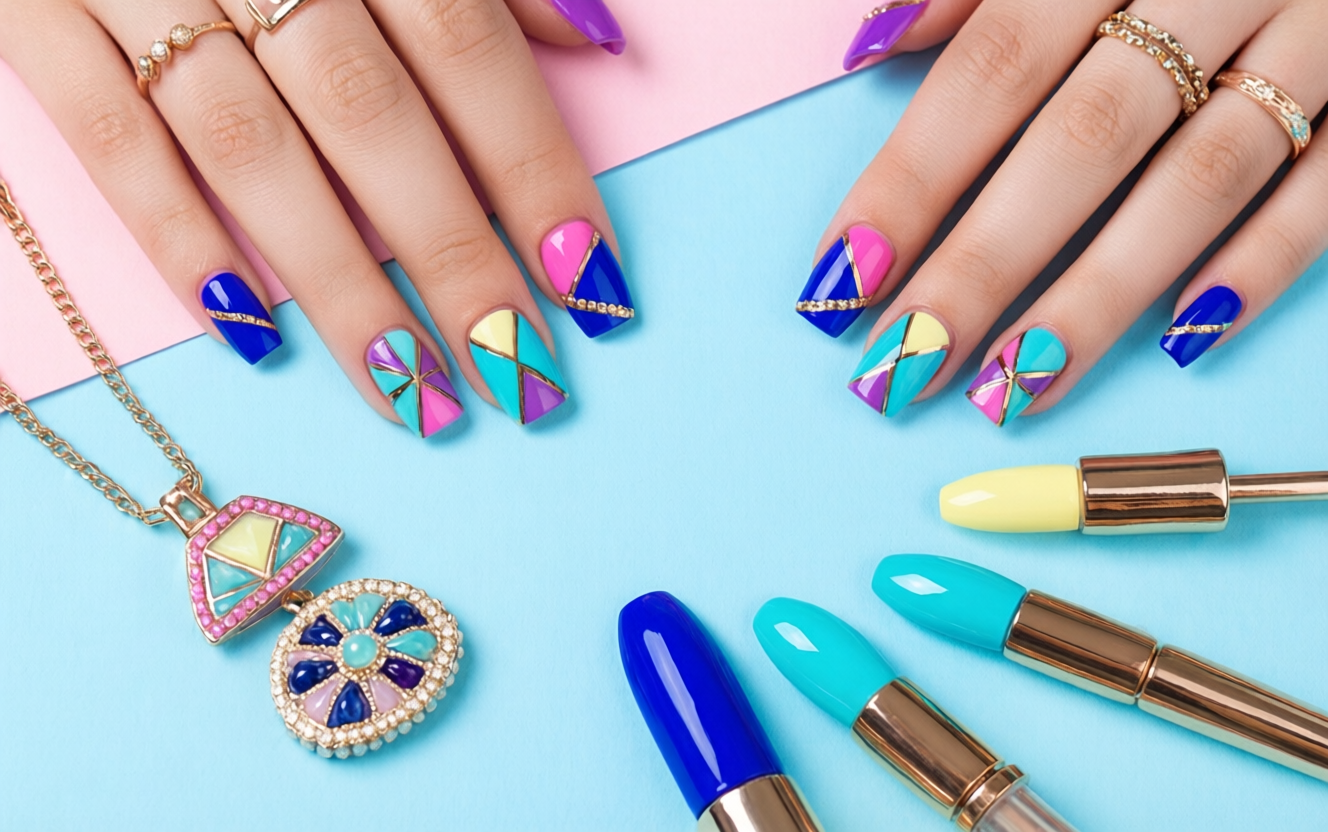
Ever caught yourself scrolling through Instagram, wondering whether to splurge on a salon appointment or just slap on a set of press‑on nails and call it a day? The debate of press on vs salon nails isn’t just about looks—it’s about budget, time, health, and how much you love a DIY challenge.
In This Article
- 1. The Real Cost: What Your Wallet Actually Sees
- 2. Longevity & Wear: How Long Do They Actually Last?
- 3. Application Process: DIY Simplicity vs Professional Precision
- 4. Health & Safety: What Your Nails and Skin Really Feel
- 5. Style Flexibility: From Classic French to 3D Art
- 6. Skill Level & Learning Curve: How Fast Can You Master It?
- 7. Top Picks: Best Press‑On Brands & Salon Services for 2024
- 8. Time Investment: How Much of Your Day Is Needed?
- 9. Environmental Impact: Green Choices in Nail Care
- 10. The Bottom Line: When to Choose Press‑Ons and When to Book a Salon
- Final Verdict
In this list we’ll break down every angle that matters, from real‑world costs to durability, from the chemistry of adhesives to the vibe of a professional nail tech’s chair. By the end you’ll have a concrete plan, a few brand recommendations, and the confidence to pick the option that truly fits your lifestyle.
1. The Real Cost: What Your Wallet Actually Sees
When you compare press‑on nails to salon services, the numbers are striking. A typical set of 30‑piece press‑ons from KISS (the “KISS 90 Day Press‑On Nail Set”) runs about $12.99, while a premium brand like ImPRESS charges $19.99 for a 24‑piece kit that includes a reusable glue bottle.
Salon appointments, on the other hand, vary by region and technique. In my experience in a mid‑size city, a basic acrylic fill costs $45, a gel manicure $55, and a full set of custom sculpted acrylics can climb to $85. Add a tip (15‑20 %) and you’re looking at $100+ for a high‑end spa experience.
Let’s do the math for a three‑month period (the average wear time for a good press‑on set). Press‑ons: $20 × 4 = $80. Salon nails: $70 × 4 = $280. That’s a 71 % savings if you stick with press‑ons, assuming you’re comfortable re‑applying them yourself.
Pros of Press‑Ons
- Initial outlay under $20.
- Reusable kits can last up to 90 days.
- No travel time or appointment fees.
Cons of Salon Nails
- Higher recurring costs.
- Need to schedule and travel.
- Potential for hidden fees (e.g., removal).
2. Longevity & Wear: How Long Do They Actually Last?
Durability is where the rubber meets the road. Press‑ons glued with a high‑quality nail glue (I swear by Kiss Maximum Speed Nail Glue, $6.99 for 3 ml) can survive 5‑7 days of normal wear, up to 10 days if you’re gentle.
Salon nails, especially gel, can last 2‑3 weeks without chipping. Acrylics can push 3‑4 weeks, but they require proper filing and a professional removal to avoid damage. My clients who stick to a strict no‑water‑first‑hour rule see the longest lifespan.
But here’s the nuance: press‑ons are removable without a soak, meaning you can swap colors weekly without sacrificing nail health. Salon nails, while longer‑lasting, often need a 10‑minute soak in acetone for removal, which can dry out the nail bed.
Pros of Press‑Ons
- Easy removal, no acetone required.
- Can be changed weekly for trend‑hopping.
- Less risk of nail plate thinning if you give your natural nails a break.
Cons of Salon Nails
- Longer removal process can weaken nails.
- Potential for lifting or peeling if not maintained.
3. Application Process: DIY Simplicity vs Professional Precision
Applying press‑ons is a ritual I’ve refined over the past five years. Clean your natural nail with best nail dehydrator (I like Young Nails Dehydrator, $9.95), push back cuticles, then apply a thin dot of glue to the back of the press‑on. Press firmly for 10‑15 seconds, file the edge if needed, and you’re done.
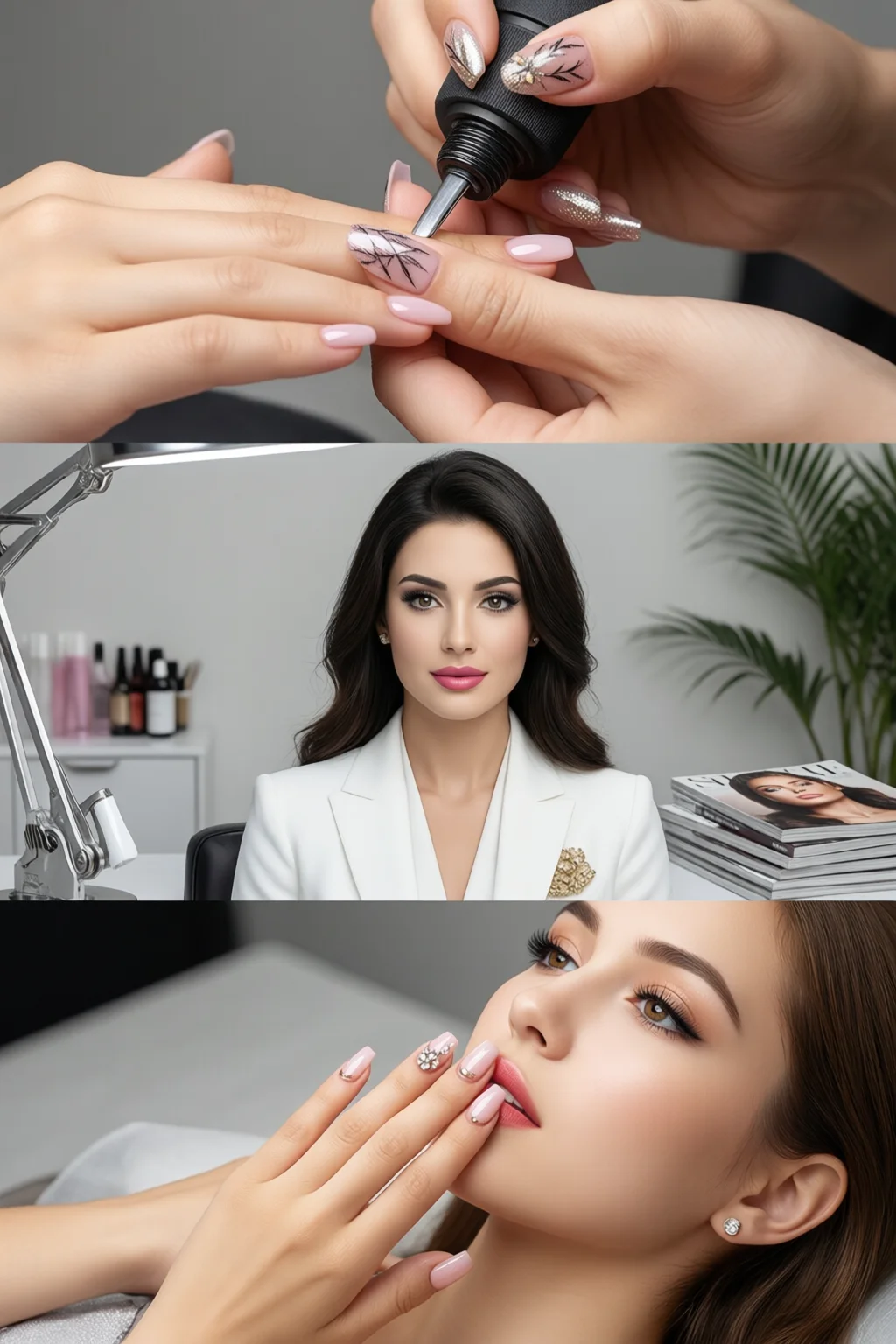
A salon appointment includes a sanitization step, nail shaping, cuticle care, a primer, and the actual product application—be it acrylic powder mixed with liquid monomer, gel cured under a UV lamp, or a dip powder system. The whole process can take 45‑90 minutes.
If you’re a visual learner, check out our mirror nail powder tutorial for a step‑by‑step guide that works for both DIY and salon contexts.
Pros of Press‑Ons
- Under 10 minutes with practice.
- No need for UV lamps or specialized tools.
- Perfect for travel or last‑minute events.
Cons of Salon Nails
- Time‑consuming, especially for complex designs.
- Requires professional tools and expertise.
- Potential for scheduling delays.
4. Health & Safety: What Your Nails and Skin Really Feel
One mistake I see often is skipping a proper nail prep. Whether you’re using press‑ons or heading to a salon, the nail plate should be clean, dry, and free of oils. That’s why a nail dehydrator and a cuticle oil (my go‑to is Sally Hansen Vitamin E Cuticle Oil, $5.99) are non‑negotiable.
Press‑ons use cyanoacrylate glue, which can cause irritation for sensitive skin. If you notice redness, try a hypoallergenic glue like IBD Super Glue ($8.50 for 5 ml). Salon acrylics involve a liquid monomer that can emit a strong odor; proper ventilation is essential.
From a nail‑health perspective, press‑ons allow you to give your natural nail a breather between sets. Salon acrylics, if left on for months, can lead to thinning and brittleness. I always advise clients to have a “nail‑off” week every 6‑8 weeks.
Pros of Press‑Ons
- Less chemical exposure overall.
- Easy to give nails a rest period.
- Can be removed without harsh solvents.
Cons of Salon Nails
- Potential for allergic reactions to monomer.
- Higher risk of nail damage if removal is rushed.
5. Style Flexibility: From Classic French to 3D Art
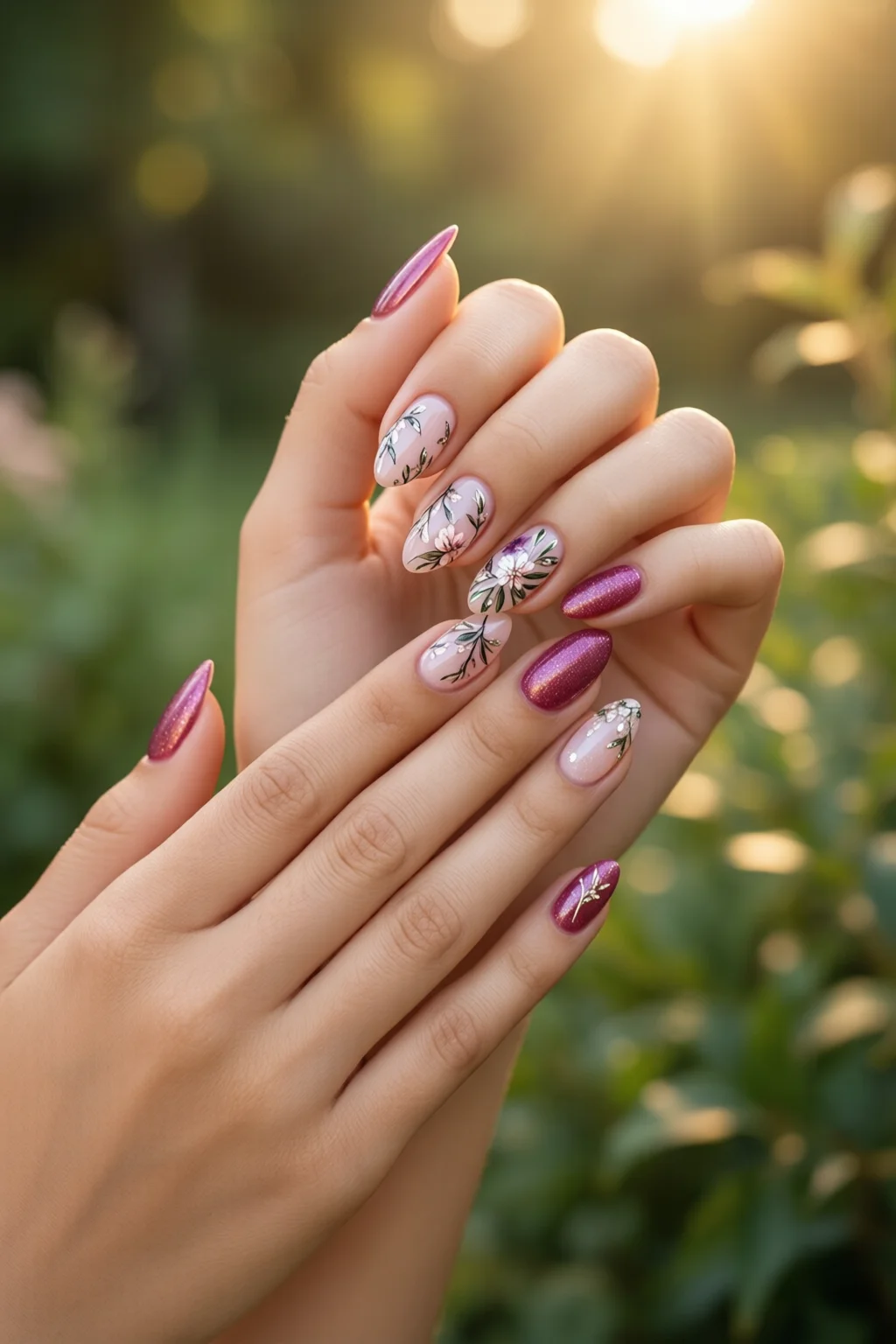
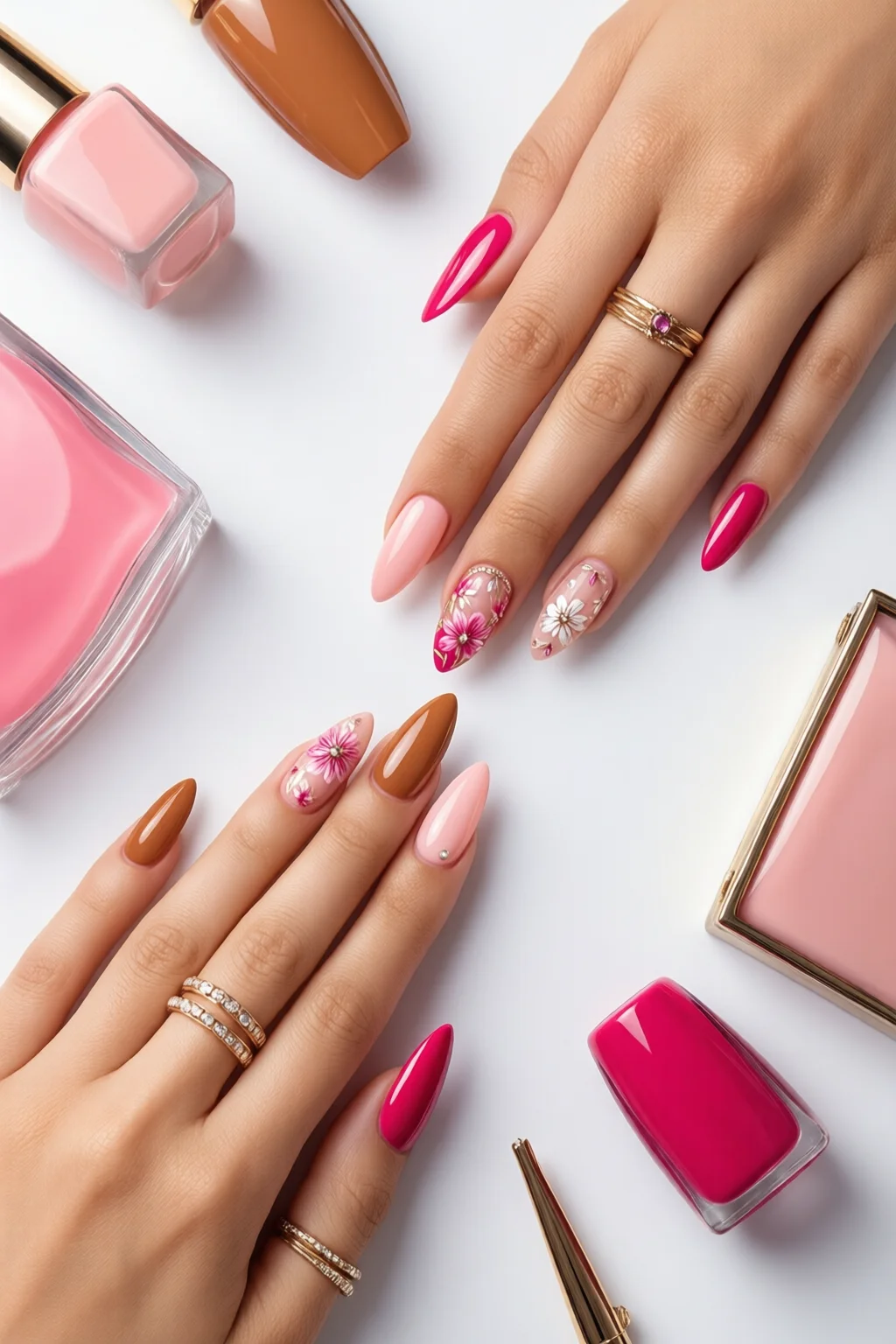
If you crave constant trend‑hopping, press‑ons win hands down. Brands like Olive & June release seasonal collections every month—think pastel ombre, holographic glitter, and even marble finishes—all for under $25 per set. You can mix and match, file into custom shapes, or even apply nail stickers on top for extra flair.
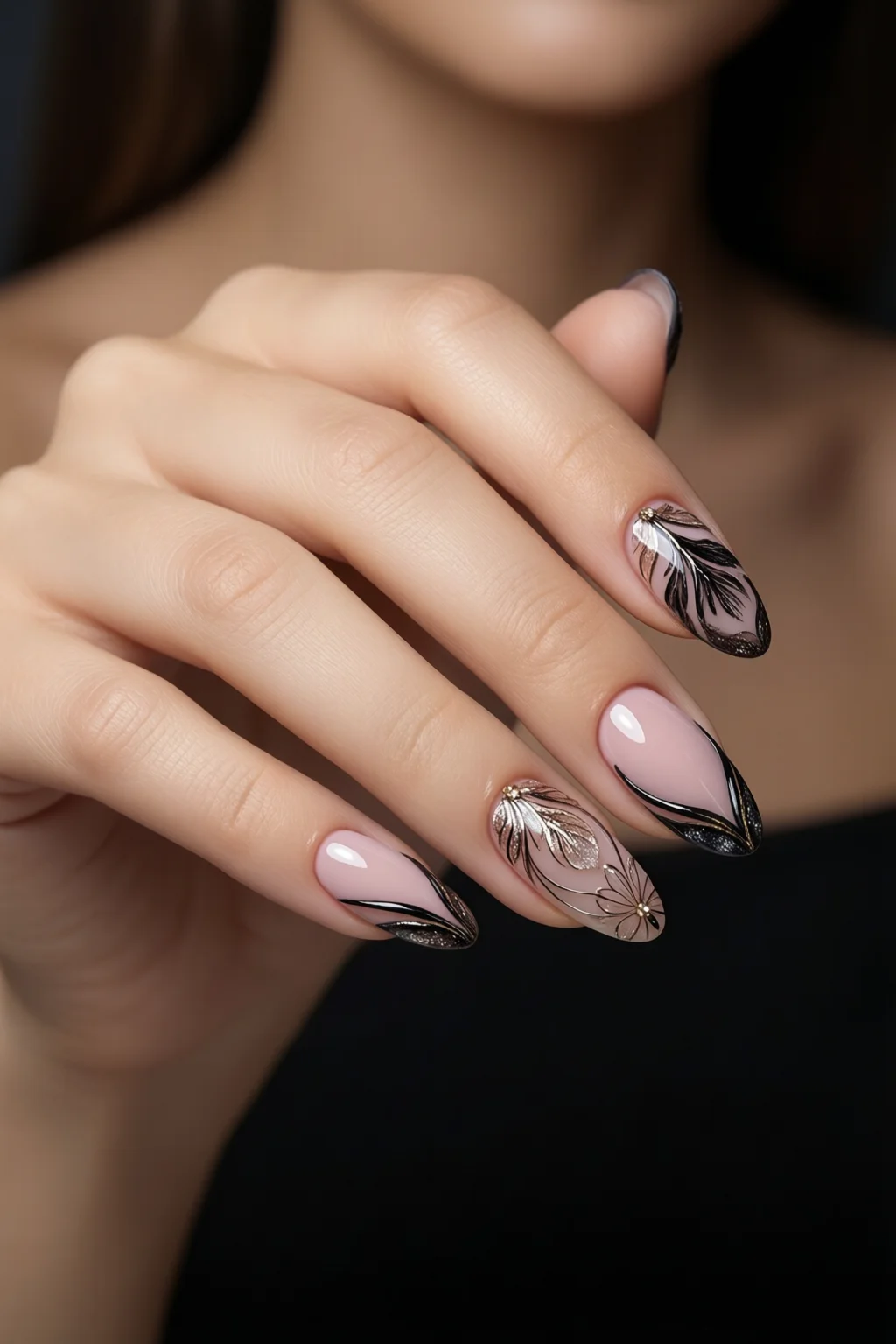
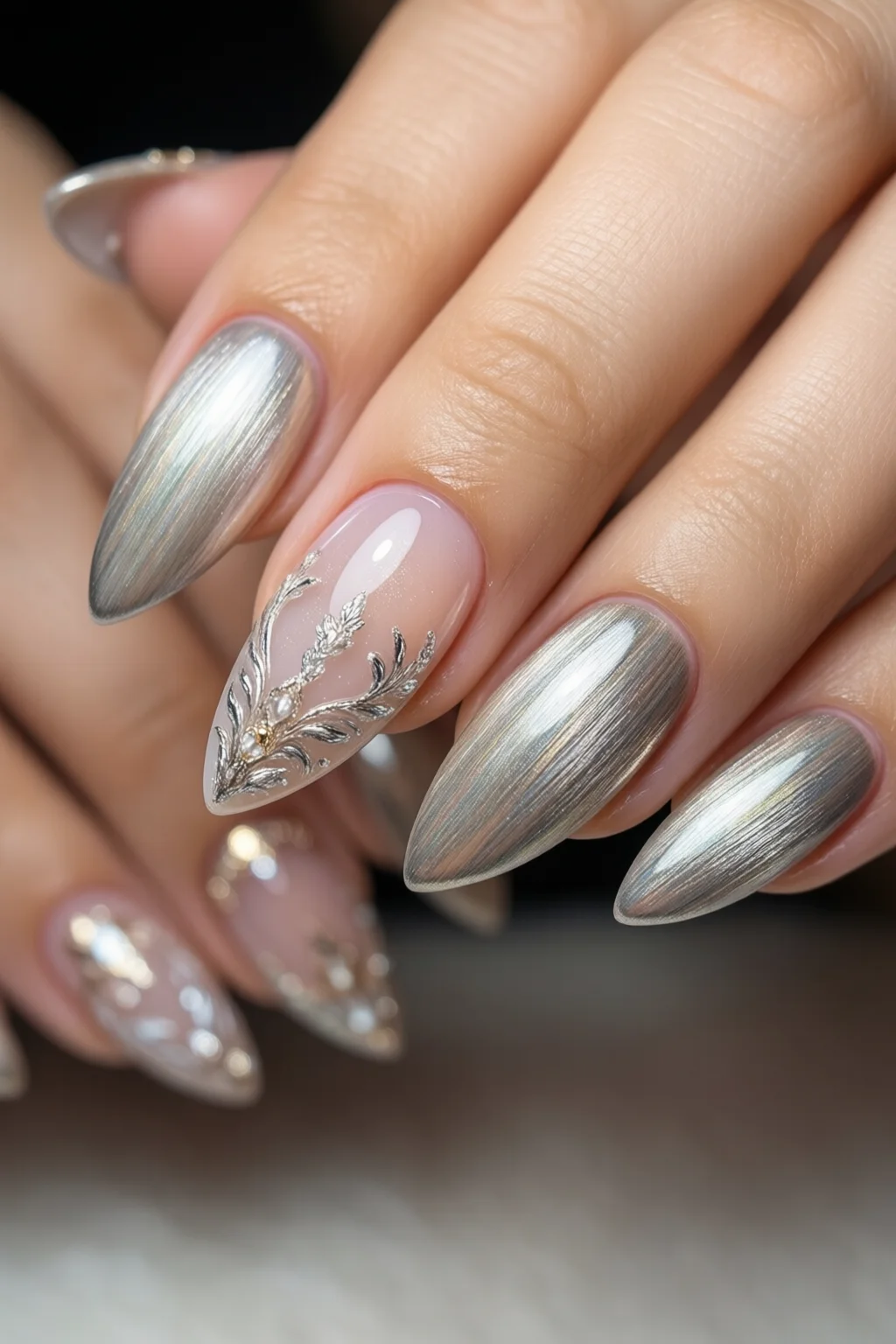
Salon nails, however, are the playground for intricate art. Think hand‑painted roses, chrome powders, or 3D embellishments like crystals. The skill level of the tech determines the outcome, and the cost can skyrocket—some high‑end designers charge $150+ for a custom design that includes hand‑painted details and Swarovski crystals.
For a middle ground, consider a “press‑on with a twist.” I love using dip powder press‑ons from Modelones ($31.99 for a 60‑piece kit) that you can soak in a UV lamp for extra shine, merging the durability of salon work with the convenience of press‑ons.
Pros of Press‑Ons
- Instant access to new trends.
- No need to schedule a designer.
- Easy to swap colors weekly.
Cons of Salon Nails
- Higher price for custom art.
- Longer lead time for complex designs.
6. Skill Level & Learning Curve: How Fast Can You Master It?
When I first tried press‑ons, I was terrified of bubbles. After three attempts (and a few extra glue drops), I got the hang of aligning the nail shape with my natural nail curve. Within a week, I could apply a full set in under 7 minutes. The learning curve is shallow; a YouTube tutorial of 15 minutes is enough.
Salon techniques require formal training—most nail techs complete 300‑hour certification programs. Even if you’re a DIY enthusiast, mastering gel curing or acrylic mixing safely takes months of practice. That’s why many people stick to press‑ons for home use while reserving salon visits for special occasions.
Pros of Press‑Ons
- Minimal equipment needed.
- Quick mastery for most users.
- Low risk of costly mistakes.
Cons of Salon Nails
- Steep learning curve for DIY.
- Potential for expensive errors (e.g., over‑thick acrylic).
7. Top Picks: Best Press‑On Brands & Salon Services for 2024
Below is a curated list of products and services that consistently deliver on quality, durability, and style. I’ve tested each brand in my studio, and the ratings reflect real‑world performance.
| Feature | Press‑On Pick | Salon Service Pick |
|---|---|---|
| Best Overall Value | KISS 90 Day Press‑On Nail Set – $12.99, 30 pieces, 90‑day wear claim | Classic Acrylic Fill – $45, 2‑week durability, includes shaping |
| Best for Trend‑Hoppers | Olive & June Seasonal Collection – $22‑$28 per set, new designs monthly | Gel Nail Art – $65, UV‑cured, custom hand‑painted designs |
| Best Long‑Lasting Press‑On | ImPRESS 24‑Piece Kit with Reusable Glue – $19.99, up to 10 days wear | Dip Powder Extension – $80, 3‑week wear, minimal filing |
| Best Budget Salon | N/A | Express Gel Manicure – $35, 1‑hour service, basic color |
| Best for Sensitive Nails | IBD Super Glue (Hypoallergenic) – $8.50, 5 ml | Silk Wraps – $55, no harsh monomer, gentle on nails |
These picks cover a range of budgets and priorities. If you’re on a shoestring, start with KISS. If you crave runway‑ready art, the Olive & June sets or a professional gel session are worth the splurge.
8. Time Investment: How Much of Your Day Is Needed?
Press‑ons: 5‑10 minutes for a full set after you’ve prepped your nails. Add 2 minutes for filing the edges, and you’re ready to go. You can do this while watching a quick episode of your favorite sitcom.
Salon nails: Average appointment length is 45 minutes for a basic acrylic fill, 60‑90 minutes for intricate gel art. Plus, you need to factor in travel and waiting time—often another 15‑20 minutes.
If you have a packed schedule, press‑ons win hands down. If you view a nail appointment as a self‑care ritual and have the time, the salon experience can be incredibly relaxing and personalized.
9. Environmental Impact: Green Choices in Nail Care
Press‑ons generate less waste per use because many kits are reusable. However, the packaging (plastic trays, foil) can add up. Look for brands that use recyclable packaging—Modelones recently switched to biodegradable trays.
Salon services often involve single‑use items: disposable files, cotton pads, and acetone wipes. Some eco‑friendly salons now use reusable tools and low‑VOC (volatile organic compounds) products. Ask your technician about their sustainability practices.
My personal tip: keep a small “nail kit” in a reusable pouch—glue, a mini file, and a cuticle oil bottle. This reduces plastic waste and ensures you always have the essentials on hand.
10. The Bottom Line: When to Choose Press‑Ons and When to Book a Salon
Here’s a quick decision matrix you can print and keep in your vanity drawer:
- Short‑Term Event (1‑3 days) – Press‑ons. Quick, affordable, no commitment.
- Monthly Routine (2‑3 weeks) – Salon gel or acrylic if you want low‑maintenance wear.
- Trend‑Heavy Season (Spring/Summer) – Press‑ons for rapid color swaps.
- Special Occasion (Wedding, Photoshoot) – Salon art for custom designs and flawless finish.
- Sensitive Nails – Press‑ons or silicone‑based silk wraps in the salon.
Remember, the goal isn’t to pit one against the other but to blend the strengths of both. Many of my clients rotate: press‑ons for everyday, salon polish for events. That strategy maximizes budget, reduces nail damage, and keeps the fun factor high.
Final Verdict
In the showdown of press on vs salon nails, there is no universal “winner.” Press‑ons excel in cost‑effectiveness, speed, and style versatility, while salon nails dominate in longevity, intricate artistry, and professional pampering. Your personal priorities—budget, time, nail health, and aesthetic ambition—should guide the choice. By understanding the trade‑offs laid out above, you can confidently decide which method fits each moment of your life.
Are press‑on nails safe for people with nail allergies?
Yes, as long as you choose hypoallergenic glue (e.g., IBD Super Glue) and avoid acrylic monomers. Always do a patch test on a small area before full application.
How often should I give my natural nails a break from press‑ons?
I recommend a 2‑day break every 1‑2 weeks. Use that time to moisturize with cuticle oil and let the nail plate breathe.
Can I combine press‑ons with gel polish?
Absolutely. Apply a thin coat of gel base, press on the nail, then cure under a UV lamp for extra shine and durability.
What’s the best way to remove acrylic nails without damaging my natural nails?
Soak a cotton ball in acetone, place it on the nail, and wrap with foil for 10‑12 minutes. Gently push off the acrylic with a wooden cuticle pusher. Follow with a nourishing cuticle oil.