When the glue bottle pops open, the scent of acrylate hits you like a signal that the transformation is about to begin. Whether you’re a DIY enthusiast trying to perfect a nail tip set or a professional nail tech looking to streamline your workflow, a solid nail glue guide can be the difference between a flawless finish and a frustrating redo.
In This Article
In my ten‑year journey through salons, studios, and home setups, I’ve tested everything from $3 drugstore sticks to $12 professional syringes. The patterns are clear: the right glue, applied correctly, saves time, money, and most importantly, keeps your natural nails healthy. Below you’ll find the exact steps, product recommendations, and troubleshooting tricks you need to master every glue‑based nail application.
Understanding Nail Glue Types
Acrylic vs. Gel Glue
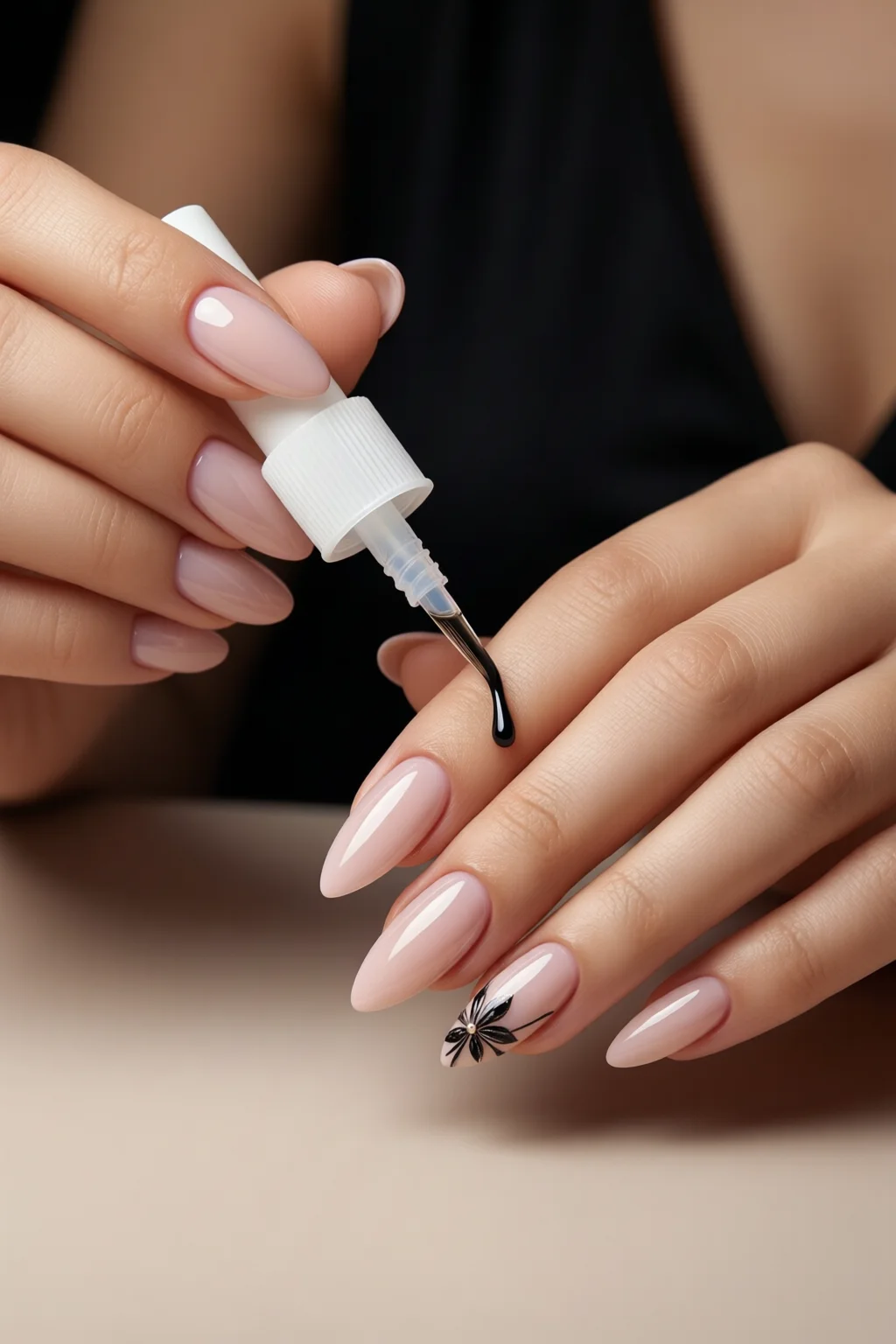
Acrylic nail glue is typically a cyanoacrylate formula that cures instantly with air exposure. It’s the go‑to for most nail tip applications because it offers a strong bond within seconds. Gel glue, on the other hand, contains a polymer that requires UV or LED curing. While gel glue provides a more flexible hold—ideal for longer wear on natural nails—it adds an extra step and a higher cost (average $9.99 per 5 ml bottle).
Brush vs. Pen Applicators
Brush applicators, like the classic KISS 2000 (USD 4.99, 2 ml), give you control over the amount of glue and are perfect for covering larger tip surfaces. Pen applicators, such as the IBD 5‑Second Nail Glue Pen (USD 7.95, 2.5 ml), are designed for precision work—think intricate nail art or tiny nail tips where excess glue can ruin the look.
Strength & Drying Time
Strength is measured in shear force; most professional glues achieve 200–250 psi. Drying time varies from 1 second (KISS Power Flex) to 10 seconds for thicker formulas. Faster drying reduces the chance of movement but can be harder to reposition, so choose based on your comfort level.
Choosing the Right Glue for Your Application
Nail Tips vs. Nail Wraps
If you’re attaching nail tips, a high‑strength acrylic glue with a brush applicator works best. For nail wraps, a thinner, fast‑drying formula prevents bubbling under the wrap’s adhesive backing.
Sensitive Cuticles & Allergies
Clients with reactive skin often react to the methyl‑2‑cyanoacrylate component. Look for “hypoallergenic” labels—Nailene Ultra‑Strong Glue (USD 5.49, 3 ml) advertises a reduced irritant profile and has a 92 % satisfaction rating among sensitive users.
Budget Considerations
Professional kits like Modelones 5‑Second Glue cost around USD 12.99 for a 10 ml bottle but deliver up to 300 psi strength, making them a cost‑effective choice for salons doing 30+ sets a day. For occasional home use, the drugstore KISS 2000 provides adequate performance at under $5.
Step‑By‑Step Application Process
Prep Your Natural Nail
Start with a clean, dry surface. Remove any oils with a cotton pad soaked in 70 % isopropyl alcohol, then lightly buff the nail plate to a matte finish. This micro‑roughening increases the glue’s mechanical grip. Finish with a thin layer of primer if you’re using a gel glue.
Applying the Glue Correctly
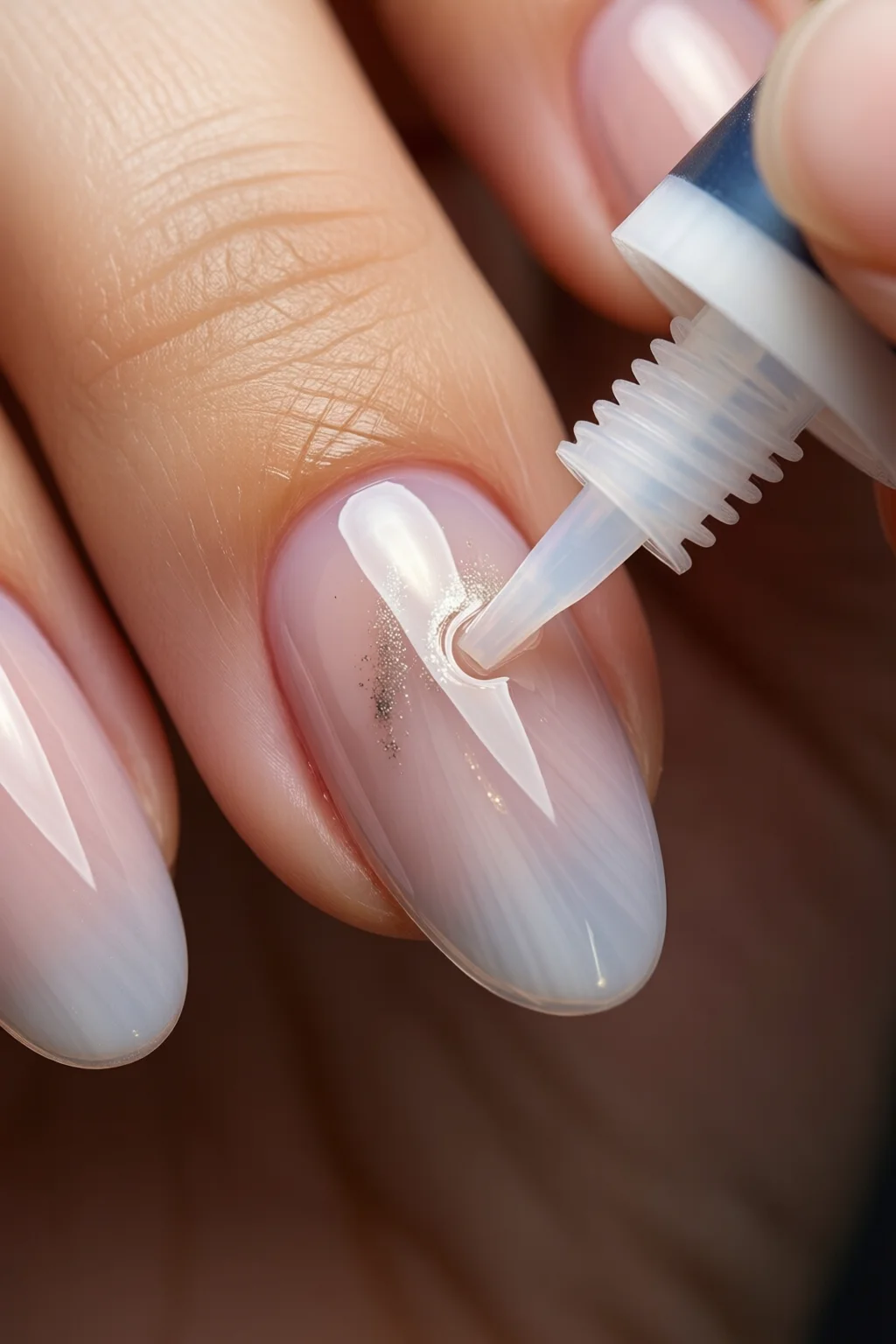
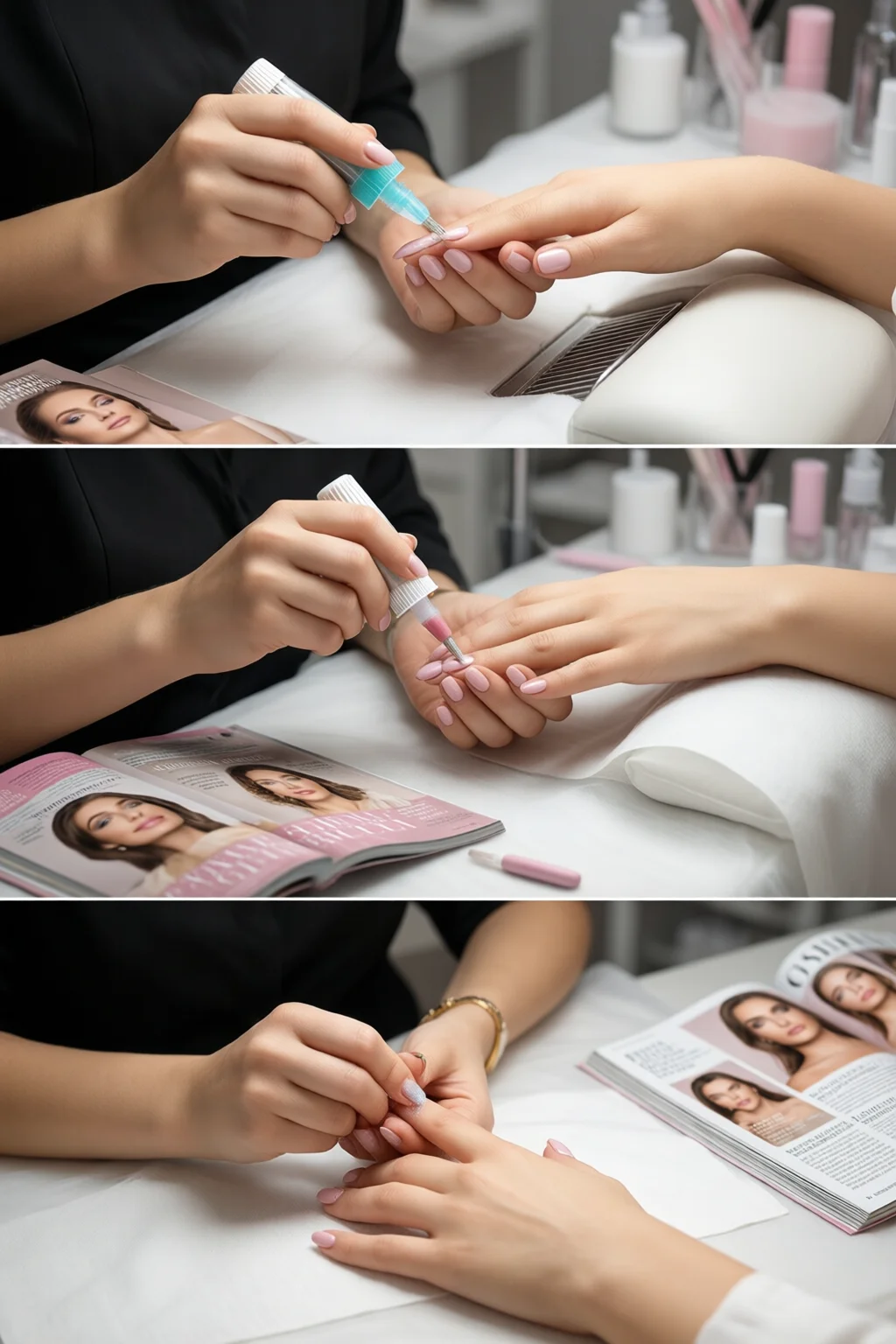
Dispense a pea‑sized drop onto the tip’s base. Using a brush applicator, spread the glue evenly, ensuring a thin film—no more than 0.2 mm thick. Press the tip onto the natural nail, hold for 2–3 seconds, and apply gentle pressure with a fingertip or a silicone tip press. For pen applicators, a single dot in the center is sufficient; the tip will spread the glue as you press.
Securing and Curing
Once the tip adheres, wipe away any excess glue with a lint‑free wipe dipped in acetone. If you’re using gel glue, cure under a 36‑W UV lamp for 30 seconds or a 20‑W LED lamp for 15 seconds. For acrylic glue, allow 5–10 seconds of air drying before moving the finger.
Common Mistakes & How to Fix Them
Glue Overrun & Air Bubbles
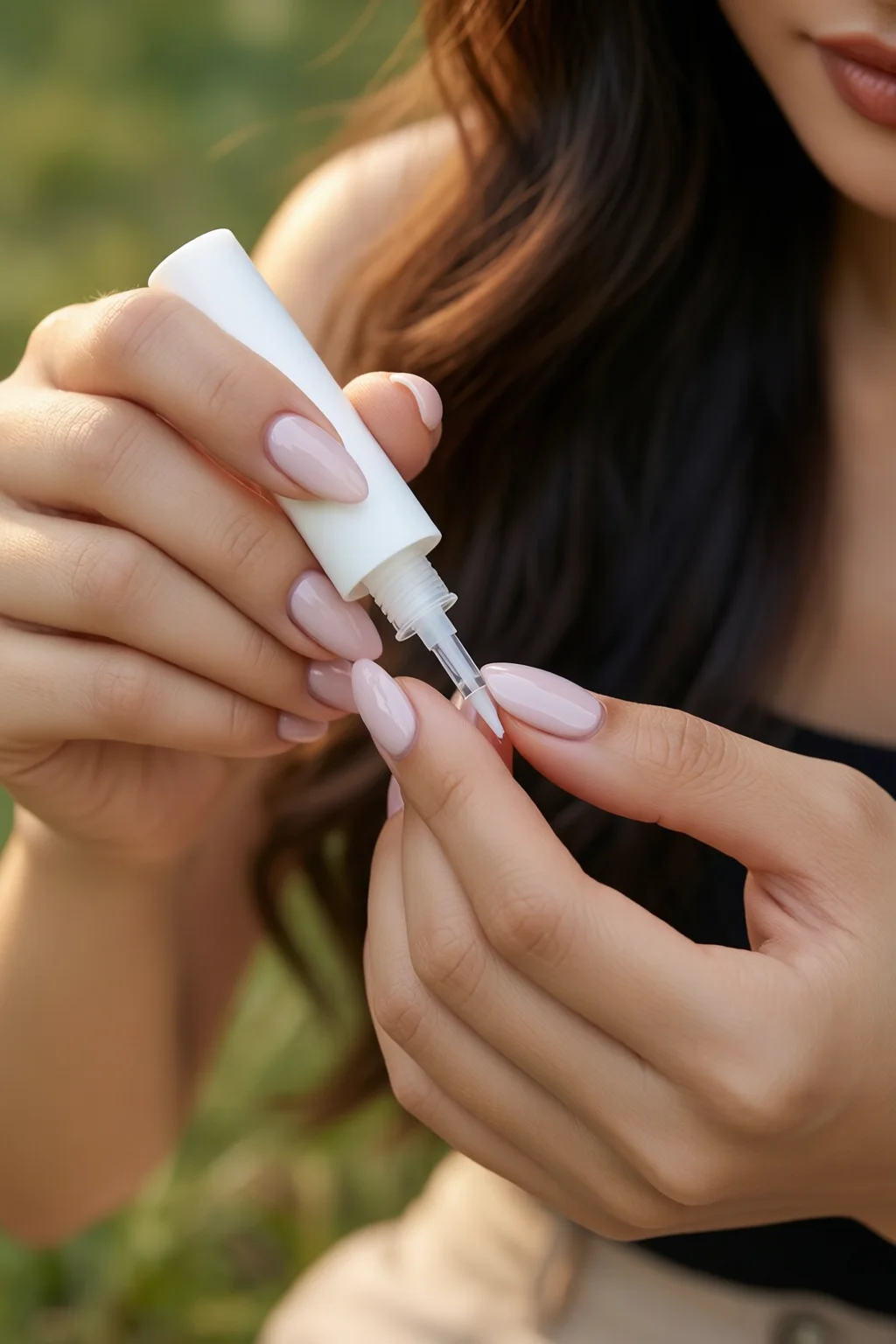
Too much glue creates a ridge that traps air. If bubbles appear, gently lift the tip with a cuticle pusher, wipe the excess, re‑apply a thinner layer, and press again. Using a pen applicator reduces this risk.
Premature Lifting
Lifting often stems from oil residue or insufficient pressure. Re‑secure by cleaning the surface, applying a fresh drop of glue, and using a silicone press for an additional 10 seconds. For persistent lift, a thin coat of top coat can reinforce the bond.
Staining & Residue
Some acrylic glues contain pigments that can stain light nails. After removal, soak the nail in a mixture of warm water and 1 % hydrogen peroxide for 5 minutes, then apply a nourishing cuticle oil. Nail hydration helps restore natural color.
Removal & Aftercare
Safe Soaking Techniques
Soak the glued nails in acetone for 8–10 minutes. Use a foil wrap to keep the acetone in contact and prevent evaporation. Avoid pulling the tips; they should lift off effortlessly once the glue softens.
Restoring Nail Health
After removal, apply a strengthening base coat like OPI Nail Envy (USD 9.95, 15 ml) and follow with a daily cuticle oil. Incorporate a protein‑rich diet—biotin supplements (5,000 µg) can improve nail resilience over 12 weeks.
When to Seek Professional Help
If the glue has bonded to the skin or if the natural nail shows cracks, stop the DIY process. A professional can safely file the area and recommend a restorative treatment, such as a silk wrap or a gel overlay.
Pro Tips from Our Experience
- Store glue in a cool, dark place; heat accelerates polymerization and reduces shelf life. I keep my bottles in a zip‑lock bag inside the fridge—extends usability by up to 6 months.
- Mix a tiny drop of silver nail glue (used for rhinestones) with regular glue for extra sparkle adhesion on decorative studs.
- When applying multiple tips in a row, work in batches of three to keep the workspace organized and reduce glue waste.
- Use a silicone nail press (USD 14.99) for uniform pressure; it eliminates uneven bond strength that can cause lifting.
- Test a small amount on a spare nail tip before the full application to gauge drying time and strength—especially when switching brands.
Top Nail Glues Comparison
| Brand | Price (USD) | Strength (psi) | Drying Time | Best For |
|---|---|---|---|---|
| KISS 2000 Acrylic Glue | 4.99 (2 ml) | 210 | 2–3 seconds | Standard tip application |
| IBD 5‑Second Nail Glue Pen | 7.95 (2.5 ml) | 230 | 5 seconds | Precision work, nail art |
| Modelones Professional Glue | 12.99 (10 ml) | 300 | 1–2 seconds | High‑volume salon use |
| Nailene Ultra‑Strong Hypoallergenic | 5.49 (3 ml) | 190 | 3 seconds | Sensitive skin, home use |
Conclusion
Armed with the right glue, the proper technique, and a few insider tricks, you can achieve salon‑level durability without the overhead. Remember: prep is king, pressure is queen, and aftercare is the loyal subject that keeps your natural nails ready for the next set.
Take the next step—choose a glue that matches your workflow, follow the step‑by‑step guide, and don’t forget to hydrate those nails afterward. Your clients (or yourself) will thank you for the flawless, long‑lasting finish.
How long does nail glue stay effective after opening?
Most acrylic glues retain full strength for 6–12 months if stored in a cool, dry place. Keeping the bottle sealed and refrigerating it can extend shelf life up to 18 months.
Can I use nail glue on natural nails without tips?
Yes, but only a thin layer for decorative accents. For full‑coverage extensions, a tip or wrap provides the necessary structural support.
What’s the best way to prevent bubbles under nail wraps?
Apply a fast‑drying, low‑viscosity glue (like KISS 2000) sparingly, press the wrap firmly, and use a soft brush to push out any trapped air before the glue sets.
How do I choose a top coat after gluing?
Pair a high‑gloss best top coat with a glue that offers at least 200 psi strength for durability. A quick‑dry formula (30‑seconds) works best to seal the bond without overheating the glue.
Is there a glue safe for kids?
Look for non‑toxic, water‑based options like Eco‑Nail Kids Glue, which contains no harsh solvents and has a lower shear strength (≈150 psi) suitable for short‑term wear.
1 thought on “Nail Glue Guide – Tips, Ideas and Inspiration”