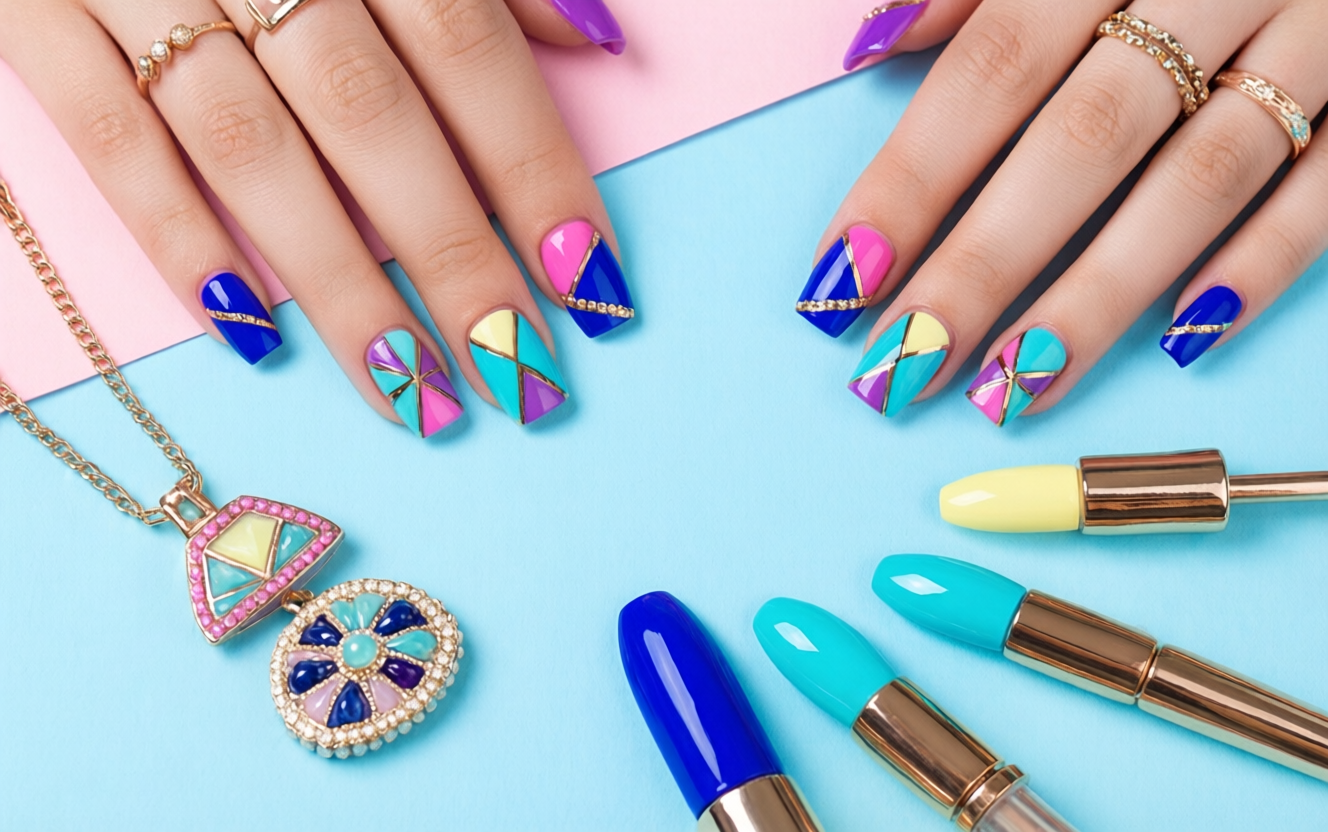
Ever wondered why your nail tips look flawless one day and then start lifting after a single coffee run? The secret isn’t magic—it’s mastering the nail tip application process from prep to finish.
In This Article
1. Classic Acrylic Nail Tip Application
Acrylic remains the gold standard for salon‑grade extensions, and the technique is surprisingly approachable for DIY enthusiasts. Here’s my step‑by‑step routine that consistently delivers a 7‑day wear without bubbling.
Materials & Cost
- KISS Acrylic Nail Tips – 12‑piece pack, $9.99
- Young Nails Acrylic Monomer (30 ml) – $12.50
- Young Nails Acrylic Powder (30 g) – $13.20
- Gel‑type Nail Glue (10 ml) – $6.80
- Fine‑grit File, Cuticle Pusher, Buffer
Step‑by‑Step
- Prep the natural nail. Remove any polish, push back cuticles, and buff the surface to a dull shine. This removes the natural oil barrier and improves adhesion.
- Size the tip. Choose a tip that matches the width of your nail. Trim the tip to the desired length; a typical tip is 2 mm longer than the natural nail, giving you a comfortable over‑hang.
- Apply glue. Using a brush, dab a thin line of glue along the underside of the tip, then press it onto the natural nail. Hold for 10 seconds to let the glue set.
- Blend the seam. Lightly file the joint where the tip meets the nail to remove any ridge.
- Mix acrylic. In a dappen dish, add 1 ml monomer to a pea‑size amount of powder, forming a tacky bead. Work quickly—acrylic sets in 30 seconds.
- Apply acrylic. Place the bead onto the tip, then use a brush to spread it evenly, covering the tip and a thin layer onto the natural nail. Aim for a thickness of 1.5 mm for durability.
- Shape. After the acrylic hardens (about 2 minutes), file the nail to your desired shape—square, almond, or the stiletto nail shape you’ve always wanted.
- Finish. Buff the surface smooth, wipe with alcohol, and apply a top coat. Your acrylic extension is ready for polish or gel.
Pros & Cons
| Pros | Cons |
|---|---|
| Durable up to 2 weeks | Strong odor from monomer |
| Can be sculpted into any shape | Requires practice to avoid bubbles |
| Relatively inexpensive | Potential nail thinning if over‑filled |
Rating: 4.7/5 – reliable for both beginners and pros.
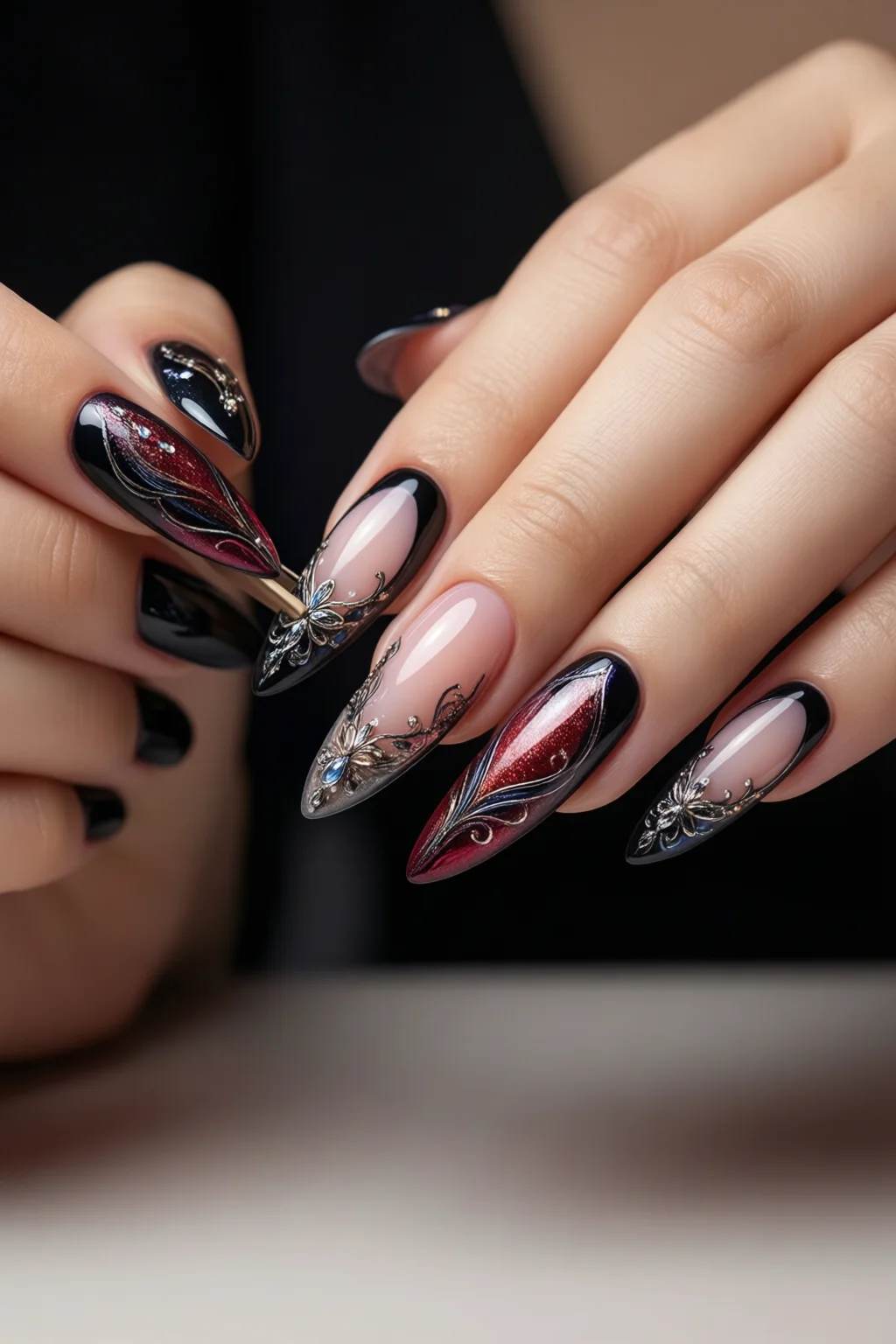
2. Gel Nail Tip Application
If you crave a glossy finish straight out of the bottle, gel tips are the answer. They combine the strength of acrylic with the high‑shine of gel polish, and the cure time is a mere 30 seconds under a UV lamp.
Materials & Cost
- Mia Secret Gel Nail Tips – 10‑piece set, $14.95
- Gel Builder (15 ml) – $19.99
- UV/LED Lamp (48 W) – $39.99
- Gel‑type Glue – $7.20
- Cuticle Oil, Buffer, Fine File
Step‑by‑Step
- Sanitize and prep the nail as described above.
- Trim and file the gel tip to the desired length.
- Apply a thin coat of gel glue on the tip, press onto the natural nail, and cure for 30 seconds.
- Using a brush, pick up a small amount of gel builder, place it on the tip, and spread evenly. Aim for a 1 mm thickness.
- Cure under the UV lamp for 60 seconds (or per product instructions).
- Repeat if a thicker layer is needed, curing each layer separately.
- Shape with a fine file, then buff to a smooth finish.
- Seal with a gel top coat and cure another 30 seconds.
Pros & Cons
- Pros: No strong odor, high shine, lightweight feel, less chance of lifting.
- Cons: Requires a UV/LED lamp (additional $40 expense), gel can be pricier per tip, removal needs acetone soak (15 minutes).
Rating: 4.5/5 – perfect for glossy lovers who don’t mind the lamp investment.
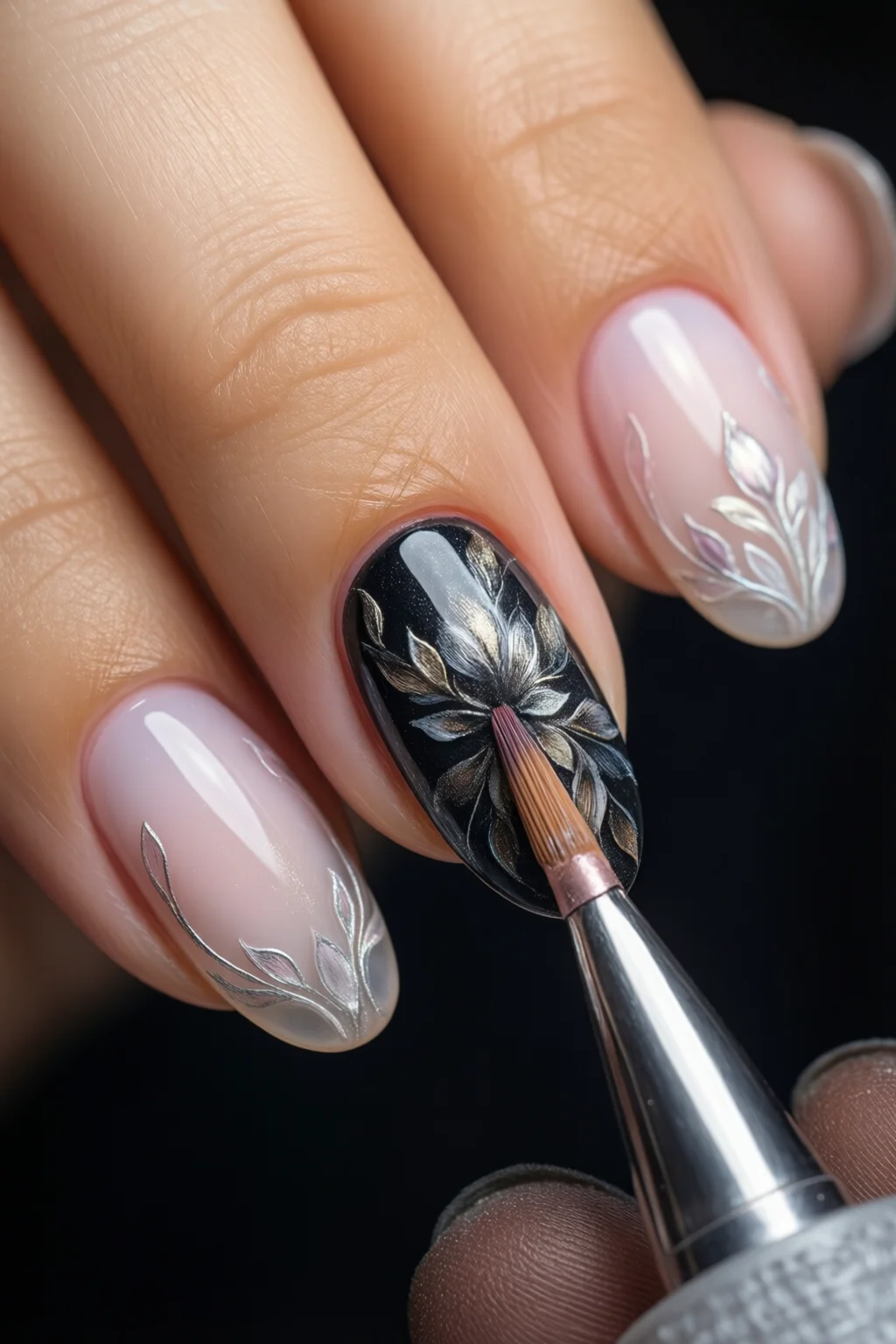
3. Polygel Nail Tip Application
Polygel is the hybrid that’s been stealing the spotlight. It’s a gel‑like material you can sculpt with a brush, yet it cures like gel. If you’re already into polygel nails at home, adding tips expands your design canvas.
Materials & Cost
- Makartt Polygel Tips (5‑piece) – $12.99
- Polygel Builder (30 ml) – $22.50
- Dual‑cure UV Lamp – $45.00
- Slip Solution (10 ml) – $5.80
- Fine File, Buffer, Cuticle Pusher
Step‑by‑Step
- Prep the nail: clean, push back cuticles, and lightly dehydrate with alcohol.
- Trim the polygel tip to the desired length; the material is flexible, so you can bend it slightly for a perfect fit.
- Apply a tiny line of slip solution on the tip’s underside, press onto the nail, and cure for 10 seconds to lock the tip in place.
- Pick up a pea‑size amount of polygel with your brush, dip into the slip solution, and place it on the tip. Spread evenly, ensuring a smooth transition to the natural nail.
- Cure under the UV lamp for 45 seconds. If you need more volume, repeat the bead and cure process.
- Shape the extension with a coarse file, then finish with a buffer.
- Top it off with gel polish or a regular top coat; the finish is as glossy as gel.
Pros & Cons
| Pros | Cons |
|---|---|
| Lightweight, less stress on natural nail | Slip solution can be messy |
| Low odor, easy to sculpt | Requires UV lamp |
| Long wear (up to 3 weeks) | Higher product cost |
Rating: 4.6/5 – the sweet spot for durability and comfort.
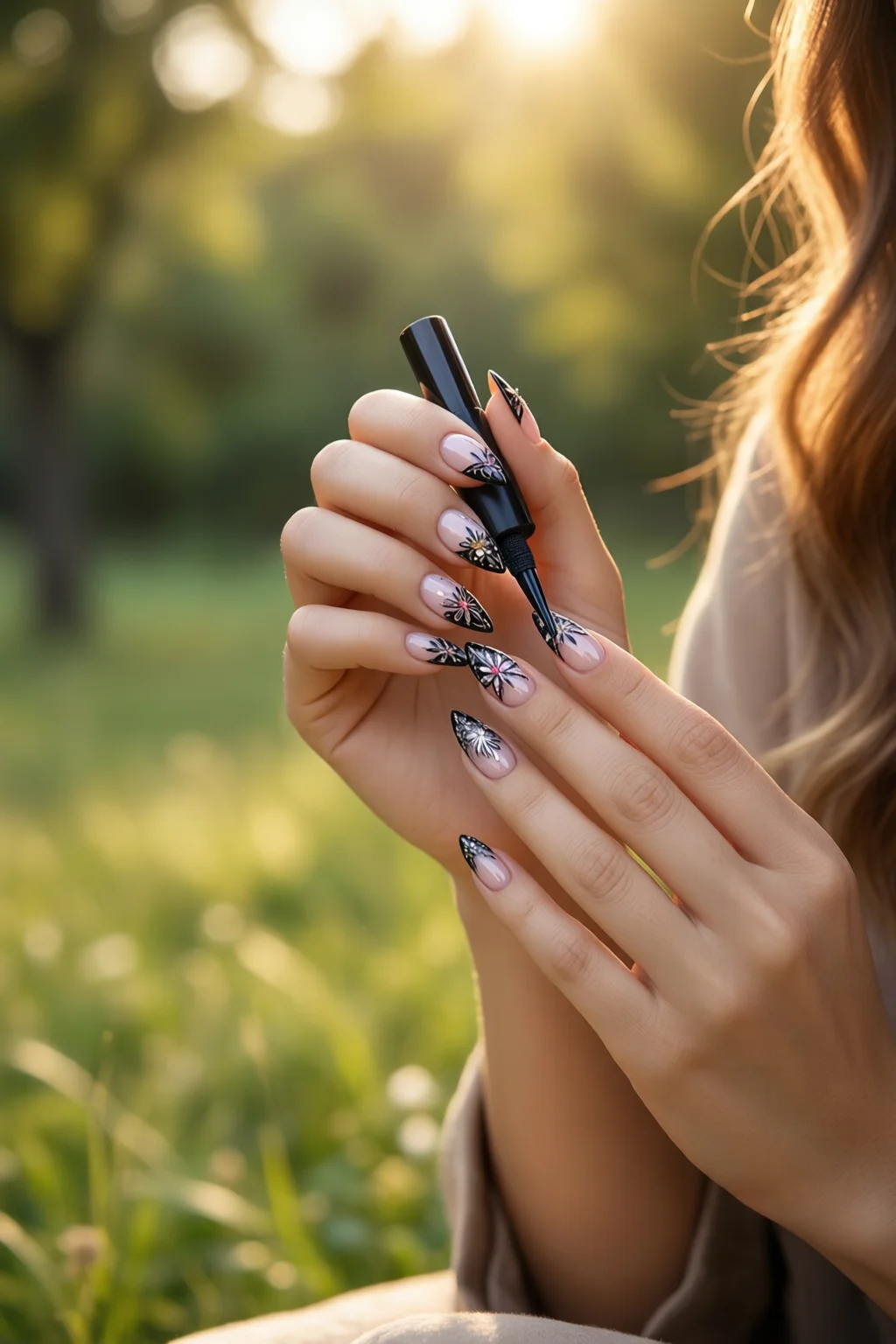
4. Press‑On Nail Tips (Instant Glue‑On)
When you need a runway‑ready set in under 5 minutes, press‑ons are unbeatable. No brush, no lamp—just glue and go. I keep a stash of these in my travel bag for emergency glam.
Materials & Cost
- KISS Press‑On Nails – 24‑piece kit, $13.99
- Pre‑tipped adhesive strips (included)
- Mini File, Cuticle Oil
Step‑by‑Step
- Clean the natural nails with alcohol and push back cuticles.
- Select the correct size; press‑ons are pre‑shaped, so fit is crucial.
- Peel off the adhesive backing and press firmly onto the nail for 10 seconds.
- File the edges lightly to blend with the natural tip.
- Apply cuticle oil to keep nails hydrated.
Pros & Cons
- Pros: Instant application, no equipment, affordable ($0.60 per tip).
- Cons: Shorter wear (2‑3 days), limited design flexibility, may lift if not pre‑cleaned properly.
Rating: 4.0/5 – perfect for quick fixes, not for long‑term extensions.
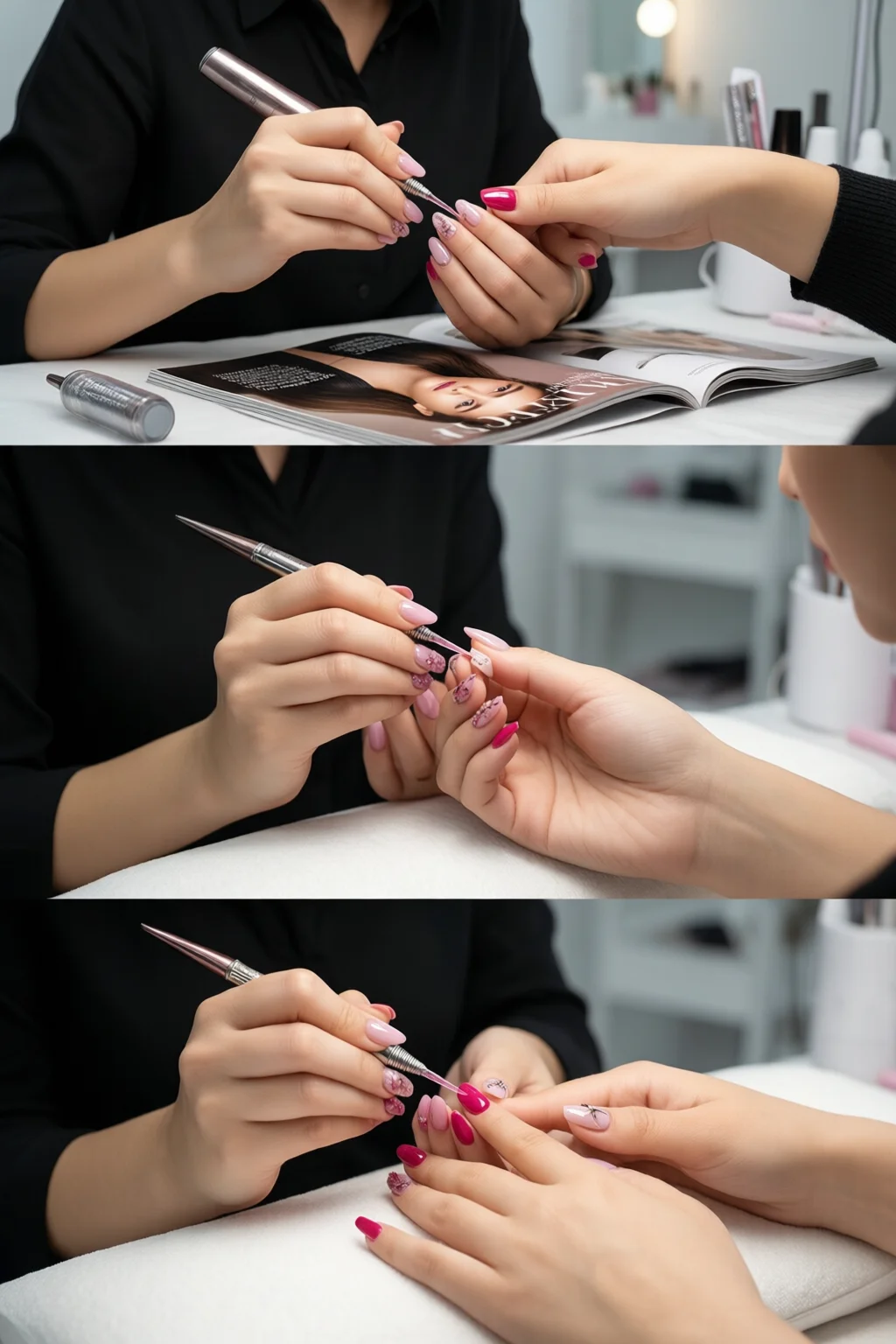
5. DIY Nail Tip Application with Glue & Brush (Budget Friendly)
For those who love to experiment without splurging on kits, a simple glue‑and‑brush method works surprisingly well. I’ve used this technique countless times when traveling on a shoestring budget.
Materials & Cost
- Generic Nail Tips (12‑piece) – $6.99
- Super‑Strong Nail Glue (5 ml) – $4.50
- Fine Brush (from old nail polish bottle)
- File, Buffer, Cuticle Pusher
Step‑by‑Step
- Prep: sanitize, push back cuticles, and lightly buff.
- Trim the tip to match your nail’s length; a 1 mm over‑hang works best for a natural look.
- Apply a thin line of glue on the tip’s underside using the brush. Avoid excess; too much glue creates bubbles.
- Press the tip onto the natural nail, hold for 5 seconds, then use a fingertip to ensure full contact.
- File the seam lightly, then shape the tip with a coarse file.
- Finish with a top coat or gel polish for added shine and protection.
Pros & Cons
- Pros: Inexpensive (<$0.60 per tip), minimal tools, customizable length.
- Cons: Glue may yellow over time, less durable than acrylic or gel, prone to lifting if not pressed firmly.
Rating: 3.8/5 – good for occasional wear, not a long‑term solution.
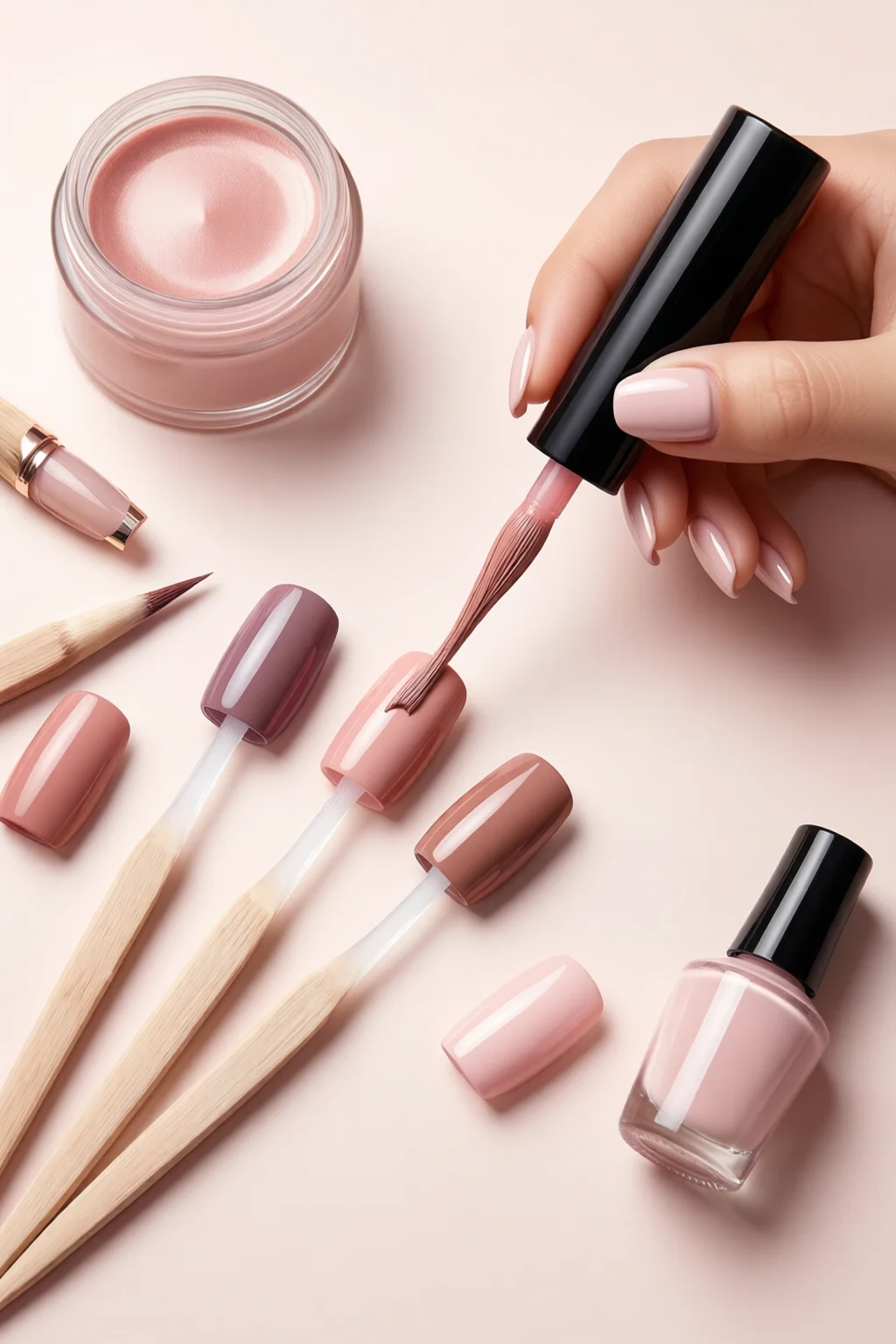
Comparison Table: Top Nail Tip Application Methods
| Method | Cost per Set | Durability | Equipment Needed | Application Time | Best For |
|---|---|---|---|---|---|
| Classic Acrylic | $45‑$55 (tips + monomer + powder) | 10‑14 days | Acrylic brush, dappen dish, file | 15‑20 min | Salon‑grade strength, custom shapes |
| Gel Tips | $70‑$80 (tips + gel builder + lamp) | 7‑10 days | UV/LED lamp, gel brush | 12‑15 min | Glossy finish, lightweight feel |
| Polygel | $65‑$75 (tips + polygel + lamp) | 14‑21 days | UV lamp, slip solution, brush | 15‑18 min | Hybrid durability, low odor |
| Press‑On | $14‑$16 (kit) | 2‑3 days | None (adhesive strips) | 3‑5 min | Quick events, travel |
| DIY Glue‑&‑Brush | $12‑$15 (tips + glue) | 4‑6 days | Brush, file | 5‑7 min | Budget projects, experimentation |
Final Verdict
Choosing the right nail tip application hinges on three factors: how long you need the extension to last, your comfort with tools, and your budget. If you crave salon durability without breaking the bank, classic acrylic remains unbeatable. For a glossy, lightweight look, gel tips are the clear winner—just remember the lamp investment. Polygel offers a happy medium with minimal odor and impressive wear time. Press‑ons are the emergency heroes, while the DIY glue‑and‑brush method is perfect for spontaneous creativity.
My personal recommendation? Start with acrylic for foundational skill, then graduate to gel or polygel once you’ve mastered the prep and filing steps. The confidence you gain from a solid base will make every subsequent nail tip application feel like a breeze.
How long should I let the glue dry before filing?
Give the glue about 10‑15 seconds to set. Rushing to file can cause the tip to lift, especially with acrylic or gel glue.
Can I use regular nail polish over acrylic tips?
Absolutely. Apply a base coat, your chosen polish, and finish with a top coat. For extra longevity, seal with a thin layer of gel top coat.
Do I need a UV lamp for polygel tips?
Yes. Polygel cures under UV/LED light. A 48‑W lamp (about $45) cures each layer in 30‑45 seconds and is a worthwhile investment for frequent users.
How can I prevent nail polish bubbles on tips?
Check out our guide on nail polish bubbles. Key tips: use a thin coat, avoid shaking the bottle, and finish each layer with a quick 30‑second lamp cure.
Is UV lamp exposure harmful for nails?
According to UV lamp safety nails, exposure is minimal—under 2 minutes per session. Wearing sunscreen on the hands can further reduce any risk.