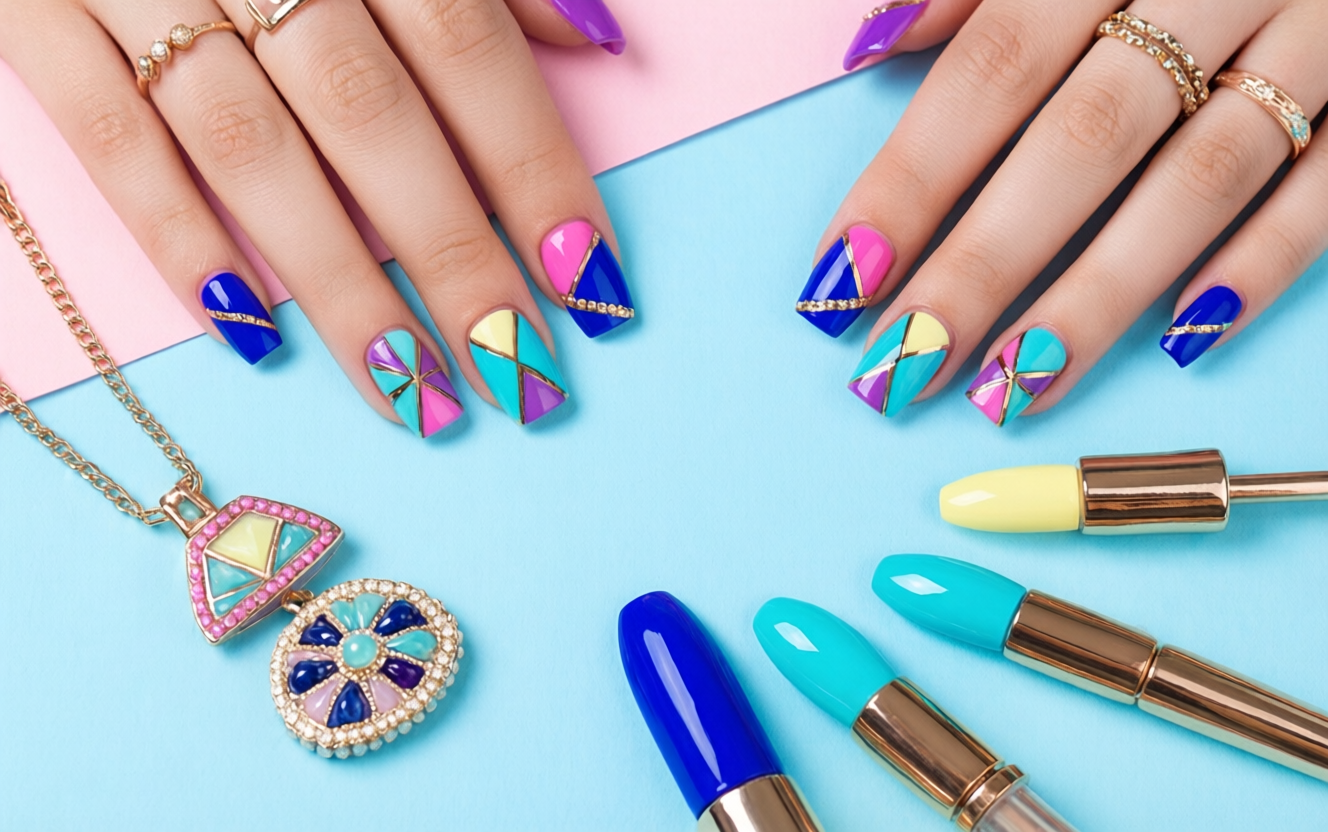
Unlock flawless nail art in minutes with the best nail stamping plates that turn any design into a salon‑quality masterpiece.
In This Article
- What You Will Need (Before You Start)
- Step 1 – Prepare Your Nail Surface
- Step 2 – Choose the Right Plate and Design
- Step 3 – Load the Stamping Gel
- Step 4 – Transfer the Design
- Step 5 – Stamp Onto Your Nail
- Common Mistakes to Avoid
- Tips for Best Results (Troubleshooting & Pro Secrets)
- Summary – Your Roadmap to Nail‑Stamping Mastery
In this guide you’ll learn exactly how to pick, set up, and use stamping plates so you can create intricate patterns without the painstaking brush work. By the end you’ll have a ready‑to‑go kit, a step‑by‑step workflow, and the confidence to experiment with everything from delicate florals to bold geometrics.
What You Will Need (Before You Start)
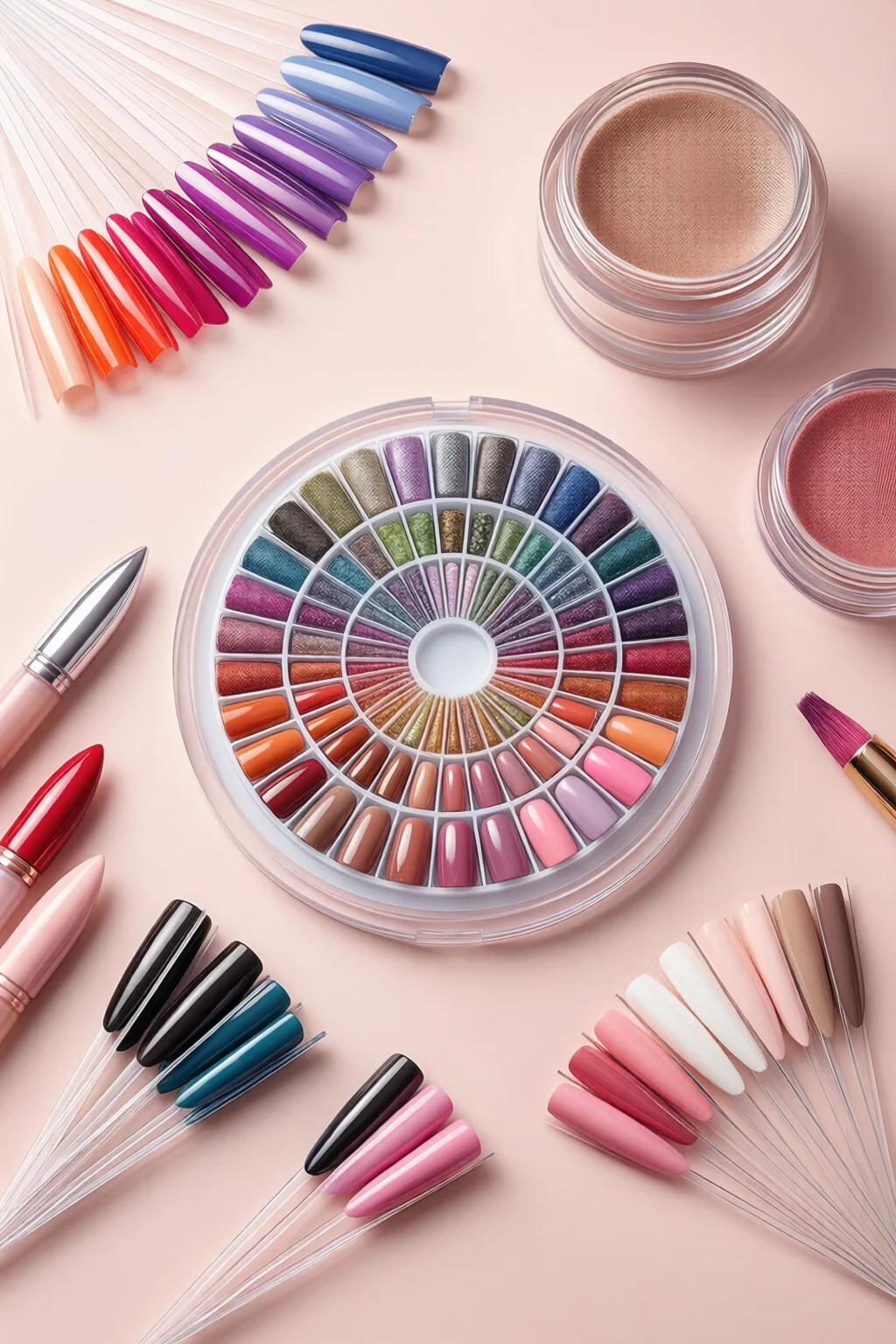
- Stamping plates – Choose a set that offers a mix of basic and specialty designs. My go‑to is the KISS 24‑Piece Stamping Plate Set ($24.99, 8 × 8 in each plate). For a premium option, the Born Pretty Press‑Dreams Collection ($35, 10 × 10 cm plates, 12 designs) delivers deeper grooves and less wear over time.
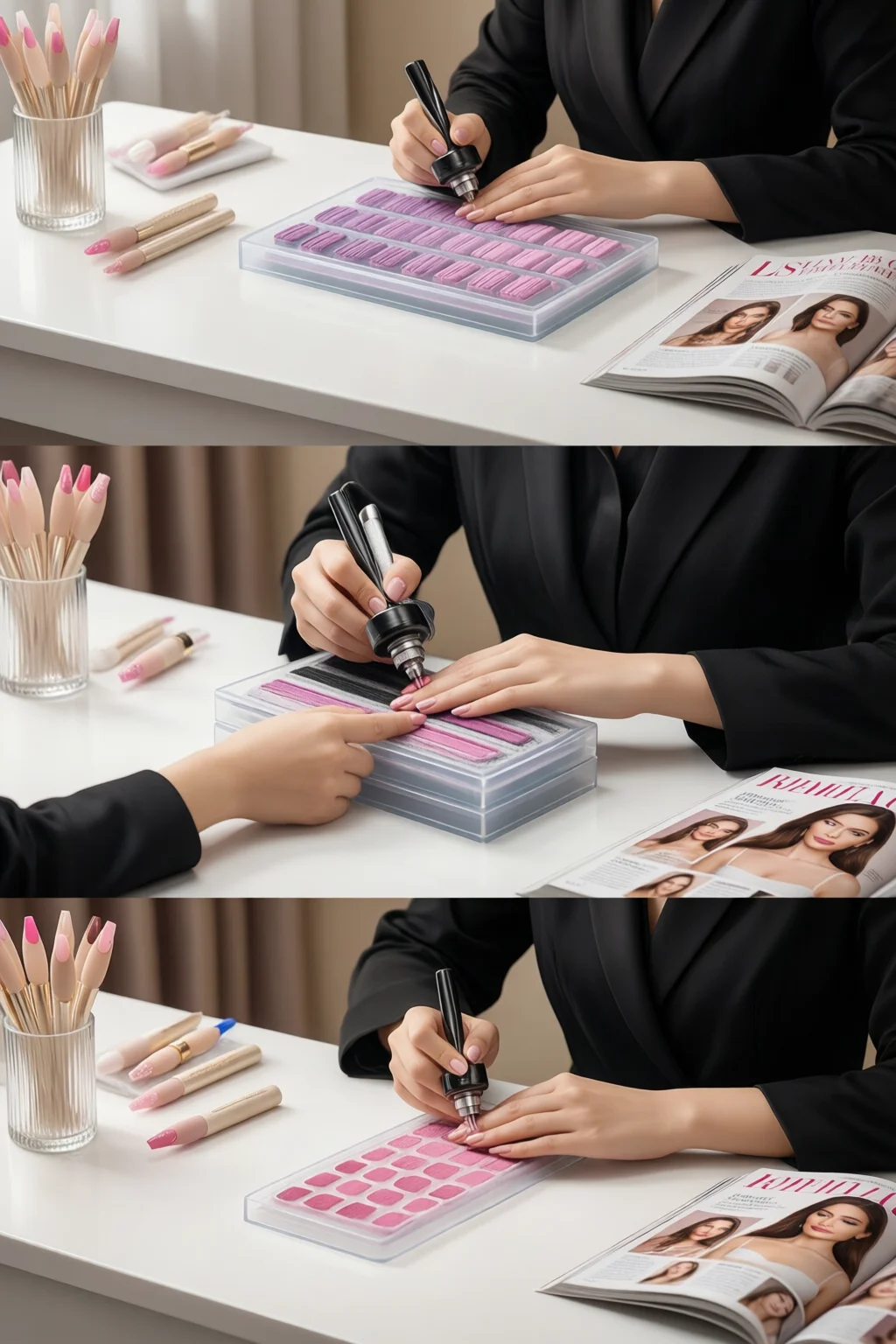
- Stamping plates holder – A silicone tray keeps plates flat and prevents warping. The KISS Plate Organizer costs $9.99 and fits up to 30 plates.
- Stamping tool – A rubber‑capped metal stamper is essential for clean transfers. I swear by the KISS Stamping Tool ($12.95) because the grip stays firm even after multiple uses.
- Clear stamping gel – Not all gels work the same. The Orly Stamp‑N‑Set Gel (30 ml, $14) dries in 30 seconds and gives a glossy finish.
- Base and top coat – Use a thin base coat for adhesion and a quick‑dry top coat for shine. My favorite is best long lasting nail polish combo: Seche Vite base ($15) and OPI top coat ($13).
- Cleanser – Rubbing alcohol (70 % isopropyl) and lint‑free wipes to remove excess gel.
- File and buffer – A fine‑grit file (180‑220) and a buffer block to prep the nail surface.
Step 1 – Prepare Your Nail Surface
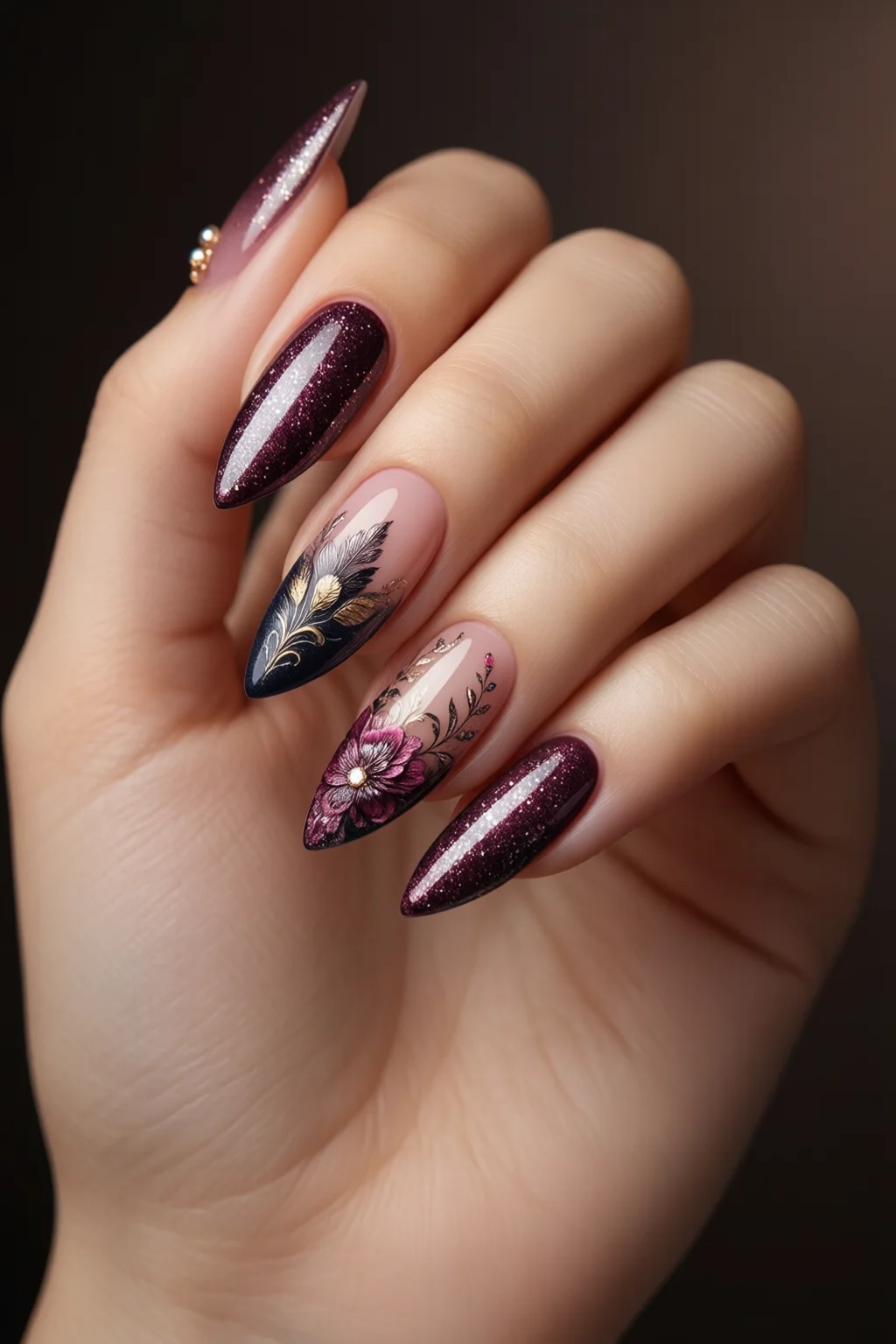
Start with clean, dry nails. Push back cuticles, file to your desired shape, and lightly buff the surface to remove shine. Apply a thin layer of base coat and cure for 30 seconds under a UV lamp (or 10 seconds under LED). The base creates a smooth canvas and prevents premature lifting of the stamped design.
Step 2 – Choose the Right Plate and Design
Lay out your plates on the silicone organizer. For beginners, pick a plate with larger motifs (e.g., stars, hearts) because the grooves are deeper and easier to pick up. Advanced artists gravitate toward plates with fine lines – the Impress Stamping Plate “Dainty Dots” (12 designs, $19) is a favorite for minimalist nail art.
Tip: If you plan to mix two colors, select plates that have complementary negative space; this reduces the need for extra clean‑up.
Step 3 – Load the Stamping Gel
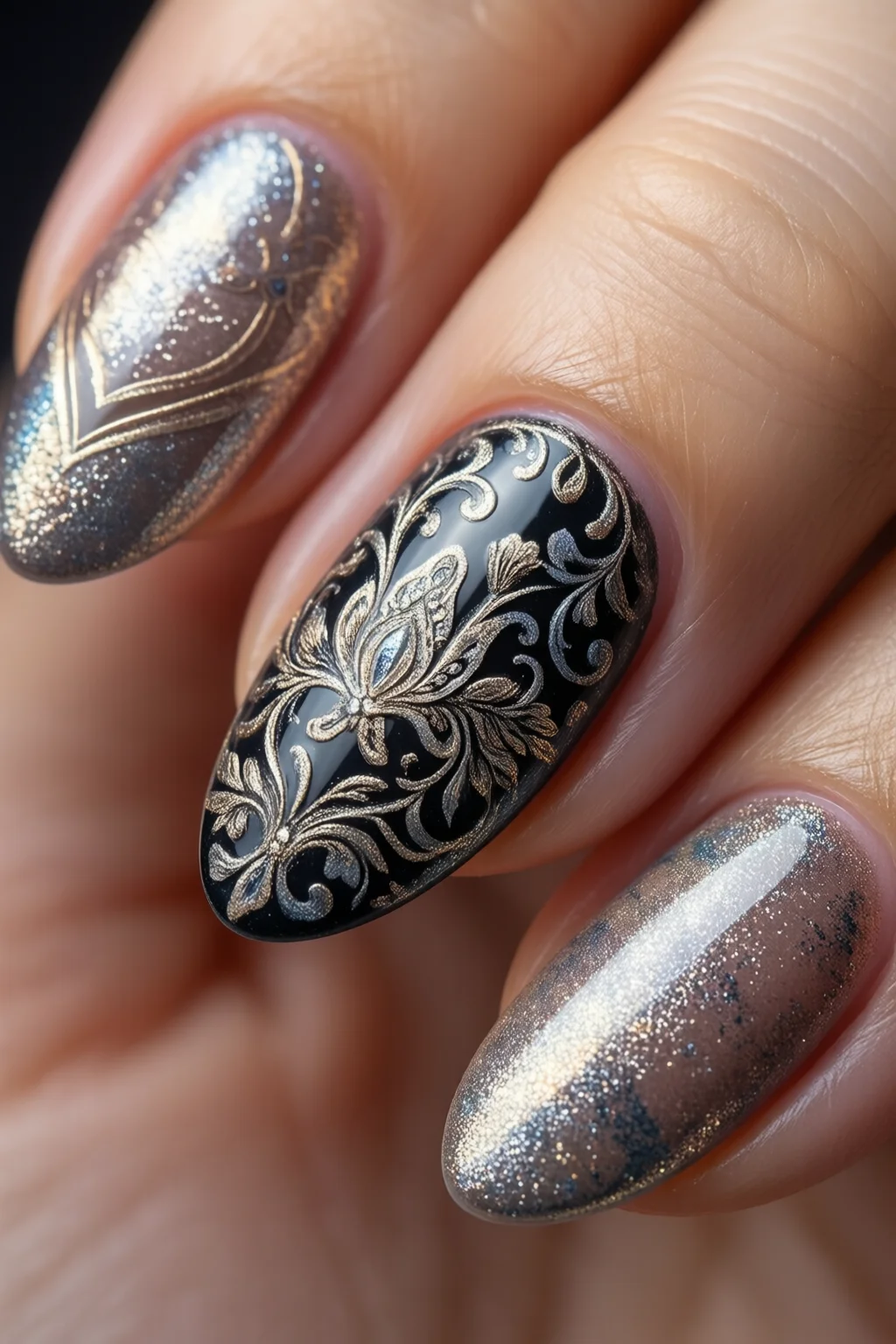
Dispense a pea‑sized amount of clear gel onto the center of the chosen plate. Use the flat side of the stamper to spread the gel evenly, covering the entire design but avoiding overflow. The gel should be thin enough to see the plate’s texture, yet thick enough to hold shape.
One mistake I see often is over‑loading the gel, which leads to smudging and a cloudy finish. Aim for a layer about 0.2 mm thick – roughly the thickness of a credit card.
Step 4 – Transfer the Design
Press the rubber‑capped side of the stamper onto the gel‑covered plate. Apply firm, even pressure for 2‑3 seconds, then lift straight up. The design should adhere to the stamper without tearing. If you notice missing lines, the plate may be worn; a fresh plate will give clean edges.
Step 5 – Stamp Onto Your Nail
Place the stamper gently onto the nail, aligning the design to the nail’s center. Press for 1‑2 seconds, then lift. The gel will transfer instantly, leaving a crisp imprint. If the design appears faint, dab a tiny amount of gel onto the stamper’s side and repeat.
After stamping, cure the gel for 30 seconds (LED) or 60 seconds (UV). Finish with a top coat and a final 60‑second cure. Your nails are now ready for a glossy, chip‑resistant finish that can last up to two weeks.
Common Mistakes to Avoid
- Using old or warped plates – Grooves become shallow, causing faint transfers. Replace plates every 6‑12 months depending on usage.
- Skipping the base coat – Without adhesion, even the best plates will lift after a few days.
- Applying too much gel – Leads to pooling and a cloudy appearance. Stick to the pea‑size rule.
- Pressing too hard with the stamper – Excess pressure can flatten the design, especially on fine‑line plates.
- Not cleaning the stamper between colors – Residual gel creates unwanted blending. Wipe with alcohol wipes after each color change.
Tips for Best Results (Troubleshooting & Pro Secrets)
Temperature matters. Work in a room between 68‑72 °F (20‑22 °C). Cold air makes the gel thicken, causing incomplete transfers.
Use a light‑touch fingertip technique. After stamping, a quick tap with the fingertip can smooth any tiny air bubbles without disturbing the design.
Mix and match plates. My favorite combo is the KISS “Floral Fusion” set (12 plates, $22) paired with the Impress “Geometric Gold” plates. The contrast of organic and structured lines creates depth that looks hand‑painted.
Layering. For a 3‑D effect, stamp a base color, cure, then apply a contrasting gel and stamp a second design on top. This technique works beautifully with the gel polish vs regular polish differences in opacity.
Storage tip. Keep plates flat in a dry drawer with silica packets. Moisture warps the plates and dulls the grooves.
If a design smears during curing, it’s likely you didn’t cure long enough. Extend the cure by 10 seconds and you’ll see a hard, glass‑like finish.
Summary – Your Roadmap to Nail‑Stamping Mastery
Choosing the best nail stamping plates isn’t about the flashiest brand; it’s about durability, groove depth, and a design range that matches your style. Pair high‑quality plates with a reliable stamper, clear gel, and proper nail prep, and you’ll consistently achieve salon‑level results in under ten minutes per hand.
Invest in a versatile set like the KISS 24‑Piece or the Born Pretty Press‑Dreams, keep your plates organized, and follow the five‑step workflow above. Avoid the common pitfalls, apply the pro tips, and you’ll see a dramatic boost in both speed and design fidelity.
Ready to upgrade your nail art game? Start with a set of plates, practice the steps, and soon you’ll be creating custom looks that rival any professional studio.
What makes a stamping plate “best”?
The best plates have deep, precise grooves, a smooth, non‑porous surface, and a durable material (usually high‑grade acrylic). They should stay flat over time, resist warping, and offer a variety of designs that suit both beginners and advanced artists.
How often should I replace my stamping plates?
Most professionals replace plates every 6‑12 months, depending on usage. If you notice faded lines or if the gel no longer adheres evenly, it’s time for a new set.
Can I use regular nail polish with stamping plates?
Yes, but regular polish is thicker and may not flow into fine grooves as smoothly. For crisp results, use a dedicated stamping gel or thin the polish with a clear base. The best dip powder brands often recommend a gel for stamping because of its low viscosity.
Do I need a special lamp for stamped designs?
A standard LED or UV lamp works fine. Just follow the curing times recommended by your gel brand – typically 30 seconds for LED and 60 seconds for UV. Longer cures can make the design overly hard, while shorter cures may cause lifting.
How can I store my plates to extend their life?
Store them flat in a dry drawer with silica packets. Avoid humidity and direct sunlight. A silicone organizer keeps them from scratching each other and maintains a level surface.