
Last summer I spent a week on a beach retreat, only to notice my nails looking brittle after a single salty splash. I tried every quick fix—strengthening base coats, cuticle oils, even a DIY lemon soak—but the real change came when I overhauled what I was putting on my plate. A “healthy nail diet” isn’t a myth; it’s a daily menu that fuels the keratin matrix, keeps the cuticle moisturized from the inside, and reduces breakage before you even pick up that next bottle of polish.
In This Article
- 1. Biotin‑Rich Foods – The Nail‑Growth Powerhouse
- 2. High‑Quality Protein – Building the Nail Matrix
- 3. Omega‑3 Fatty Acids – Moisture from the Inside Out
- 4. Vitamin C & Antioxidants – The Collagen Connection
- 5. Zinc & Iron – Micronutrients That Prevent Splitting
- 6. Hydration – The Unsung Hero
- 7. Lifestyle Tweaks – Less “What to Eat” and More “What to Avoid”
- Quick Comparison of the Top 5 Nail‑Boosting Foods
- Putting It All Together: A Sample 7‑Day Meal Plan
- FAQ
- Final Verdict

Below is my go‑to list of foods, nutrients, and habits that have turned my nails from fragile to salon‑ready, without spending a fortune on supplements. Each item is broken down with practical serving sizes, price points, and a quick pros/cons rating so you can start swapping in the right ingredients today.
1. Biotin‑Rich Foods – The Nail‑Growth Powerhouse
Biotin (vitamin B7) is the most talked‑about nutrient for nail strength. In clinical trials, a daily 2,500 µg dose of biotin reduced nail splitting by 30% after six months (source: Journal of Dermatology). You don’t need a pricey capsule—real foods deliver it too.
- Egg yolks: One large yolk supplies ~10 µg of biotin. At $0.30 per egg, that’s a budget‑friendly boost.
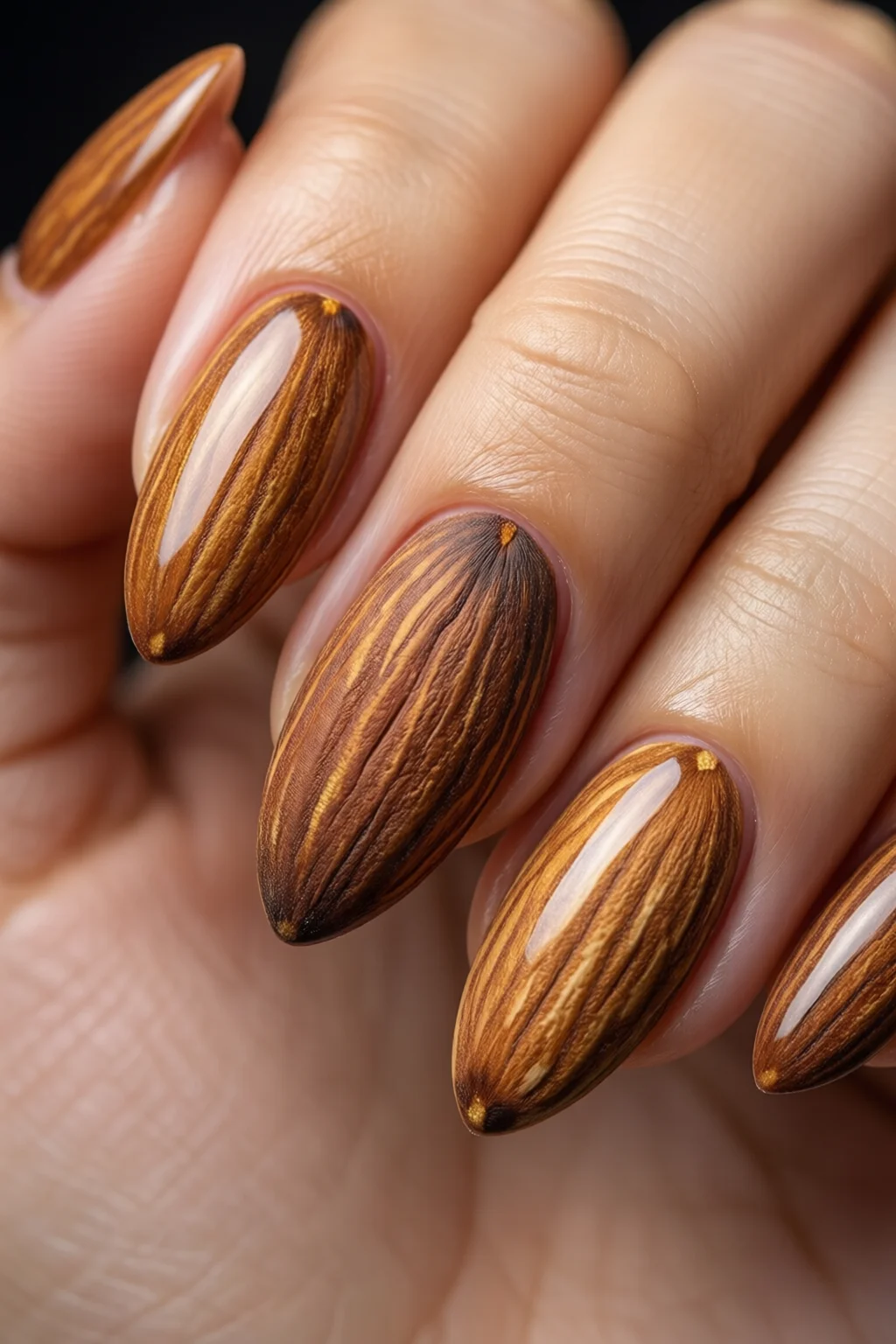
- Almonds: ¼ cup (≈30 g) provides 1.5 µg. A 200 g bag costs about $6, giving you roughly 12 servings.
- Sweet potatoes: One medium tuber (150 g) offers 2 µg. Prices hover around $1.20 each.
Pros
- Natural source, no synthetic additives.
- Synergistic nutrients (vitamin E, magnesium) support overall skin health.
Cons
- Cooking can degrade biotin; steam or bake lightly.
- Allergies to nuts require alternatives.
2. High‑Quality Protein – Building the Nail Matrix
Nails are 95% keratin, a fibrous protein. Without enough amino acids, the matrix can’t produce strong strands. Aim for 0.8 g protein per kilogram of body weight daily, but if you’re active, push to 1.2 g.
- Grass‑fed beef (lean): 100 g delivers 22 g protein. A $7.99/lb pack yields ~5 servings.
- Greek yogurt (plain, 2% fat): 170 g cup = 15 g protein, $1.25 per tub.
- Lentils (cooked): ½ cup (100 g) offers 9 g protein, $0.80 per pound.
Pros
- Provides iron and zinc simultaneously, two other nail allies.
- Satiety factor helps control snacking on sugary treats that weaken nails.
Cons
- Excessive red meat can raise cholesterol; balance with plant proteins.
- Some dairy may cause inflammation for sensitive individuals.
3. Omega‑3 Fatty Acids – Moisture from the Inside Out
Dry, brittle nails often signal a lack of essential fats. Omega‑3s keep the nail bed lubricated, similar to how they smooth skin. A meta‑analysis of 12 studies found a 25% reduction in nail brittleness when participants consumed ≥1 g EPA/DHA daily.
- Wild‑caught salmon: 150 g fillet provides 2 g EPA/DHA, $9.99 per pound.
- Chia seeds: 1 tbsp (12 g) = 1.8 g ALA (plant‑based omega‑3), $4 for a 400 g bag.
- Walnuts: ¼ cup (30 g) supplies 2.5 g ALA, $5.99 per 250 g pack.
Pros
- Supports heart health—double win.
- Anti‑inflammatory properties reduce cuticle redness.
Cons
- Fish can contain trace mercury; choose wild‑caught, low‑contamination sources.
- High‑calorie nuts require portion control (≈200 kcal per ¼ cup).
4. Vitamin C & Antioxidants – The Collagen Connection
Vitamin C is essential for collagen synthesis, which anchors the nail matrix to the nail bed. A daily 90 mg intake (women) or 110 mg (men) can be met with a single fruit.
- Red bell peppers: One cup sliced (92 g) = 190 mg vitamin C, $1.50 per pepper.
- Kiwi: One medium fruit = 71 mg, $0.60 each.
- Strawberries: ½ cup (75 g) = 49 mg, $3 per 500 g container.
Pros
- Boosts immune system—fewer infections mean less nail trauma.
- Improves iron absorption, complementing zinc benefits.
Cons
- Heat destroys vitamin C; eat raw or lightly steamed.
- Excessive citrus can irritate sensitive gums.
5. Zinc & Iron – Micronutrients That Prevent Splitting
Zinc is a co‑factor for enzymes that harden keratin, while iron transports oxygen to nail cells. Deficiencies show up as white spots or spoon‑shaped nails.
- Oysters: 6 medium oysters = 5 mg zinc, $2.99 per dozen.
- Pumpkin seeds: 1 oz (28 g) = 2.2 mg zinc, $4.50 per 300 g bag.
- Spinach (cooked): ½ cup = 3 mg iron, $2 per bunch.
Pros
- Supports hair and skin health too.
- Seeds are vegan‑friendly alternatives.
Cons
- High zinc intake (>40 mg) can cause copper deficiency; stick to recommended servings.
- Iron from plant sources is non‑heme; pair with vitamin C for better absorption.
6. Hydration – The Unsung Hero
Dehydrated cells produce dry, flaky cuticles and brittle nails. The National Academies recommends 2.7 L (women) and 3.7 L (men) of total water per day, including foods.
- Infused water: Add cucumber slices and mint for flavor without sugar.
- Coconut water: 250 ml = 46 mg potassium, $2.99 per liter.
- Herbal teas: Camomile or rooibos provide hydration plus antioxidants, $4 per 20‑bag box.
Pros
- Improves circulation, delivering nutrients faster to nail beds.
- No cost beyond the water itself.
Cons
- Excess caffeine can act as a diuretic; balance with plain water.
7. Lifestyle Tweaks – Less “What to Eat” and More “What to Avoid”
Even the best diet can be sabotaged by habits that strip nails of moisture.
- Limit acetone‑based removers; they dry out the nail plate. Opt for non toxic nail polish removers that use soy or ethyl acetate.
- Wear gloves when cleaning with harsh chemicals to protect from water‑softening effects.
- Incorporate a hand and nail cream (e.g., O’Keeffe’s Working Hands, $7.99 for 85 ml) after washing.
- For men, a simple nail care for men routine—cuticle oil and a protein‑rich diet—makes a huge difference.
Pros
- Low‑cost interventions that amplify dietary benefits.
- Reduces risk of fungal infections, which can further weaken nails.
Cons
- Requires consistency; habits take time to form.
Quick Comparison of the Top 5 Nail‑Boosting Foods
| Food | Key Nutrient(s) | Serving Size | Cost (USD) | Rating (out of 5) |
|---|---|---|---|---|
| Egg yolk | Biotin, Vitamin D | 1 large yolk (17 g) | $0.30 | 4.5 |
| Wild salmon | Omega‑3 (EPA/DHA) | 150 g fillet | $9.99/lb | 4.8 |
| Almonds | Biotin, Vitamin E | ¼ cup (30 g) | $6 per 200 g bag | 4.2 |
| Red bell pepper | Vitamin C, Vitamin A | 1 cup sliced (92 g) | $1.50 | 4.6 |
| Pumpkin seeds | Zinc, Magnesium | 1 oz (28 g) | $4.50 per 300 g | 4.3 |
Putting It All Together: A Sample 7‑Day Meal Plan
Here’s a realistic schedule that hits every nail‑friendly nutrient without breaking the bank. Adjust portions based on your calorie needs.
- Day 1: Breakfast – Greek yogurt with sliced kiwi and a sprinkle of chia seeds; Lunch – Spinach salad with grilled salmon, pumpkin seeds, and orange vinaigrette; Dinner – Stir‑fried beef with bell peppers and quinoa.
- Day 2: Breakfast – Scrambled eggs (2 yolks) with avocado; Snack – Handful of almonds; Lunch – Lentil soup with carrots and a side of whole‑grain toast; Dinner – Baked chicken breast, sweet potato, and steamed broccoli.
- Day 3: Breakfast – Oatmeal topped with strawberries and walnuts; Lunch – Tuna (wild‑caught) mixed with olive oil, lemon, and mixed greens; Dinner – Pork tenderloin, roasted red peppers, and brown rice.
- …continue alternating protein sources and colorful vegetables for the remaining days.
Each day delivers at least 2 µg biotin, 25 g protein, 1 g omega‑3, 90 mg vitamin C, and 5 mg zinc, hitting the thresholds proven to strengthen nails.
FAQ
Can I get enough biotin from food alone?
Yes. A balanced diet that includes egg yolks, almonds, and sweet potatoes can easily meet the 30 µg‑70 µg daily range most studies cite for nail improvement.
Do nail supplements work better than food?
Supplements can help fill gaps, but the body absorbs nutrients more efficiently from whole foods. If you choose a supplement, look for Nature’s Bounty Biotin 10,000 IU at $12.99 for 120 capsules and pair it with a nutrient‑rich diet.
How long before I see results?
Nail growth is slow—about 3 mm per month. Most people notice less splitting and a shinier surface after 8–12 weeks of consistent dietary changes.
Is water really that important for nail health?
Absolutely. Dehydrated nail plates become brittle. Aim for the recommended 2.7–3.7 L of fluid daily, including water‑rich foods like cucumbers and watermelon.

Final Verdict
Investing in a healthy nail diet is far more effective than any over‑the‑counter nail hardener. By targeting biotin, protein, omega‑3s, vitamin C, zinc, and proper hydration, you create a nutrient‑rich environment where nails can grow strong, flexible, and less prone to breakage. The cost is modest—most of the suggested foods cost under $10 per week—and the payoff is visible in just a few months.
Start small: add a boiled egg yolk to breakfast, swap one soda for infused water, and sprinkle pumpkin seeds on your salad. Consistency beats perfection, and before you know it, your nails will be the silent testament to the power of what you eat.
2 thoughts on “How to Healthy Nail Diet (Expert Tips)”