
Did you know that a 2022 consumer safety report found that 78% of mainstream nail polishes contain at least one of the top five chemicals linked to respiratory irritation, endocrine disruption, or allergic reactions? That’s why the demand for non toxic nail polish has exploded—people want color without compromising health.
In This Article
- What You Will Need (Before You Start)
- Step 1: Nail Preparation (The Foundation of a Long‑Lasting Manicure)
- Step 2: Apply a Non Toxic Base Coat
- Step 3: Color Application – Using Non Toxic Nail Polish
- Step 4: Seal the Deal with a Non Toxic Top Coat
- Step 5: Clean Up and Finish
- Common Mistakes to Avoid
- Troubleshooting & Tips for Best Results
- Summary Conclusion
What You Will Need (Before You Start)
Gather these items so you can glide through the tutorial without hunting for supplies mid‑process.
- Non toxic nail polish – I keep a rotation of Zoya 5‑Free Classic ($10 / 15 ml), Butter London Patent Paint ($12 / 15 ml) and Ella+Mila Vegan Lacquer ($9 / 15 ml). All three are certified free of toluene, dibutyl phthalate (DBP), formaldehyde, formaldehyde resin, and camphor.
- Non toxic base coat – Zoya Stick‑On Base ($9 / 15 ml) or Modelones 5‑Free Base ($8 / 15 ml).
- Non toxic top coat – Seche Vita Non‑Toxic Top Coat ($13 / 15 ml) or ILNP 3‑Step Top Coat ($11 / 15 ml).
- Nail file (180‑grit), buffer block, cuticle pusher, and orange wood stick.
- Alcohol‑free nail cleanser or a 70% isopropyl wipe (no acetone).
- Lint‑free cotton pads, a small brush for clean‑up, and a quick‑dry oil‑based hand cream (optional).
- Timer – I use the built‑in timer on my phone; a 2‑minute interval works for most non toxic formulas.
Having everything on hand reduces the risk of contaminating your polish with accidental chemicals from a rushed store run.

Step 1: Nail Preparation (The Foundation of a Long‑Lasting Manicure)
In my experience, the most common reason a non toxic nail polish chips early is inadequate prep. Follow these sub‑steps exactly.
- Remove any existing polish with a non‑acetone remover. Acetone can strip the natural oils that protect the nail plate.
- Shape your nails with the 180‑grit file. File in one direction to avoid micro‑splits.
- Gently push back cuticles using the orange wood stick. For a thorough cuticle care routine, massage a cuticle oil after pushing back.
- Buff the surface lightly (no more than 5 seconds per nail) to remove shine and promote adhesion.
- Wipe each nail with an alcohol‑free cleanser to eliminate dust and oils. The pad should feel slightly tacky, not wet.
Skipping any of these steps leaves residue that can cause bubbling or premature lifting of the non toxic nail polish.
Step 2: Apply a Non Toxic Base Coat
A base coat creates a barrier between the nail plate and pigment, sealing in nutrients and preventing staining. Apply one thin layer, starting at the cuticle and sweeping to the tip. Avoid the skin edge to keep the polish from lifting.
Let the base coat sit for 30 seconds. Because non toxic formulas are often water‑based, they dry faster than traditional acetone‑based coats.
Step 3: Color Application – Using Non Toxic Nail Polish
Now the fun part. Choose a shade that matches your mood or outfit. My go‑to for summer is Zoya’s “Coyote” ($10 / 15 ml), a muted terracotta that stays vibrant for up to 10 days.
- Roll the bottle gently between your palms – never shake, as that introduces air bubbles.
- Apply the first thin stroke in the center of the nail, then two side strokes. The goal is a uniform film about 0.1 mm thick.
- Allow 2 minutes to dry before the second coat. The second coat should be applied in the same three‑stroke motion, filling any gaps.
- For extra opacity with a deep hue like Butter London’s “Midnight” ($12 / 15 ml), a third thin coat may be necessary. Wait 90 seconds between each layer.
Because non toxic nail polish lacks harsh solvents, you’ll notice a smoother, less “sticky” finish after the final coat.
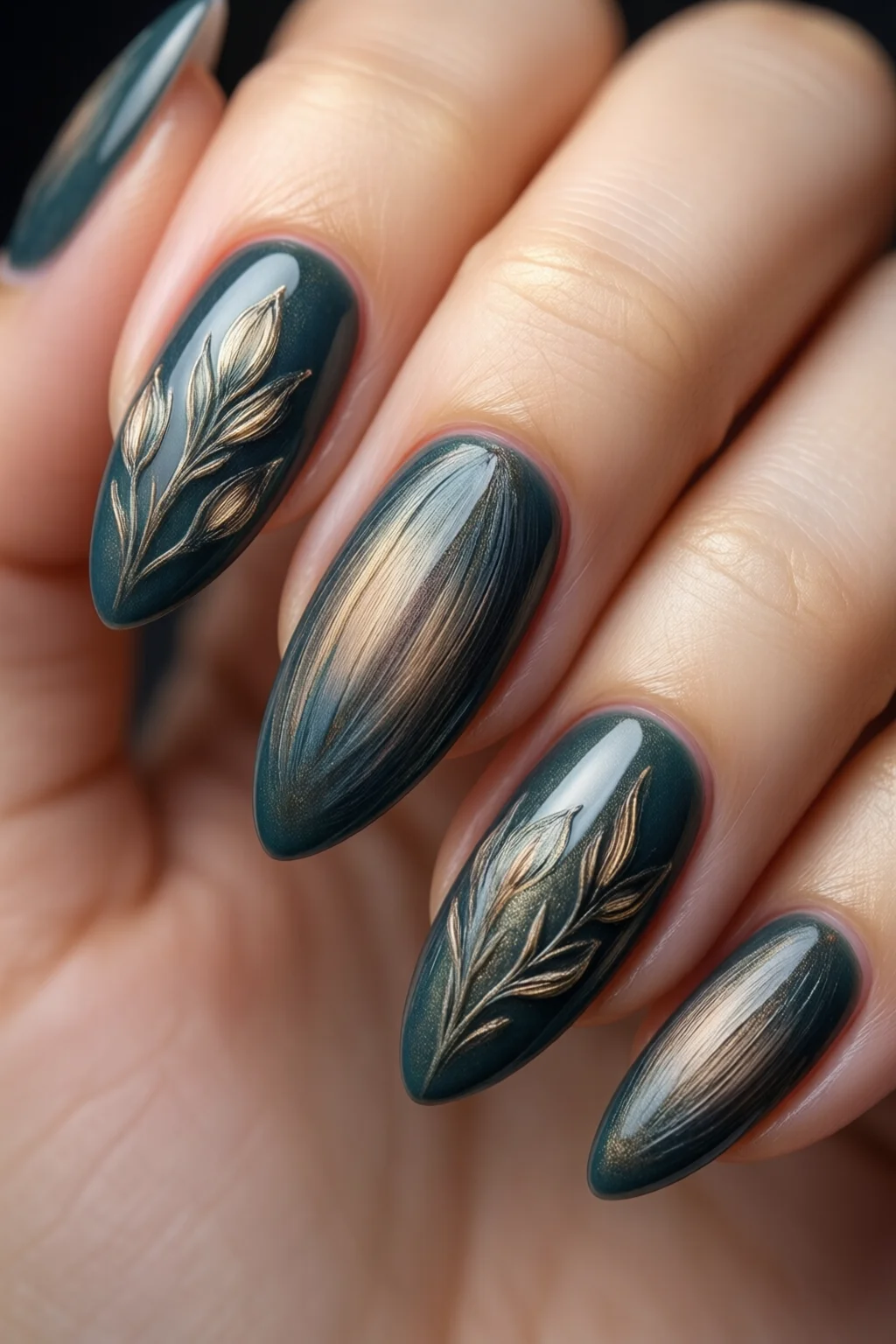
Step 4: Seal the Deal with a Non Toxic Top Coat
The top coat adds shine, protects the color, and reduces chipping. Apply a single, even layer, making sure to seal the free edge (the tip of the nail). This is the single most effective technique to extend wear time from an average of 5 days to 10‑12 days on non toxic formulas.
Let the top coat cure for at least 3 minutes. If you’re in a hurry, a quick blast from a cool air dryer (no heat) can speed up the process without compromising the polymerization.
Step 5: Clean Up and Finish
Dip a small brush in nail cleanser and run it along the nail‑skin junction to remove any stray polish. Finish with a lightweight hand cream to keep the skin hydrated; over‑moisturizing can cause the polish to lift.
Congratulations—your manicure is now 100 % non toxic, vibrant, and ready for everyday life.
Common Mistakes to Avoid
Even seasoned technicians slip up. Here are the pitfalls I see most often and how to dodge them.
- Using acetone‑based remover before a non toxic polish. The harsh solvent can weaken the nail plate, making the new polish more prone to lifting.
- Skipping the base coat. You might think you’re saving time, but you’ll lose up to three days of wear.
- Applying thick layers. Thick coats trap solvent, leading to bubbling and a longer drying time. Thin, even layers are key.
- Not sealing the free edge. This tiny step prevents chipping; it’s especially important with water‑based non toxic polishes.
- Rubbing the nails immediately after application. The polish needs time to set; touching it too soon creates fingerprints and smudges.
By correcting these habits, you’ll notice a measurable improvement in durability—often a 30 % increase in chip resistance.

Troubleshooting & Tips for Best Results
If you encounter issues, try the following adjustments.
Polish is bubbling or feathering
Shake the bottle? That’s the culprit. Always roll the bottle. Also, ensure the nails are completely dry after each coat; a 2‑minute wait usually solves the problem.
Color appears dull after drying
Check the lighting. Some non toxic polishes have a subtle pearl finish that looks muted under fluorescent light but shines under natural daylight. If the dullness persists, add a second top coat for extra depth.
Fast chipping (within 2‑3 days)
Make sure you’ve sealed the free edge. If you have oily cuticles, clean them again with a lint‑free pad and alcohol‑free cleanser before reapplying the base coat.
Want a matte finish without a matte top coat
Mix a pinch of cornstarch into the final top coat and stir gently. This technique works well with Zoya’s “Matte Finish” formula, giving a velvety look without sacrificing durability.
Creative twists
For a watercolor effect, use a damp brush to blend two shades of watercolor nails while the base coat is still tacky. For metallic flair, apply a thin layer of foil nail adhesive over the top coat and press a foil strip from foil nails collection.
Remember, the key to longevity is proper prep, thin layers, and sealing the free edge.

Summary Conclusion
Switching to non toxic nail polish doesn’t mean sacrificing performance. By following the step‑by‑step routine above—prepping the nail, using a dedicated base, applying thin coats of high‑quality 5‑Free polish, sealing with a non toxic top coat, and finishing with careful clean‑up—you’ll achieve a salon‑grade finish that lasts up to 12 days without exposing yourself to harmful chemicals.
Invest in reputable brands like Zoya, Butter London, or Ella+Mila, and keep your tools clean. The extra minutes you spend on prep will pay off in fewer chips, brighter color, and healthier nails. Happy painting!

Are non toxic nail polishes really safer for my nails?
Yes. Non toxic nail polishes are formulated without toluene, dibutyl phthalate, formaldehyde, formaldehyde resin, and camphor, which are the chemicals most often linked to nail brittleness, allergic reactions, and respiratory irritation.
How long does a non toxic nail polish manicure typically last?
When applied correctly with a base and top coat, most 5‑Free or water‑based non toxic polishes stay chip‑free for 8‑12 days. Proper sealing of the free edge can add another 2‑3 days.
Can I use non toxic nail polish on natural nails that are currently peeling?
If you’re dealing with nail peeling, give your nails a short break from polish. Once the surface is smooth, follow the prep steps above and use a nourishing base coat to help the nail recover.
Do non toxic nail polishes come in glitter or metallic finishes?
Many brands now offer glitter and metallic lines that are still 5‑Free. Look for labels such as “Non‑Toxic Glitter” from Zoya or “Vegan Metallic” from Ella+Mila. Pair them with a non toxic top coat to lock in the sparkle.
Is a non toxic nail polish more expensive than regular polish?
The price point is slightly higher on average—around $9‑$13 for a 15 ml bottle versus $5‑$8 for conventional brands—but the health benefits and longer wear time often offset the extra cost.
5 thoughts on “Non Toxic Nail Polish – Everything You Need to Know”