
Last weekend my sister begged me to give her a quick “spa‑like” treatment before her Zoom wedding rehearsal. I grabbed a bottle of OPI GelColor, a 202 mm nail file, and a set of disposable cuticle sticks, and within an hour we had glossy, chip‑resistant nails that looked straight out of a salon. If you’ve ever wished you could pull off that same polish‑perfect look without booking an appointment, you’re in the right place. This guide walks you through an at home manicure that delivers salon results, saves you $150‑$250 per visit, and even leaves room for a little creative flair.
In This Article
- What You Will Need (or Before You Start)
- Step 1 – Clean & Sanitize
- Step 2 – Shape Your Nails
- Step 3 – Soften & Push Back Cuticles
- Step 4 – Exfoliate & Hydrate
- Step 5 – Apply Base Coat
- Step 6 – Paint Your Color
- Step 7 – Seal with Top Coat
- Step 8 – Finish with Cuticle Oil & Hand Cream
- Common Mistakes to Avoid
- Troubleshooting & Tips for Best Results
- FAQs
- Summary & Final Thoughts
What You Will Need (or Before You Start)
- Base coat & top coat: I swear by Eco‑Polish’s 10‑ml base and top coat duo – $12 each, quick‑dry, and vegan.
- Polish: Choose a formula that fits your vibe. OPI GelColor (15 ml) runs $11, while Sally Hansen’s Hard as Nails (8 ml) is $8 and offers a 7‑day wear.
- Nail file: A 240‑grit glass file (10 cm x 2 cm, $4) smooths without tearing.
- Buffer block: The 2‑inch, 3‑stage buffer from Revlon, $5.
- Cuticle oil: CND’s Vitamin E Cuticle Oil, $9 for 10 ml.
- Tools for prep: Disposable cuticle sticks ($3 for a pack of 50), a wooden cuticle pusher, and a soft towel.
- Optional extras: Nail strengthener (OPI Nail Envy, $13), a UV/LED lamp ($30 for a 36‑W LED), and decorative stickers or glitter.
Set up a clean, well‑lit workspace – a kitchen island with a small LED lamp (800 lumens) works perfectly. Gather everything within arm’s reach; you’ll spend about 45 minutes from start to finish.
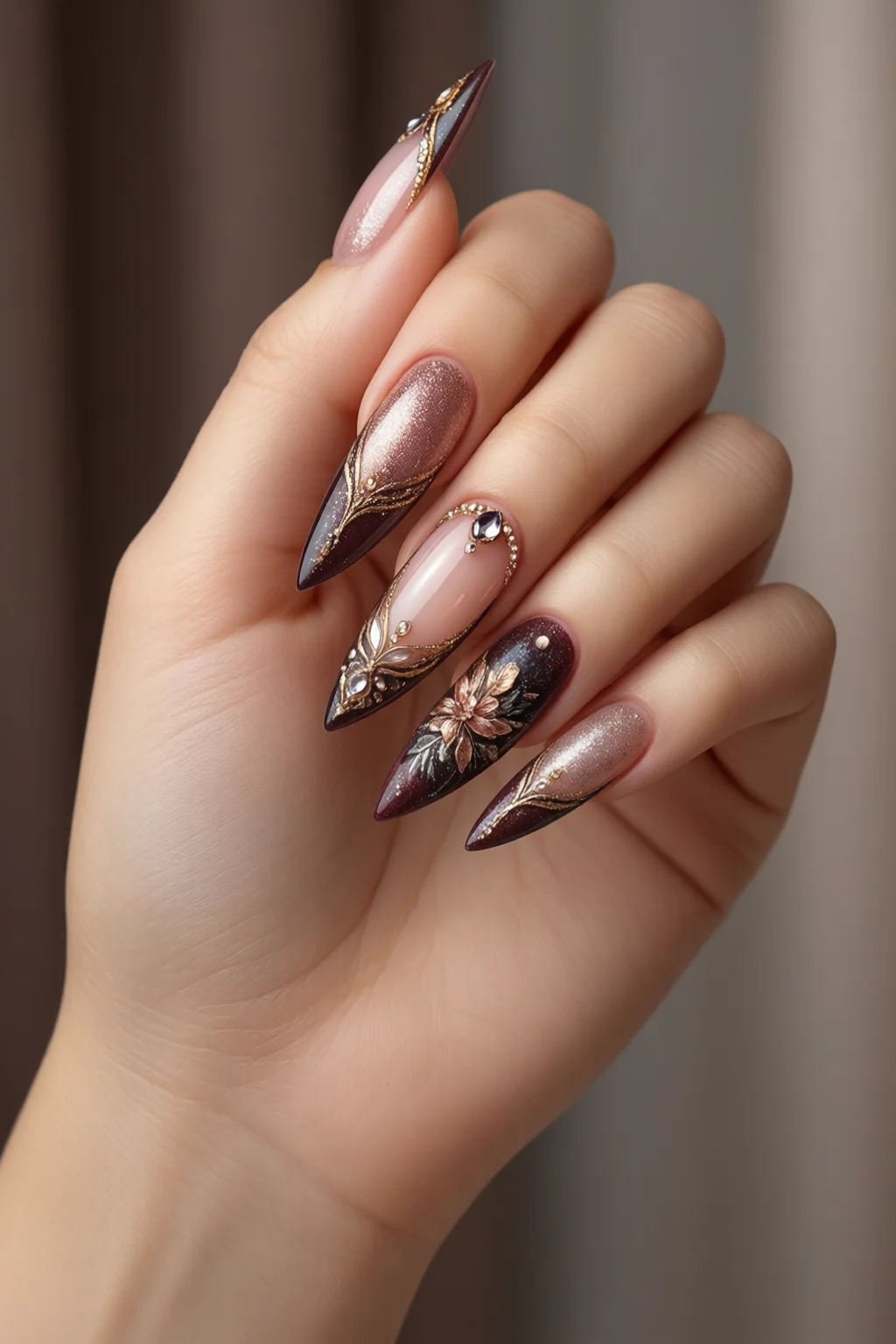
Step 1 – Clean & Sanitize
Begin by washing your hands with warm water and an antibacterial soap. Pat dry with a lint‑free towel. I always wipe each nail with a cotton pad soaked in 70 % isopropyl alcohol; this removes oils and ensures the polish adheres. If you’re sharing tools, soak your metal instruments in a 10‑minute bleach solution (1 part bleach to 9 parts water) then rinse thoroughly.
Step 2 – Shape Your Nails
Use the 240‑grit glass file to gently shape each nail. For a classic oval, file from the side toward the center in one smooth motion – avoid a sawing motion which can cause splitting. If you prefer a square, file straight across the tip, then lightly round the corners for a softer look. The buffer block can be used after filing to smooth any ridges; spend 5 seconds per side.
Step 3 – Soften & Push Back Cuticles
Apply a few drops of warm olive oil (or a cuticle softener) and let sit for 2 minutes. Then, using a wooden cuticle pusher, gently push back the cuticle wall. One mistake I see often is over‑scraping, which creates a ragged edge and invites infection. If you notice any excess dead skin, lightly trim with a sterilized cuticle nipper, but never cut the live cuticle.
Step 4 – Exfoliate & Hydrate
Mix a teaspoon of sugar with a teaspoon of olive oil to create a quick hand scrub. Massage for 30 seconds, rinse, and pat dry. Follow with a thin layer of CND Vitamin E Cuticle Oil; this seals moisture and creates a smooth canvas for polish.
Step 5 – Apply Base Coat
Shake the Eco‑Polish base coat for 5 seconds, then apply a thin, even layer. Aim for a film no thicker than a dime; too much base can cause bubbling. Let it dry for 60 seconds under a cool air dryer or a 30‑second LED lamp burst (if you have one). A proper base coat boosts adhesion by up to 30 % and prevents staining.
Step 6 – Paint Your Color
Start with the OPI GelColor in “Mod About You” – a muted mauve that pairs well with any outfit. Load the brush with no more than three strokes: first a vertical line down the center, then two diagonal sweeps from each side. This technique reduces streaks and uses less product (≈0.2 ml per nail). Allow each coat to dry for 2 minutes (or 10 seconds under LED). Apply a second coat for full opacity.
Step 7 – Seal with Top Coat
Eco‑Polish’s top coat adds a high‑gloss finish and protects against chips for up to 10 days. Apply the same thin layer technique, making sure to seal the free edge (the tip) to lock in the color. Cure under LED for 30 seconds or let air‑dry for 5 minutes if you’re skipping the lamp.
Step 8 – Finish with Cuticle Oil & Hand Cream
Once the top coat is completely set, massage a few drops of cuticle oil into the skin and nails. Finish with a rich hand cream (e.g., L’Occitane Shea Butter, $14 for 100 ml) to lock in moisture. Your nails will look glossy, feel smooth, and stay healthier for the next week.
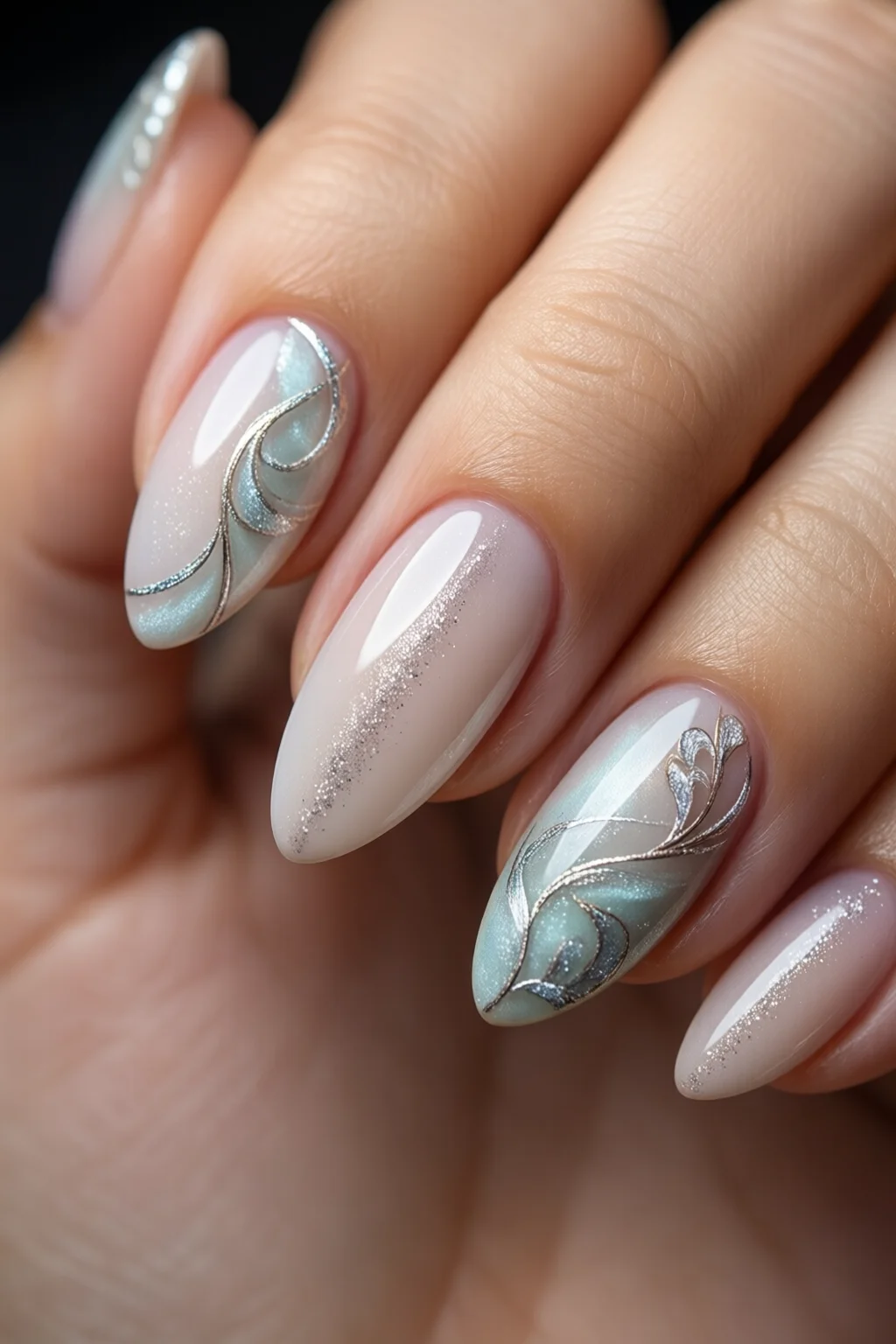
Common Mistakes to Avoid
- Skipping the base coat: Leads to premature chipping (average wear drops from 7 days to 3 days).
- Using thick layers: Causes bubbling and uneven drying; stick to thin coats.
- Neglecting the free edge: The tip is most prone to chips; always seal it.
- Over‑filing: Removes the natural protective layer; file gently and stop once smooth.
- Reusing disposable tools: Increases infection risk; dispose after each use.
Troubleshooting & Tips for Best Results
Polish won’t dry? Switch to a quick‑dry top coat like Seche Vita’s 30‑second formula ($13). A cool air dryer (2 L/min) speeds up drying without heat damage.
Streaks appear? Lightly tap the brush against the bottle rim to remove excess polish before applying. Also, keep the brush at a 45° angle to the nail.
Chipping after 2 days? Your cuticles may be too dry; apply cuticle oil nightly. Also, avoid using your hands as tools (opening cans, typing aggressively) for the first 24 hours.
Want extra shine? After the top coat cures, buff the surface lightly with a 0.5 µm polishing pad for a mirror finish. For a chrome effect, check out our chrome nails guide.
FAQs
How often should I do an at home manicure?
A full at home manicure can be done every 7‑10 days. If you only need a quick polish change, you can safely refresh every 3‑4 days using a thin top‑coat layer.
Can I use regular nail polish with a LED lamp?
No. LED lamps cure only UV‑gel formulas. Regular polish will not harden and can become sticky. Stick with gel polish for LED or use air‑dry top coats for regular polish.
Is it safe to file nails when they are wet?
Yes, filing wet nails reduces heat buildup and prevents splitting. Just make sure the file is clean and dry before you start shaping.
What’s the best way to prevent nail peeling?
Maintain hydration with cuticle oil, avoid harsh chemicals, and give nails a break from polish every 2‑3 weeks. For deeper insights, read our article on nail peeling causes.
Do men need a different at home manicure routine?
The basics are the same, but men often prefer a matte or clear top coat and a shorter nail length. Check out our guide on nail care for men for tailored tips.
Summary & Final Thoughts
Mastering an at home manicure isn’t about buying the most expensive kit; it’s about understanding each step, using the right tools, and respecting nail health. With the products listed above, you can achieve a salon‑grade finish for roughly $50‑$70, a fraction of the $150‑$250 you’d spend on a professional visit. Remember to prep, file gently, seal the free edge, and hydrate daily. Follow the troubleshooting tips, avoid the common pitfalls, and you’ll enjoy chip‑free, glossy nails for up to ten days. Now go ahead—grab your favorite polish, set up that cozy corner, and treat yourself to a spa‑level at home manicure that feels as good as it looks.
8 thoughts on “Best At Home Manicure Ideas That Actually Work”