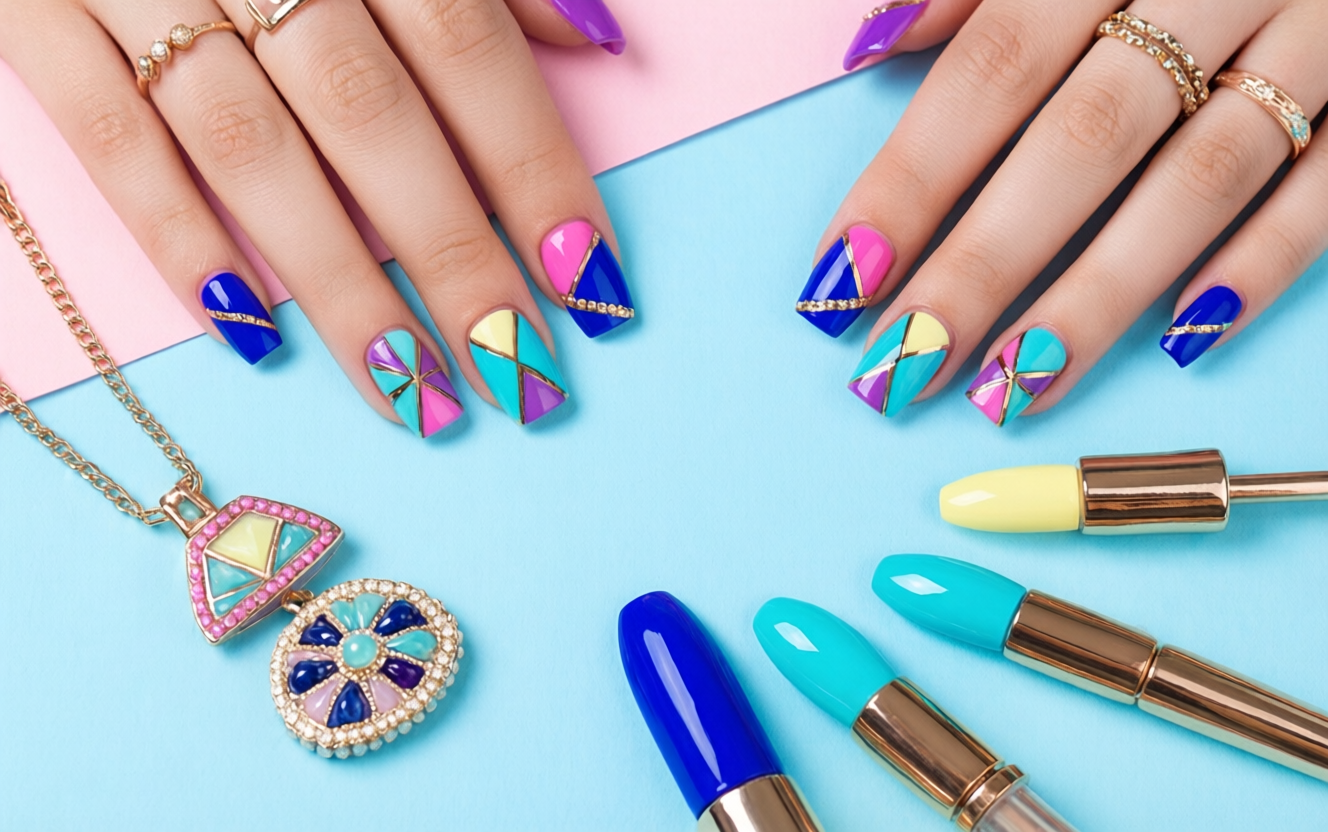
Imagine you’ve just finished a fresh manicure and the moment you glance at your nails, a spark of creativity hits you – a delicate galaxy swirl, a bold geometric line, or a tiny heart that says “I love you” to yourself. All you need is the right tool, and that’s where the best nail art pens come into play. In this guide I’ll walk you through everything you need to know to pick the perfect pens, master their use, and avoid the common pitfalls that can turn a masterpiece into a mess.
In This Article
- What You Will Need (Before You Start)
- Step 1 – Choose the Right Pen for Your Style
- Step 2 – Prepare Your Nails
- Step 3 – Practice Strokes on a Test Surface
- Step 4 – Sketch the Basic Design
- Step 5 – Fill, Shade, and Add Details
- Step 6 – Seal the Design
- Common Mistakes to Avoid
- Troubleshooting and Tips for Best Results
- FAQ
- Summary – Your Path to Stunning Nail Art
What You Will Need (Before You Start)
- Top-rated nail art pens – we’ll cover five standout options below.
- A base coat (preferably a quick‑dry formula, $8‑$12 per 15 ml).
- A top coat with UV protection if you’re using gel pens ($10‑$15 per 30 ml).
- Fine‑tip brush or a clean disposable brush for corrections.
- Rubbing alcohol wipes (70 % isopropyl) for cleaning the pen tip.
- Paper towels or a silicone nail mat to protect your work surface.
Having these items at hand will keep the process smooth and prevent you from scrambling for supplies mid‑design.
Step 1 – Choose the Right Pen for Your Style
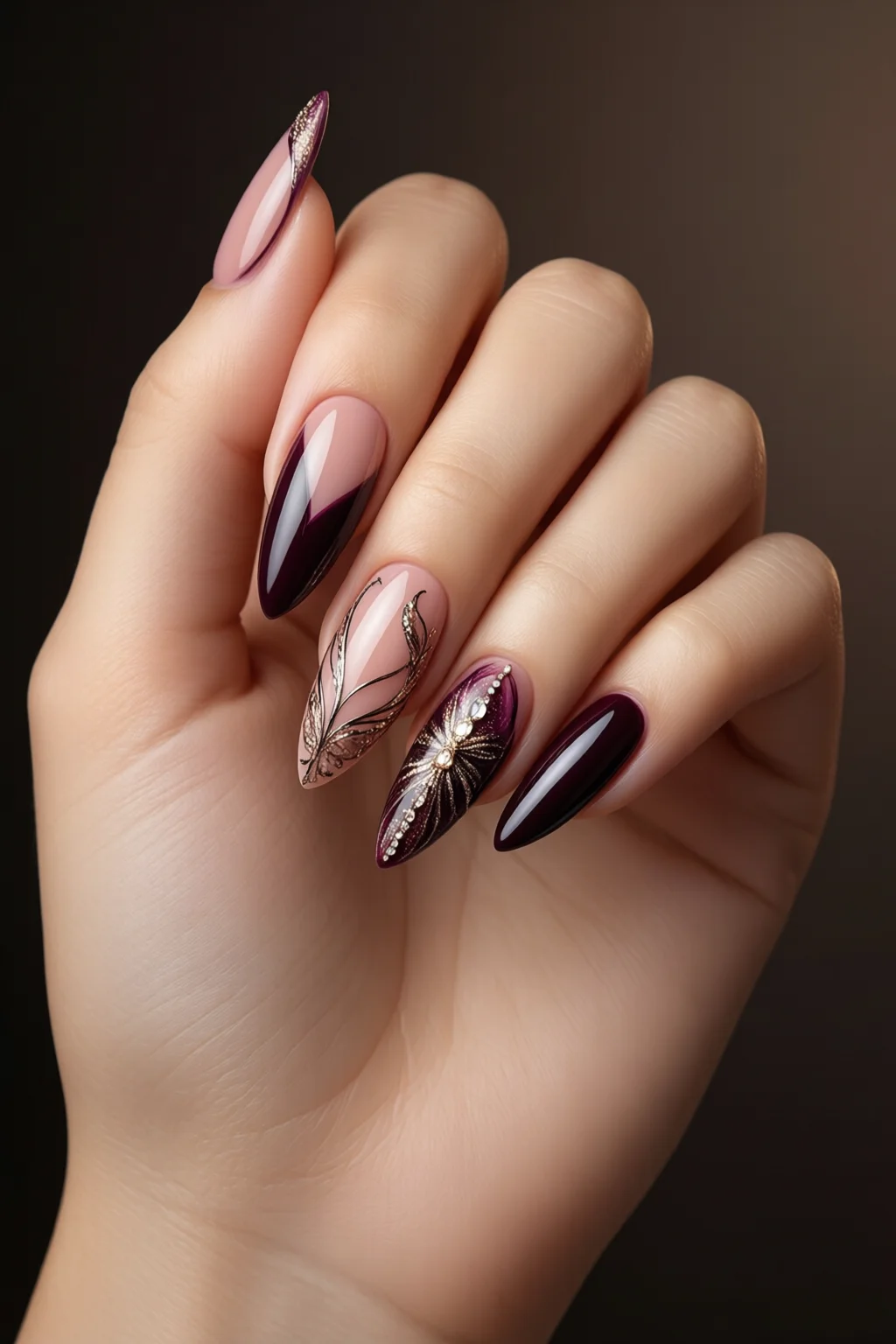
Not all nail art pens are created equal. Below are the best nail art pens for different needs, complete with pricing and key specs:
- Sally Hansen Mini Color Nail Art Pen – $6.99, 0.3 mm fine tip, water‑based ink, dries in 30 seconds. Ideal for quick doodles on the go.
- Kiss Precision Nail Art Pen – $5.49, dual‑tip (0.2 mm & 0.5 mm), pigment‑rich, long‑lasting up to 7 days.
- Mavala Nail Art Pen – Metallic Finish – $9.95, 0.4 mm tip, contains real mica particles, perfect for chrome and shimmer effects.
- Essie Nail Art Brush Pen – $8.50, flexible brush tip, gel‑compatible, works with UV/LED curing.
- MICA 2‑in‑1 Nail Art Pen – $12.00, reversible tip (fine & bold), includes a built‑in eraser, great for intricate designs.
Pick the pen that matches the thickness of lines you intend to draw and the finish you desire. In my experience, the Kiss Precision Pen is the most versatile for both delicate lines and bold accents.
Step 2 – Prepare Your Nails
Start with clean, filed nails. Apply a thin base coat and let it cure for 60 seconds (or follow the product’s instructions). This creates a smooth canvas and helps the ink adhere. If you’re using a gel base, cure under a UV lamp for 30 seconds.
Tip: Lightly dust the nail surface with a translucent powder (about 0.1 g) if you’re working with gel pens to prevent smudging.
Step 3 – Practice Strokes on a Test Surface
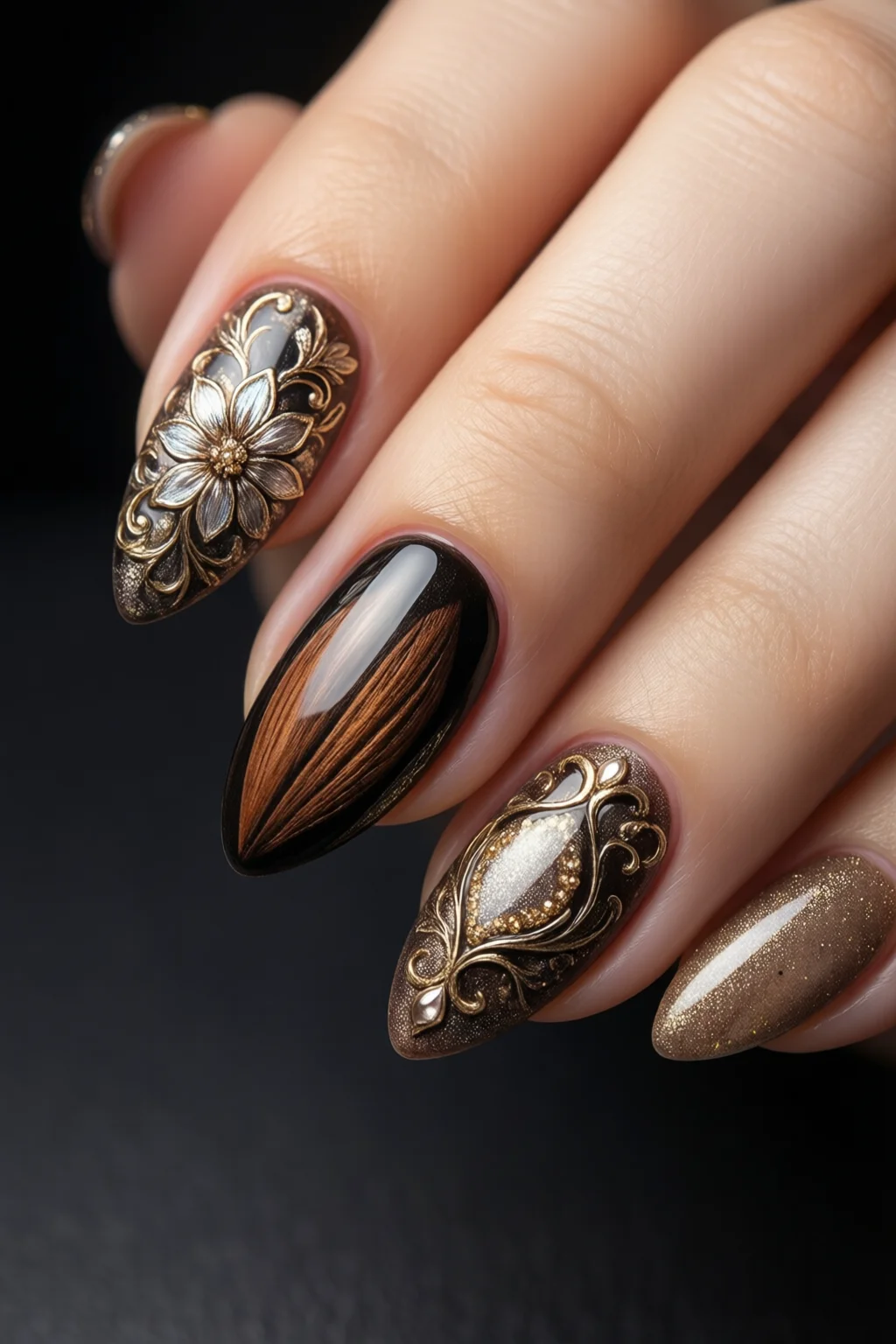
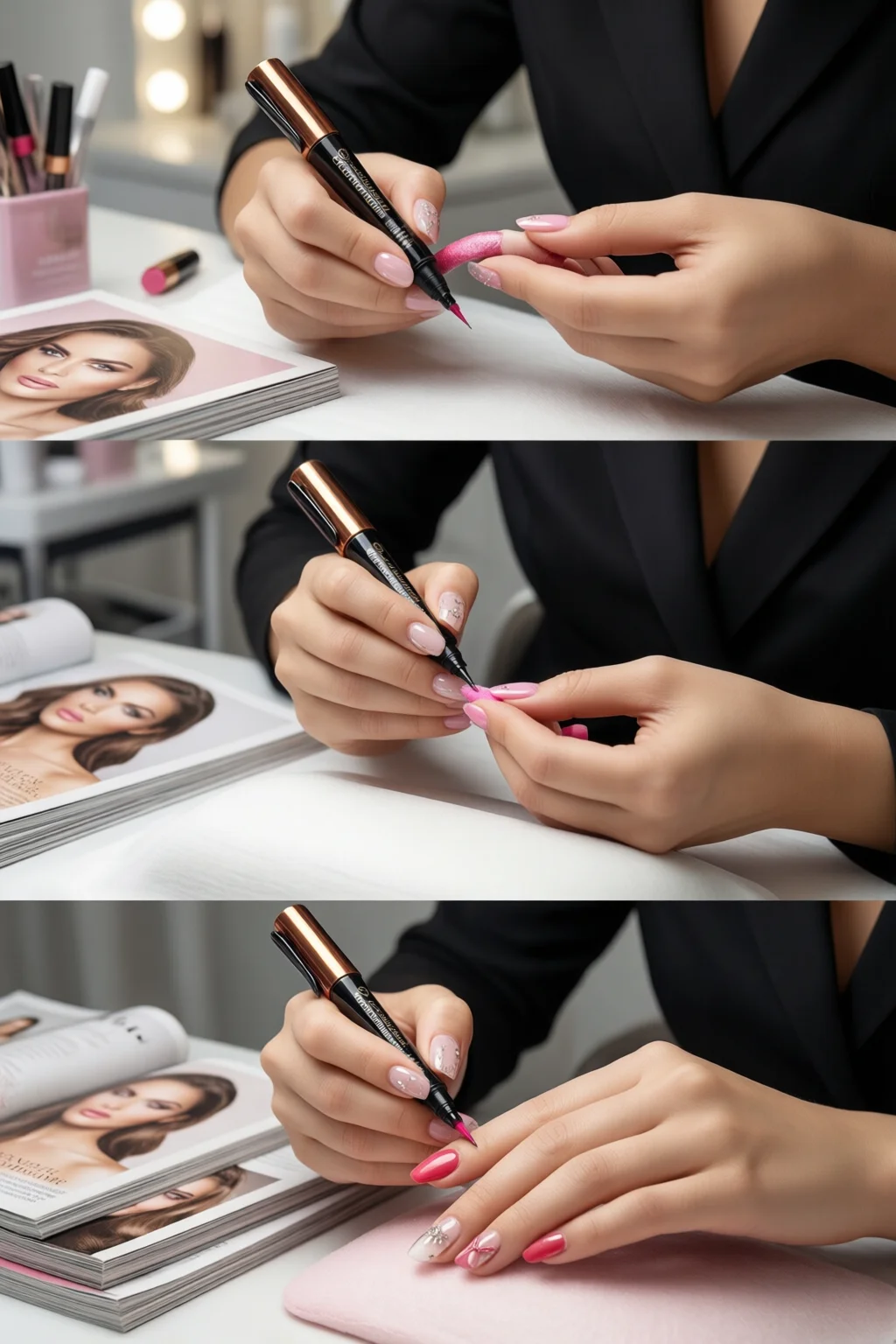
Before you commit to your nails, test the pen on a piece of scrap paper or a silicone nail mat. This lets you gauge pressure, flow, and drying time. Aim for consistent pressure; too heavy and the ink will bleed, too light and the line will be faint.
One mistake I see often is skipping this step, leading to uneven lines on the actual nail.
Step 4 – Sketch the Basic Design
Using the fine tip (0.2 mm or 0.3 mm), draw a light outline of your design. Think of it as a pencil sketch – you can fill in later. For geometric patterns, a ruler or a small stencil works wonders. Keep the outline thin; you’ll thicken it in the next step if needed.
Step 5 – Fill, Shade, and Add Details
Switch to the broader tip (0.5 mm or the brush tip) for filling large areas. If you’re using a metallic pen like the Mavala, apply a single, steady stroke to avoid streaks. For shading, use a light hand and build color gradually – three light passes are better than one heavy one.
Allow each layer to dry for at least 20 seconds. If you notice a mistake, dip a clean brush in rubbing alcohol and gently lift the ink; the best nail art pens are water‑based and respond well to quick corrections.
Step 6 – Seal the Design
Once you’re satisfied, apply a top coat. For gel‑compatible pens, cure under a UV/LED lamp for 45 seconds. This locks the artwork in place and adds up to 14 days of wear. Finish with a cuticle oil blend (about $7 per 10 ml) to keep the surrounding skin hydrated – check out our guide on the best hand cream for recommendations.
Common Mistakes to Avoid
- Skipping the base coat – leads to flaking within 24 hours.
- Using too much pressure – causes ink bleeding and uneven lines.
- Choosing the wrong tip size – a broad tip for fine details creates blobs.
- Not allowing proper drying time – smudges appear when stacking hands.
- Ignoring temperature – pens can dry too quickly in hot environments, resulting in cracked lines.
One mistake I see often is applying a top coat too soon; wait at least 2 minutes after the final ink stroke.
Troubleshooting and Tips for Best Results
Ink fading quickly? Make sure you’re using a top coat with UV inhibitors. The best chrome nail powder can also be mixed with clear top coat for added durability.
Lines appear broken? This usually means the pen tip is clogged. Soak the tip in warm water for 30 seconds, then dry with a lint‑free cloth.
Streaky metallic finish? Apply the Mavala Metallic Pen in a single, swift motion and immediately seal with a high‑gloss top coat.
For intricate marble effects, combine a fine tip pen with a translucent nail polish wash – the tortoise shell nails technique is a great inspiration.
FAQ
Which nail art pen lasts the longest?
The Kiss Precision Nail Art Pen, when sealed with a quality top coat, can maintain vivid color for up to 10 days on natural nails and 14 days on gel extensions.
Can I use these pens on acrylic or gel extensions?
Yes. Choose a pen labeled as gel‑compatible (like the Essie Brush Pen) and cure under a UV/LED lamp after applying a top coat.
Are water‑based pens safe for sensitive skin?
Water‑based inks are generally hypoallergenic. Perform a patch test on the inner wrist for 24 hours before full application.
How do I store my nail art pens to prevent drying out?
Cap the pen tightly after each use and store it in a cool, dark drawer. Adding a small silica gel packet can extend shelf life by up to 6 months.
Can I mix colors from different pens?
Mixing is possible but only with pens that share the same base (all water‑based or all gel‑based). Use a clean brush to blend on a palette before applying.
Summary – Your Path to Stunning Nail Art
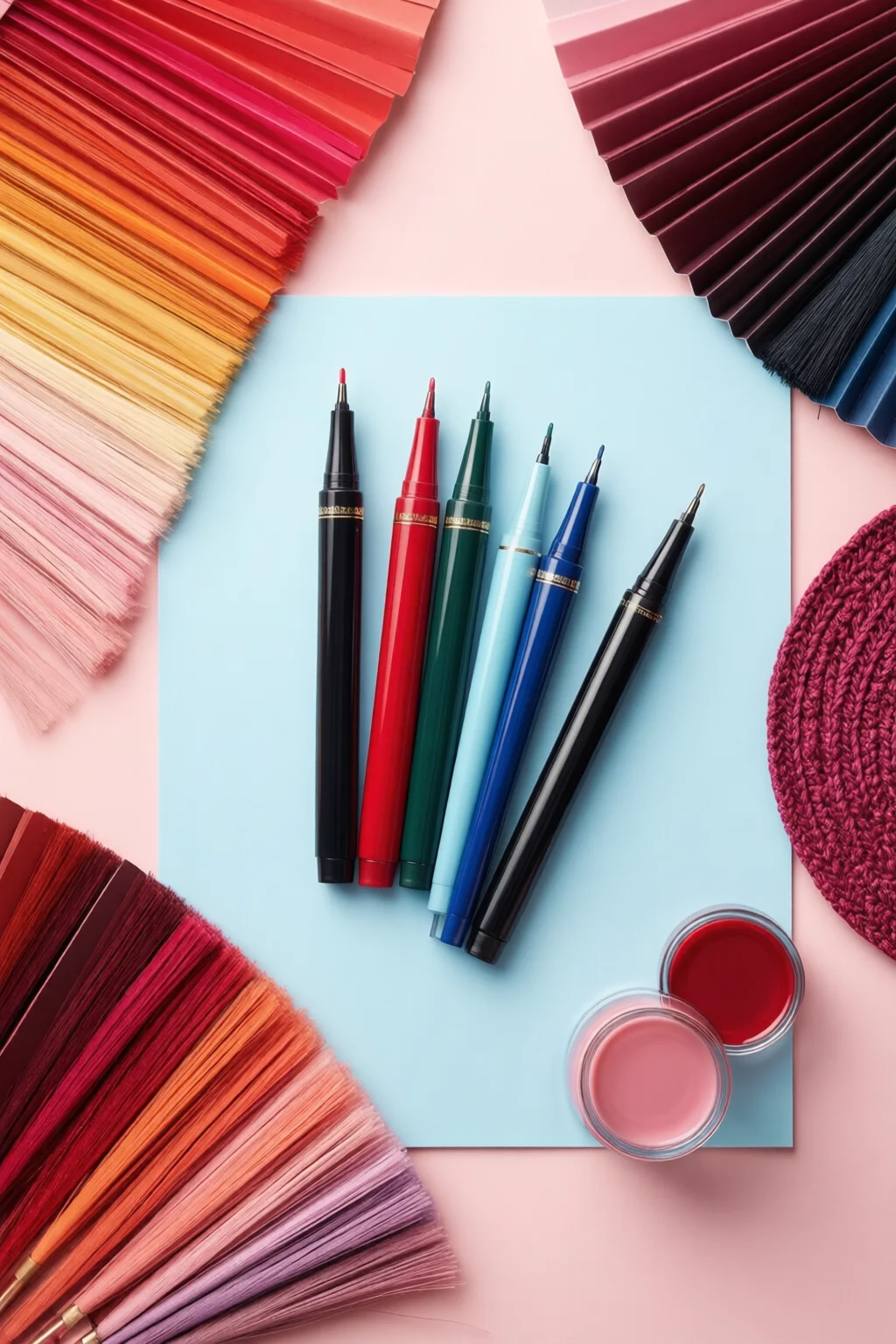
Choosing the best nail art pens is about matching tip size, ink type, and finish to your design goals. With a solid base coat, a steady hand, and the right pen—whether it’s the budget-friendly Sally Hansen Mini Color or the luxe Mavala Metallic—you can create salon‑quality art in minutes. Remember to practice on a test surface, respect drying times, and seal your work with a protective top coat. Follow the troubleshooting tips, avoid the common mistakes, and you’ll see your nail canvases transform from plain to spectacular.
Now grab your favorite pen, a fresh set of nails, and let your imagination run wild. Happy painting!