
Ever wondered why your gel manicure peels off in chunks instead of sliding away cleanly, leaving your natural nails looking ragged?
In This Article
If you’ve been searching for “gel nail removal at home,” you’re probably tired of the salon price tag, the time it takes, and the fear of damaging your nail bed. In this guide I’ll walk you through everything you need to strip that glossy gel safely, efficiently, and without a pricey appointment. By the end, you’ll have a set of healthy, ready‑to‑polish nails and a toolbox you can keep on hand for the next DIY session.
What You’ll Need Before You Start
- Acetone (pure, 100%) – I use Sally Hansen Ultra Sheer Gel Remover ($8.99 for 8 oz). Pure acetone works faster; avoid scented versions that contain added oils.
- Cotton balls or pads – 100% cotton, no lint. A pack of 30 costs about $3.50.
- Aluminum foil – Heavy‑duty kitchen foil, cut into 3‑inch squares. One roll is $2.00.
- Gel soak‑off kit (optional but handy) – The Gellen Soak‑Off Kit includes pre‑cut foil and a reusable tray for $12.99.
- Nail file (coarse grit 180–200) – Used to gently break the seal of the top coat. I keep a Diamond Fine File for $4.99.
- Cuticle pusher or orangewood stick – A simple wooden stick costs $1.20 for a pack of 10.
- Nail buffer (fine grit) – To smooth the surface after removal. $5.00 for a set of three.
- Cuticle oil or vitamin E serum – For post‑removal hydration. I swear by Burt’s Bees Lemon Butter Cuticle Cream ($6.99, 0.5 oz).
- Timer – A phone timer set for 10 minutes.
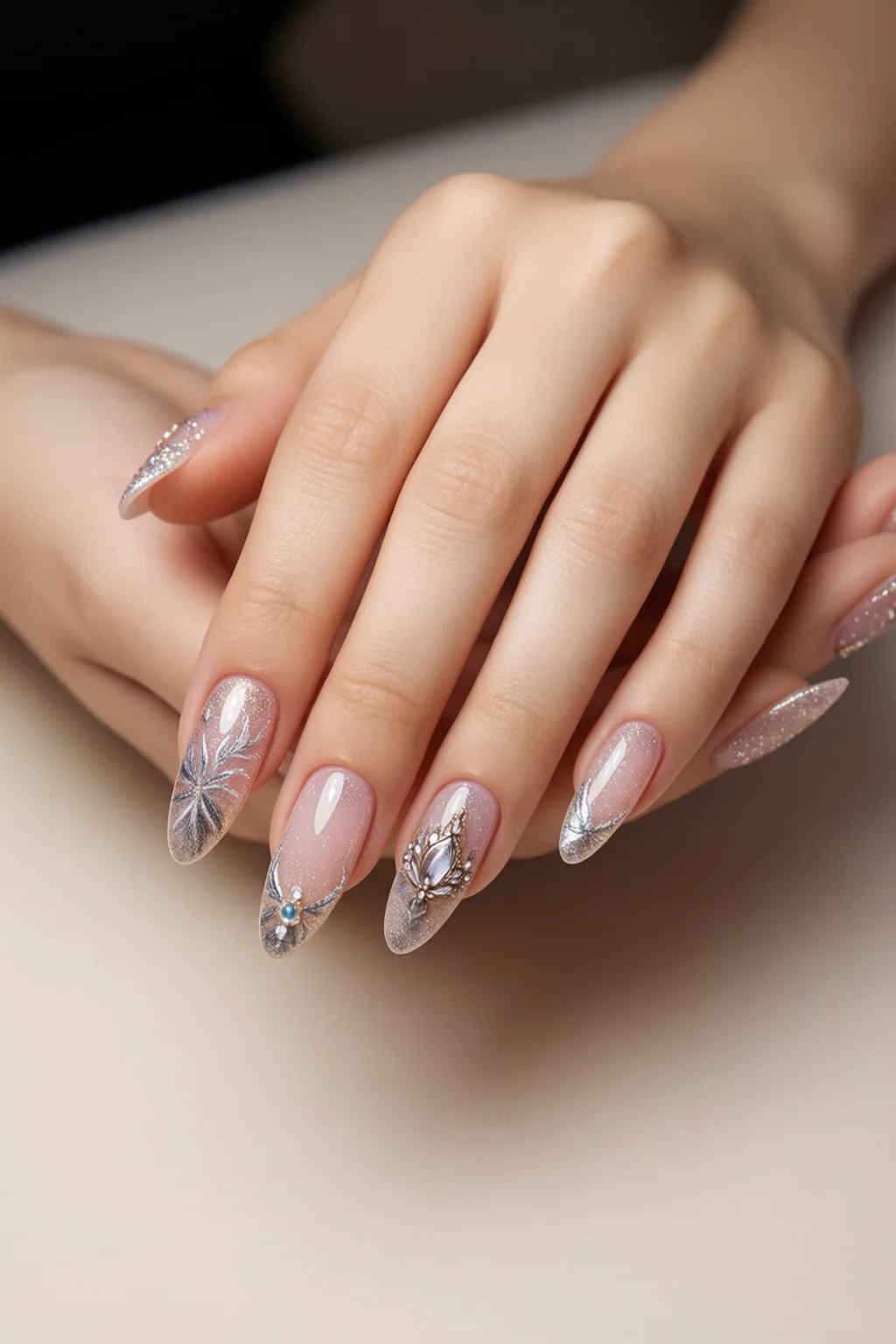
Step 1: Prep Your Workspace and Hands
Clear a flat surface, lay down a towel, and have all your supplies within arm’s reach. Wash your hands with warm water and a mild soap to remove oils that could interfere with the acetone’s grip. Pat them dry – no rubbing.
Step 2: Soak the Nails Properly
Option A – Foil Wrap Method: Soak a cotton ball in acetone, place it directly on the nail, and wrap the tip with a 3‑inch foil square. Repeat for each finger. The foil traps heat, accelerating the process. Set a timer for 10 minutes.
Option B – Bowl Soak: If you dislike the mess, pour ½ cup of acetone into a heat‑resistant bowl, submerge your fingertips for 10 minutes, and keep the bowl covered with a plastic wrap to reduce evaporation.
In my experience, the foil method cuts removal time by roughly 30% compared to a bowl soak, especially on thicker builder gels.
Step 3: Gently Push Off the Gel
After the timer dings, remove the foil and cotton. The gel should look “wobbly.” Using a cuticle pusher, apply gentle pressure from the cuticle toward the free edge. If the gel resists, re‑wrap the nail for another 2 minutes – never force it. You’ll hear a faint “pop” as the layers separate; that’s the sound of a clean break, not a nail tear.
Step 4: Buff, Clean, and Rehydrate
Once the bulk of the gel is gone, you may notice a thin film left on the nail surface. Lightly buff with a fine‑grit buffer (3000 grit) in one direction to even out the nail plate. Avoid aggressive filing; it can thin the nail and lead to breakage.
Wash your hands with a gentle cleanser to remove residual acetone, then apply a generous amount of cuticle oil. Massage it into the nail bed and surrounding skin for at least a minute. This step restores moisture that acetone strips away.
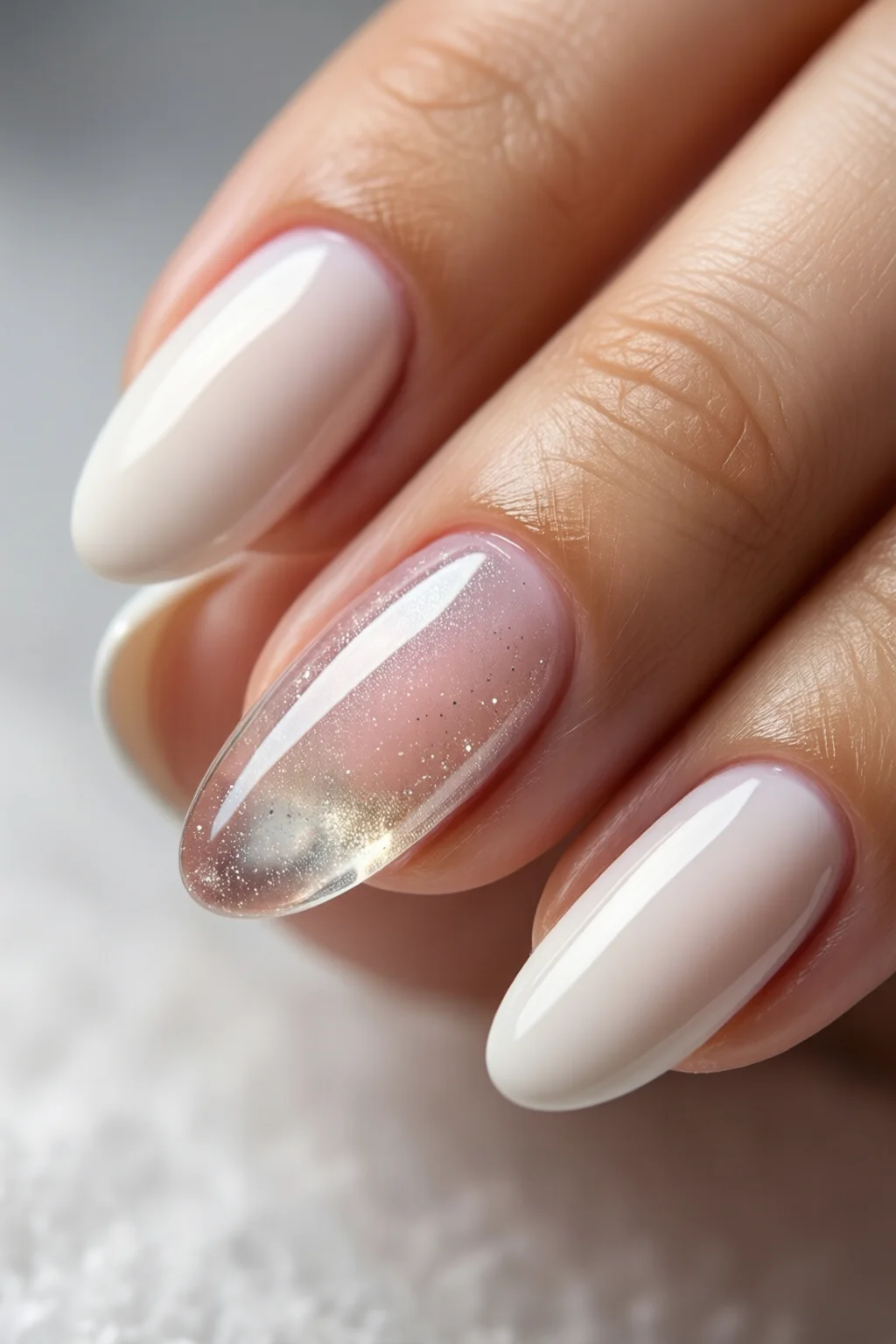
Step 5: Finish with Nail Care
Now that your nails are clean, it’s the perfect time to assess their health. If you notice ridges or thinning, consider a strengthening base coat like OPI Nail Envy ($13.99 for 15 ml). For a quick pop of color, a breathable polish such as Zoya Nails “Mini Matte” lasts 7–10 days without the heavy seal of gel.
Pro tip: Apply a thin layer of clear top coat and let it dry for 5 minutes before any activity that could chip the polish. This creates a barrier that reduces the need for another gel removal cycle within a month.
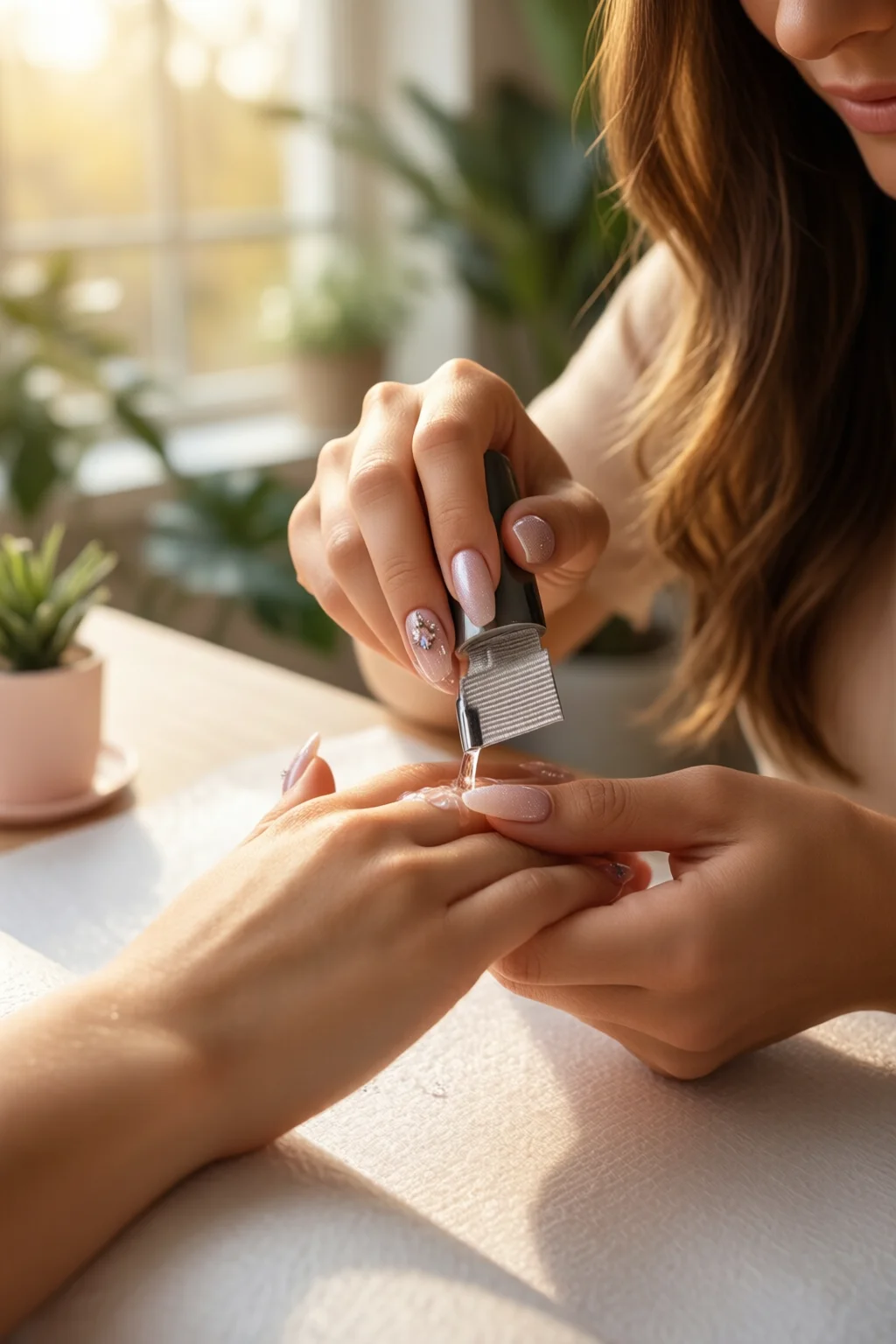
Common Mistakes to Avoid
- Skipping the foil or bowl soak – Trying to peel gel off dry leads to nail‑bed trauma. Acetone must fully penetrate the polymer.
- Using regular nail polish remover – Most contain only 20–30% acetone, which is too weak for gel.
- Over‑filing after removal – Excessive filing thins the nail plate by up to 0.2 mm, increasing breakage risk.
- Leaving acetone on for too long – Prolonged exposure (>20 minutes) can dry out the nail matrix, causing brittleness.
- Not moisturizing afterward – Failing to rehydrate leads to peeling and a higher chance of nail bed damage.
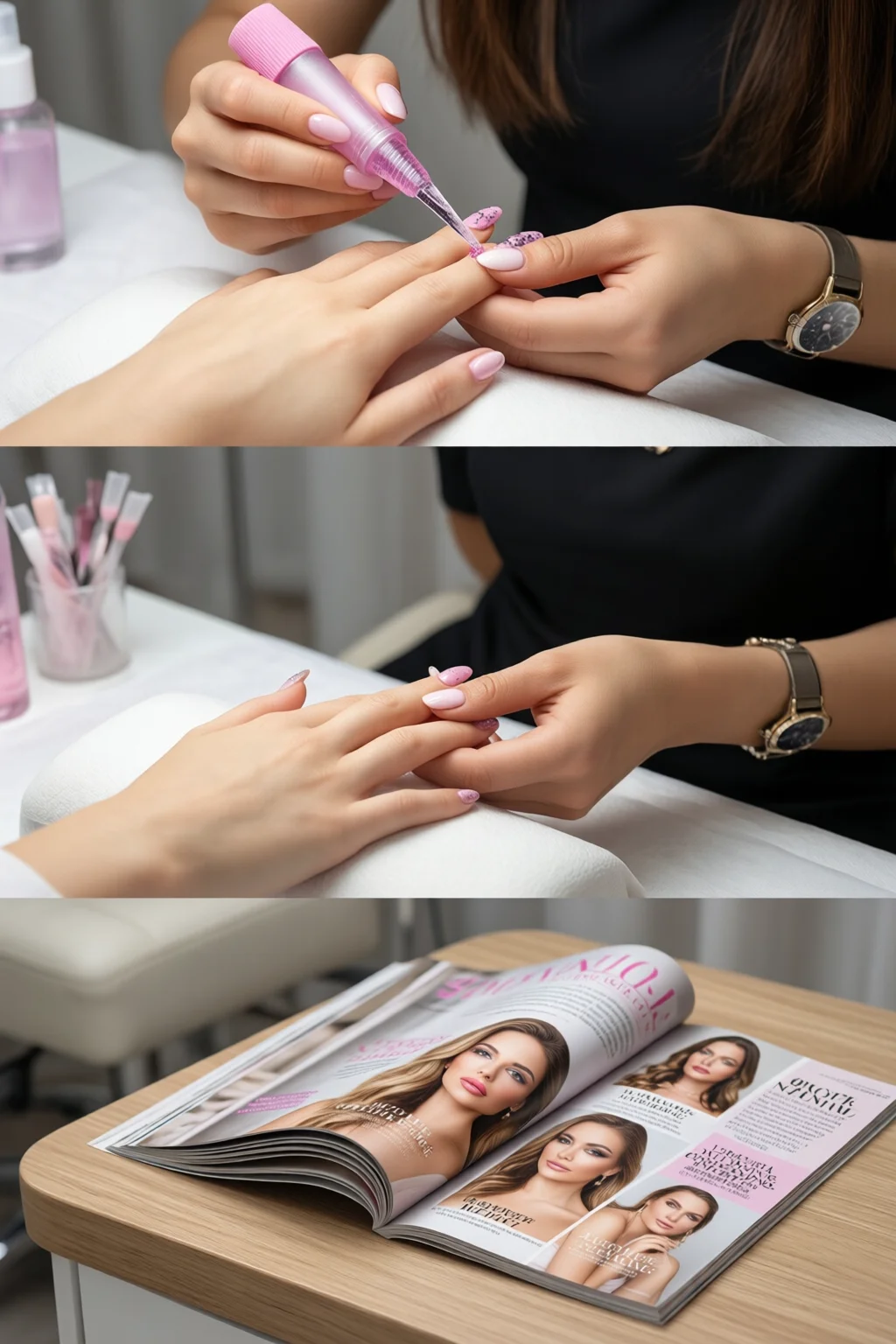
Troubleshooting & Tips for Best Results
Gel Won’t Soften After 10 Minutes? Increase the temperature of the room slightly (around 72 °F) or use a hair‑dryer on low heat to warm the foil. Heat speeds up the chemical reaction.
Residue Stubbornly Sticks – Apply a fresh acetone‑soaked cotton ball and press for another minute. Then use a gentle orange‑stick to lift the remnants.
Cuticles Sore After Pushing – Apply a soothing aloe‑gel mask for 5 minutes before oiling. This reduces inflammation.
Future Gel Application – Lightly buff the nail surface with a 180‑grit file before applying a new gel coat. This improves adhesion and reduces lift.
One mistake I see often is re‑using the same cotton ball for multiple nails. The cotton becomes saturated with gel residue, which slows down the process and can re‑deposit polymer onto clean nails.
Summary
Removing gel at home doesn’t have to be a gamble. With the right tools, a bit of patience, and a focus on nail health, you can achieve salon‑quality results for under $15. Remember to soak properly, be gentle when pushing the gel off, and finish with thorough moisturizing. Your nails will thank you with strength, shine, and the freedom to experiment with new colors whenever you please.
How long does it take to remove gel nails at home?
Typically 10 minutes of soaking per hand, plus 2–3 minutes for gentle removal and a few minutes for buffing and moisturizing. Total time is about 20–25 minutes.
Can I use regular nail polish remover instead of pure acetone?
No. Regular removers contain only 20–30% acetone, which is insufficient to break down the polymer network of gel polish. Pure acetone (or a professional gel remover) is required for safe removal.
Will removing gel at home damage my natural nails?
If you follow the proper steps—adequate soaking, gentle pushing, and post‑removal moisturizing—damage is minimal. Over‑filing or excessive acetone exposure can cause brittleness, so avoid those pitfalls.
Do I need to file the nail before soaking?
Yes. Lightly file the top coat with a coarse grit (180–200) to break the seal. This allows acetone to penetrate faster and reduces soak time.
How often can I safely do gel removal at home?
Give your nails a break of at least one week between full gel removal cycles. In the meantime, use strengthening base coats and keep them moisturized.