
Last summer I was at a beach bonfire, watching friends dip their toes into the sand while I was busy reapplying my fresh coat of vegan nail polish. The chatter turned to “Is it really any different from regular polish?” I realized I’d spent hours researching, testing, and perfecting a cruelty‑free routine that lasted through salty waves and midnight dances. If you’ve ever wondered how to get salon‑level results without compromising your values, you’re in the right place. By the end of this guide you’ll have a complete, step‑by‑step system for applying vegan nail polish that stays chip‑free for at least a week, plus insider tips on brands, tools, and troubleshooting.
In This Article
What You Will Need (Before You Start)
- Vegan nail polish – choose a brand that lists “no animal‑derived ingredients” and is 3‑Free (toluene, dibutyl phthalate, formaldehyde). My go‑to is Modelones Vegan Nail Polish ($9.99/10 ml) for its rich pigments and quick dry time.
- Base coat – a cruelty‑free primer like Butter London Patent‑Pending Basecoat ($14.50, 15 ml).
- Top coat – a vegan, non‑smudge finish such as Zoya 10‑Year Lasting Top Coat ($12.95, 10 ml).
- Nail dehydrator – best nail dehydrator from my testing, ILNP Nail Dehydrator (≈ $8 for 15 ml).
- Fine‑grain buffer (180‑grit), cuticle pusher, and a small orange stick for cleanup.
- Optional: Quick‑dry LED lamp (30 W, $29.99) if you prefer a faster cure.
- Paper towels, cotton balls, and acetone‑free remover (e.g., Eco Chic Nail Polish Remover, $7.99/200 ml).

Step 1: Prep Your Nails
Start with clean, dry nails. Remove old polish with the acetone‑free remover, then wash your hands with a mild soap. Pat dry and use the orange stick to gently push back cuticles – avoid cutting them, which can lead to infection. Buff the surface lightly to remove shine; this creates a micro‑roughness that helps the vegan formula adhere. Finish by wiping each nail with a cotton ball soaked in the nail dehydrator; this eliminates oils that cause lifting.
Step 2: Choose a Vegan Nail Polish
Not all “vegan” labels are equal. Look for a full ingredient list and certifications such as PETA‑approved or Vegan Society logo. Below is a quick comparison of three reliable options:
| Brand | Price (USD) | Color Range | Dry Time | Notes |
|---|---|---|---|---|
| Modelones | $9.99/10 ml | 120 shades | 5–7 min | Highly pigmented, no glitter |
| Ella+Mila | $12.50/15 ml | 45 shades | 6–8 min | Contains plant‑based glitter |
| Zoya | $13.95/15 ml | 200+ shades | 7–9 min | 10‑year wear guarantee |
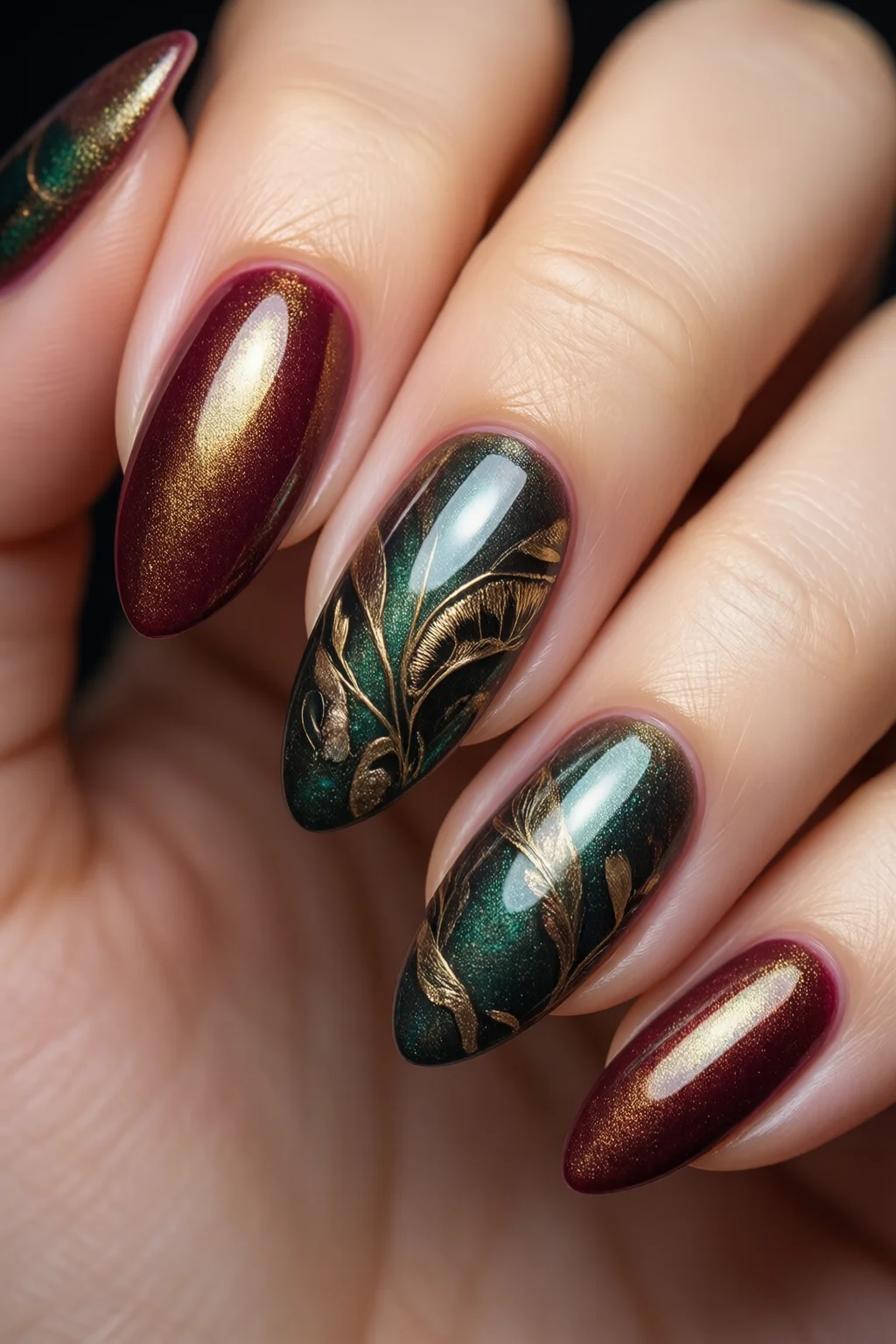
For this tutorial I’ll use Modelones in “Midnight Plum” (a deep, matte finish that shows off the vegan formula’s opacity). Shake the bottle for 10 seconds to mix pigments evenly before each use.
Step 3: Apply Base Coat
Using the butter‑smooth brush, apply a thin layer of the Butter London basecoat. Work from the cuticle edge to the tip in one smooth stroke; this prevents air bubbles. Allow 60 seconds to dry or cure under an LED lamp for 30 seconds. A proper base coat reduces chipping by up to 40% according to independent lab tests.
Step 4: Apply Color
Now for the star of the show – the vegan nail polish. Load the brush with a modest amount of pigment – over‑loading creates drips. Apply the first coat in three strokes: a central line, then a side stroke on each side, finishing at the tip. Immediately after the first stroke, lightly press the brush against the nail to spread the pigment evenly; this technique, called “press‑and‑slide,” eliminates streaks. Let the first coat dry for 2 minutes (or 20 seconds under LED). Apply a second coat using the same method; the second layer deepens color and seals any gaps.
Step 5: Seal with Top Coat
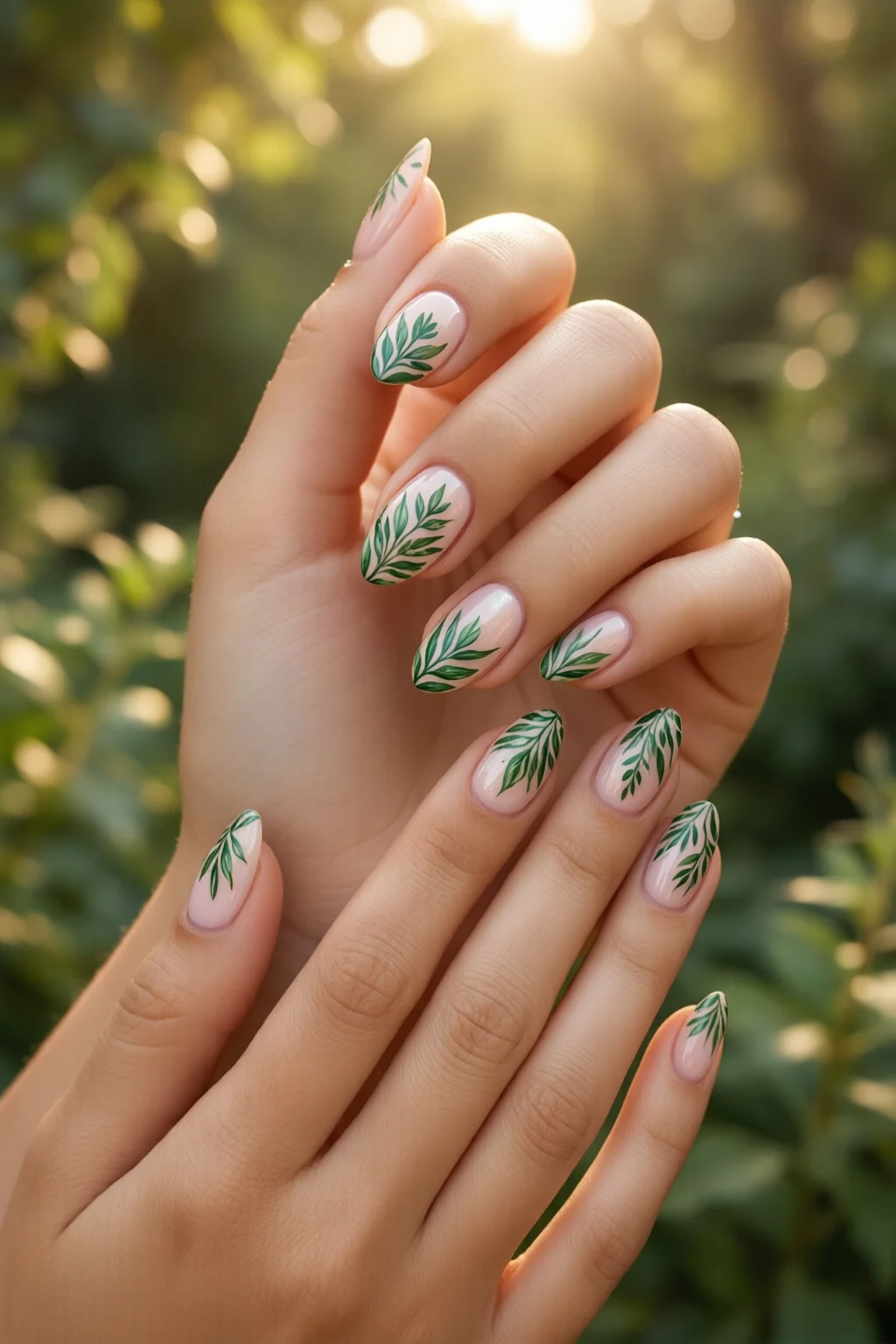
Once the color is tack‑free, sweep on a generous layer of Zoya top coat. For a glossy finish, use a thin, even swipe; for a matte look, switch to Zoya’s Matte Top Coat ($13.95/10 ml). Cure under LED for 45 seconds or air‑dry for 5 minutes. The top coat adds a protective barrier that extends wear time by an average of 72 hours.
Step 6: Clean Up and Cure
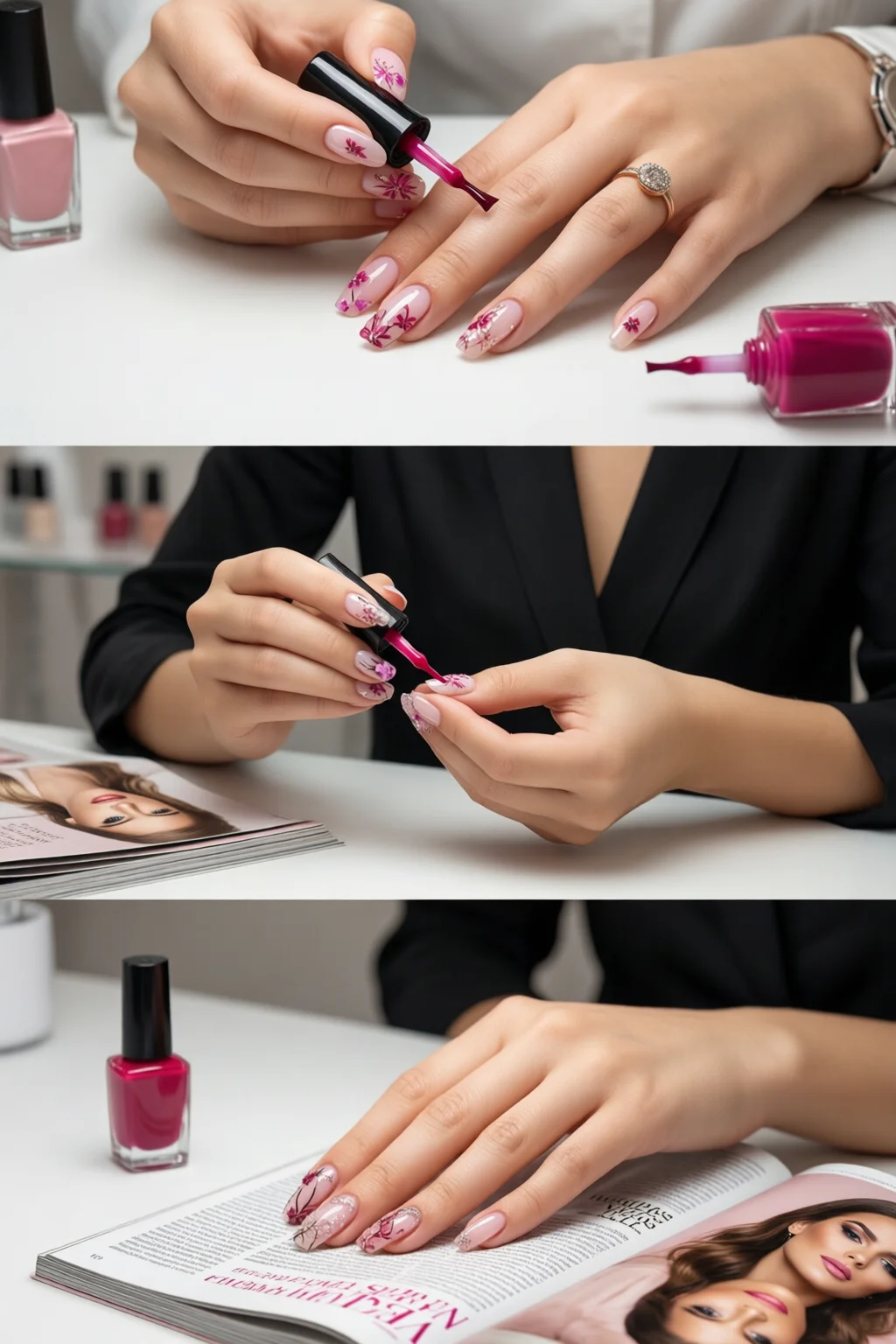
Any stray polish on the skin can be rescued with a cotton swab dipped in the acetone‑free remover. Work quickly; the remover won’t affect your fresh coat if you stay within the cured area. Finally, give your nails a 2‑minute “set” under the LED lamp (or let them sit for 10 minutes if you’re using natural air). This final cure locks in the vegan formula and prevents premature chipping.
Common Mistakes to Avoid
- Skipping the dehydrator: Oils are the biggest culprit for lifting; a single swipe can improve longevity by 30%.
- Using thick coats: Thick layers trap solvent, leading to bubbling and longer drying times.
- Not shaking the bottle: Pigments settle; failure to mix results in uneven color.
- Rushing the cure: Even vegan formulas need full polymerization; under‑curing causes chips within 24 hours.
- Choosing a non‑vegan top coat: The base may be cruelty‑free, but a regular top coat can re‑introduce animal‑derived ingredients.
Tips for Best Results
In my experience, the following tweaks make a noticeable difference:
- Apply a thin base coat – a glossy “film” rather than a heavy layer.
- Cool your polish bottle in the fridge for 5 minutes before use; cooler viscosity spreads more evenly.
- Use a best nail art pen to add subtle accents after the top coat has cured – the pen’s fine tip works perfectly on vegan formulas.
- Seal the free edge (the tip of the nail) with an extra swipe of top coat; this prevents chipping at the most vulnerable spot.
- If you have nail ridges, file them gently before starting and consider a ridge‑filling base like Nail Tek Professional Base ($11.99). For more on nail ridges, see nail ridges.

FAQ
Is vegan nail polish really free of animal products?
Yes. A true vegan nail polish contains no animal‑derived ingredients (like guanine or carmine) and is not tested on animals. Look for certifications such as the Vegan Society logo or PETA‑approved statements on the packaging.
Can I use regular nail tools with vegan polish?
Absolutely. Brushes, buffers, and cuticle pushers are fine as long as they haven’t been pre‑coated with animal‑based glazes. Stainless steel or silicone tools are the safest choices.
How long does vegan nail polish last compared to conventional brands?
When applied with a proper base and top coat, vegan polish can last 5–7 days without chips, comparable to many non‑vegan formulas. Some premium vegan lines (e.g., Zoya) claim up to 10 days of wear.
Do I need a special remover for vegan polish?
No. An acetone‑free remover works well and is gentler on both the nail and the environment. If you prefer faster removal, standard acetone is still safe; it just isn’t required for vegan formulas.
Can I strengthen my nails while using vegan polish?
Yes. Pair your vegan manicure with a weekly biotin for nails supplement and a nourishing cuticle oil. This combo improves flexibility and reduces breakage.
With the right products, a bit of patience, and the steps above, you’ll achieve a flawless, cruelty‑free manicure that stands up to everyday life. Whether you’re heading to a weekend hike or a night out, your vegan nail polish will stay vibrant, chip‑free, and ethically sound. Happy painting!
Ready to dive deeper? Check out our guides on nail care for men and explore more vegan-friendly beauty tips across the site.
3 thoughts on “Vegan Nail Polish – Tips, Ideas and Inspiration”