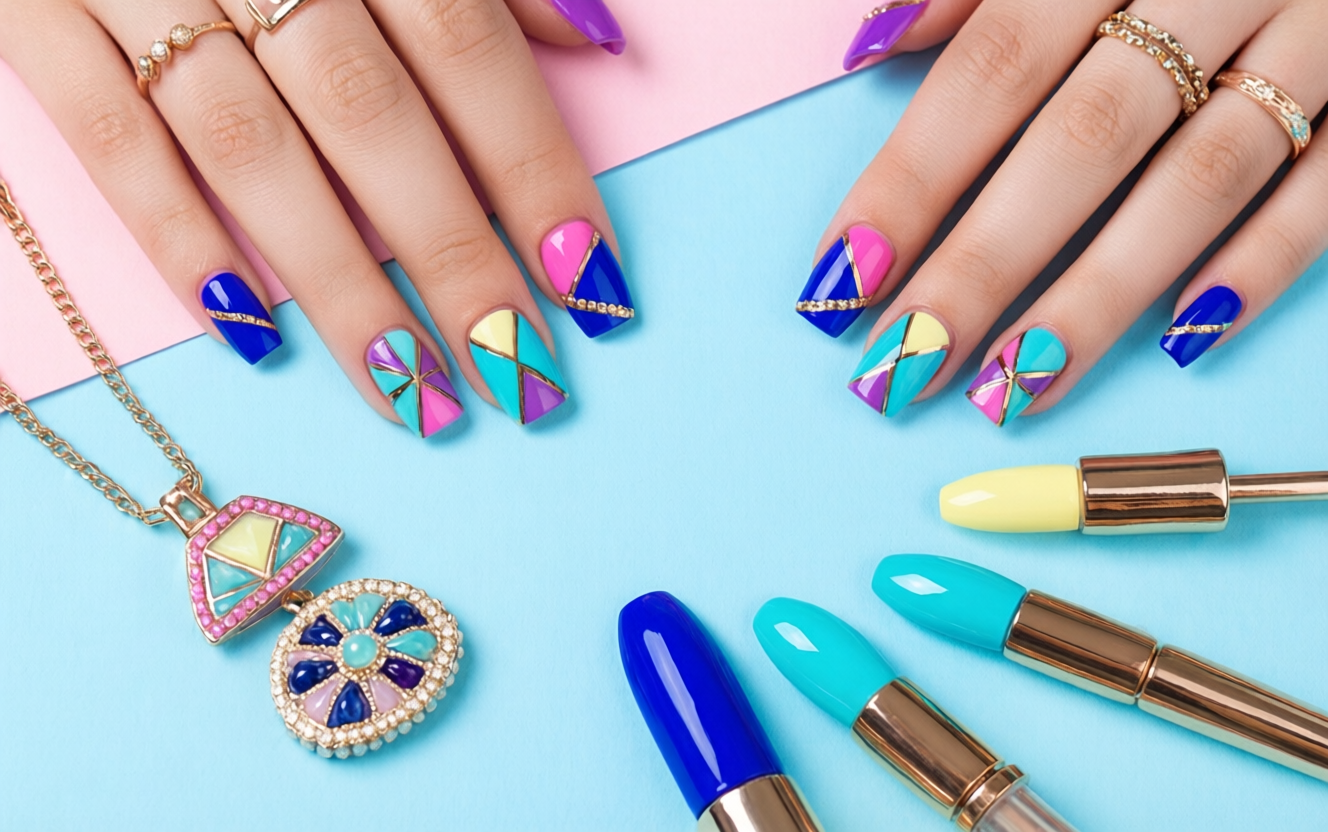
Did you know that 68% of nail‑tech clients say they’d rather wear press‑on nails than schedule a salon appointment? The convenience factor is huge, but only a handful of people actually master the art of a flawless fit. If you’ve ever struggled with bubbles, uneven edges, or nails that pop off after a single coffee, you’re not alone. Below is the ultimate, step‑by‑step guide on how to apply press on nails so you can achieve salon‑quality results in under ten minutes.
In This Article
- 1. Understanding Press‑On Nails: Types, Materials, and What to Expect
- 2. Preparing Your Natural Nails for a Flawless Bond
- 3. Selecting the Perfect Size and Style
- 4. Step‑by‑Step Application Process
- 5. Finishing Touches and Extending Longevity
- Pro Tips from Our Experience
- Frequently Asked Questions
- Conclusion: Your Fast‑Track to Flawless Press‑On Nails
From prepping your natural nail bed to choosing the perfect size and sealant, I’ll walk you through every detail I’ve learned over a decade of working with clients who demand both speed and durability. Grab a cup of tea, your favorite press‑on set, and let’s get those fingertips ready for their close‑up.
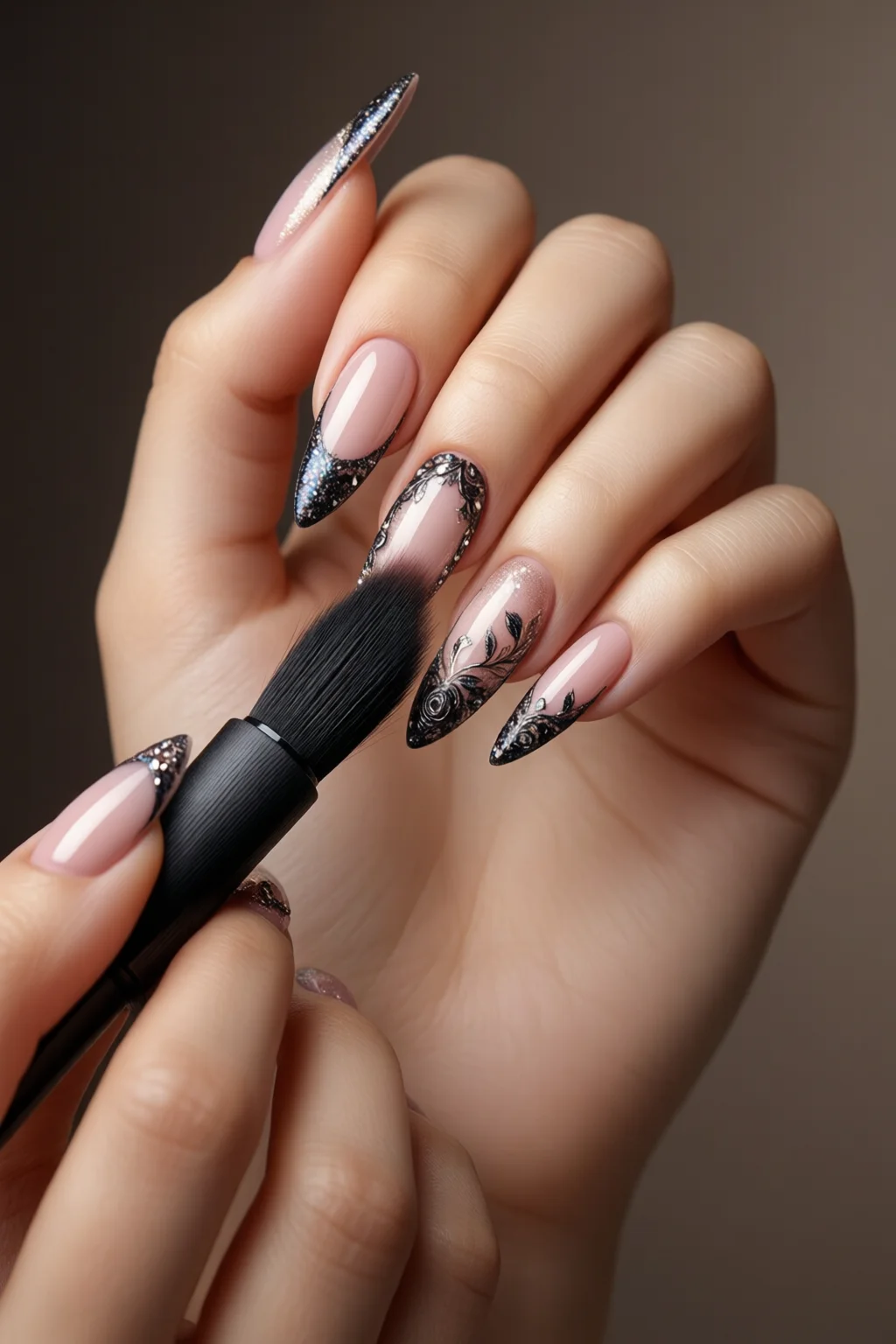
1. Understanding Press‑On Nails: Types, Materials, and What to Expect
1.1 What Exactly Are Press‑On Nails?
Press‑on nails are pre‑shaped, pre‑polished extensions that attach to your natural nail with either a self‑adhesive backing or a separate glue. They come in acrylic, gel‑coated, and even silk‑wrapped varieties. Acrylic press‑ons (like Kiss® Press‑On) are the most budget‑friendly, typically $4–$9 per set of 24, while gel‑coated options (e.g., Impressions™ Gel Press‑On) range from $12–$18 and promise a glossy finish that lasts up to 14 days.
1.2 Adhesive Options: Glue vs. Self‑Adhesive
Self‑adhesive backs are perfect for beginners; they’re designed to bond within seconds and cost about $2 per bottle of 30 strips. Professional glue (such as IBD Glue at $9.99 for 20 ml) offers a stronger hold, especially for longer nails or oily skin types. One mistake I see often is mixing the two—always pick one method per set to avoid uneven adhesion.
1.3 Durability and Lifespan
On average, press‑on nails last 5–7 days with glue and up to 10 days with a quality gel top coat. Users who avoid harsh chemicals and keep their hands moisturized can push that to 14 days. The key to longevity is proper prep and a gentle removal process.
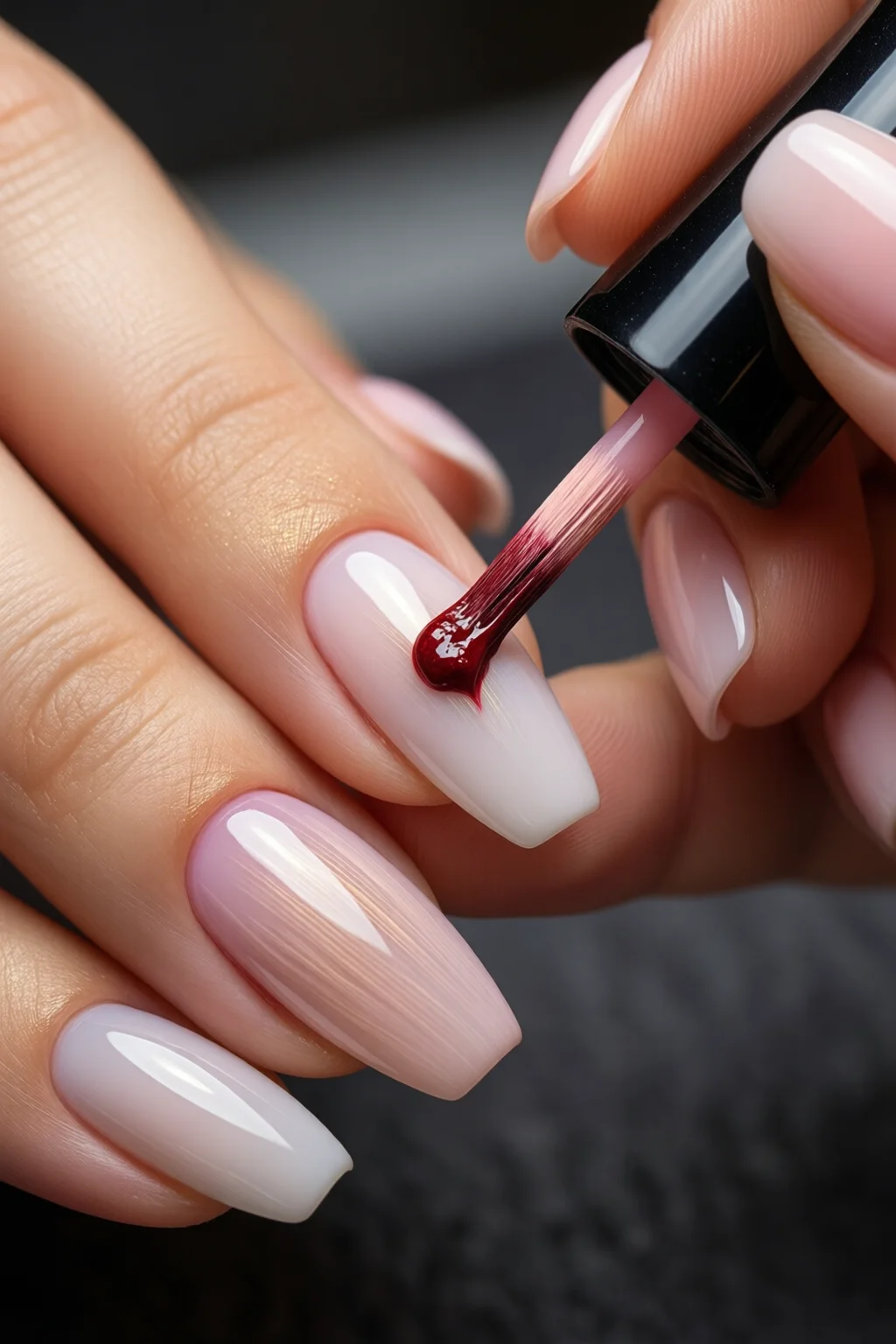
2. Preparing Your Natural Nails for a Flawless Bond
2.1 Clean, De‑grease, and Disinfect
Start with an alcohol wipe or a nail cleanser. This removes oils that sabotage the adhesive. I recommend the OPI Nail Cleanser ($8.99, 15 ml) – a quick swipe does the trick.
2.2 Shape and Buff
File your nails to a uniform length; a light buff on the surface (no more than 30 seconds) creates a matte texture that improves grip. Use a fine‑grit buffer (e.g., Sephora Buffer Block, $4.50). Avoid over‑filing; you want a smooth surface, not a thinned plate.
2.3 Push Back Cuticles and Moisturize
Gently push back cuticles with a wooden stick, then apply a thin layer of cuticle oil. This step reduces pressure points that can cause the press‑on to lift. I let the oil absorb for 2–3 minutes before proceeding.
2.4 Optional: Light‑Dust with a Nail Primer
For extra security, especially with glue, a primer like Mia Secret Nail Primer ($6.99 for 10 ml) can be dusted lightly. It adds a microscopic roughness that locks the adhesive in place.
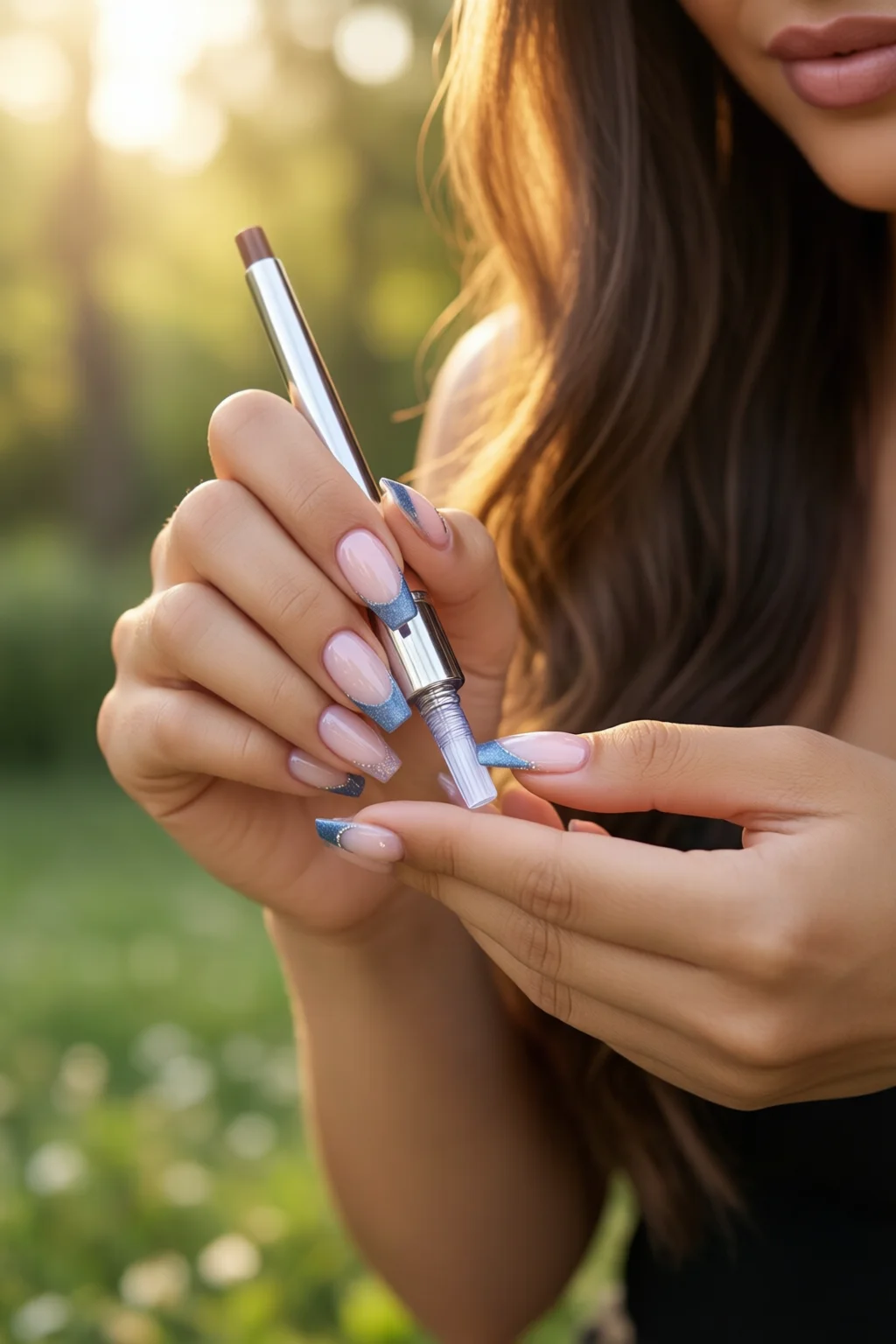
3. Selecting the Perfect Size and Style
3.1 Measuring Your Nail Width
Place a ruler or a printable nail size chart (downloadable from most brand sites) against the tip of your natural nail. Press‑on kits usually include sizes XS–XL. If you’re between sizes, choose the larger one and file down the edges.
3.2 Matching the Curve
Natural nails have either a square, oval, or almond curve. Align the press‑on’s curve with yours before applying. Some brands, like Dashing Diva, label each piece with its curve type to simplify matching.
3.3 Color & Design Considerations
When selecting a design, think about the occasion. For a wedding, pastel French tips from the water marble nails collection add elegance. For everyday wear, a matte nude set from the nail art starter kit is a safe bet.
3.4 Brand Comparison Table
| Brand | Material | Price (per set) | Durability (days) | Best For |
|---|---|---|---|---|
| Kiss® Press‑On | Acrylic | $5.99 | 5–7 (glue) | Beginners, budget |
| Impressions™ Gel Press‑On | Gel‑coated | $14.99 | 10–14 (top coat) | Long‑wear, glossy finish |
| Dashing Diva | SILK‑wrapped acrylic | $9.49 | 7–10 (glue) | Strength, flexibility |
| IBD Professional | Acrylic with reinforced edges | $12.99 | 10–12 (glue) | Salon‑level durability |
| Olive & June | Gel‑like acrylic | $13.95 | 8–11 (glue) | Fashion‑forward designs |
3.5 Trying Before You Commit
If you’re unsure about a set, order a sample pack (most retailers offer 4‑piece trial kits for $3–$6). Test the fit on one nail; if it feels loose, move to the next size up.

4. Step‑by‑Step Application Process
4.1 Gather Your Tools
- Press‑on set (pre‑selected size)
- Adhesive (glue or self‑adhesive backing)
- Cuticle pusher and nail file
- Alcohol wipes
- Optional: top coat (e.g., Seche Vite $7.99, 15 ml)
4.2 Apply the Adhesive
If using glue, dispense a pea‑size drop onto the back of the press‑on. Wait 10–15 seconds for the glue to become tacky. For self‑adhesive, simply peel off the protective film.
4.3 Align and Press
Position the press‑on at the cuticle line, ensuring the curve matches. Press firmly for 5–7 seconds, starting at the cuticle and moving outward. A slight twist helps release air bubbles. In my experience, a gentle “press‑and‑slide” motion eliminates most gaps.
4.4 Secure the Edges
Run a nail file lightly along the side edges for 2–3 seconds. This seals the bond without filing away the design. If you notice any lift, apply a tiny dab of glue and re‑press.
4.5 Cure (If Using Gel Top Coat)
For gel‑coated press‑ons, finish with a 30‑second UV/LED cure using a 36‑watt lamp. The top coat adds shine and extends wear time by up to 30%.
4.6 Clean Up
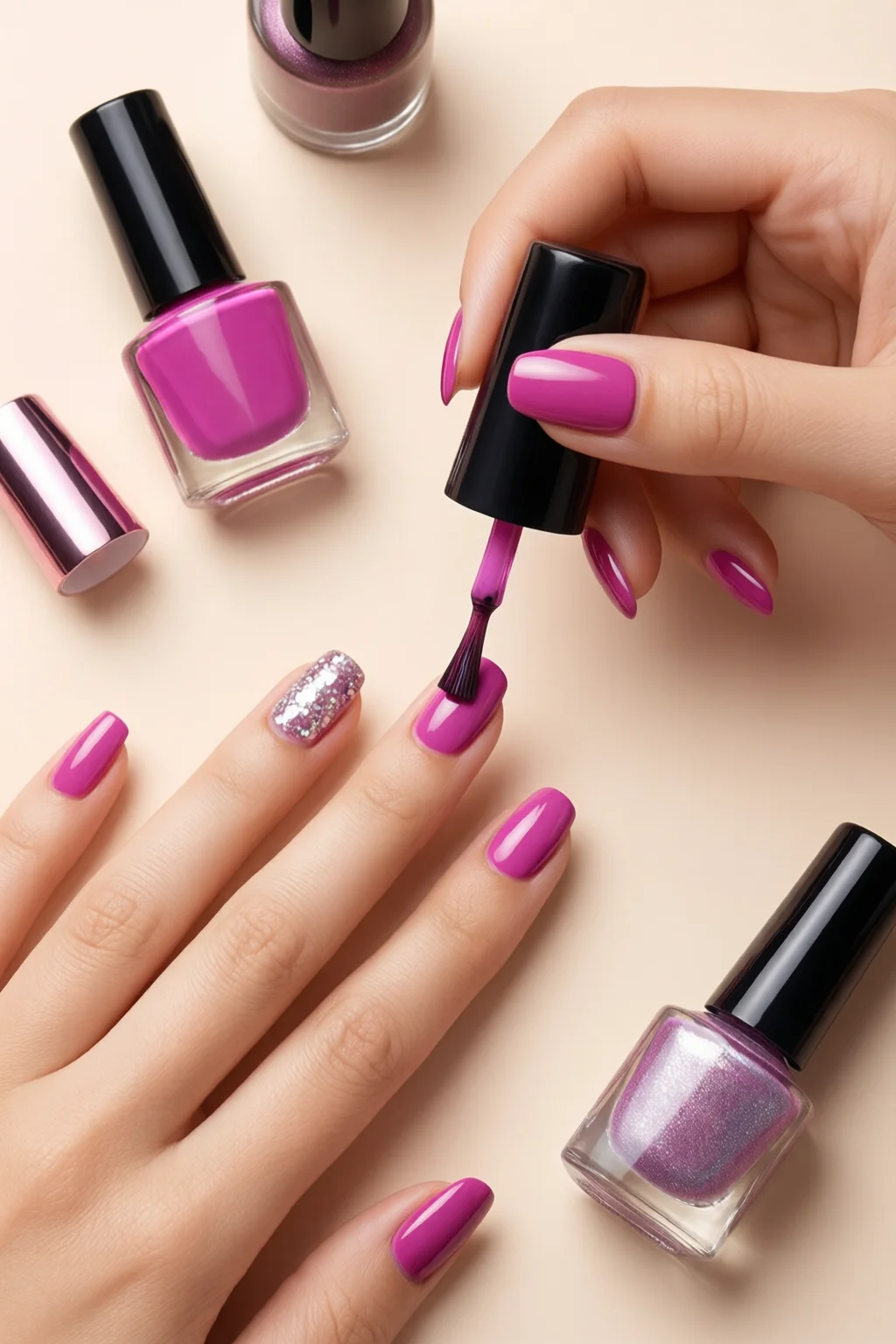
Wipe any excess adhesive with an alcohol pad. Trim any overhangs with a nail clipper, then shape the edge with a file for a natural look.
5. Finishing Touches and Extending Longevity
5.1 Daily Care Routine
Apply a thin layer of cuticle oil each night. Avoid prolonged exposure to hot water; if you must soak, wear gloves. I recommend the Essie Cuticle Oil ($9.49, 10 ml) for its quick absorption.
5.2 Avoid Harsh Chemicals
Gloves are a must when cleaning with bleach or detergents. Even a brief contact can weaken the adhesive and cause premature lifting.
5.3 Re‑top Coating
If you notice dullness after 5 days, a quick coat of clear gel (or regular top coat) can revive the shine. Use a brush to avoid touching the adhesive area.
5.4 Safe Removal
Soak your fingertips in warm (not hot) water for 10 minutes, then gently push the nail off with a wooden stick. Avoid pulling; this protects both the press‑on and your natural nail. For stubborn pieces, a small amount of acetone applied with a cotton ball speeds up removal.
5.5 When to Replace
Every 10–14 days, inspect the edge for lifting or warping. Even the best press‑ons will eventually lose adhesion, especially if you frequently wash your hands.
Pro Tips from Our Experience
- Double‑size test: If you’re between sizes, choose the larger piece and file down the sides. This prevents the nail from popping off under pressure.
- Heat‑seal technique: After applying glue, run a hair dryer on low for 5 seconds. The mild heat helps the adhesive set faster and reduces bubbles.
- Use a thin brush for glue: A precision brush (like the Beautyblender Mini Brush, $2.99) lets you place a controlled amount of adhesive, avoiding overflow onto the skin.
- Layered design hack: For a custom look, apply a clear press‑on as a base, then glue a decorative nail overlay (e.g., a glitter foil) on top. This gives a salon‑grade effect without extra cost.
- Budget shortcut: Purchase a bulk pack of 100 self‑adhesive strips for $12. It’s cheaper than buying individual sets and works for most brands.
Frequently Asked Questions
How long do press‑on nails actually last?
With a quality glue and proper prep, they typically stay on 5–7 days. Gel‑coated press‑ons sealed with a top coat can last up to 14 days. Longevity also depends on daily activities, exposure to water, and how well you avoid harsh chemicals.
Can I use regular nail polish on press‑on nails?
Yes, but it’s best to apply polish before you attach the press‑on. If you want to repaint after application, use a quick‑dry top coat and keep the edges sealed to prevent lifting.
What’s the difference between glue and self‑adhesive backing?
Glue provides a stronger, longer‑lasting bond, especially for longer or thicker nails. Self‑adhesive backs are faster and easier for beginners but may lift after a few days, particularly if your skin is oily.
How do I prevent air bubbles under the press‑on?
Press the nail from the cuticle outward in a smooth motion, and use a slight twisting action. If bubbles appear, lift the nail gently, re‑apply a tiny dab of glue, and press again.
Can I file my press‑on nails after they’re attached?
Yes, but use a fine‑grit file and work slowly to avoid damaging the adhesive layer. Filing the edges only (not the surface) helps maintain a secure fit.
Conclusion: Your Fast‑Track to Flawless Press‑On Nails
Mastering how to apply press on nails isn’t about buying the most expensive set; it’s about preparation, size accuracy, and the right adhesive technique. Follow the prep steps, choose a size that matches your natural curve, and use the press‑and‑hold method described above. With the pro tips and care routine included, you’ll enjoy salon‑level nails for up to two weeks without a trip to the nail tech.
Now that you’re armed with the full process, go ahead and try a new design today—whether it’s a bold tie dye nail look or a subtle matte nude. Your fingertips deserve the same attention you give your outfit, and with press‑on nails, you can switch styles as often as you change your shoes.