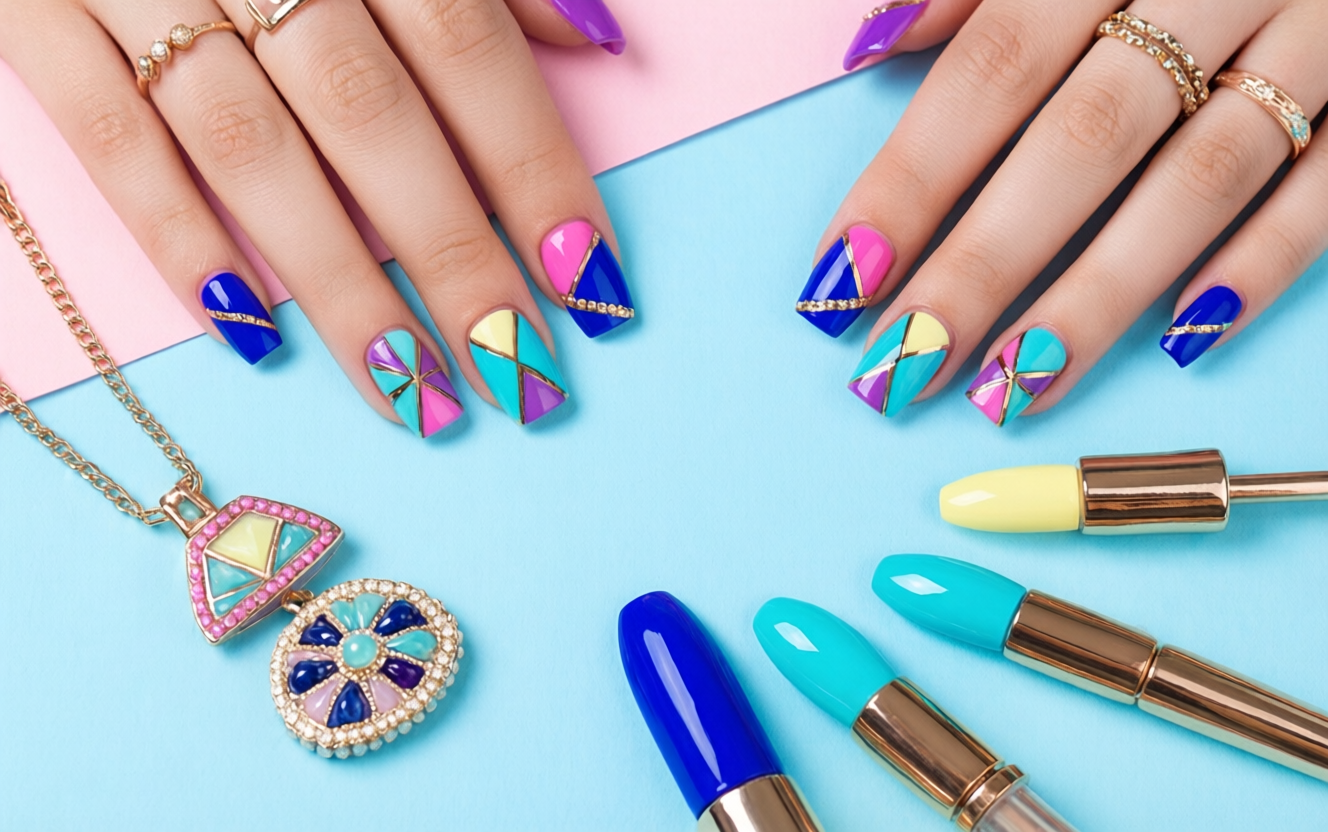
Last summer I was at a beachside café when a friend pulled out a tiny tray of glittery plates, a rubber stamper, and a bottle of clear gel. In under ten minutes she turned plain pink nails into a miniature mosaic of tropical leaves – all thanks to nail stamping. If you’ve ever stared at a stamping plate and wondered how to get that flawless transfer without smudges, you’re in the right place. By the end of this guide you’ll be able to create salon‑level stamped designs on natural, acrylic or gel nails, and you’ll know exactly which tools, products, and techniques give the best bang for your buck.
In This Article
- What You Will Need Before You Start
- Step 1 – Prepare Your Nails
- Step 2 – Apply Base Coat
- Step 3 – Choose Your Plate and Color
- Step 4 – Transfer the Design
- Step 5 – Seal the Design
- Step 6 – Clean Up and Admire
- Common Mistakes to Avoid
- Troubleshooting and Tips for Best Results
- Frequently Asked Questions
- Summary and Final Thoughts
What You Will Need Before You Start
Gathering the right kit saves you from mid‑project trips to the store. Here’s a concise checklist with brand recommendations, typical prices, and why each item matters.
- Stamping plates – Choose a set with at least 30 patterns. The KISS 30‑Piece Stamping Plate Set ($12.99) includes classic florals, geometric, and seasonal motifs. If you prefer larger designs, the Young Nails 100‑Plate Pro Set ($68.00) offers 10 × 10 cm plates for bold statements.
- Rubber stamping tool – A 10 mm dome works for most plates. The Sally Hansen Flexi-Stamper ($9.49) has a flexible tip that conforms to both flat and curved plates, reducing edge lift.
- Base coat – A thin, quick‑drying base like OPI Nail Envy (30 ml, $14.95) ensures adhesion and prevents yellowing.
- Stamping gel or regular nail polish – For durability, I recommend a gel formula such as Modelones Stamping Gel ($18.99 for 15 ml). It cures under a UV/LED lamp in 30 seconds, giving a chip‑resistant finish. Beginners can start with regular polish like Essie Gel Couture (15 ml, $9.99) and seal with top coat.
- Clear top coat – A high‑gloss top like Seche Vite Dry Fast Top Coat ($8.99, 15 ml) adds shine and protects the design for up to two weeks.
- Cleaning brush – A single‑use nylon brush (e.g., Beetles Nail Brush, $2.50) removes excess gel from the plate without scratching.
- Cuticle oil – Keeps surrounding skin moisturized; I use CND Solar Oil ($7.95, 5 ml).
- UV/LED lamp – If you’re using gel, a 48‑W LED lamp (e.g., SUNUV 48W, $34.99) cures in 30‑45 seconds.
- Files and buffers – A 180‑grit file for shaping and a 0.5 µm buffer for smoothing the nail surface.
Optional but helpful: a small silicone tray to hold the plates upright, and a disposable sponge for quick clean‑ups.
Step 1 – Prepare Your Nails
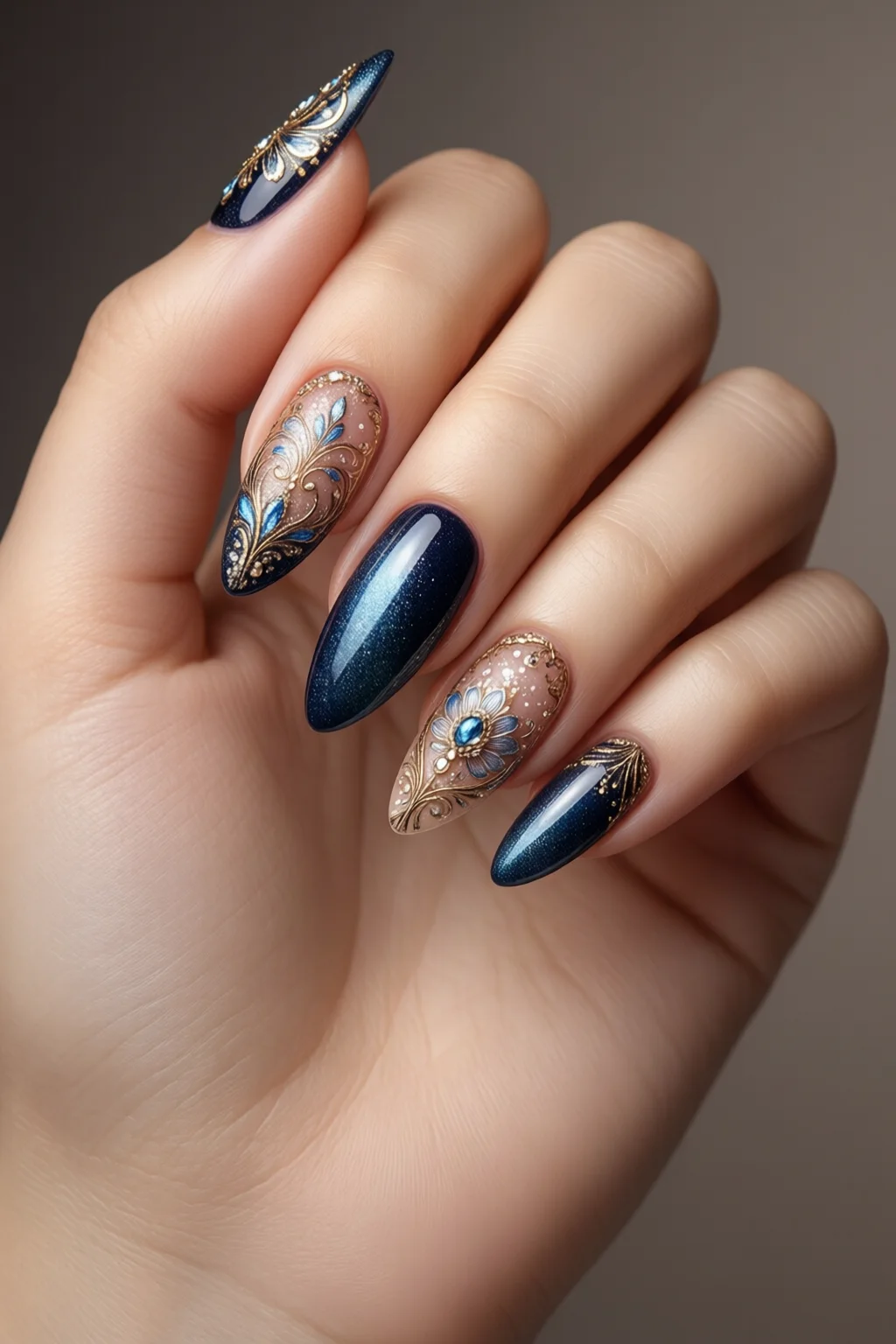
Clean, shape, and buff each nail to a smooth canvas. I start by pushing back cuticles with a cuticle pusher, then file all nails to a uniform length – usually a medium almond shape (about 7 mm from tip to cuticle). Lightly buff the surface with a 0.5 µm buffer; this removes the natural shine and helps the base coat adhere. Wipe away dust with a lint‑free wipe soaked in 70 % isopropyl alcohol; the nail should feel tacky, not wet.
Step 2 – Apply Base Coat
Apply a thin layer of OPI Nail Envy, allowing it to dry for 30 seconds (or cure under the lamp for 10 seconds if you’re using gel). The base coat should be just enough to cover the nail without pooling at the tip. Too thick a layer will cause the stamped design to lift later.
Step 3 – Choose Your Plate and Color
Pick a plate that matches the vibe you want – for a summer look, the “Palm Leaf” pattern from the KISS set works wonders. Swirl a small amount of Modelones Stamping Gel onto the plate. Use the rubber stamper to spread the gel evenly, making sure the entire pattern is covered but not overloaded. The gel should be a thin, glossy film; if it looks thick or gloppy, wipe away the excess with the cleaning brush.
Step 4 – Transfer the Design
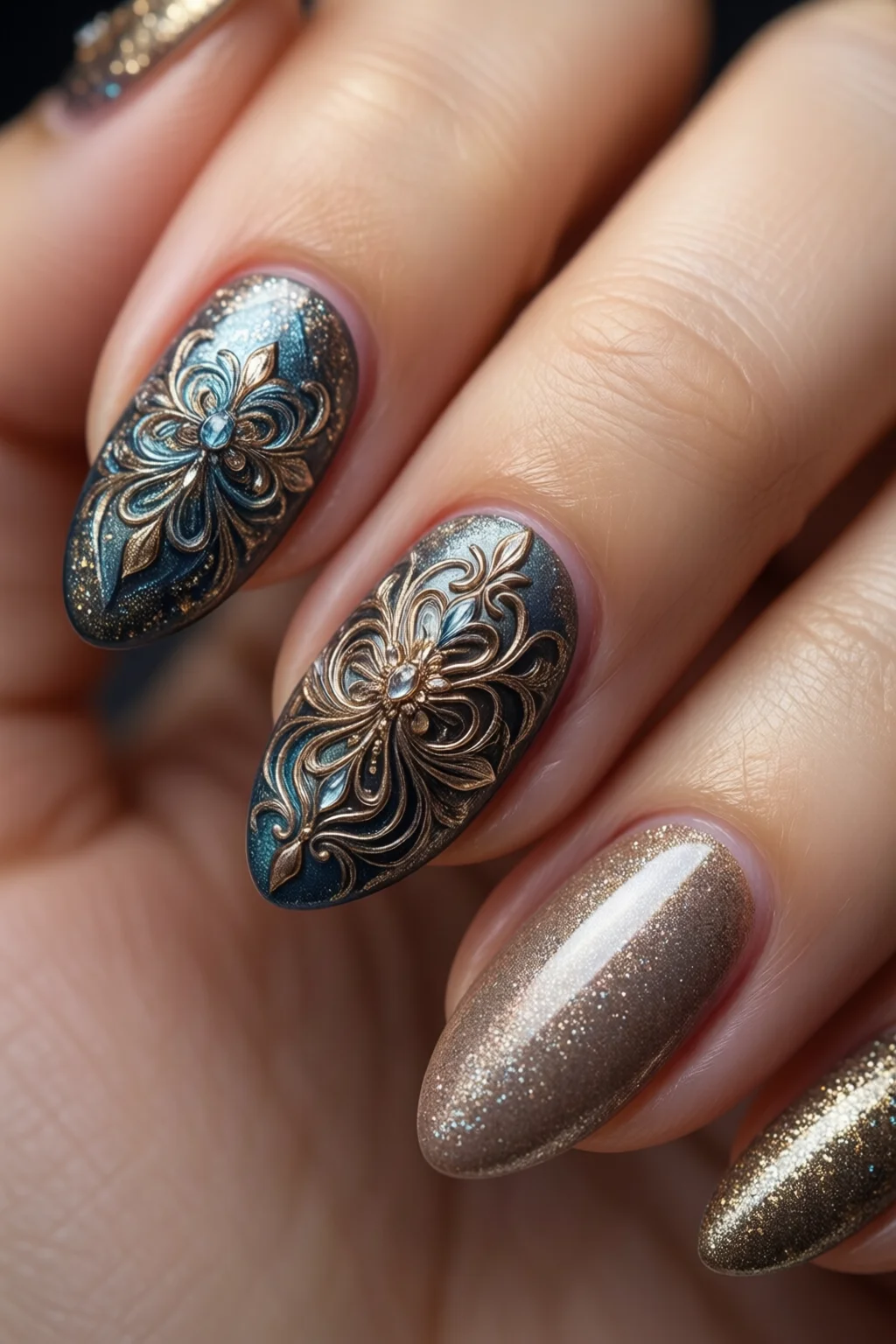
Press the stamper firmly onto the plate, then lift straight up. The design should adhere to the rubber tip. Quickly roll the stamper over the nail surface, starting at the cuticle and moving toward the tip. A light, even pressure is key – too hard and you’ll crush the pattern; too light and it will skip sections. If you’re stamping on a gel base, cure under the LED lamp for 30 seconds before moving to the next nail.
Step 5 – Seal the Design
Once all nails are stamped, apply a thin layer of Seche Vite top coat. Cure for 60 seconds under the lamp. For extra durability, especially on longer acrylics, I recommend a second thin top coat cured for another 30 seconds. Finish by wiping the nails with a lint‑free wipe soaked in 70 % isopropyl alcohol to remove any tacky residue, then massage cuticle oil into the skin.
Step 6 – Clean Up and Admire
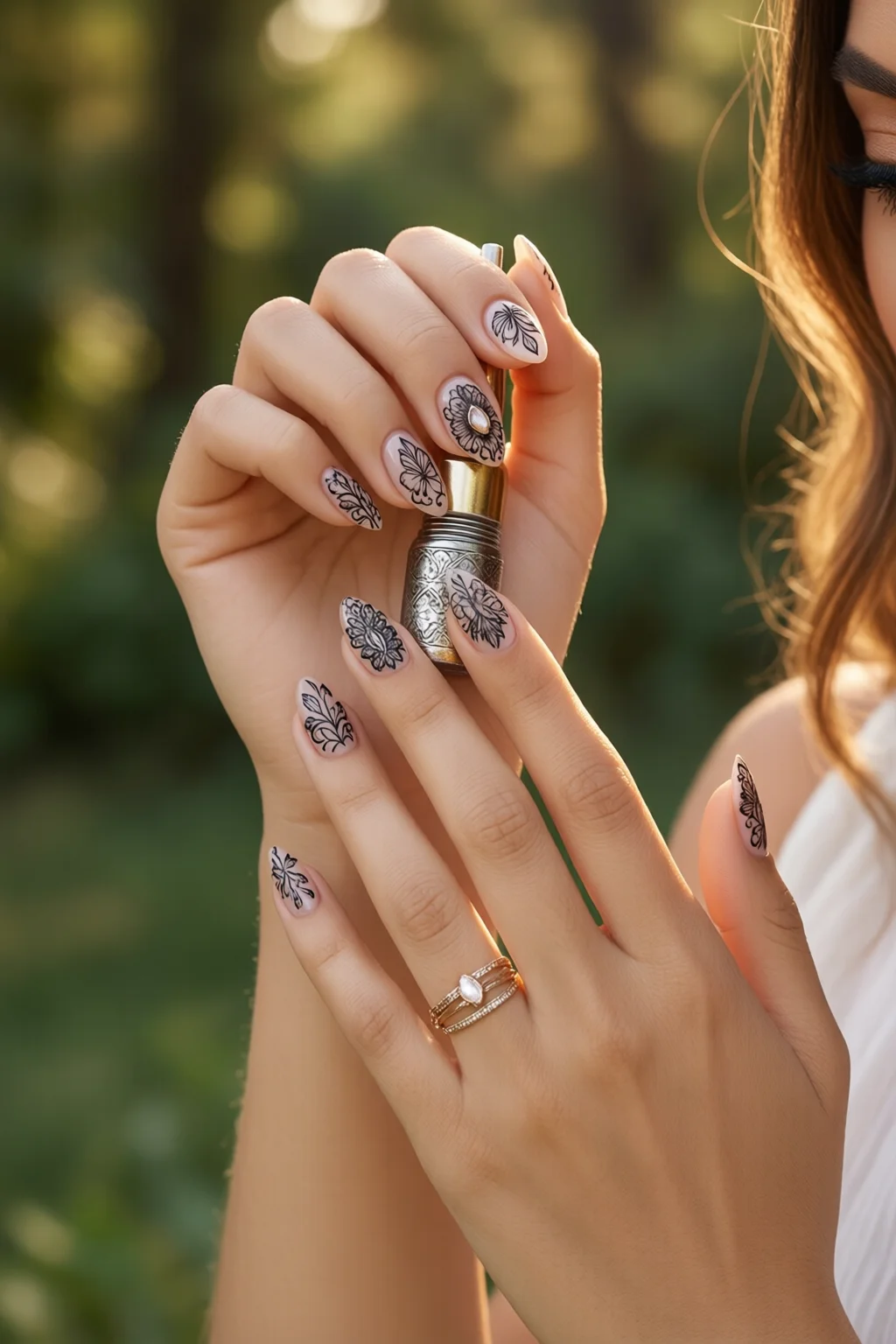
Use a small brush dipped in nail polish remover to tidy any stray gel around the cuticle line. Allow the nails to air‑dry for a minute before handling anything that might smudge. You now have a professional‑grade stamped manicure that will stay vibrant for up to 14 days on gel or 7 days on regular polish.
Common Mistakes to Avoid
- Overloading the plate – Too much gel creates a thick film that lifts. Use a pea‑size amount per plate.
- Skipping the cleaning brush – Residual gel on the edges causes jagged lines. A quick swipe with the brush restores crisp edges.
- Using the wrong tip size – A 10 mm dome is ideal for most plates; a larger tip can blur fine details, while a smaller tip may miss parts of the pattern.
- Insufficient curing – If you cure too briefly, the top coat won’t harden, leading to premature chipping. Follow the lamp’s recommended time.
- Applying thick top coat – A heavy top coat can pool and create a “fish‑eye” effect. Thin layers are the secret to a glass‑like finish.
Troubleshooting and Tips for Best Results
Tip 1: Temperature matters. Work in a room between 20‑24 °C (68‑75 °F). Cold air makes the gel thicken, causing streaks.
Tip 2: Use a silicone tray. Placing plates upright on a silicone mat prevents accidental smears while you switch colors.
Tip 3: Layer colors. For a gradient effect, stamp a base color, cure, then stamp a second, complementary shade over the top. The second layer adds depth without obscuring the first pattern.
Tip 4: Experiment with textures. Mix a matte top coat (e.g., Zoya Matte Top Coat, $12.99) over a glossy stamped design for a modern, velvety finish.
Tip 5: Keep your plates clean. After each use, wipe the plate with a cotton pad soaked in nail polish remover. Build‑up of dried gel can dull fine details over time.
Frequently Asked Questions
Can I use regular nail polish instead of stamping gel?
Yes, you can. Regular polish works, but it takes longer to dry and may be prone to smudging. If you choose polish, let it set for at least 2 minutes before stamping, or cure under a lamp for 30 seconds for added durability.
How long does a stamped manicure typically last?
On gel bases, stamped designs can last 10‑14 days without chipping. On regular polish, expect 5‑7 days, especially if you have active hands.
Do I need a UV/LED lamp for nail stamping?
A lamp is essential if you’re using stamping gel, as it cures the gel quickly and prevents lifting. If you stick with regular polish, a lamp isn’t required, though a quick air‑dry can work.
Can I stamp on acrylic or dip powder nails?
Absolutely. Just make sure the surface is smooth and free of dust. A thin layer of base coat (gel or regular) over the acrylic ensures the stamped design adheres properly.
Where can I find more inspiration for designs?
Check out our encapsulated nail art guide for 3‑D ideas, the coffin nail shape how to article for perfect nail shapes, and browse hand painted nail art for free‑hand inspiration. For bold color combos, look at mermaid nails and jelly nails.
Summary and Final Thoughts
Nail stamping is a blend of art and technique that, once mastered, unlocks endless design possibilities without the time‑consuming brush work of hand‑painting. By investing in a quality plate set, using the right amount of stamping gel, and following the step‑by‑step process outlined above, you’ll achieve salon‑level results in under 15 minutes per client or personal session. Remember to keep your tools clean, cure adequately, and protect with a thin top coat. With practice, you’ll be able to mix colors, layer patterns, and even create custom plates for truly unique looks. Happy stamping!
2 thoughts on “Best Nail Stamping Ideas That Actually Work”