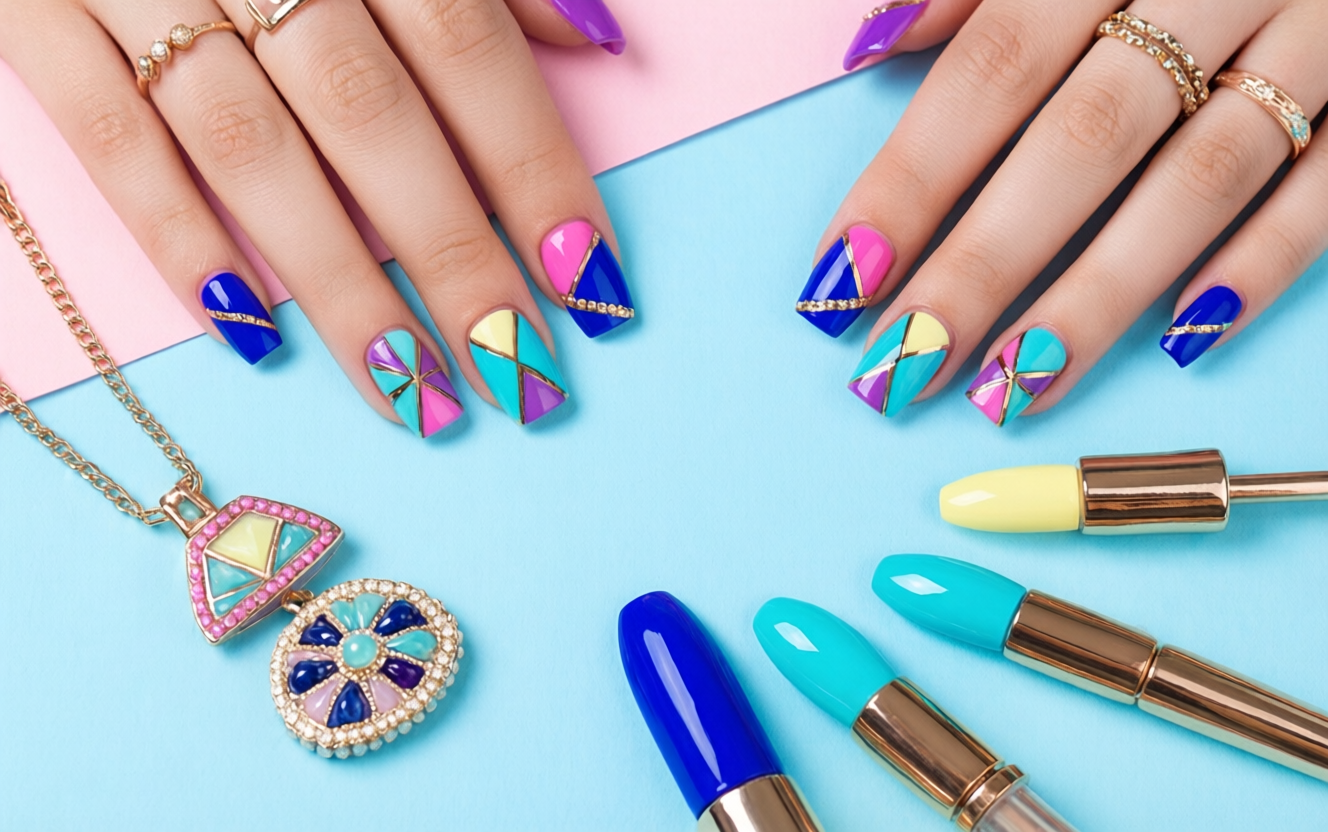
Imagine it’s Friday night, your favorite playlist is on, and you’ve just booked a last‑minute Zoom dinner with friends. You glance at your hands and think, “I wish my nails looked salon‑finished without spending $70 on a three‑hour appointment.” That’s the moment many of us reach for a polygel kit and wonder if we can truly achieve salon‑level results at home. The good news? With the right tools, a solid process, and a few insider tricks, you can create durable, glossy “polygel nails at home” that rival any professional work.
In This Article
Polygel has been the buzzword in nail tech circles for the past five years, and for good reason. It blends the strength of acrylic with the flexibility of gel, resulting in a lightweight yet ultra‑strong extension. Below, I’ll walk you through everything you need to know—from the science behind the product to a step‑by‑step tutorial—so you can confidently apply polygel nails at home without the guesswork.
Understanding Polygel – What It Is and Why It Works
Composition and Benefits
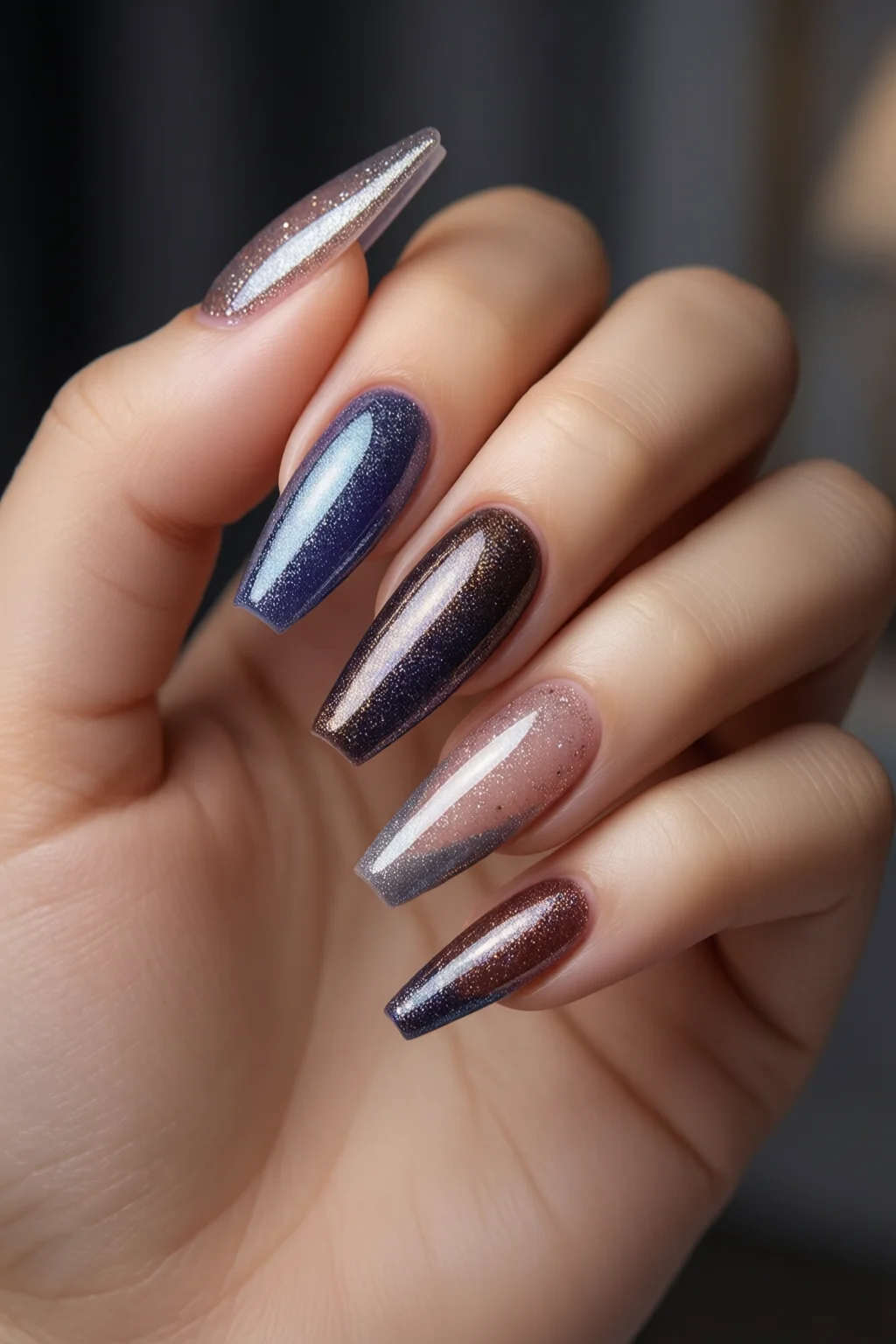
Polygel is a hybrid polymer made from a mix of acrylic powder and gel monomers, suspended in a thick, syrup‑like base. Unlike traditional acrylic, it doesn’t require a separate liquid monomer; the formula already contains it, which reduces the strong odor and mess. The result is a product that cures under a UV or LED lamp in 30–60 seconds, creating a flexible yet sturdy layer that can be filed down to any shape.
Polygel vs. Acrylic vs. Gel
| Feature | Acrylic | Gel | Polygel |
|---|---|---|---|
| Curing Method | Air‑dry (no lamp) | UV/LED lamp (90‑120 s) | UV/LED lamp (30‑60 s) |
| Odor | Strong, chemical | Mild | Very mild |
| Weight on Nail | Heavier | Light | Lightest of all |
| Flexibility | Rigid | Very flexible | Balanced |
| Typical Wear Time | 2‑3 weeks | 2‑4 weeks | 3‑4 weeks |
Ideal Candidates
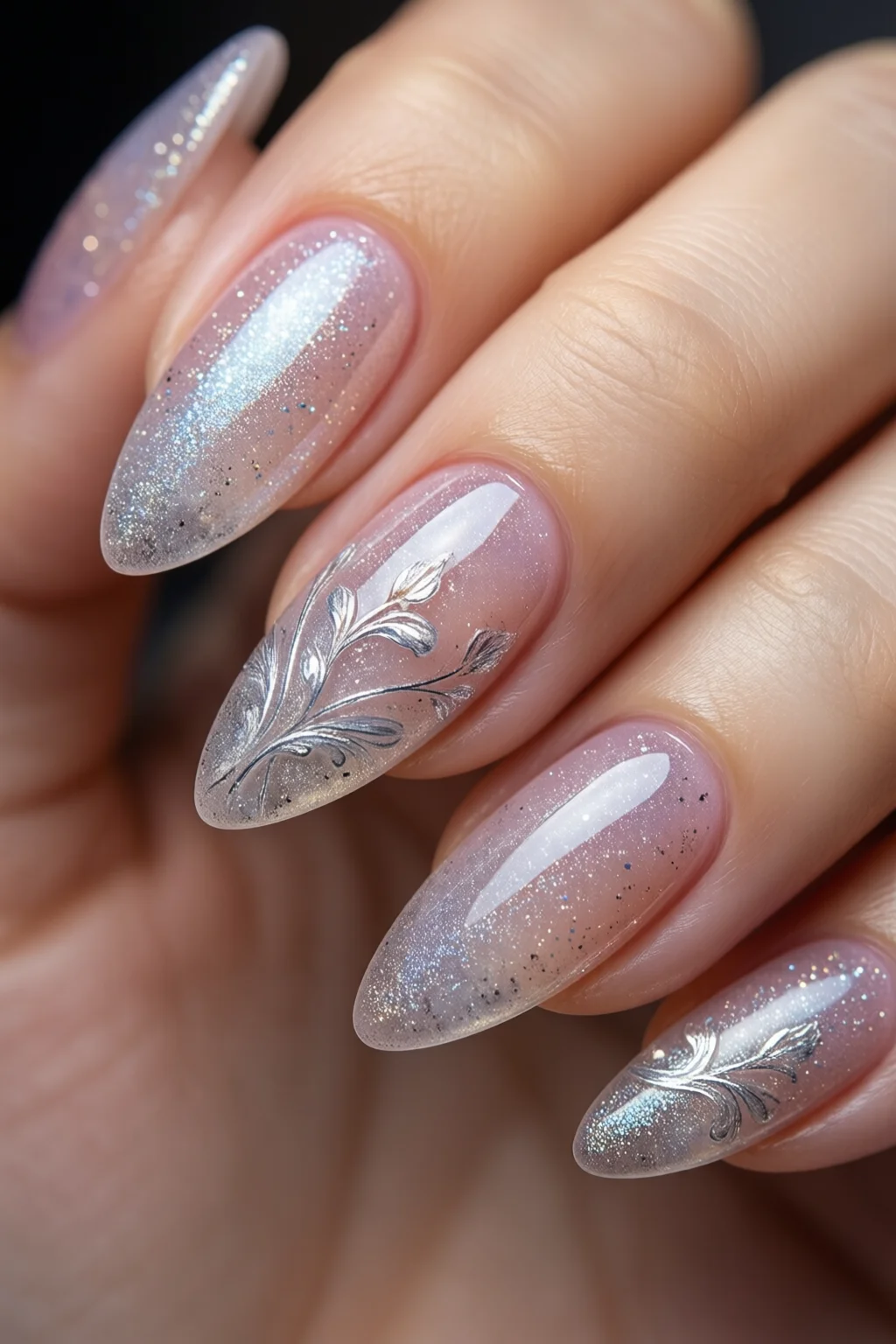
If your natural nails are brittle, short, or you simply crave a longer runway for nail art, polygel is perfect. I’ve seen clients with less than 2 mm nail bed length achieve a flawless almond shape after just one application. However, if you have severe nail plate damage or a fungal infection, it’s best to address those issues first.
Essential Tools & Budget Breakdown
Must‑Have Kit Components
- Polygel tubes (typically 15 ml each) – 2‑3 colors for basic use.
- Dual‑action brush (synthetic tip for application).
- Slip solution (often a mixture of isopropyl alcohol and water).
- UV/LED lamp – 48 W LED works for most brands.
- Cuticle pusher, nail file (180‑grit), buffer, and orange wood blocks.
- Top coat – a quick‑dry formula like best quick dry top coat.
Recommended Brands
In my experience, the following brands strike a good balance between price, performance, and availability:
- SensatioNail Polygel – $24 per 15 ml tube, includes a mini brush and slip solution.
- Modelones Pro Polygel Kit – $39 for a 4‑color set, bundled with a 48 W LED lamp.
- Gelish Polygel – $45 per tube, professional‑grade, compatible with Gelish UV lamps.
Cost Breakdown
Here’s a realistic budget if you’re starting from scratch:
- Polygel tubes (2 colors) – $48
- LED lamp (48 W) – $35
- Tools (brush, slip solution, files) – $22
- Top coat & nail prep – $15
- Total initial investment: $120 (one‑time) – a fraction of the $70‑$100 salon price per set.
Step‑by‑Step Guide to Doing Polygel Nails at Home
1. Prep Your Natural Nails
Start with clean, dry nails. Push back cuticles using a wooden pusher, then lightly buff the surface to remove shine. Dehydrate with a 70% isopropyl alcohol wipe for 30 seconds. This step ensures the polygel adheres without lifting.
2. Applying the Polygel
- Shake the polygel tube gently, then squeeze a pea‑size amount onto the dual‑action brush.
- Dip the brush tip into the slip solution – you’ll see the gel become tacky and easier to manipulate.
- Place the gel at the nail tip, then use the brush to “pull” it toward the cuticle, gently spreading the material over the nail bed.
- For a full‑coverage extension, add a second bead of gel and repeat the pulling motion.
- Shape the gel with a 180‑grit file while it’s still uncured; this prevents over‑filing later.
3. Curing, Shaping, Finishing
Pop your hand under the LED lamp for 45 seconds. If the gel isn’t fully hard, add another 10 seconds – never exceed 90 seconds to avoid brittleness. Once cured, file the nails to your desired shape (almond, square, or coffin). I recommend a 240‑grit file for precise contouring, then a buffer to smooth the surface.
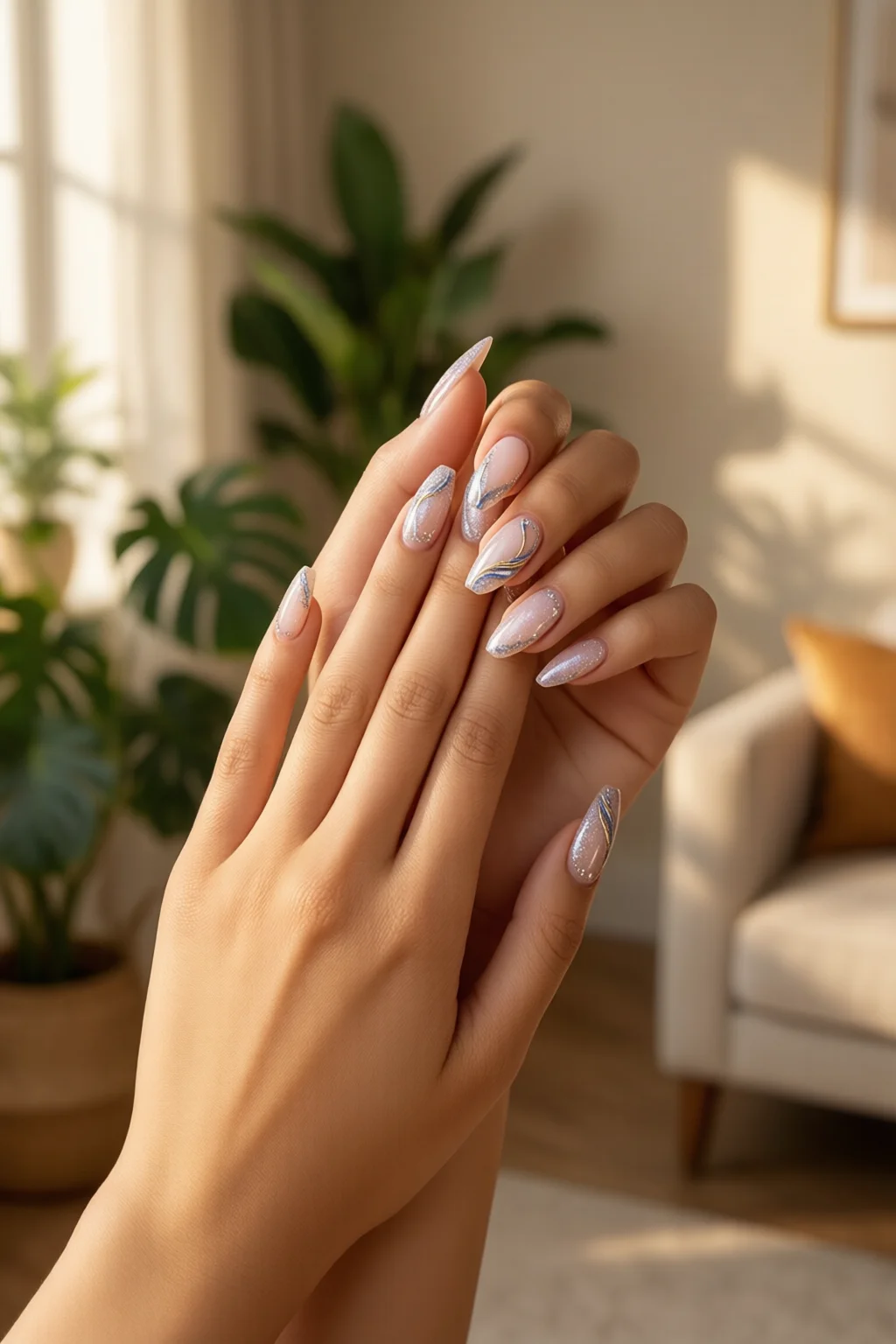
Finally, wipe away any tacky residue with a lint‑free pad soaked in 70% alcohol, apply a thin layer of top coat, and cure for an additional 30 seconds. Your polygel nails at home are now ready for any design, from hand painted nail art to the sparkly mirror nail powder trend.
Common Mistakes and How to Fix Them
Bubbles and Lifting
A frequent rookie error is trapping air when pulling the gel. To avoid bubbles, work in a warm environment (around 22‑24 °C) and use a light hand when spreading. If bubbles appear after curing, gently file the area flat, re‑apply a thin gel bead, and cure again.
Over‑curing or Under‑curing
Over‑curing makes the gel brittle and prone to chipping, while under‑curing leads to lifting. Use a timer and stick to the lamp’s recommended settings. I’ve found that a 48 W LED lamp gives consistent results across all brands, but always test a single nail before committing to the full set.
Filing Too Aggressively
Polygel is forgiving, but excessive filing can thin the extension and expose the natural nail. Limit filing to 2‑3 passes per side, and always finish with a buffer to restore smoothness.
Pro Tips from Our Experience
Extending Shelf Life of Gel Products
Store polygel tubes upright in a cool, dark drawer. I keep a small silica gel packet in the kit; it reduces moisture and prevents the gel from thickening. If a tube becomes too stiff, warm it in your hands for 30 seconds before use.
Choosing Between LED and UV Lamps
LED lamps cure faster (30‑45 seconds) and emit less heat, which reduces the risk of over‑curing. However, UV lamps (36 W) are more versatile for older gel formulas. My go‑to is a 48 W LED lamp because it works with every polygel brand I test.
Customizing Color & Texture
Mix two polygel shades on a silicone mat for a gradient effect, or add a pinch of loose glitter before curing for a subtle sparkle. For a matte finish, dust a light layer of translucent powder after curing but before the top coat.
Integrating Nail Art
Polygel creates a smooth canvas perfect for intricate designs. Try a geometric nail art stencil over a cured base, then seal with top coat. For a bold statement, you can embed tiny rhinestones into the gel while it’s still tacky.
Maintenance and Removal
To keep your extensions looking fresh, re‑apply a thin top coat every 3‑4 days. When you’re ready to remove, soak a cotton ball in acetone, wrap each finger with foil, and wait 10‑12 minutes. Gently push off the softened gel with a cuticle pusher – no forceful scraping needed.
Conclusion – Your DIY Polygel Success Blueprint
Doing polygel nails at home isn’t a mystery reserved for salon pros; it’s a manageable, cost‑effective process once you have the right kit, a clear workflow, and a few seasoned tips. With an investment of roughly $120 for quality tools, you can create salon‑grade extensions that last up to a month, experiment with endless designs, and save hundreds of dollars annually. So grab your favorite polygel shade, fire up that LED lamp, and let your nails do the talking at your next Zoom dinner.
How long does it take to apply polygel nails at home?
From prep to final top coat, a first‑time application typically takes 45‑60 minutes. With practice, most people finish in 30‑35 minutes.
Can I use a UV lamp instead of an LED lamp?
Yes, UV lamps will cure polygel, but they require longer exposure (90‑120 seconds). LED lamps are faster and generate less heat, making them the preferred choice.
Is polygel safe for sensitive skin?
Polygel contains fewer volatile chemicals than acrylic, so it’s generally gentler on the skin. However, always perform a patch test with the slip solution if you have a known allergy.
How do I prevent my polygel nails from lifting?
Proper nail prep (dehydration, cuticle push‑back), using the correct amount of slip solution, and curing for the exact time recommended by your lamp are key. Avoid exposing fresh extensions to water for the first 2 hours.
Can I add nail art to polygel extensions?
Absolutely. Polygel provides a smooth, durable base perfect for hand‑painted designs, mirror powders, rhinestones, and geometric patterns. Just apply the art after the final cure and seal with a top coat.
2 thoughts on “Best Polygel Nails At Home Ideas That Actually Work”