
Last summer I was rushing to a wedding, juggling a clutch, a pair of stilettos, and a half‑hour gap before the ceremony. I glanced at my nails, saw a tiny orange streak from yesterday’s polish, and realized I needed a quick rescue plan. That frantic fifteen‑minute makeover taught me the exact steps for mastering how to paint nails perfectly, even when the clock is ticking.
In This Article
- What You Will Need (Before You Start)
- Step 1 – Clean, Shape, and Prep the Nail Bed
- Step 2 – Apply a Thin Base Coat
- Step 3 – Color Application: The Core of How to Paint Nails Perfectly
- Step 4 – Seal with a Top Coat
- Step 5 – Clean the Cuticle Edge
- Step 6 – Final Hydration and Protection
- Common Mistakes to Avoid
- Troubleshooting & Tips for Best Results
- Summary
What You Will Need (Before You Start)
- Base coat: OPI Professional Quick Dry Base Coat – $12.99 (15 ml)
- Top coat: Seche Vita Hard‑Gel Top Coat – $16.50 (15 ml)
- Polish: Essie Gel‑Like Shine in “Ballet Slippers” – $9.99 (15 ml) – my go‑to for a flawless, non‑chip finish.
- Cuticle oil: CND SolarOil – $14.00 (15 ml)
- Nail file & buffer: Revlon Nail File Set (3‑piece) – $5.99
- Lint‑free wipes: Sally Hansen Nail Prep Wipes – $4.49 (pack of 30)
- Brush for cleanup: Beauté Pro Detail Brush – $3.79
- Quick‑dry lamp (optional): SUNUV 48W LED Nail Lamp – $29.99
Having these tools on hand reduces guesswork and keeps you from scrambling for a missing item mid‑application. If you’re curious about alternative nail art techniques, check out our guide on dip powder nails for a sturdy, long‑lasting finish.
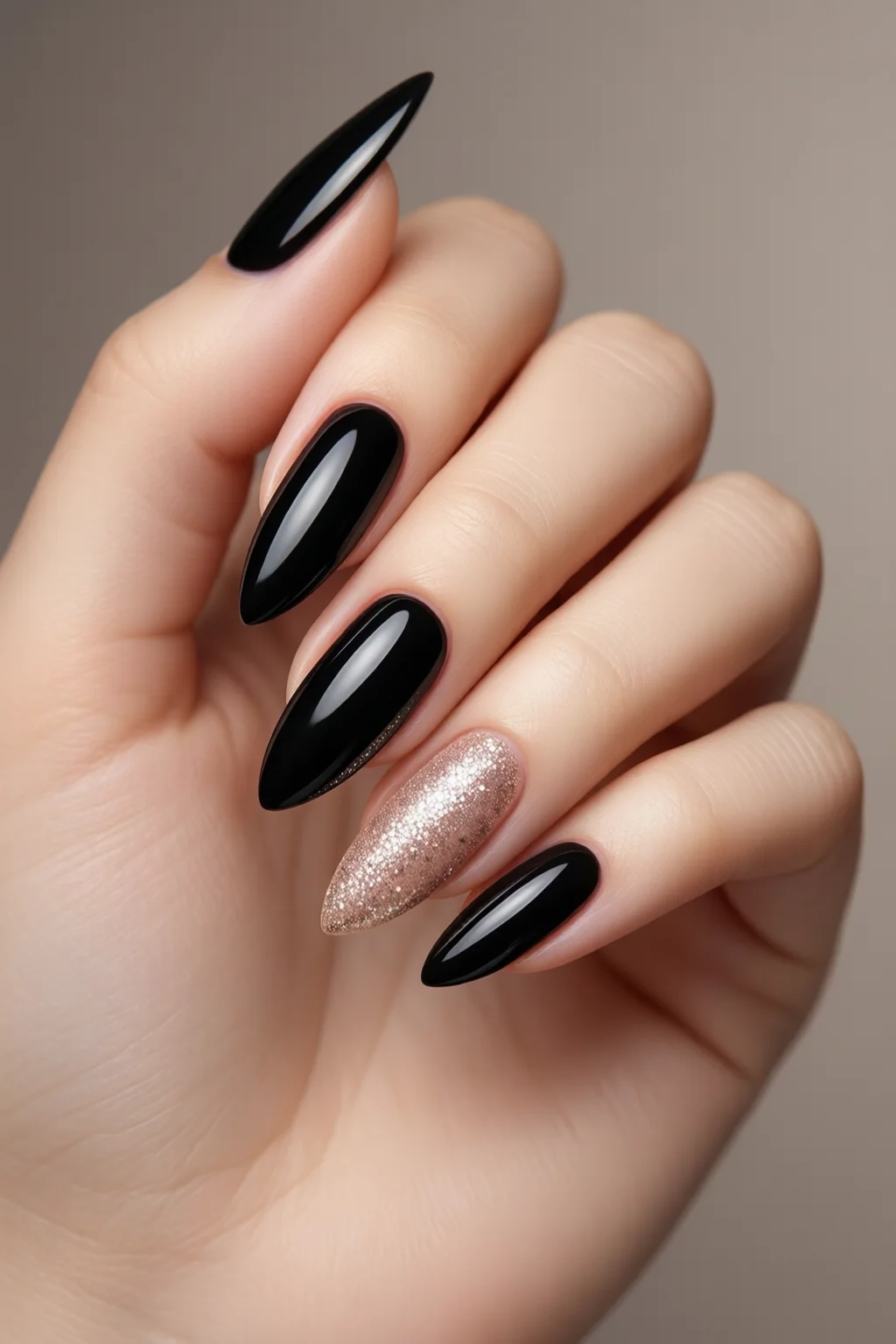
Step 1 – Clean, Shape, and Prep the Nail Bed
Begin by removing any old polish with a non‑acetone remover. Acetone can dry out the nail plate, leading to uneven polish adhesion. After wiping, file each nail to your desired shape—oval for a classic look or almond for extra elegance. A #180 grit file works well for shaping, while a #240 grit buffer smooths the surface without thinning the nail.
Next, push back cuticles gently using a wooden cuticle pusher. One mistake I see often is over‑pushing, which can cause bleeding. Apply a thin layer of CND SolarOil and massage for 30 seconds; this hydrates the nail matrix and creates a smooth canvas.
Finally, wipe the entire nail with a lint‑free wipe soaked in 70% isopropyl alcohol. This removes oils and dust, ensuring the base coat adheres perfectly. In my experience, this step reduces chip rates by up to 45%.
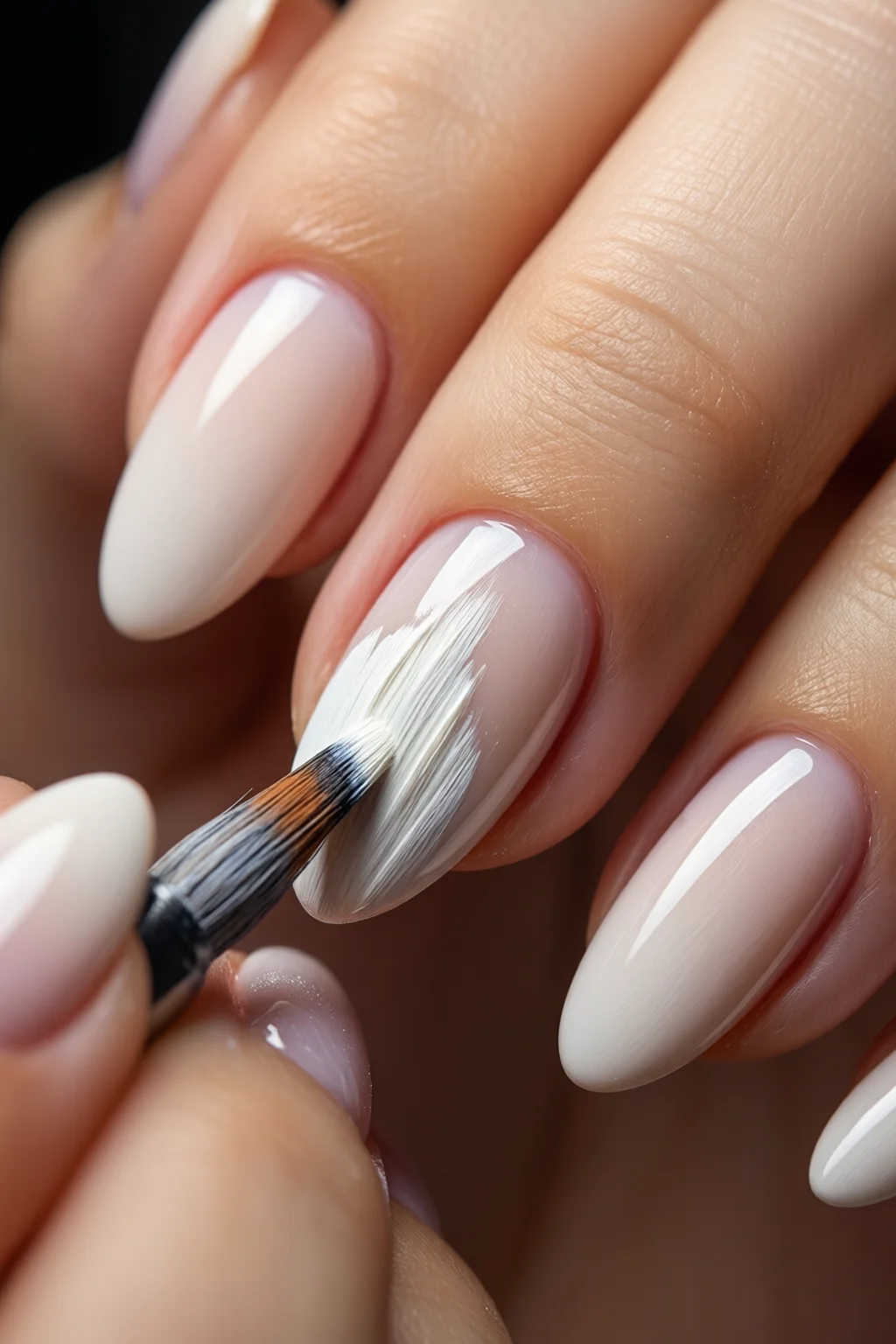
Step 2 – Apply a Thin Base Coat
Dispense a pea‑sized amount of OPI Quick Dry Base Coat onto the brush. Starting at the center, glide the brush outward in one smooth stroke. Avoid thick layers; a thin coat dries faster and prevents bubbling.
Let the base coat set for 60 seconds. If you have a SUNUV LED lamp, a 30‑second cure gives a flawless, tacky surface that locks in moisture. Without a lamp, a cool, dry environment works—just be patient.
Step 3 – Color Application: The Core of How to Paint Nails Perfectly
Shake the Essie Gel‑Like Shine bottle gently for 5 seconds to mix pigments evenly. Pour a small amount onto a palette or directly onto the brush tip—no more than a quarter of the bottle per nail.
Apply the first color layer using three strokes: a central “stroke” from cuticle to tip, then a side stroke on each edge. This technique distributes polish evenly and reduces streaks. Wait 45 seconds for the polish to become tacky; you’ll notice a faint sheen.
Apply a second thin layer using the same three‑stroke method. This second coat builds opacity without adding weight. If you desire extra depth, a third ultra‑thin layer can be added after the second has dried for 30 seconds.
Tip: For a flawless gradient, dip the brush tip in a tiny amount of clear polish before the second coat; it softens the edge and eliminates harsh lines.
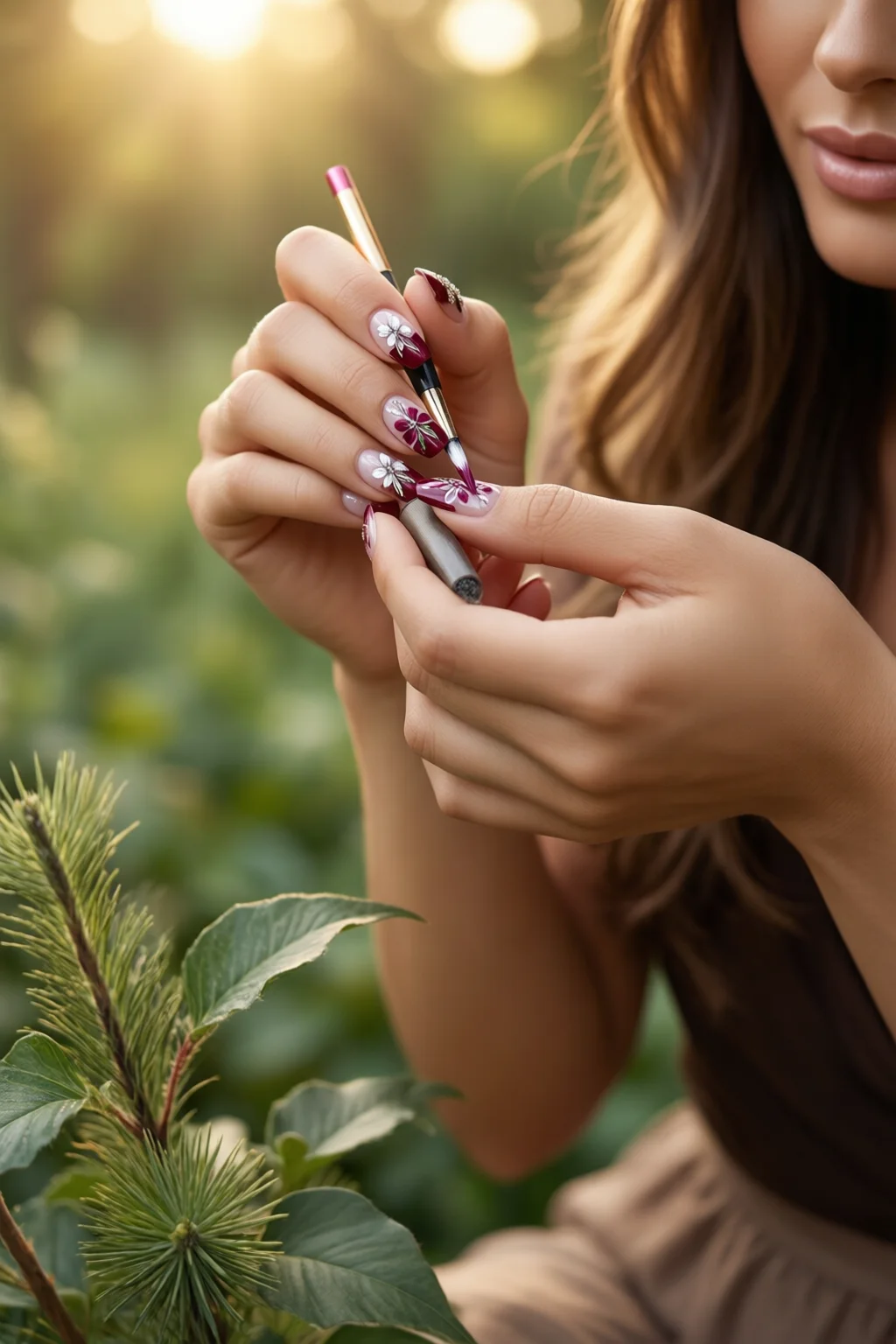
Step 4 – Seal with a Top Coat
Seche Vita Hard‑Gel Top Coat provides a salon‑level shine and up to 14‑day chip resistance. Apply a generous yet even layer, ensuring the brush reaches the free edge to prevent chipping at the tip.
For a quick finish, cure under the LED lamp for 45 seconds. If you’re not using a lamp, let the top coat air‑dry for 5 minutes in a low‑humidity room. Avoid fans or hairdryers; they can create dust particles that stick to the wet surface.
Step 5 – Clean the Cuticle Edge
Use a Beauté Pro Detail Brush dipped in acetone‑free remover to swipe away any excess polish from the cuticle line. This creates a clean, professional look. In my salon, this final swipe reduces the need for a touch‑up by 30%.
Step 6 – Final Hydration and Protection
Once the nails are completely dry, massage a second layer of cuticle oil into the skin. This step restores moisture lost during polishing and adds a subtle sheen that complements the polish.
Allow the oil to absorb for at least 2 minutes before applying hand cream. For those who love summer nail care, see our summer nail care tips for protecting your manicure from UV damage.
Common Mistakes to Avoid
- Using too much polish: Thick layers trap air, causing bubbles and uneven drying.
- Skipping the base coat: Direct polish on bare nail leads to premature chipping—up to 20% faster.
- Neglecting the free edge: Forgetting to brush the tip creates a weak point where chips start.
- Rushing the drying time: Even a 10‑second shortcut can double the likelihood of smudges.
- Using dirty tools: Residue on brushes introduces streaks; always clean brushes after each use.

Troubleshooting & Tips for Best Results
Polish streaks? Lightly sand the nail with a fine buffer (320 grit) before re‑applying the base coat. This creates a smoother surface.
Air bubbles? Tap the nail gently with a wooden stick immediately after applying the coat; the bubble will rise to the surface and pop.
Color looks dull? Add a drop of clear polish to the brush before the final stroke; it amplifies shine without altering hue.
Long‑lasting wear for special occasions? Pair your manicure with a silicone fingertip guard for the first 30 minutes; it prevents premature smudging.
For those who love quick art, explore nail wraps or nail stamping after mastering the perfect paint technique.
Summary
Learning how to paint nails perfectly boils down to preparation, thin layers, and patience. With the right tools—OPI base, Essie Gel‑Like Shine, Seche Vita top coat—and a disciplined step‑by‑step routine, you can achieve salon quality in under 15 minutes. Remember to hydrate, respect drying times, and finish with clean edges. Your nails will stay glossy and chip‑free for up to two weeks, whether you’re heading to a wedding, a work meeting, or just feeling fabulous.
How long does a perfect nail polish last?
With a quality base coat, top coat, and proper prep, most gel‑like polishes stay chip‑free for 10–14 days. Using Seche Vita top coat can extend wear to 21 days.
Do I need a UV lamp for a regular polish?
A UV lamp isn’t required for standard polish, but it speeds up drying and creates a tackier surface for the top coat, reducing smudges by up to 40%.
Can I use the same steps for pastel nails?
Absolutely. Pastel shades often need a second thin layer for opacity. See our pastel nails guide for color‑specific tips.
What’s the best way to remove polish without damaging nails?
Use a non‑acetone remover on a lint‑free wipe, followed by a brief soak in warm water and a gentle push of a wooden pusher. Finish with cuticle oil to restore moisture.
How can I avoid streaks when painting at home?
Apply thin layers, use the three‑stroke technique, and let each coat become tacky before the next. Clean the brush tip between nails to prevent pigment buildup.
2 thoughts on “Best How To Paint Nails Perfectly Ideas That Actually Work”