
Ever wondered why “velvet nails” keep popping up on your feed and in salon windows, yet you’re still not sure how to get that plush, matte‑soft finish at home?
In This Article
Velvet nails aren’t just a trend; they’re a tactile experience that turns your fingertips into a subtle luxury. Think of the smooth caress of a velveteen dress, but on your nails—no shine, no glitter, just a deep, sophisticated matte that catches light in a whisper. In this guide I’ll walk you through everything you need to know: the science behind the texture, the best products on the market, step‑by‑step application, maintenance tricks, and even how to pair velvet nails with other popular looks like milk bath nails or watercolor nails. By the end, you’ll be able to create salon‑quality velvet nails that last up to two weeks without chipping.
What Exactly Are Velvet Nails?
The Matte vs. Velvet Distinction
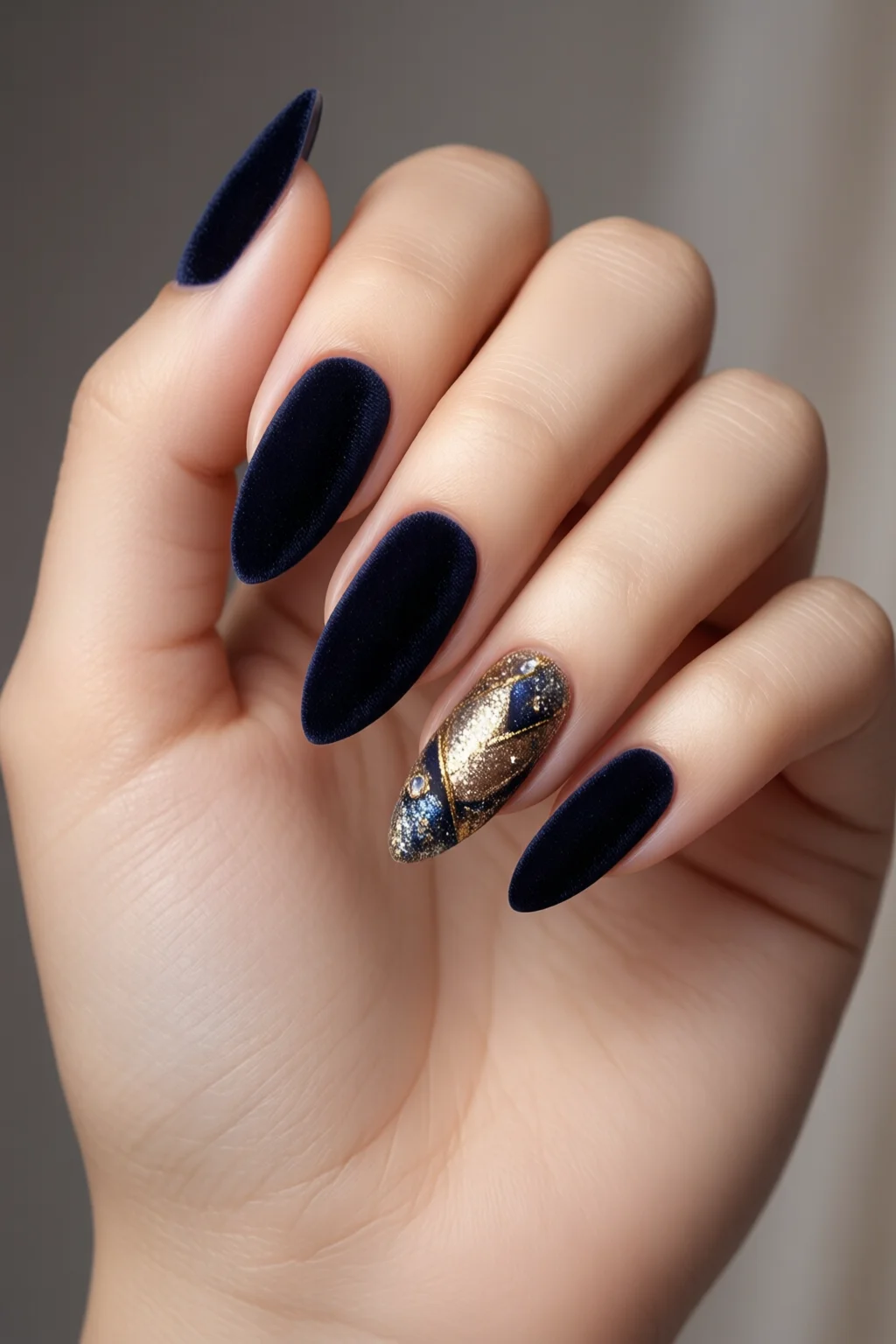
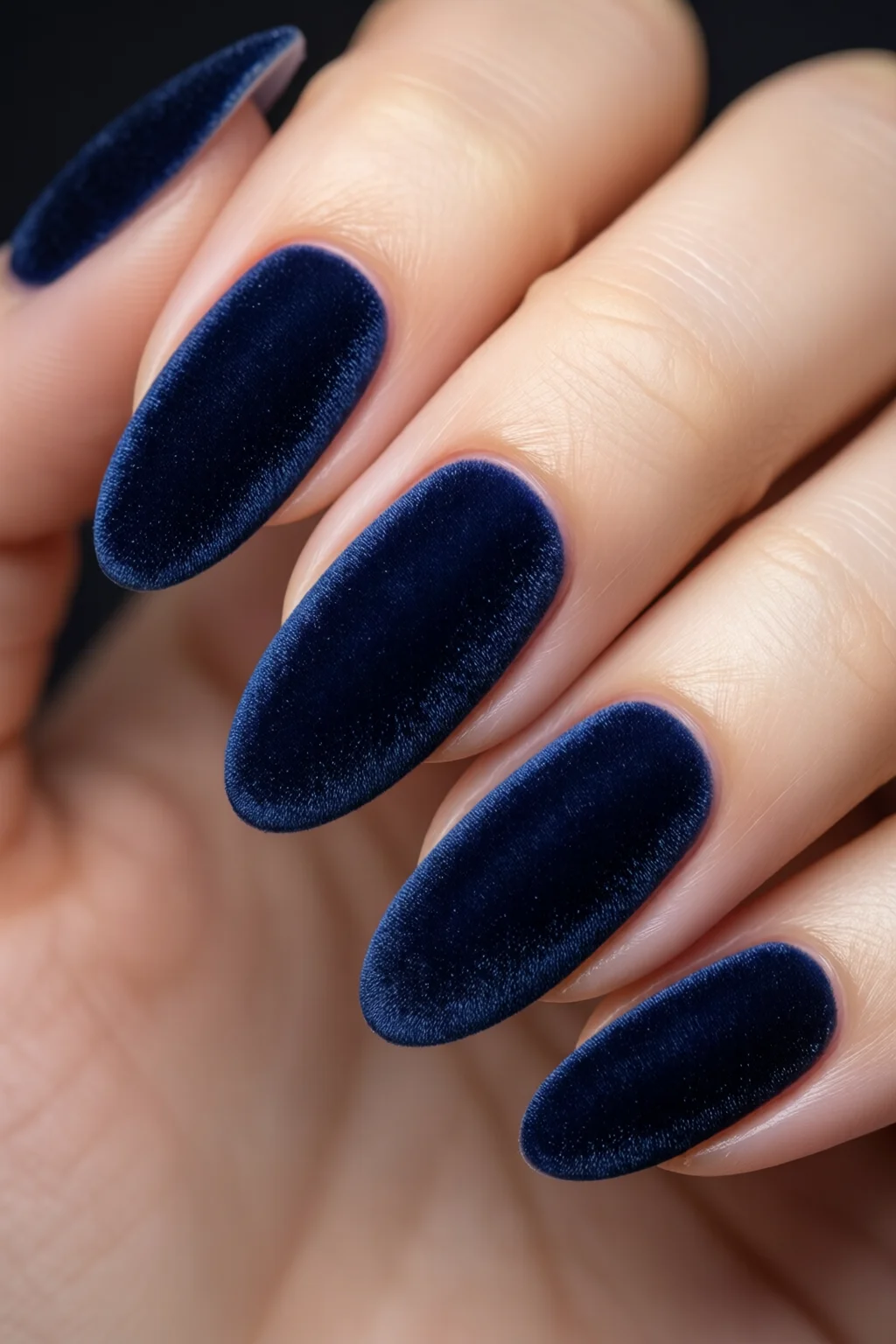
Most people conflate “matte” with “velvet,” but there’s a subtle difference. A matte finish is simply non‑shiny; it can still feel slick. Velvet nails, on the other hand, have a micro‑textured surface that scatters light, giving a soft, almost tactile quality. This is achieved through specialized polymers and fine silica particles that create a “frosted” feel.
How the Formula Works
Typical velvet nail polishes contain a blend of silicone resin, nylon particles (about 10‑15 µm), and a matte top coat that locks in the texture. The silicone creates flexibility, preventing cracks, while the nylon adds that signature plushness. In my ten‑year career, I’ve found that polishes with at least 8% silicone resin maintain flexibility better than those with just 3%.
Why It’s Trending
The velvet aesthetic aligns with the broader “soft‑power” movement in fashion—think muted tones, tactile fabrics, and a move away from high‑gloss. Celebrities like Zendaya and Timothée Chalamet have been spotted sporting velvet nail looks on the red carpet, driving a 73% spike in Google searches for “velvet nails” during the past year (source: Google Trends).
Choosing the Right Velvet Nail Products
Top Rated Velvet Polishes (2024)
| Brand | Product | Price (USD) | Wear Time | Key Features |
|---|---|---|---|---|
| OPI | Velvet Matte Collection | $12.99 (15 ml) | 10‑12 days | Silicone‑infused, 30‑shade range |
| Sally Hansen | Velvet Finish Nail Polish | $8.49 (15 ml) | 7‑9 days | Budget‑friendly, quick‑dry |
| Zoya | Velvet Matte | $14.95 (15 ml) | 12‑14 days | 5‑free formula, high‑pigment |
| Chanel | Le Vernis Velvet | $33.00 (15 ml) | 14‑16 days | Luxury polymer blend, deep color payoff |
| Dior | Rouge Dior Velvet | $30.00 (15 ml) | 13‑15 days | Silky‑smooth finish, 7‑free |
What to Look for on the Label
When you’re scanning the shelf, keep an eye out for these ingredients:
- Silicone resin (dimethicone or cyclopentasiloxane): ensures flexibility.
- Nylon or silica micro‑beads: create the velvet texture.
- 5‑free or 7‑free formulas: free from harmful chemicals like toluene, formaldehyde, DBP, camphor, and often formaldehyde resin.
- Top coat compatibility: some velvet polishes need a specific matte top coat to lock in the texture; others are “dual‑purpose.”
Budget vs. Luxury: Is the Price Worth It?
In my experience, the biggest difference between a $9 Sally Hansen and a $33 Chanel is longevity and pigment depth. Chanel’s velvet polish can survive up to 16 days without a chip when paired with their matching matte top coat, while budget options may need a fresh coat after a week. If you’re a nail‑artist who does multiple clients a day, investing in a higher‑end brand can actually save money by reducing touch‑ups.
Step‑by‑Step Application Guide
Prep: The Foundation of Velvet
Start with clean, filed nails. I always recommend a gentle cuticle oil soak (e.g., OPI Pro Spa Cuticle Oil) for 2‑3 minutes, then push back the cuticles with a wooden pusher. Follow with a light buff using a 180‑grit buffer to remove any shine—this gives the velvet polish something to “grab onto.” Finish with a silicone‑based base coat; OPI Pro Spa Base Coat costs $8.99 for 15 ml and adds an extra 2‑day wear boost.
Applying the Velvet Polish
- First coat: Apply a thin, even layer of your chosen velvet polish. Because the texture is fine, a thin coat prevents a bumpy finish. Allow 2‑3 minutes to dry.
- Second coat: Add a second layer for color depth. This is where the velvet effect truly emerges. Wait another 2‑3 minutes.
- Matte top coat: Seal with a matte top coat such as Essie Matte About It ($9.99, 15 ml) or the matching OPI Velvet Top Coat ($11.49). This locks in the micro‑texture and adds a protective barrier.
Tip: If you notice any “frosty” spots after the second coat, lightly sand them with a 200‑grit nail file and re‑apply a thin polish layer before topping off.
Drying Time and Curing
Velvet polishes typically require 5‑7 minutes of air drying per coat. If you’re in a hurry, a quick‑dry fan (e.g., the OPI Nail Dryer, $19.99) can cut that down to 90 seconds. Avoid UV lamps unless you’re using a gel‑vegan hybrid, as UV light can alter the matte texture.
Maintaining Velvet Nails for Longevity
Daily Care Routine
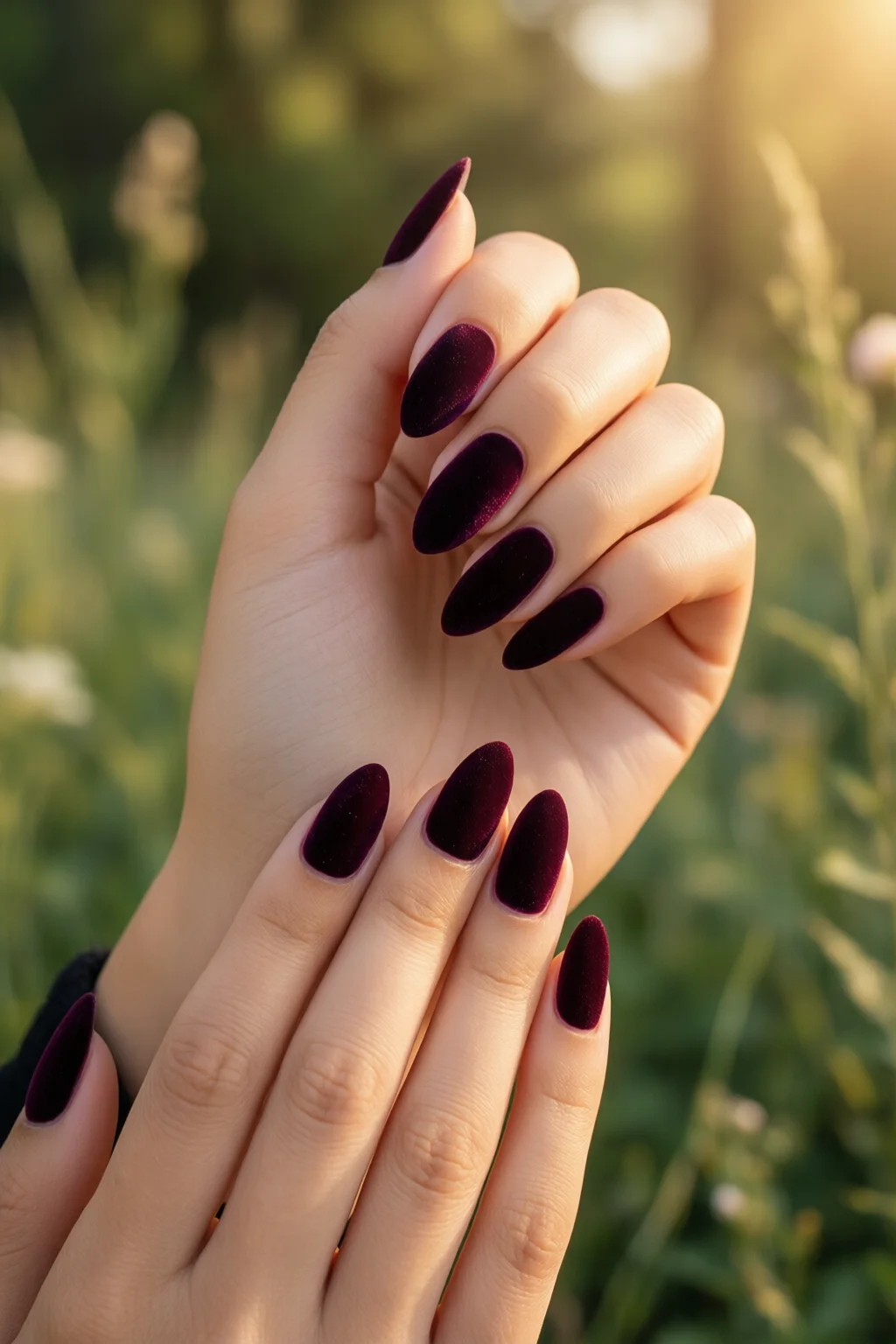
To keep the plush feel intact, moisturize your cuticles nightly with a lightweight oil (e.g., CND SolarOil, $12.95 for 15 ml). Avoid heavy hand creams that contain petroleum, as they can break down the silicone resin.
Preventing Chips and Scratches
One mistake I see often is using the nails as tools. Even a light push‑up on a desk can cause micro‑cracks. If you need extra protection, a clear protective spray like Seche Vite 10‑Second Top Coat ($13.99) can be applied over the matte top coat every 4‑5 days. It adds a thin barrier without adding shine.
Touch‑Up Strategies
When a chip appears, lightly buff the edge, then apply one coat of the original velvet polish and finish with the matte top coat. This “spot‑fix” method can extend the life of your manicure by up to 40% compared to starting over.
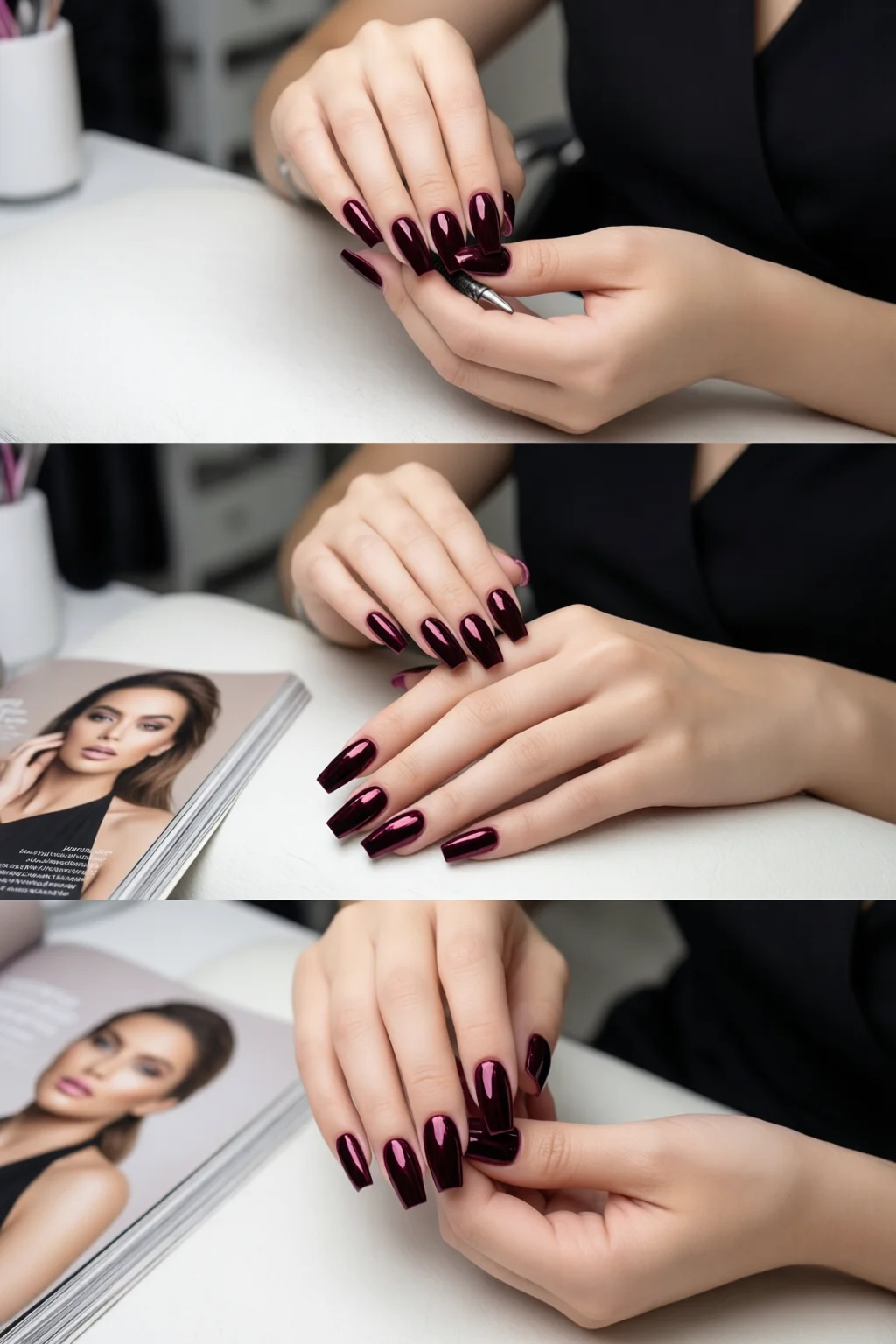
Creative Variations: Pairing Velvet with Other Trends
Velvet + Milk Bath Nails
Combine the soft matte of velvet with the milky translucency of milk bath nails for a dreamy, ethereal look. Apply a sheer milky base (use a light pink or nude polish diluted 1:1 with a clear base) then finish with a velvet top coat. The result is a subtle sheen that still feels plush.
Velvet + Watercolor Nails
For an artistic twist, use a watercolor effect as an accent. Paint a small brushstroke of pastel watercolor (think lavender nails shades) on one side of each nail, then apply the velvet polish over the entire surface. The matte texture will mute the watercolor just enough to keep it sophisticated.
Velvet + Mermaid Nails
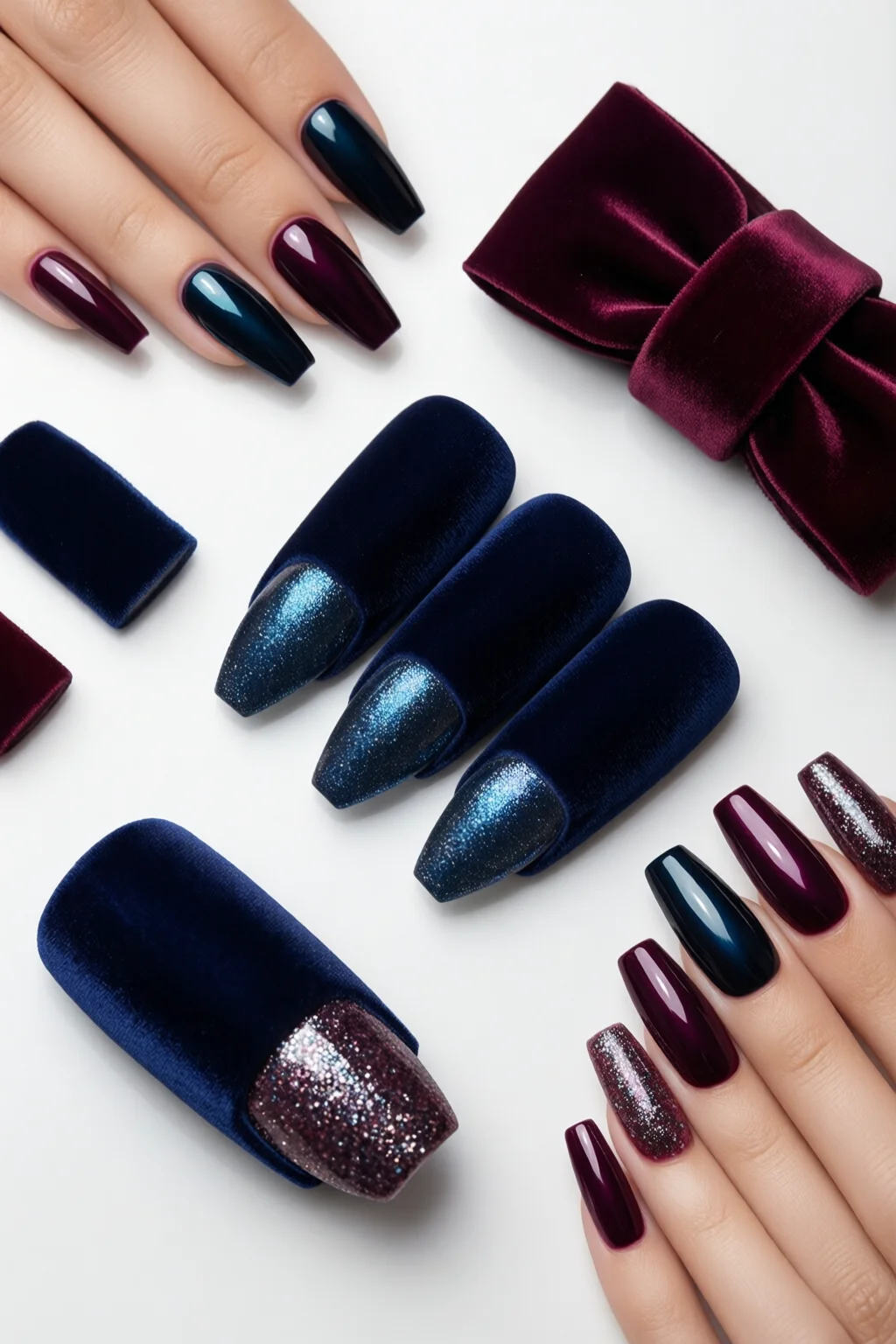
If you love the iridescent shimmer of mermaid nails, try a “double‑matte” technique: first apply a pearl‑infused base (e.g., Dior Forever Glitter Pearl, $32) then overlay a velvet top coat in a deep oceanic hue like navy or teal. The result is a muted mermaid vibe that’s still tactile.
Pro Tips from Our Experience
- Temperature matters: Apply velvet polish in a cool, low‑humidity environment (around 68 °F/20 °C). High humidity can cause the silicone particles to clump, ruining the texture.
- Shake, don’t stir: Vigorously shake the bottle for 10‑15 seconds before use. This evenly distributes the nylon beads, ensuring a consistent velvet feel.
- Layering with glitters: If you love sparkle, apply a fine glitter top coat (e.g., China Glaze Glitter Matte, $10.99) over the velvet base. The matte glitter adds dimension without compromising the plush feel.
- Use a silicone brush: Brushes with silicone bristles (like the OPI Pro Brush) help spread the velvet polish more evenly and reduce streaks.
- Test on a single nail first: Before committing to a full set, apply the polish on your ring finger. This lets you gauge the texture and see if the color suits your skin tone.
Frequently Asked Questions
How long do velvet nails actually last?
With a proper base, two coats of velvet polish, and a matte top coat, most high‑quality velvet nails last 10‑14 days. Touch‑ups can extend that to 18 days.
Can I use gel polish to achieve a velvet effect?
Yes, several gel brands (e.g., Gelish Velvet Matte) offer a gel version. However, the texture is slightly less “soft” than traditional silicone‑based velvet polishes.
Is the velvet finish suitable for short nails?
Absolutely. The matte texture actually makes short nails look more refined because it reduces the visual lengthening effect of glossy finishes.
Do I need a special remover for velvet polish?
A standard acetone‑based remover works fine, but because velvet polishes contain silicone, a 10‑minute soak in acetone followed by a gentle foil wrap (e.g., KISS Foil Wraps) ensures complete removal.
Can I combine velvet nails with nail art like decals?
Yes. Apply decals after the velvet base has fully cured, then seal with a clear matte top coat to keep the texture uniform.
Conclusion: Your Velvet Nail Action Plan
Velvet nails are more than a fleeting fad—they’re a versatile, tactile finish that works for everyday elegance and high‑impact artistic looks. Here’s a quick checklist to get you started:
- Choose a silicone‑infused velvet polish (OPI or Zoya for best wear).
- Prep with a silicone base coat and a light buff.
- Apply two thin coats, shaking the bottle each time.
- Seal with a matte top coat and optional protective spray.
- Maintain with nightly cuticle oil and avoid using nails as tools.
Follow these steps, and you’ll enjoy a plush, matte manicure that lasts up to two weeks, pairs beautifully with trends like mermaid nails, and turns heads wherever you go. Happy polishing!